
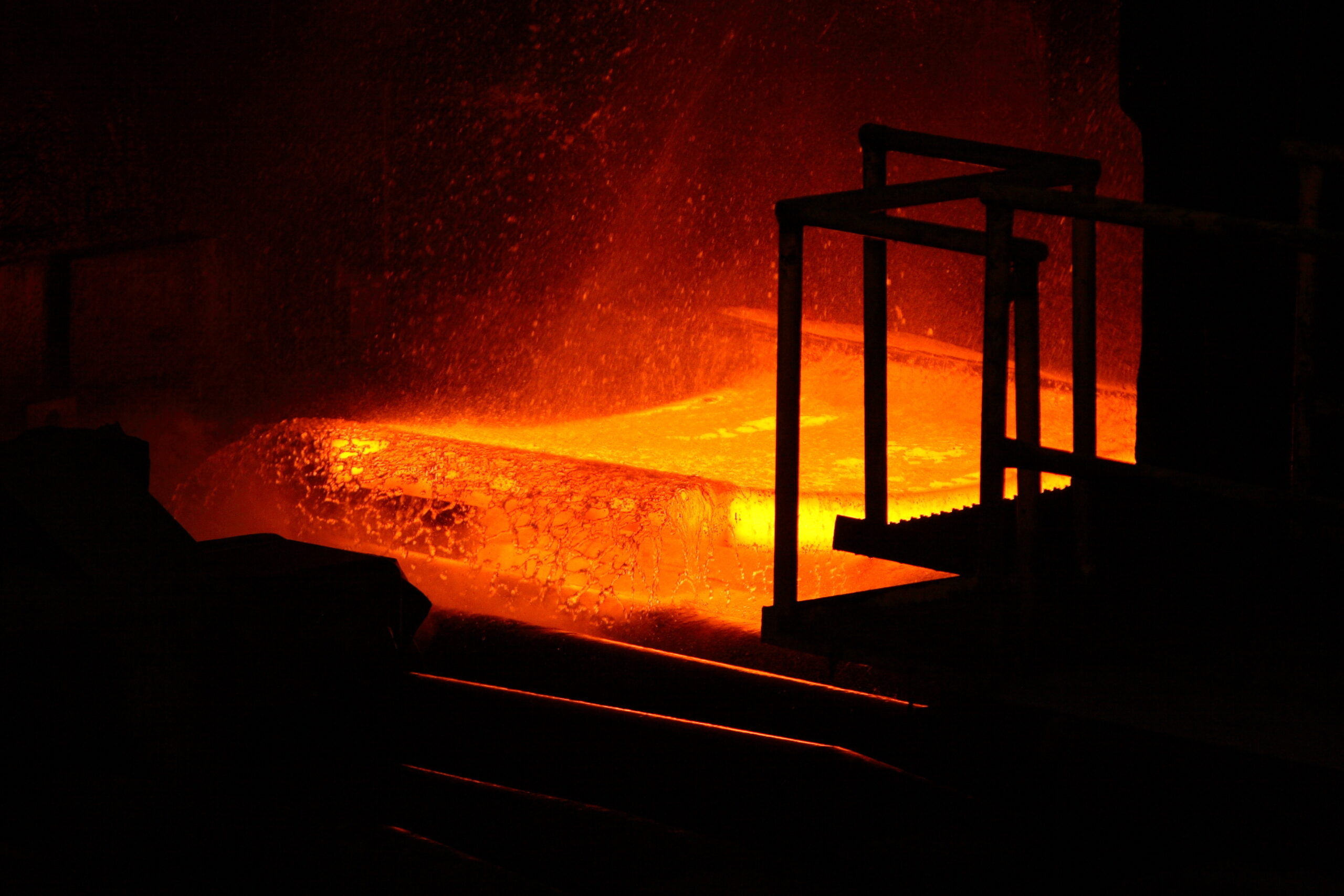
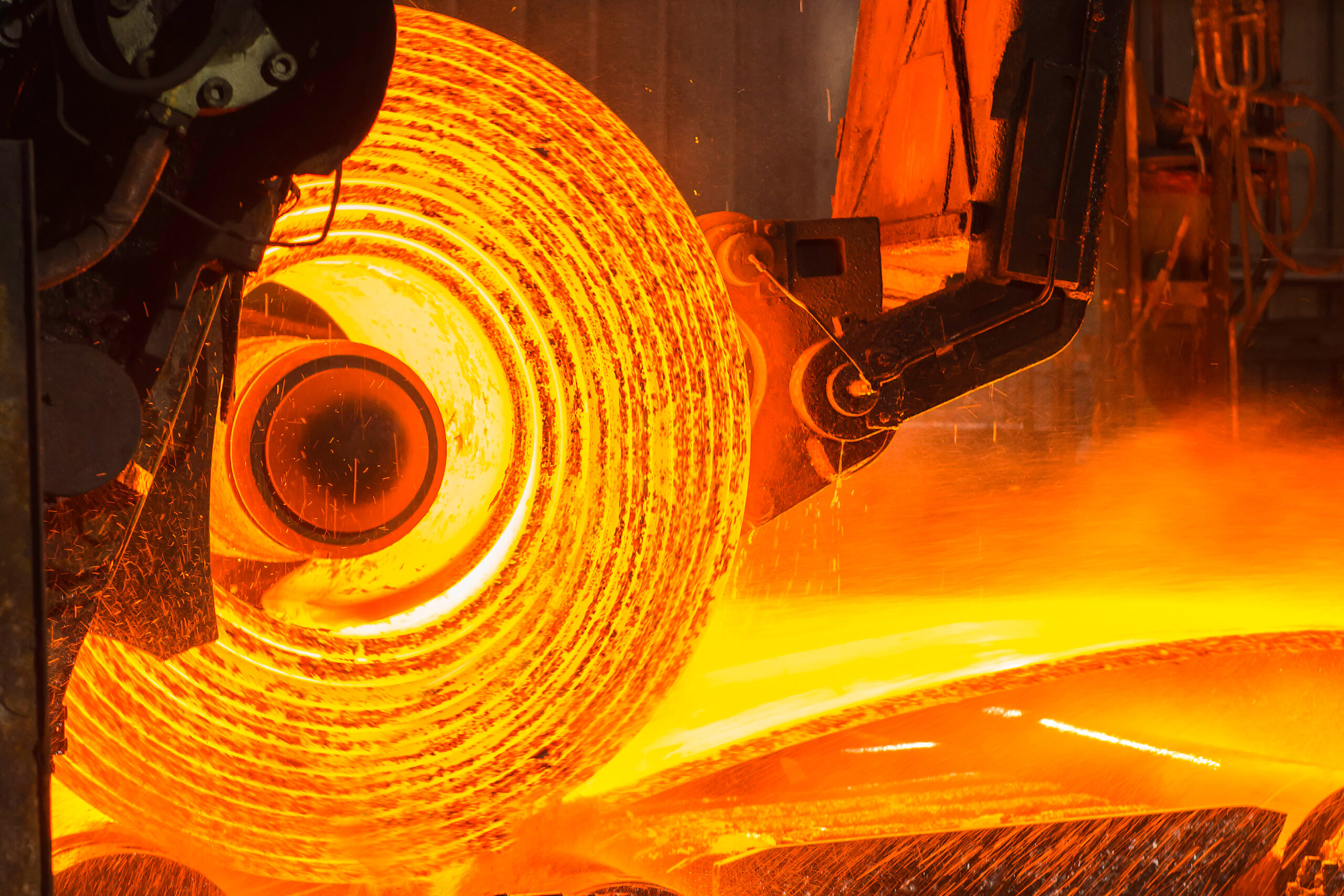
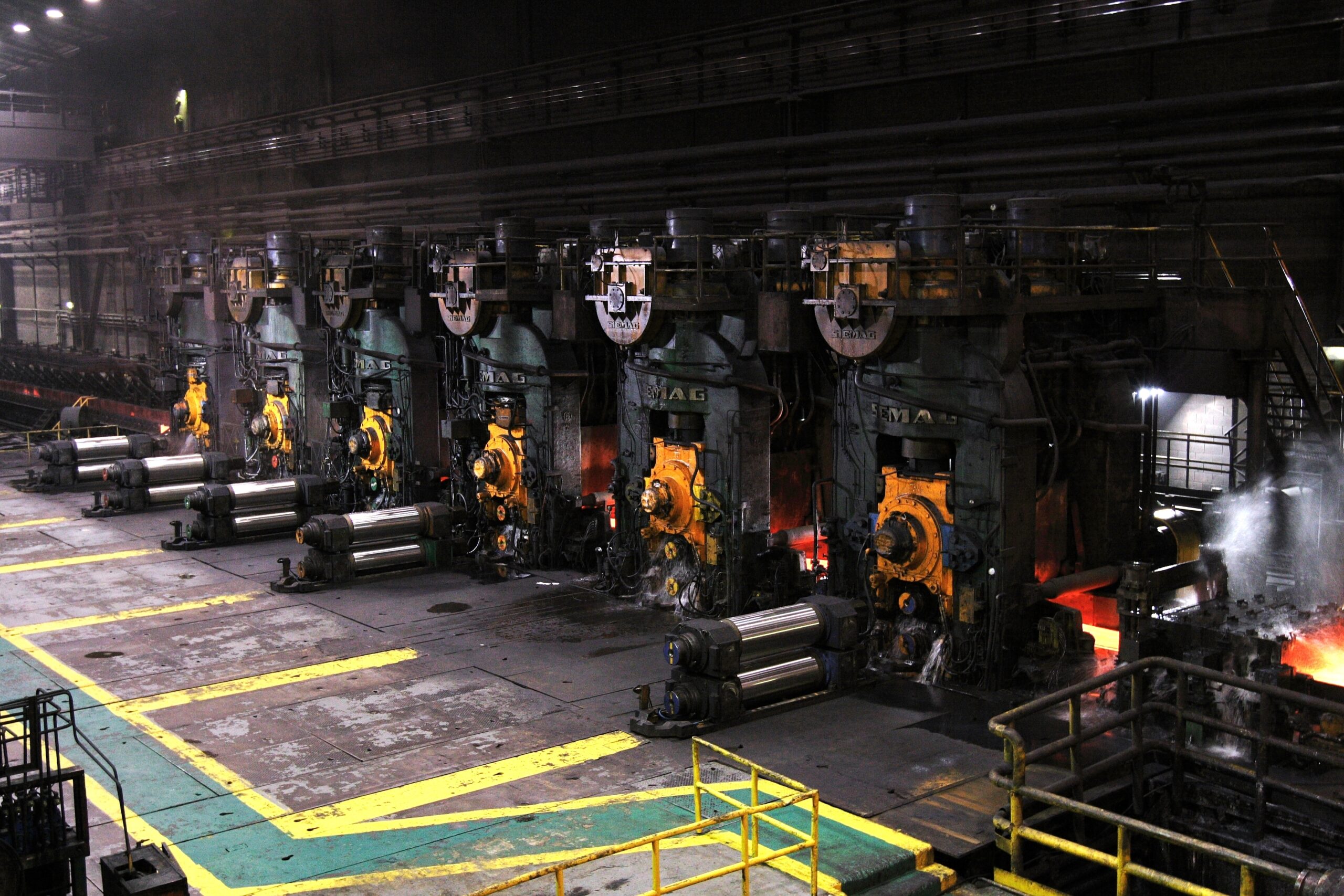
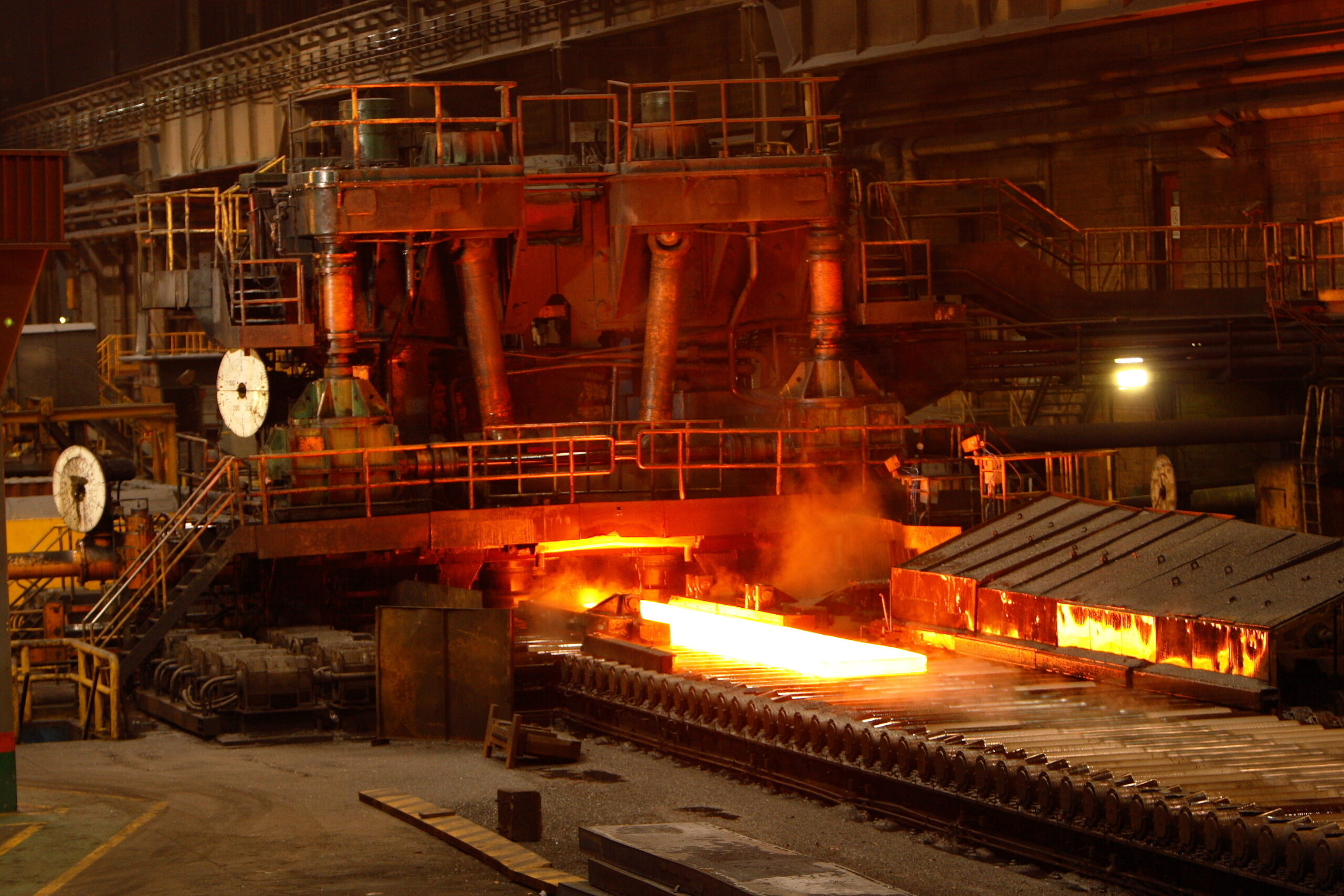
Process: Hot Rolling Mill

Hot Axle Box/ Wheel Temperature Detection using High Speed Pyrometers
Monitoring and detection of the hot axle box bearing temperature (detection of bearings presenting a risk of failure). Task was to measure temperature of the the running train axle box / wheel Home Case Studies Hot axle box/ wheel temperature detection Hot Axle Box/ Wheel Temperature Detection using High Speed Pyrometers Home Case Studies Pilger mill in tube rolling mills – hot and cold pipe detection Pilger mill in tube rolling mills – hot and cold pipe detection Challenges Monitoring and detection of the hot axle box bearing temperature (detection of bearings presenting a risk of failure) Running train axel box / wheel temp measurement Solution High-speed pyrometer for low-temp, high-speed measurements Quick exposure time of only 90 μs due to its short measuring wavelength Temperature range from 0°C to 500 °C Housing design for open area Products and Accessories Pyrometer Case Study Number TP3 Challenge The increasing flexibility of production lines requires a high adaptability of sensors. Continually changing object geometries, different temperatures and very high radiation or surrounding temperatures are no rarity. In a pilger mill those rough conditions can be found, among others in the production of seemless steel pipes. The raw steel blocks, each weighing a few tons are heated up first in a round oven at a temperature of 1300 °C. After descaling of the surface, the steel block is prepunched in a hole press with a strength from a converted 2000 t. In the next sloping rolling mill the growing pipe rotates between two rollers that are positioned at an angle to each other. The punching is widened to the size of the mandrel diameter. Previous solution / Competitor product N/A Solution The sensor that was installed at this application is the HMD OKA 2038.38 G with tube OL 19. The signal of the infrared sensors controls the movement of centering device and abutment. The point of view is restricted by the tube and prevents disturbances by steam in the cooling phase. An optimum adaptation to the operating conditions is given due to the adjustable response temperature. The HMD with self-learning response temperature (Auto-Teach function) is suited to continually changing conditions. The compact sensor with a stainless steel housing can withstand surrounding temperatures of up to 75° C. The use of a cooling jacket raises this up to 200° C. Alternatively sensors with fibre optic cables are available which permit an application at ambient temperatures up to 600° C without cooling. Customer Benefits Maintenance-free High temperature stability Recognition of hot objects at big distances Self adjustment with Auto-Teach or step switch for the response temperature Product Part number OKA 2038.38 G Brand Proxitron Accessories Piros swivel stand HM2 Tube OL 19 Pilot light unit (for alignment) DAK 308 + OL 26 Different cable lengths (e.g. 15 m) Customer Testimonial compared to previous solution or competition Case Studies Other Solutions Sample case study title lorem ipsum here Short description of the problem solved, maybe include the client name. READ MORE Sample case study title lorem ipsum here Short description of the problem solved, maybe include the client name. READ MORE Sample case study title lorem ipsum here Short description of the problem solved, maybe include the client name. READ MORE View All
Pyromters Prevent Strip Cobble Due to Hook Up
Measure the bottom/ under-strip temperature. Measure the bottom profile temperature to prevent hook-up / cobble. Technology now available for both point and profile bottom side temperature measurement. Compare the edge temperature difference between operator and drive side Home Case Studies Prevent strip cobble due to hook-up Pyromters Prevent Strip Cobble Due to Hook Up Home Case Studies Pilger mill in tube rolling mills – hot and cold pipe detection Pilger mill in tube rolling mills – hot and cold pipe detection Measure the Bottom/ Under-Strip Temperature using Non Contact Ratio Pyrometers or Thermal Imaging Camera Bottom Temperature Profile: Comparing drive and operator side variation: Measuring range 450-1800°C Measure the bottom profile temperature to prevent hook-up / cobble Technology now available for both point and profile bottom side temperature measurement Compare the edge temperature difference between operator and drive side temperature. Point under-strip Temperature: Measuring range from 600 to 2000°C The ratio pyrometer is largely resistant against dust, steam and dirty observation windows. Due to its short measuring wavelength the ratio pyrometer is especially suited for measurement of high metal temperatures and the very short response time allows for surveillance of very fast processes. Products and Accesories Infrared Thermal Cameras Next Generation Pyrometer: Dirt & Steam Resistant, for high ambient environment Other Case Studies in Hot Rolling Mills Sample case study title lorem ipsum here Short description of the problem solved, maybe include the client name. READ MORE Sample case study title lorem ipsum here Short description of the problem solved, maybe include the client name. READ MORE Sample case study title lorem ipsum here Short description of the problem solved, maybe include the client name. READ MORE Case Study Number TP3 Challenge The increasing flexibility of production lines requires a high adaptability of sensors. Continually changing object geometries, different temperatures and very high radiation or surrounding temperatures are no rarity. In a pilger mill those rough conditions can be found, among others in the production of seemless steel pipes. The raw steel blocks, each weighing a few tons are heated up first in a round oven at a temperature of 1300 °C. After descaling of the surface, the steel block is prepunched in a hole press with a strength from a converted 2000 t. In the next sloping rolling mill the growing pipe rotates between two rollers that are positioned at an angle to each other. The punching is widened to the size of the mandrel diameter. Previous solution / Competitor product N/A Solution The sensor that was installed at this application is the HMD OKA 2038.38 G with tube OL 19. The signal of the infrared sensors controls the movement of centering device and abutment. The point of view is restricted by the tube and prevents disturbances by steam in the cooling phase. An optimum adaptation to the operating conditions is given due to the adjustable response temperature. The HMD with self-learning response temperature (Auto-Teach function) is suited to continually changing conditions. The compact sensor with a stainless steel housing can withstand surrounding temperatures of up to 75° C. The use of a cooling jacket raises this up to 200° C. Alternatively sensors with fibre optic cables are available which permit an application at ambient temperatures up to 600° C without cooling. Customer Benefits Maintenance-free High temperature stability Recognition of hot objects at big distances Self adjustment with Auto-Teach or step switch for the response temperature Product Part number OKA 2038.38 G Brand Proxitron Accessories Piros swivel stand HM2 Tube OL 19 Pilot light unit (for alignment) DAK 308 + OL 26 Different cable lengths (e.g. 15 m) Customer Testimonial compared to previous solution or competition High Temperature sensing proximity for Hot Rolling Mills Ensuring Uniform Cooling on Cooling Bed for Billet | Bloom Caster View All
Electronic overspeed switch EGS 41 ensures safe rolling mill operations
For precise speed control in rolling mills the main drives of the roll stands and the coilers need to be equipped with an encoder. In addition, it is often necessary to provide increased protection for personnel during special operating modes, such as: For this application Johannes Hübner Giessen has been working with Motor OEMs for many decades to provide complete solution ie. Electrical and mechanical components. Home Case Studies Electronic overspeed switch EGS 41 ensures safe rolling mill operations Electronic overspeed switch EGS 41 ensures safe rolling mill operations Home Case Studies Pilger mill in tube rolling mills – hot and cold pipe detection Pilger mill in tube rolling mills – hot and cold pipe detection Safely-Limited Speed (SLS) during maintenance and setup procedures Adhering to provisions in the Machinery Directive relating to the protection of persons Straightforward implementation with certified EGS 41 (SIL 2 / PL d) User-friendly configuration, storage and switch tests Rolling mill in a hot rolling mill. Challenges For precise speed control in rolling mills the main drives of the roll stands and the coilers need to be equipped with an encoder. In addition, it is often necessary to provide increased protection for personnel during special operating modes, such as: Setup procedures with rotating rollers Maintenance work under electrical voltage The risks of such situations can be significantly reduced by implementing the safety function “Safely-Limited Speed” (SLS). SLS can be realized by using an overspeed switch that operates independent of the encoder and fulfils the special safety requirements (Safety Integrity Level SIL / Performance Level PL). Electronic overspeed switch EGS 41 mounted on an incremental encoder FGH 6. Solution To meet these requirements Johannes Hübner Giessen supplies the overspeed switch EGS 41, which is certified up to SIL 2 to IEC 61508 and PL d to DIN EN ISO 13849. In addition to two safe switching outputs for speed monitoring of overspeeds and underspeeds it offers integrated standstill functionality as well as an integrated diagnostics switch to monitor safety functions integrated in the device. The programming software included in the scope of supply supports user-friendly parameterization via a USB interface. Products and Accessories Heavy duty programmable overspeed switch Adapter Shaft Tether 1:1 Replacement for Mechanical Cam Limit Switch Speed feedback for main drives Couplings Case Study Number TP3 Challenge The increasing flexibility of production lines requires a high adaptability of sensors. Continually changing object geometries, different temperatures and very high radiation or surrounding temperatures are no rarity. In a pilger mill those rough conditions can be found, among others in the production of seemless steel pipes. The raw steel blocks, each weighing a few tons are heated up first in a round oven at a temperature of 1300 °C. After descaling of the surface, the steel block is prepunched in a hole press with a strength from a converted 2000 t. In the next sloping rolling mill the growing pipe rotates between two rollers that are positioned at an angle to each other. The punching is widened to the size of the mandrel diameter. Previous solution / Competitor product N/A Solution The sensor that was installed at this application is the HMD OKA 2038.38 G with tube OL 19. The signal of the infrared sensors controls the movement of centering device and abutment. The point of view is restricted by the tube and prevents disturbances by steam in the cooling phase. An optimum adaptation to the operating conditions is given due to the adjustable response temperature. The HMD with self-learning response temperature (Auto-Teach function) is suited to continually changing conditions. The compact sensor with a stainless steel housing can withstand surrounding temperatures of up to 75° C. The use of a cooling jacket raises this up to 200° C. Alternatively sensors with fibre optic cables are available which permit an application at ambient temperatures up to 600° C without cooling. Customer Benefits Maintenance-free High temperature stability Recognition of hot objects at big distances Self adjustment with Auto-Teach or step switch for the response temperature Product Part number OKA 2038.38 G Brand Proxitron Accessories Piros swivel stand HM2 Tube OL 19 Pilot light unit (for alignment) DAK 308 + OL 26 Different cable lengths (e.g. 15 m) Customer Testimonial compared to previous solution or competition Case Studies Other Solutions in Hot Rolling Mills – Roughing Mills View All
Hot Rolling Mill / Screw downs: Replacing of old resolver technology
For precise speed control in rolling mills the main drives of the roll stands and the coilers need to be equipped with an encoder. In addition, it is often necessary to provide increased protection for personnel during special operating modes, such as: For this application Johannes Hübner Giessen has been working with Motor OEMs for many decades to provide complete solution ie. Electrical and mechanical components. Home Case Studies Hot Rolling Mill / Screw downs: Replacing of old resolver technology Hot Rolling Mill / Screw downs: Replacing of old resolver technology Home Case Studies Pilger mill in tube rolling mills – hot and cold pipe detection Pilger mill in tube rolling mills – hot and cold pipe detection Assembly of hollow shaft absolute encoder ASSH 60 K-16 / 50P (SSI interface) Improved final quality of the rolled material due to increased thickness accuracy Direct assembly to the screw down spindle Before: The old resolver transducer Challenges The customer needed to replace the old resolver technology to improve the thickness control precision and thereby, the material quality. For this purpose they attempted a solution using a linear transducer, which did not give satisfactory results due to its mechanical weakness. Finally, they came to the conclusion to use a high resolution absolute encoder suitable for heavy duty applications. Solution Due to the required robustness, a hollow shaft absolute encoder model ASSH 60 K-16 / 50P with corresponding torque bracket was chosen. The SSI interface with a resolution of 16 bit provides highly accurate signals for the thickness control. At the customer‘s request, the Hübner Giessen engineering department helped in the design of the mounting materials, which were produced by themself. After: Hollow shaft absolute encoder type ASSH 60 K-16 / 50Pwith torque bracket (directly mounted) Products and Accessories Main mill motor encoder Tether Adapter Shaft Heavy duty programmable overspeed switch Speed feedback for main drives Case Study Number TP3 Challenge The increasing flexibility of production lines requires a high adaptability of sensors. Continually changing object geometries, different temperatures and very high radiation or surrounding temperatures are no rarity. In a pilger mill those rough conditions can be found, among others in the production of seemless steel pipes. The raw steel blocks, each weighing a few tons are heated up first in a round oven at a temperature of 1300 °C. After descaling of the surface, the steel block is prepunched in a hole press with a strength from a converted 2000 t. In the next sloping rolling mill the growing pipe rotates between two rollers that are positioned at an angle to each other. The punching is widened to the size of the mandrel diameter. Previous solution / Competitor product N/A Solution The sensor that was installed at this application is the HMD OKA 2038.38 G with tube OL 19. The signal of the infrared sensors controls the movement of centering device and abutment. The point of view is restricted by the tube and prevents disturbances by steam in the cooling phase. An optimum adaptation to the operating conditions is given due to the adjustable response temperature. The HMD with self-learning response temperature (Auto-Teach function) is suited to continually changing conditions. The compact sensor with a stainless steel housing can withstand surrounding temperatures of up to 75° C. The use of a cooling jacket raises this up to 200° C. Alternatively sensors with fibre optic cables are available which permit an application at ambient temperatures up to 600° C without cooling. Customer Benefits Maintenance-free High temperature stability Recognition of hot objects at big distances Self adjustment with Auto-Teach or step switch for the response temperature Product Part number OKA 2038.38 G Brand Proxitron Accessories Piros swivel stand HM2 Tube OL 19 Pilot light unit (for alignment) DAK 308 + OL 26 Different cable lengths (e.g. 15 m) Customer Testimonial compared to previous solution or competition Case Studies Other Solutions in Hot Rolling Mills – Roughing Mills View All
Slab Detection in Excessive Steam (HMD)
On the roughing mill exit, there is a lot of steam due to the spray header. The steam obstructs field of view of the traditional scanning type HMDs as result, occasionally the signal flickers for a millisecond. The next generation HMD 4.0 from Proxitron have intelligent software features which allows to set dual thresholds (hysteresis). Home Products Sensor Technology Slab Detection in Excessive Steam (HMD) Slab Detection in Excessive Steam (HMD) Home Case Studies Pilger mill in tube rolling mills – hot and cold pipe detection Pilger mill in tube rolling mills – hot and cold pipe detection HMD under most aggressive environment Flicker free operation due to dual threshold (hysteresis) setting option Adjustable response temperature Withstand ambient 2000C (water-cooling) and 2900C (w/o water cooling) Diagnostic alarm feature Challenges On the roughing mill exit, there is a lot of steam due to the spray header. The steam obstructs field of view of the traditional scanning type HMDs as result, occasionally the signal flickers for a millisecond. Solution The next generation HMD 4.0 from Proxitron have intelligent software features which allows to set dual thresholds (hysteresis). The upper threshold setting say at 6000C and lower threshold setting at 2000C. So when slab at 10000C cross the field of view of the HMD 4.0 detects the slab but due to momentarily presence of steam, slab temperature may appear to be lower than 600C will not cause the signal to flicker. Only if the temperature goes below the lower threshold setting i.e. 200C will HMD shows slab is not present. Products and Accessories Hot Metal Detectors Accessories Case Study Number TP3 Challenge The increasing flexibility of production lines requires a high adaptability of sensors. Continually changing object geometries, different temperatures and very high radiation or surrounding temperatures are no rarity. In a pilger mill those rough conditions can be found, among others in the production of seemless steel pipes. The raw steel blocks, each weighing a few tons are heated up first in a round oven at a temperature of 1300 °C. After descaling of the surface, the steel block is prepunched in a hole press with a strength from a converted 2000 t. In the next sloping rolling mill the growing pipe rotates between two rollers that are positioned at an angle to each other. The punching is widened to the size of the mandrel diameter. Previous solution / Competitor product N/A Solution The sensor that was installed at this application is the HMD OKA 2038.38 G with tube OL 19. The signal of the infrared sensors controls the movement of centering device and abutment. The point of view is restricted by the tube and prevents disturbances by steam in the cooling phase. An optimum adaptation to the operating conditions is given due to the adjustable response temperature. The HMD with self-learning response temperature (Auto-Teach function) is suited to continually changing conditions. The compact sensor with a stainless steel housing can withstand surrounding temperatures of up to 75° C. The use of a cooling jacket raises this up to 200° C. Alternatively sensors with fibre optic cables are available which permit an application at ambient temperatures up to 600° C without cooling. Customer Benefits Maintenance-free High temperature stability Recognition of hot objects at big distances Self adjustment with Auto-Teach or step switch for the response temperature Product Part number OKA 2038.38 G Brand Proxitron Accessories Piros swivel stand HM2 Tube OL 19 Pilot light unit (for alignment) DAK 308 + OL 26 Different cable lengths (e.g. 15 m) Customer Testimonial compared to previous solution or competition Case Studies Other Solutions in Hot Rolling Mills View All
Precise Looper Position Feedback
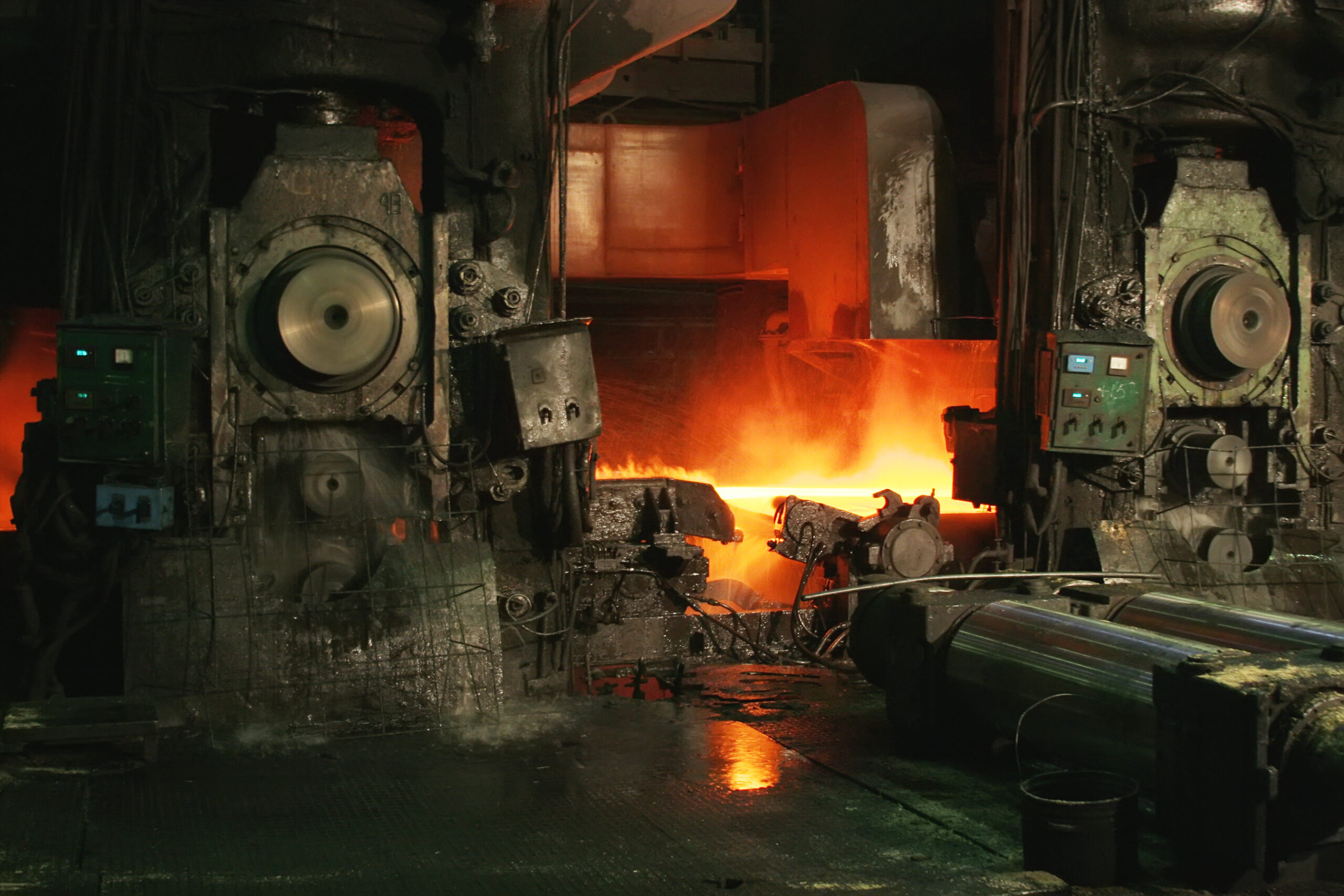
Loopers are normally used to control the tension of the metal strip between roll stands. The rotational angle of the looper is measured by a feedback encoder that is exposed to special demands. For this application Johannes Hübner Giessen developed a special looper encoder, which boasts a considerably longer lifetime thanks to especially designed-in features. Home Case Studies Precise looper position feedback Rolling mills /Looper: Special looper encoders withstand the most extreme operating conditions in hot roll stands Home Case Studies Pilger mill in tube rolling mills – hot and cold pipe detection Pilger mill in tube rolling mills – hot and cold pipe detection Special looper encoders withstand the most extreme operating conditions in hot roll stands Subject to high loads from shock, temperature and cooling emulsions Heavy-duty ball bearings with special lubrication Increased lifetime Reduced downtime Loopers in hot rolling mills are working under extremely rough conditions. Challenges Loopers are normally used to control the tension of the metal strip between roll stands. The rotational angle of the looper is measured by a feedback encoder that is exposed to special demands. The setting angle up to only about 45° results in a partial load on the encoder bearings in conjunction with insufficient bearing lubrication. The encoder is subject to high levels of shock and temperature loads as well as oil/cooling emulsions /water at the place of installation. Formerly used standard encoders have not reached the required lifetime. Looper encoder with heavy-duty ball bearings and special lubrication for long lifetime. The Hübner Giessen solution For this application Johannes Hübner Giessen developed a special looper encoder, which boasts a considerably longer lifetime thanks to especially designed-in features. These contain oversized bearings with the dynamic load rating increased by 40% as well as a special radial shaft sealing ring with an additional protective lip. To guarantee the best signal quality the bearings are not primarily designed for high speeds, but rather for high shock loads up to 450 g. The min. degree of protection is IP66/ IP67 with an operating temperature up to 100 °C. Products and Accessories Looper Encoder Heavy duty stainless steel coupling Connector Case Study Number TP3 Challenge The increasing flexibility of production lines requires a high adaptability of sensors. Continually changing object geometries, different temperatures and very high radiation or surrounding temperatures are no rarity. In a pilger mill those rough conditions can be found, among others in the production of seemless steel pipes. The raw steel blocks, each weighing a few tons are heated up first in a round oven at a temperature of 1300 °C. After descaling of the surface, the steel block is prepunched in a hole press with a strength from a converted 2000 t. In the next sloping rolling mill the growing pipe rotates between two rollers that are positioned at an angle to each other. The punching is widened to the size of the mandrel diameter. Previous solution / Competitor product N/A Solution The sensor that was installed at this application is the HMD OKA 2038.38 G with tube OL 19. The signal of the infrared sensors controls the movement of centering device and abutment. The point of view is restricted by the tube and prevents disturbances by steam in the cooling phase. An optimum adaptation to the operating conditions is given due to the adjustable response temperature. The HMD with self-learning response temperature (Auto-Teach function) is suited to continually changing conditions. The compact sensor with a stainless steel housing can withstand surrounding temperatures of up to 75° C. The use of a cooling jacket raises this up to 200° C. Alternatively sensors with fibre optic cables are available which permit an application at ambient temperatures up to 600° C without cooling. Customer Benefits Maintenance-free High temperature stability Recognition of hot objects at big distances Self adjustment with Auto-Teach or step switch for the response temperature Product Part number OKA 2038.38 G Brand Proxitron Accessories Piros swivel stand HM2 Tube OL 19 Pilot light unit (for alignment) DAK 308 + OL 26 Different cable lengths (e.g. 15 m) Customer Testimonial compared to previous solution or competition Case Studies Other Solutions in Hot Rolling Mills – Finishing Mills View All
Alignment for Cut to Length: Positioning lasers
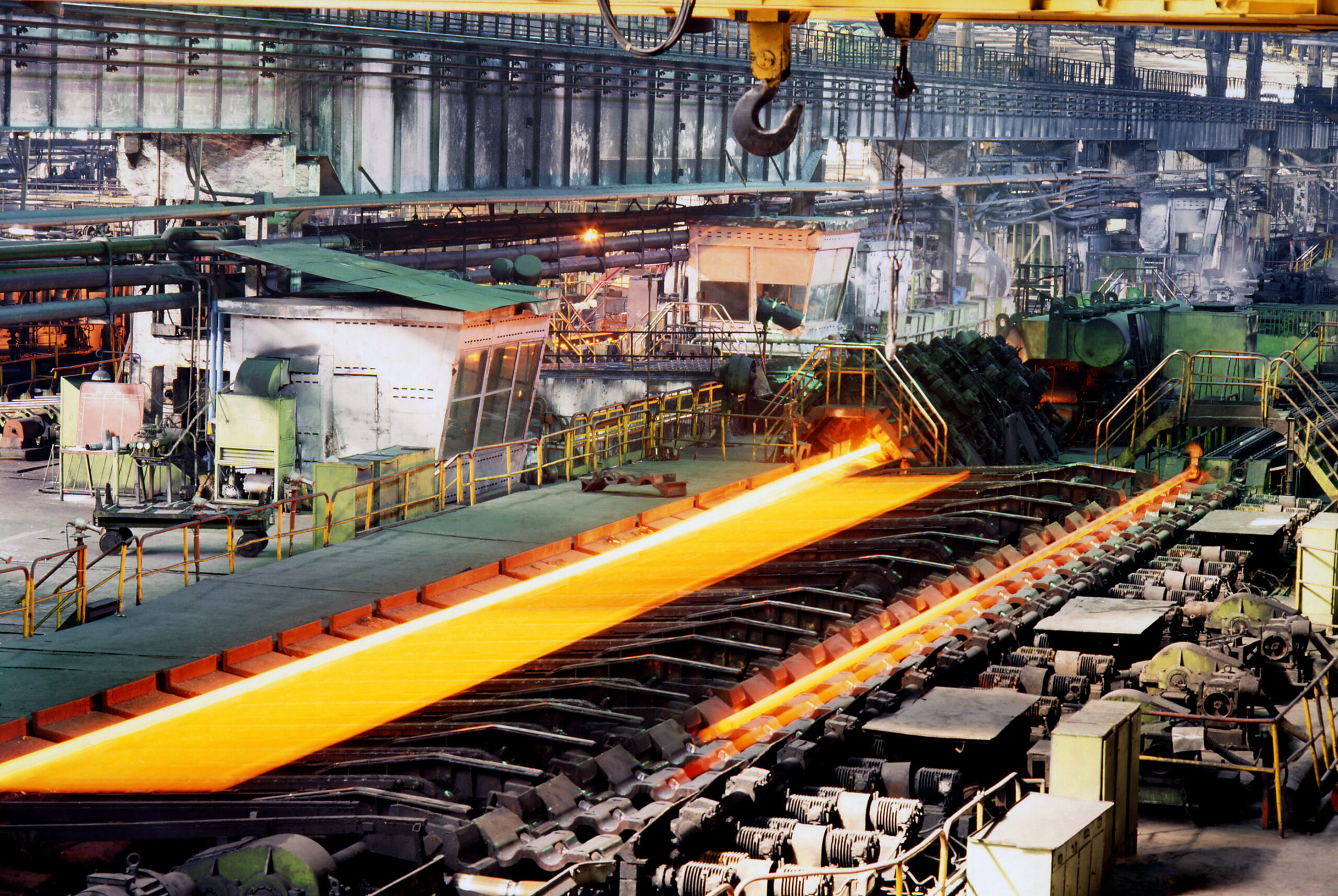
Operator from ECR has to verify that plates is in center for shear to work properly. Needed a good visible laser line on dark plates. Laser length up to 20mtrs. Z-laser designed the next generation green laser with high output power. Visible on dark surfaces with limited impact from ambient light conditions Home Case Studies Alignment for Cut to Length: Positioning lasers Alignment for Cut to Length: Positioning lasers Home Case Studies Pilger mill in tube rolling mills – hot and cold pipe detection Pilger mill in tube rolling mills – hot and cold pipe detection Higher production quality and throughput Positioning laser visible on plates/ sheet increasing operator efficiency Faster and more precise alignment of the shears, band saws and miter saws Laser length available upto 30mtrs depending upon mounting height Visible laser colour like green and red Laser mounted with help of precision mounting bracket Challenges Operator from ECR has to verify that plates is in center for shear to work properly Needed a good visible laser line on dark plates Laser length up to 20mtrs 24vdc supply and works in an industrial environment Green laser visible to the operator Solution Z-laser designed the next generation green laser with high output power Visible on dark surfaces with limited impact from ambient light conditions High IP protection class against dust and moisture Sturdiness to withstand impact and vibrations Accessories like precision mounting bracket and climate case Other application areas Red laser is continuously projected onto the Laser installed with installation height of 200 cutting edge of the saw so the production to max 1000mm to distribute the light homogenously engineer can align the workpiece with precision over the entire distance. Products and Accessories Positioning laser for visualization Case Study Number TP3 Challenge The increasing flexibility of production lines requires a high adaptability of sensors. Continually changing object geometries, different temperatures and very high radiation or surrounding temperatures are no rarity. In a pilger mill those rough conditions can be found, among others in the production of seemless steel pipes. The raw steel blocks, each weighing a few tons are heated up first in a round oven at a temperature of 1300 °C. After descaling of the surface, the steel block is prepunched in a hole press with a strength from a converted 2000 t. In the next sloping rolling mill the growing pipe rotates between two rollers that are positioned at an angle to each other. The punching is widened to the size of the mandrel diameter. Previous solution / Competitor product N/A Solution The sensor that was installed at this application is the HMD OKA 2038.38 G with tube OL 19. The signal of the infrared sensors controls the movement of centering device and abutment. The point of view is restricted by the tube and prevents disturbances by steam in the cooling phase. An optimum adaptation to the operating conditions is given due to the adjustable response temperature. The HMD with self-learning response temperature (Auto-Teach function) is suited to continually changing conditions. The compact sensor with a stainless steel housing can withstand surrounding temperatures of up to 75° C. The use of a cooling jacket raises this up to 200° C. Alternatively sensors with fibre optic cables are available which permit an application at ambient temperatures up to 600° C without cooling. Customer Benefits Maintenance-free High temperature stability Recognition of hot objects at big distances Self adjustment with Auto-Teach or step switch for the response temperature Product Part number OKA 2038.38 G Brand Proxitron Accessories Piros swivel stand HM2 Tube OL 19 Pilot light unit (for alignment) DAK 308 + OL 26 Different cable lengths (e.g. 15 m) Customer Testimonial compared to previous solution or competition Case Studies Other Solutions in Hot Rolling Mills Sample case study title lorem ipsum here Short description of the problem solved, maybe include the client name. READ MORE Sample case study title lorem ipsum here Short description of the problem solved, maybe include the client name. READ MORE Sample case study title lorem ipsum here Short description of the problem solved, maybe include the client name. READ MORE View All
Temperature Measurement at Roughing Mill entry and under the strip
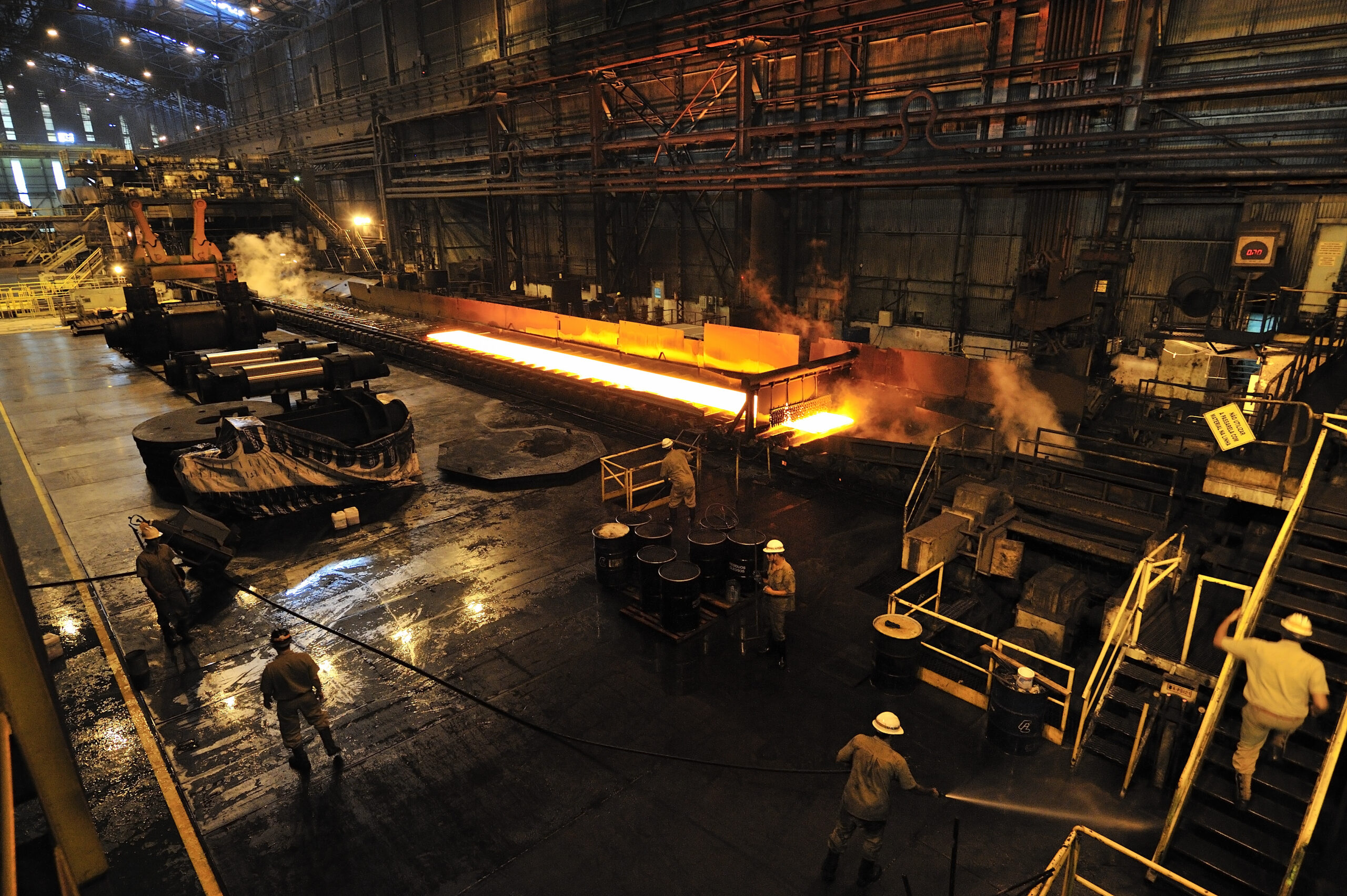
Hot rolling mill processes needed accurate temperature measurement, as well as efficiency in extremely high temperature. Rugged pyrometer was installed at the measuring site, with electrically isolated sensing head and fiber optic. Home Case Studies Temperature Measurement pyrometers Temperature Measurement at roughing mill entry and under the strip Home Case Studies Pilger mill in tube rolling mills – hot and cold pipe detection Pilger mill in tube rolling mills – hot and cold pipe detection Next generation ratio technology for accurate measurement in high ambient environment Ratio technology able to provide accurate and stable reading in dirt, steam and scale Wide temperature range from 700-2000°C High ambient temperature up to 315 °C without water cooling Compact in size, easy to install and maintenance free with dual 4-20mA output Challenges Hot rolling mill processes needed accurate temperature measurement, as well as efficiency in extremely high temperature. Solution Rugged pyrometer was installed at the measuring site, with electrically isolated sensing head and fiber optic. It offers excellent resistance against dust, steam and dirty observation windows. The pyrometer consists of adjustable focus from 300 mm to infinity with exceptional optical resolution up to 100:1. Products and Accessories Case Studies Other Solutions View All
Hot and Cold Rolling Mills / Main drives: Modernization of existing encoder installations
For precise speed control in rolling mills the main drives of the roll stands and the coilers need to be equipped with an encoder. In addition, it is often necessary to provide increased protection for personnel during special operating modes, such as: For this application Johannes Hübner Giessen has been working with Motor OEMs for many decades to provide complete solution ie. Electrical and mechanical components. Home Case Studies Hot and Cold Rolling Mills / Main drives: Modernization of existing encoder installations Hot and Cold Rolling Mills / Main drives: Modernization of existing encoder installations Home Case Studies Pilger mill in tube rolling mills – hot and cold pipe detection Pilger mill in tube rolling mills – hot and cold pipe detection Easy exchange or extension of existing encoder solutions Cost-efficient, as encoders can be exchanged selectively Implementation in the shortest possible time, optionally SIL certified Planning, delivery and mounting support from a single source Hübner Giessen standard encoder solution for main drives Task All around the world Hübner Giessen encoder solutions are installed at main drives of Hot and Cold Rolling Mills. These large motors often run for many years and after a while the question about a possible encoder modernization arises to provide new or additional electrical outputs. Solution With the encoder solutions implemented by us, the scope for a modernization is limited to a minimum. For example, our FGH 6 and FGH 8 encoders have an integrated mounting flange exworks. Thereby an additional encoder can easily be added to the existing encoder system. This could be a freely programmable overspeed switch or a universal encoder system with fiber optic signal transmission (both optionally SIL certified). But also an additional incrementalencoder with different pulse rate could be an option. In any case you can count on our support for the complete project. From the first discussion to the installation support on site. Exploded view Products and Accessories Speed feedback for main drives Heavy duty programmable overspeed switch Main mill motor encoder Adapter Shaft Tether Case Study Number TP3 Challenge The increasing flexibility of production lines requires a high adaptability of sensors. Continually changing object geometries, different temperatures and very high radiation or surrounding temperatures are no rarity. In a pilger mill those rough conditions can be found, among others in the production of seemless steel pipes. The raw steel blocks, each weighing a few tons are heated up first in a round oven at a temperature of 1300 °C. After descaling of the surface, the steel block is prepunched in a hole press with a strength from a converted 2000 t. In the next sloping rolling mill the growing pipe rotates between two rollers that are positioned at an angle to each other. The punching is widened to the size of the mandrel diameter. Previous solution / Competitor product N/A Solution The sensor that was installed at this application is the HMD OKA 2038.38 G with tube OL 19. The signal of the infrared sensors controls the movement of centering device and abutment. The point of view is restricted by the tube and prevents disturbances by steam in the cooling phase. An optimum adaptation to the operating conditions is given due to the adjustable response temperature. The HMD with self-learning response temperature (Auto-Teach function) is suited to continually changing conditions. The compact sensor with a stainless steel housing can withstand surrounding temperatures of up to 75° C. The use of a cooling jacket raises this up to 200° C. Alternatively sensors with fibre optic cables are available which permit an application at ambient temperatures up to 600° C without cooling. Customer Benefits Maintenance-free High temperature stability Recognition of hot objects at big distances Self adjustment with Auto-Teach or step switch for the response temperature Product Part number OKA 2038.38 G Brand Proxitron Accessories Piros swivel stand HM2 Tube OL 19 Pilot light unit (for alignment) DAK 308 + OL 26 Different cable lengths (e.g. 15 m) Customer Testimonial compared to previous solution or competition Case Studies Other Solutions in Hot Rolling Mills – Roughing Mills View All
Slab detection inside a reheating furnace
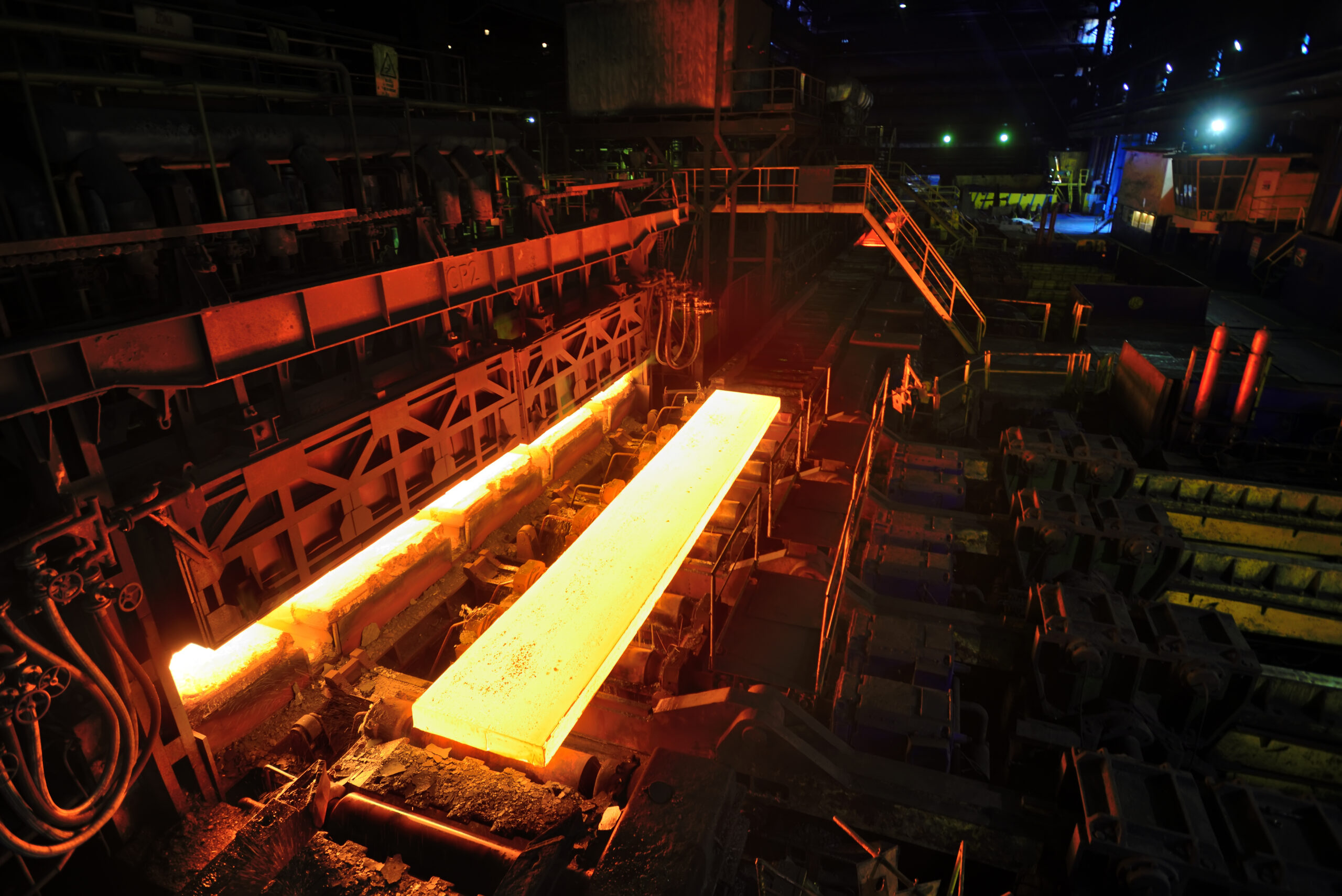
Detection form the above is difficult due to the presence of water and heavy steam formation. Spurious triggering was caused, which induced alignment errors. Infrared light at longer wavelength. High functional reserve : 1500meters. Easy alignment using 2 LED Home Case Studies Exit slab detection inside reheating furnace Exit slab detection inside reheating furnace Home Case Studies Pilger mill in tube rolling mills – hot and cold pipe detection Pilger mill in tube rolling mills – hot and cold pipe detection Reliable slab detection in extremely high temperature Higher functional reserve of 1500 m Robust stainless-steel housing Protective tube for water and heavy steam Easy alignment using 2 LEDs Challenges Detection form the above is difficult due to the presence of water and heavy steam formation. Spurious triggering was caused, which induced alignment errors. Water cooling was ineffective. Solution Proxitron Light barriers were installed for the slab detection, in compact version. The advantage are as follows:- Infrared light at longer wavelength High functional reserve : 1500meters Easy alignment using 2 LED Double walled water cooling (200 °C) Stainless steel housing Inbuilt cable protection Additional high temperature glass (290C) window easily replaceable to save the optic damage from flames, high temperature with water/moisture Products and Accessories Light Barriers Case Study Number TP3 Challenge The increasing flexibility of production lines requires a high adaptability of sensors. Continually changing object geometries, different temperatures and very high radiation or surrounding temperatures are no rarity. In a pilger mill those rough conditions can be found, among others in the production of seemless steel pipes. The raw steel blocks, each weighing a few tons are heated up first in a round oven at a temperature of 1300 °C. After descaling of the surface, the steel block is prepunched in a hole press with a strength from a converted 2000 t. In the next sloping rolling mill the growing pipe rotates between two rollers that are positioned at an angle to each other. The punching is widened to the size of the mandrel diameter. Previous solution / Competitor product N/A Solution The sensor that was installed at this application is the HMD OKA 2038.38 G with tube OL 19. The signal of the infrared sensors controls the movement of centering device and abutment. The point of view is restricted by the tube and prevents disturbances by steam in the cooling phase. An optimum adaptation to the operating conditions is given due to the adjustable response temperature. The HMD with self-learning response temperature (Auto-Teach function) is suited to continually changing conditions. The compact sensor with a stainless steel housing can withstand surrounding temperatures of up to 75° C. The use of a cooling jacket raises this up to 200° C. Alternatively sensors with fibre optic cables are available which permit an application at ambient temperatures up to 600° C without cooling. Customer Benefits Maintenance-free High temperature stability Recognition of hot objects at big distances Self adjustment with Auto-Teach or step switch for the response temperature Product Part number OKA 2038.38 G Brand Proxitron Accessories Piros swivel stand HM2 Tube OL 19 Pilot light unit (for alignment) DAK 308 + OL 26 Different cable lengths (e.g. 15 m) Customer Testimonial compared to previous solution or competition Case Studies Other Solutions in Hot Rolling Mills – Reheating Furnace View All