
Process: Hot Rolling Mill
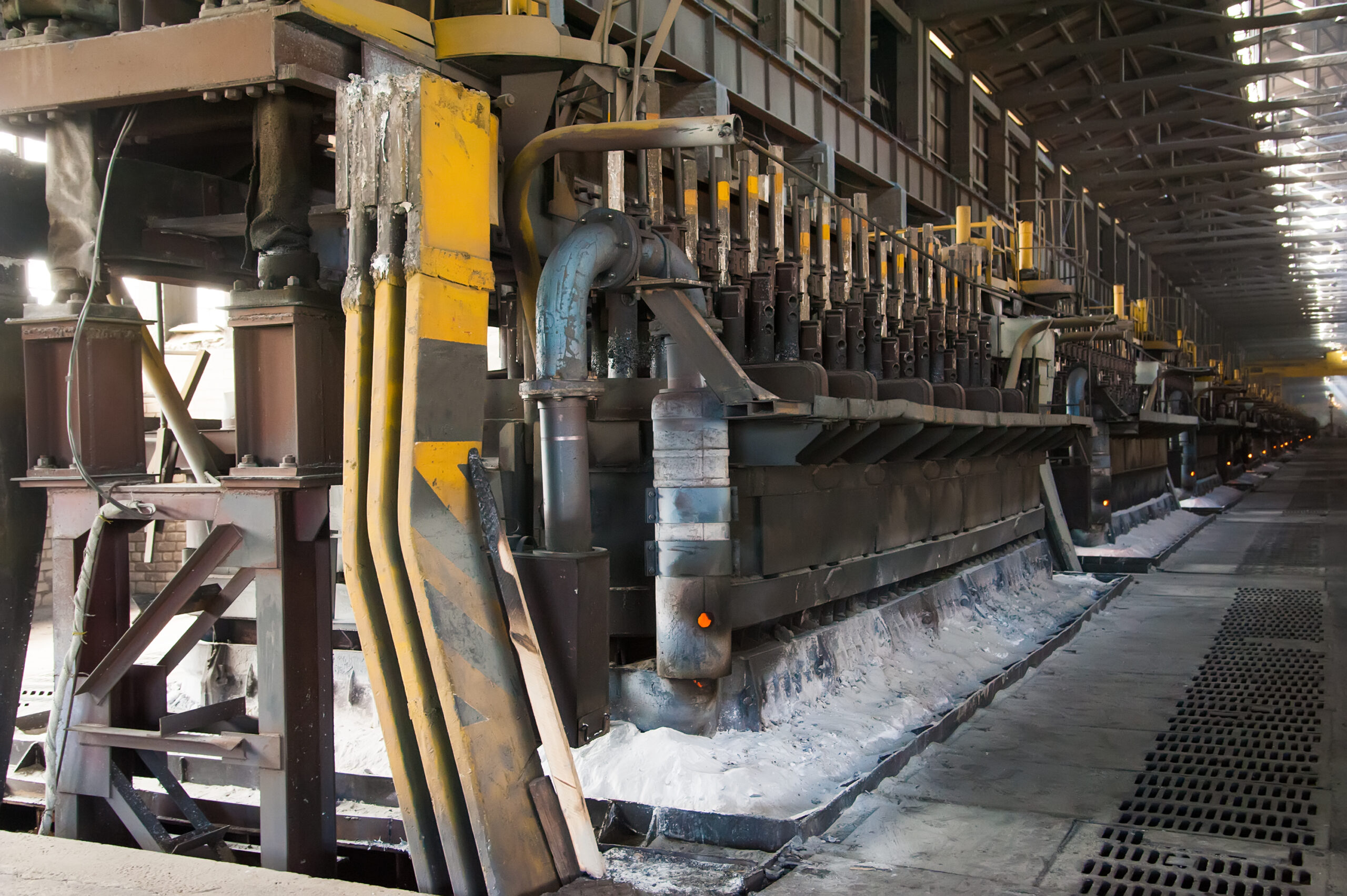
Temperature Measurement of Furnace | Crucible for Sand |Investment |Die |Billet (Ingot) Casting
Pyrometer was installed for furnace temperature measurement. Perfectly suitable for molten metal applications, it increased productivity, yield, and mold life. It provided precise temperature control. Home Case Studies Temperature Measurement of Furnace Crucible for Sand Investment Die Billet (Ingot) Casting Temperature Measurement of Furnace | Crucible for Sand | Investment| Die | Billet (Ingot) Casting Increase productivity: Furnace/ Tapping temperature of 1500⁰C. Pouring to mold within acceptable temperature limits Increased yield and increased mold life Overall product quality was improved with precise temperature control Challenges Temperature of the furnace / crucible needed to be measured Solution Portable Option and Fixed Type Options In order to accurate measure the temperature of the crucible, a portable / hand-help thermometer optris P20 05M or fixed infrared thermometer optris CTlaser 05M can be used. With a temperature range between 1,000°C and 2,000°C and spectral range of 525 nm both are ideally suited for molten metal applications Upto to 2,000 measured values can be saved on the portable device and a USB port can be used to transfer data to a computer. Analog output signal of 4-20mA. 4-6 m sensing distance 60-80° angle Peak hold function to see value on display Products and Accessories For molten metal temperature measurement For molten metal Case Study Number TP3 Challenge The increasing flexibility of production lines requires a high adaptability of sensors. Continually changing object geometries, different temperatures and very high radiation or surrounding temperatures are no rarity. In a pilger mill those rough conditions can be found, among others in the production of seemless steel pipes. The raw steel blocks, each weighing a few tons are heated up first in a round oven at a temperature of 1300 °C. After descaling of the surface, the steel block is prepunched in a hole press with a strength from a converted 2000 t. In the next sloping rolling mill the growing pipe rotates between two rollers that are positioned at an angle to each other. The punching is widened to the size of the mandrel diameter. Previous solution / Competitor product N/A Solution The sensor that was installed at this application is the HMD OKA 2038.38 G with tube OL 19. The signal of the infrared sensors controls the movement of centering device and abutment. The point of view is restricted by the tube and prevents disturbances by steam in the cooling phase. An optimum adaptation to the operating conditions is given due to the adjustable response temperature. The HMD with self-learning response temperature (Auto-Teach function) is suited to continually changing conditions. The compact sensor with a stainless steel housing can withstand surrounding temperatures of up to 75° C. The use of a cooling jacket raises this up to 200° C. Alternatively sensors with fibre optic cables are available which permit an application at ambient temperatures up to 600° C without cooling. Customer Benefits Maintenance-free High temperature stability Recognition of hot objects at big distances Self adjustment with Auto-Teach or step switch for the response temperature Product Part number OKA 2038.38 G Brand Proxitron Accessories Piros swivel stand HM2 Tube OL 19 Pilot light unit (for alignment) DAK 308 + OL 26 Different cable lengths (e.g. 15 m) Customer Testimonial compared to previous solution or competition Case Studies Other Solutions in Hot Rolling Mills Sample case study title lorem ipsum here Short description of the problem solved, maybe include the client name. READ MORE Sample case study title lorem ipsum here Short description of the problem solved, maybe include the client name. READ MORE Sample case study title lorem ipsum here Short description of the problem solved, maybe include the client name. READ MORE View All
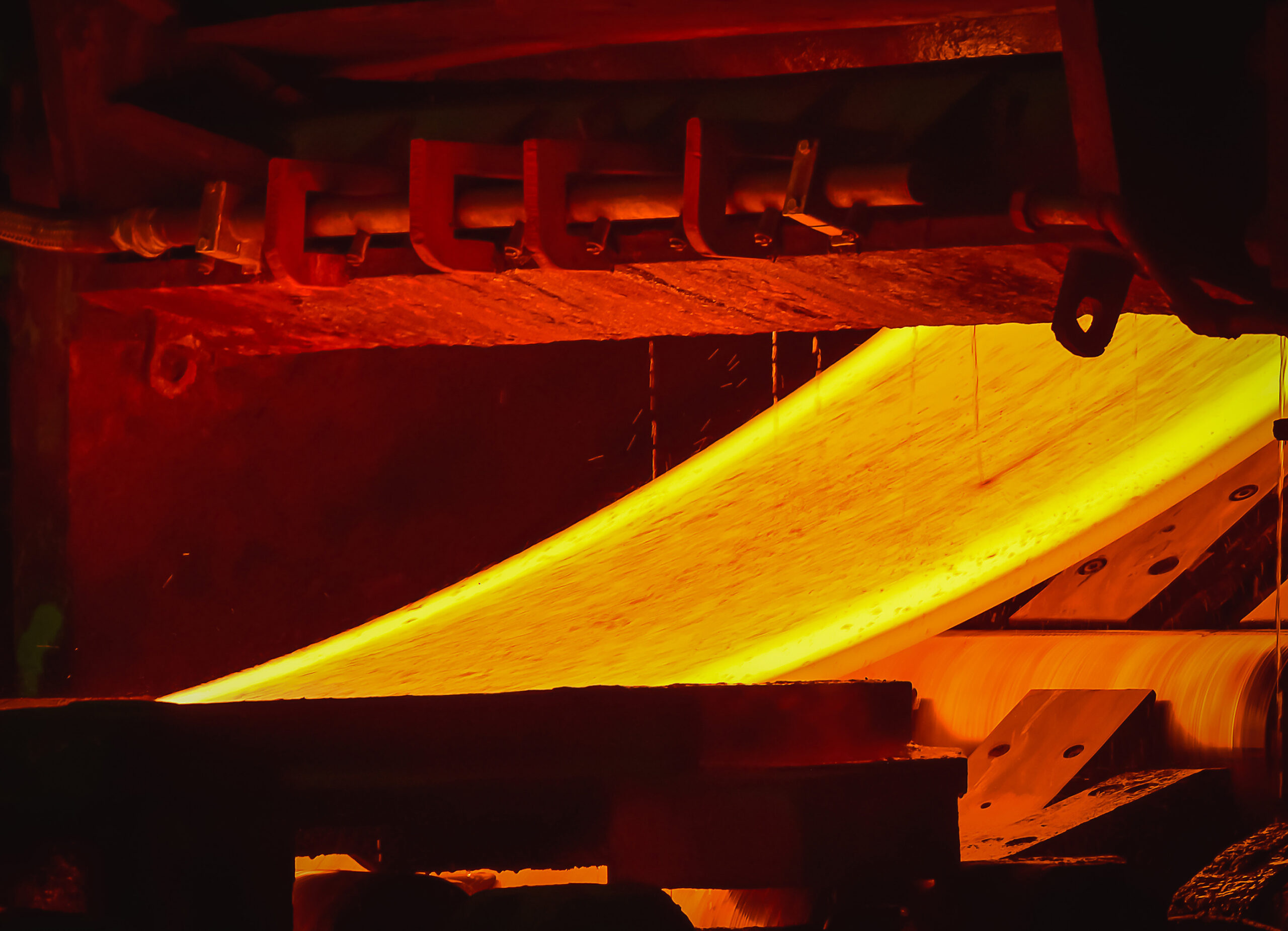
High Temperature sensing proximity for Hot Rot Mills
Robust proximity to withstand harsh ambient condition of high ambient temperature and presence of water spray. High temperature electronics to withstand harsh ambient temperature. Higher sensing distance to counter any mechanical plays. Cable protection to withstand temperature cycling causing cable cracking/ hardening. Home Case Studies High Temperature hrm High Temperature sensing proximity for Hot Rolling Mills Home Case Studies Pilger mill in tube rolling mills – hot and cold pipe detection Pilger mill in tube rolling mills – hot and cold pipe detection High temperature / sensing proximity can withstand high ambient temperatures Higher sensing distance to counter mechanical plays Challenges Harsh ambient condition of high ambient temperature and presence of water spray Solution 120|1000C: High temperature electronics to withstand harsh ambient temperature 15-40mm: Higher sensing distance to counter any mechanical plays. Silicon Cable: 1800C to withstand temperature cycling causing cable cracking/ hardening Cable protection: Protect against cable damage from fire, scales, sparks, radiation heat Products and Accessories Hot rolling mill proximity with conduit Cable Protection conduits Case Study Number TP3 Challenge The increasing flexibility of production lines requires a high adaptability of sensors. Continually changing object geometries, different temperatures and very high radiation or surrounding temperatures are no rarity. In a pilger mill those rough conditions can be found, among others in the production of seemless steel pipes. The raw steel blocks, each weighing a few tons are heated up first in a round oven at a temperature of 1300 °C. After descaling of the surface, the steel block is prepunched in a hole press with a strength from a converted 2000 t. In the next sloping rolling mill the growing pipe rotates between two rollers that are positioned at an angle to each other. The punching is widened to the size of the mandrel diameter. Previous solution / Competitor product N/A Solution The sensor that was installed at this application is the HMD OKA 2038.38 G with tube OL 19. The signal of the infrared sensors controls the movement of centering device and abutment. The point of view is restricted by the tube and prevents disturbances by steam in the cooling phase. An optimum adaptation to the operating conditions is given due to the adjustable response temperature. The HMD with self-learning response temperature (Auto-Teach function) is suited to continually changing conditions. The compact sensor with a stainless steel housing can withstand surrounding temperatures of up to 75° C. The use of a cooling jacket raises this up to 200° C. Alternatively sensors with fibre optic cables are available which permit an application at ambient temperatures up to 600° C without cooling. Customer Benefits Maintenance-free High temperature stability Recognition of hot objects at big distances Self adjustment with Auto-Teach or step switch for the response temperature Product Part number OKA 2038.38 G Brand Proxitron Accessories Piros swivel stand HM2 Tube OL 19 Pilot light unit (for alignment) DAK 308 + OL 26 Different cable lengths (e.g. 15 m) Customer Testimonial compared to previous solution or competition Case Studies Other Solutions in Hot Rolling Mills Sample case study title lorem ipsum here Short description of the problem solved, maybe include the client name. READ MORE Sample case study title lorem ipsum here Short description of the problem solved, maybe include the client name. READ MORE Sample case study title lorem ipsum here Short description of the problem solved, maybe include the client name. READ MORE View All
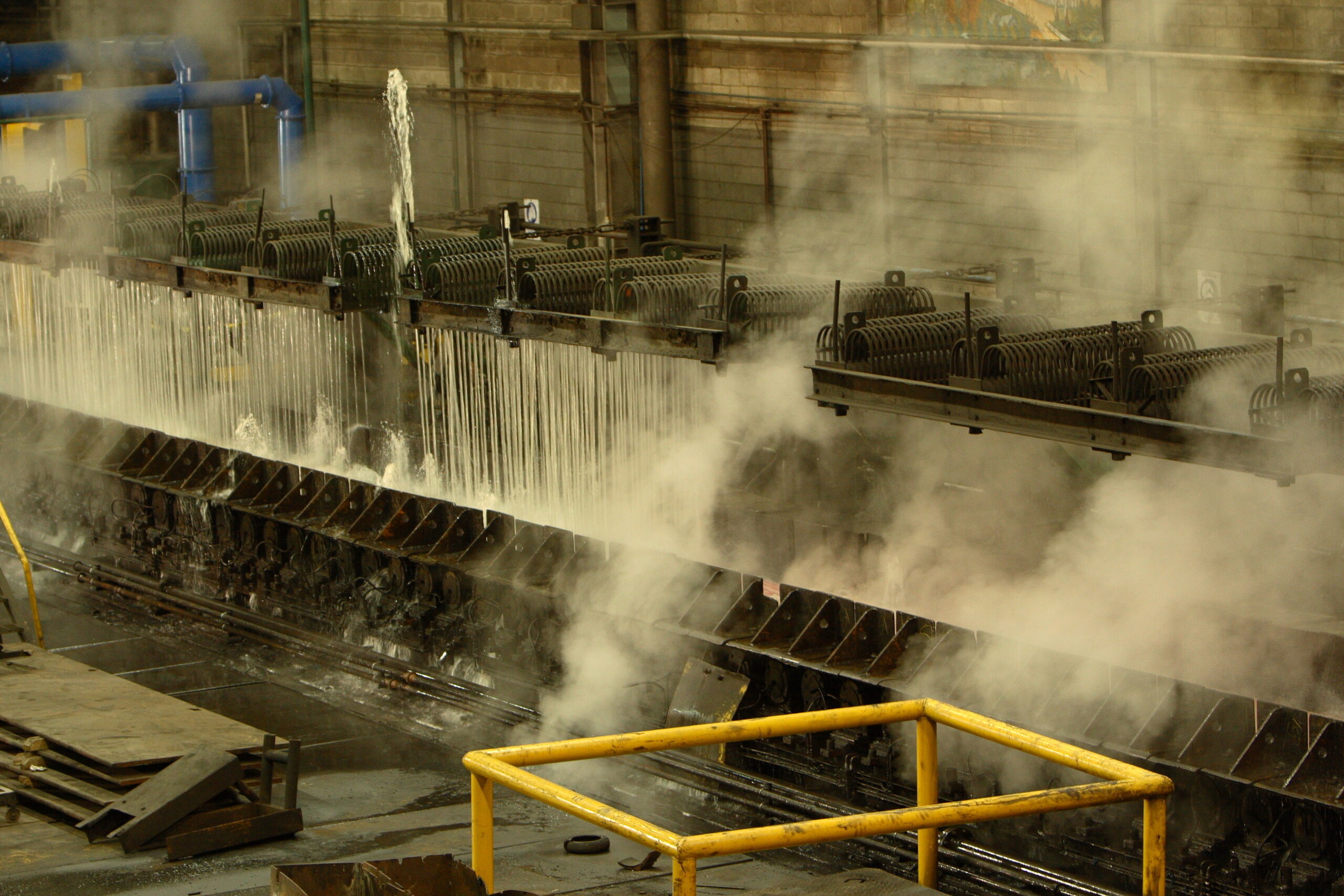
Measurement of Mandrel hydraulic expansion in Down Coiler
A compact inductive proximity sensor is used for the measurement of mandrel hydraulic expansion at the down coiler. The sensor provided reliable position signal irrespective of the environmental conditions. Benefits included repeat accuracy , optimal linearity and no interference from contaminants. Home Case Studies Measurement of Mandrel hydraulic expansion in Down Coiler Measurement of Mandrel hydraulic expansion in Down Coiler Home Case Studies Pilger mill in tube rolling mills – hot and cold pipe detection Pilger mill in tube rolling mills – hot and cold pipe detection Analog Proximity (4-20mA) Reliable in harsh environment with heat radiation, water, grease, chemical High repeat accuracy, optimal linearity Easy parameterization for analysis; unaffected by contamination Robust with sturdy stainless steel casing Challenges The sensor needed to operate in a very harsh environment with water, heat radiation, grease, etc. The requirement was to provide reliable position signal irrespective of the environmental conditions Existing solution had a poor performance to price ratio and with long lead delivery time Solution A compact inductive proximity sensor in stainless steel casing was installed for this application. With a sensing range of 0-120 mm the object distance is transferred via the analogous output – 0-10Vdc giving a 4-20mA output signal. With a protection rating of IP65 it is highly robust with sturdy stainless-steel casing and entirely casted μ-processor-electronics enabling efficient operations under rough ambient conditions and temperature range of -20 to 700C. It is provided with a 2x2m POKT Therm cable connection Products and Accessories Analog Inductive Sensor Case Study Number TP3 Challenge The increasing flexibility of production lines requires a high adaptability of sensors. Continually changing object geometries, different temperatures and very high radiation or surrounding temperatures are no rarity. In a pilger mill those rough conditions can be found, among others in the production of seemless steel pipes. The raw steel blocks, each weighing a few tons are heated up first in a round oven at a temperature of 1300 °C. After descaling of the surface, the steel block is prepunched in a hole press with a strength from a converted 2000 t. In the next sloping rolling mill the growing pipe rotates between two rollers that are positioned at an angle to each other. The punching is widened to the size of the mandrel diameter. Previous solution / Competitor product N/A Solution The sensor that was installed at this application is the HMD OKA 2038.38 G with tube OL 19. The signal of the infrared sensors controls the movement of centering device and abutment. The point of view is restricted by the tube and prevents disturbances by steam in the cooling phase. An optimum adaptation to the operating conditions is given due to the adjustable response temperature. The HMD with self-learning response temperature (Auto-Teach function) is suited to continually changing conditions. The compact sensor with a stainless steel housing can withstand surrounding temperatures of up to 75° C. The use of a cooling jacket raises this up to 200° C. Alternatively sensors with fibre optic cables are available which permit an application at ambient temperatures up to 600° C without cooling. Customer Benefits Maintenance-free High temperature stability Recognition of hot objects at big distances Self adjustment with Auto-Teach or step switch for the response temperature Product Part number OKA 2038.38 G Brand Proxitron Accessories Piros swivel stand HM2 Tube OL 19 Pilot light unit (for alignment) DAK 308 + OL 26 Different cable lengths (e.g. 15 m) Customer Testimonial compared to previous solution or competition Case Studies Other Solutions in Hot Rolling Mills Sample case study title lorem ipsum here Short description of the problem solved, maybe include the client name. READ MORE Sample case study title lorem ipsum here Short description of the problem solved, maybe include the client name. READ MORE Sample case study title lorem ipsum here Short description of the problem solved, maybe include the client name. READ MORE View All
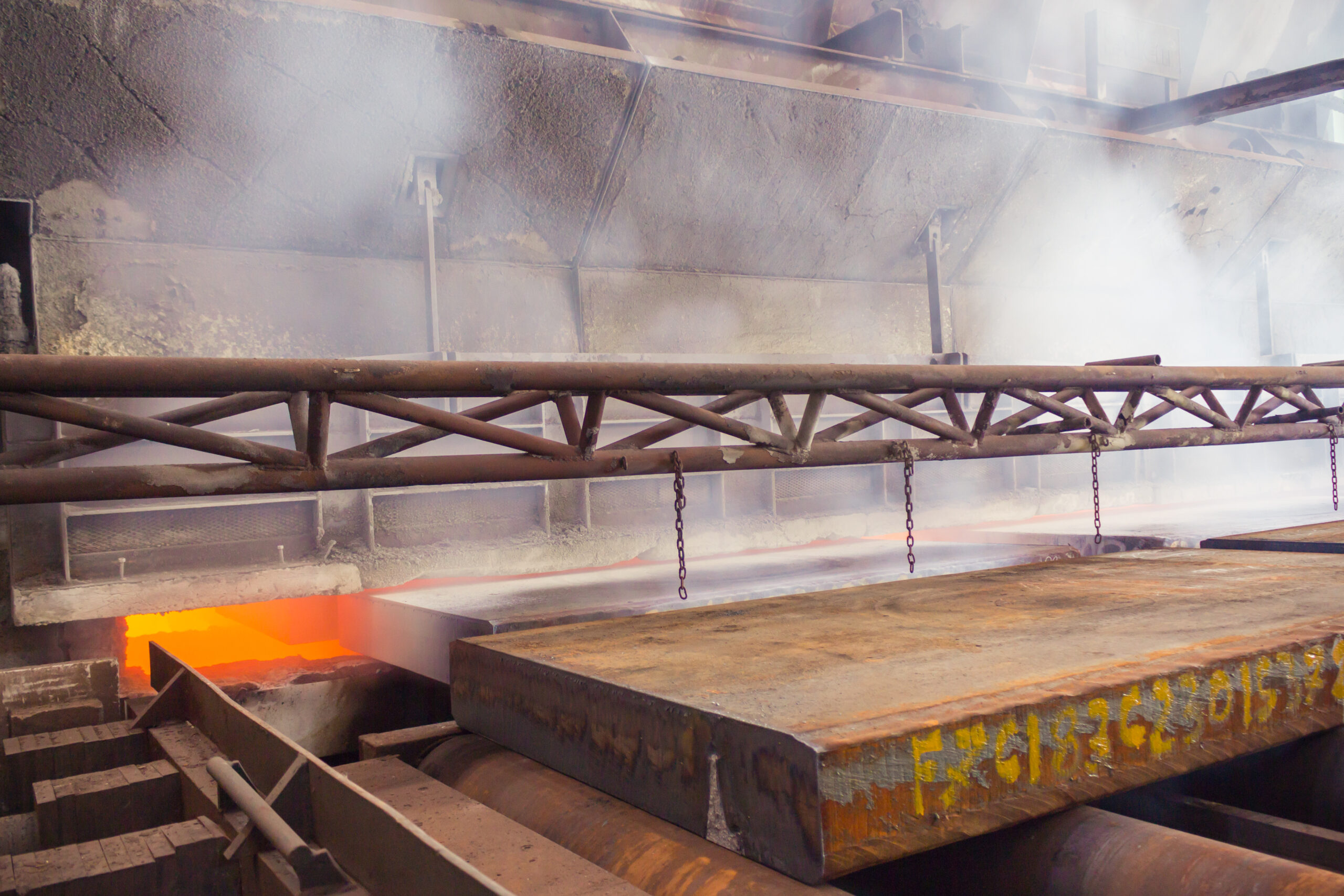
Slab Centering at Charging side
Home Case Studies Slab Centering at Charging side High ambient temperature IR Light Barrier / Photocell) is used for the detection of thin slabs inside the tunnel reheating furnace. The system with fiber optic cables (290⁰C ambient) and separate electronics is installed 2m away from the heat zone. This allowed the photocell to operate in ambient temperatures of 290⁰C without the need of any water cooling. Slab Centering at Charging side Home Case Studies Pilger mill in tube rolling mills – hot and cold pipe detection Pilger mill in tube rolling mills – hot and cold pipe detection Accurate performance in high ambient temperature up to 290 ⁰C High operating reserves 290°C ambient temperature without any water-cooling Unaffected by water vapor, smoke, dust Safe from leaking flames Challenges Furnace refractory deteriorates and creates hot spots causing signal fluctuation. Burner flames directly cause disturbances, leading to false triggering. Flames can get out of the furnace through sitting tube and damage the lens of the sensor. Breakdown due to slab pile up inside the furnace caused by false triggering of the photocell. Solution Light Barrier with high operating reserves enables keeping the photocell 30-40cm away from glass window saving it from any leaking flames. Photocell can operate in ambient temperature of 290⁰C without any water cooling. Electronics can be kept safely 2m|5m|10m away. The powerful infrared transmitter diodes create a large beam diameter that penetrate through water vapour, smoke and dust. Products and Accessories Light Barriers Case Study Number TP3 Challenge The increasing flexibility of production lines requires a high adaptability of sensors. Continually changing object geometries, different temperatures and very high radiation or surrounding temperatures are no rarity. In a pilger mill those rough conditions can be found, among others in the production of seemless steel pipes. The raw steel blocks, each weighing a few tons are heated up first in a round oven at a temperature of 1300 °C. After descaling of the surface, the steel block is prepunched in a hole press with a strength from a converted 2000 t. In the next sloping rolling mill the growing pipe rotates between two rollers that are positioned at an angle to each other. The punching is widened to the size of the mandrel diameter. Previous solution / Competitor product N/A Solution The sensor that was installed at this application is the HMD OKA 2038.38 G with tube OL 19. The signal of the infrared sensors controls the movement of centering device and abutment. The point of view is restricted by the tube and prevents disturbances by steam in the cooling phase. An optimum adaptation to the operating conditions is given due to the adjustable response temperature. The HMD with self-learning response temperature (Auto-Teach function) is suited to continually changing conditions. The compact sensor with a stainless steel housing can withstand surrounding temperatures of up to 75° C. The use of a cooling jacket raises this up to 200° C. Alternatively sensors with fibre optic cables are available which permit an application at ambient temperatures up to 600° C without cooling. Customer Benefits Maintenance-free High temperature stability Recognition of hot objects at big distances Self adjustment with Auto-Teach or step switch for the response temperature Product Part number OKA 2038.38 G Brand Proxitron Accessories Piros swivel stand HM2 Tube OL 19 Pilot light unit (for alignment) DAK 308 + OL 26 Different cable lengths (e.g. 15 m) Customer Testimonial compared to previous solution or competition Case Studies Other Solutions in Hot Rolling Mills -Reheating Furnance Sample case study title lorem ipsum here Short description of the problem solved, maybe include the client name. READ MORE Sample case study title lorem ipsum here Short description of the problem solved, maybe include the client name. READ MORE Sample case study title lorem ipsum here Short description of the problem solved, maybe include the client name. READ MORE View All
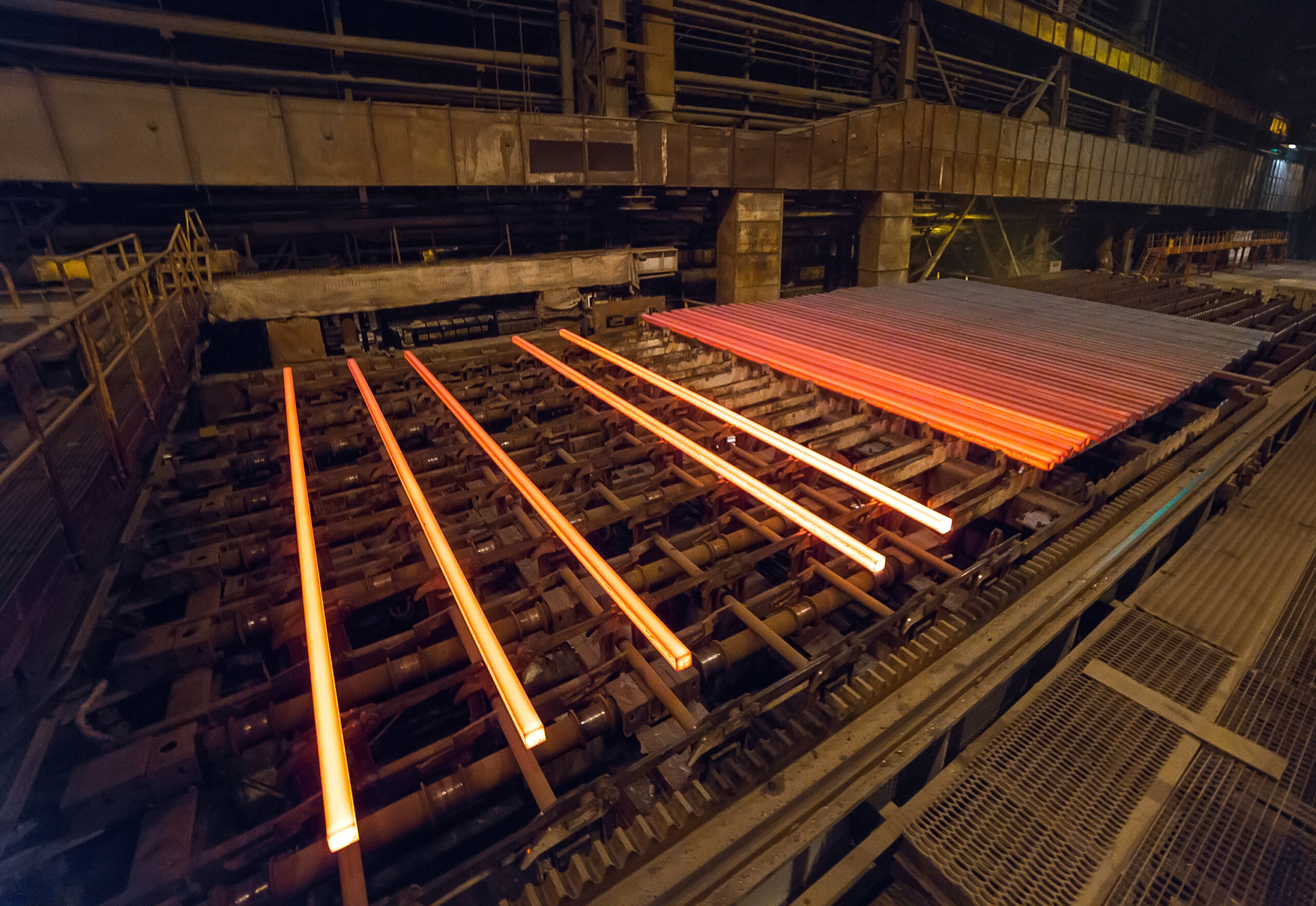
Ensuring uniform cooling on Cooling Bed for Billet | Bloom Caster
Home Case Studies Ensuring Uniform Cooling on Cooling Bed for Billet | Bloom Caster Ultra-compact infrared camera is used to monitor temperature profile of the bar at the cooling bed. high-performance sensor electronics allow a short reaction time of 1ms for the displaying of the temperature information of the center pixel. Ensuring Uniform Cooling on Cooling Bed for Billet | Bloom Caster Home Case Studies Pilger mill in tube rolling mills – hot and cold pipe detection Pilger mill in tube rolling mills – hot and cold pipe detection Non Contact Thermal Imaging Camera is used to increase yield and reduce maintainence costs Challenges In the cooling bed, it is critical that the entire length of the bar is cooled in a uniform manner. An optimized cooling rate ensures minimum distortion of the bars and results in high quality profiles and high throughput. High maintenance costs as it is not possible change wiring while furnace is in operation Solution In order to obtain the real time temperature profile of the billet/bloom, a thermal camera was installed. This ultra-compact infrared camera with its with high emissivity at the short measurement wavelength of 1μm is ideally suited for non-contact temperature measurements of metallic surfaces. System features Temperature range of 4500 C -18000C Resolution of 768*428 pixels Short measurement wavelength of 1µm 1Khz capture rate 4-20mA output signal Excel data logging and image capture (JPEG) In parallel with the visualization of a thermal process, the high-performance sensor electronics allow a short reaction time of 1ms for the displaying of the temperature information of the center pixel. Products and Accessories Thermal Imaging Camera Water Cooling Jacket Air Purge Unit Case Study Number TP3 Challenge The increasing flexibility of production lines requires a high adaptability of sensors. Continually changing object geometries, different temperatures and very high radiation or surrounding temperatures are no rarity. In a pilger mill those rough conditions can be found, among others in the production of seemless steel pipes. The raw steel blocks, each weighing a few tons are heated up first in a round oven at a temperature of 1300 °C. After descaling of the surface, the steel block is prepunched in a hole press with a strength from a converted 2000 t. In the next sloping rolling mill the growing pipe rotates between two rollers that are positioned at an angle to each other. The punching is widened to the size of the mandrel diameter. Previous solution / Competitor product N/A Solution The sensor that was installed at this application is the HMD OKA 2038.38 G with tube OL 19. The signal of the infrared sensors controls the movement of centering device and abutment. The point of view is restricted by the tube and prevents disturbances by steam in the cooling phase. An optimum adaptation to the operating conditions is given due to the adjustable response temperature. The HMD with self-learning response temperature (Auto-Teach function) is suited to continually changing conditions. The compact sensor with a stainless steel housing can withstand surrounding temperatures of up to 75° C. The use of a cooling jacket raises this up to 200° C. Alternatively sensors with fibre optic cables are available which permit an application at ambient temperatures up to 600° C without cooling. Customer Benefits Maintenance-free High temperature stability Recognition of hot objects at big distances Self adjustment with Auto-Teach or step switch for the response temperature Product Part number OKA 2038.38 G Brand Proxitron Accessories Piros swivel stand HM2 Tube OL 19 Pilot light unit (for alignment) DAK 308 + OL 26 Different cable lengths (e.g. 15 m) Customer Testimonial compared to previous solution or competition Case Studies Other Solutions in Hot Rolling Mills Sample case study title lorem ipsum here Short description of the problem solved, maybe include the client name. READ MORE Sample case study title lorem ipsum here Short description of the problem solved, maybe include the client name. READ MORE Sample case study title lorem ipsum here Short description of the problem solved, maybe include the client name. READ MORE View All
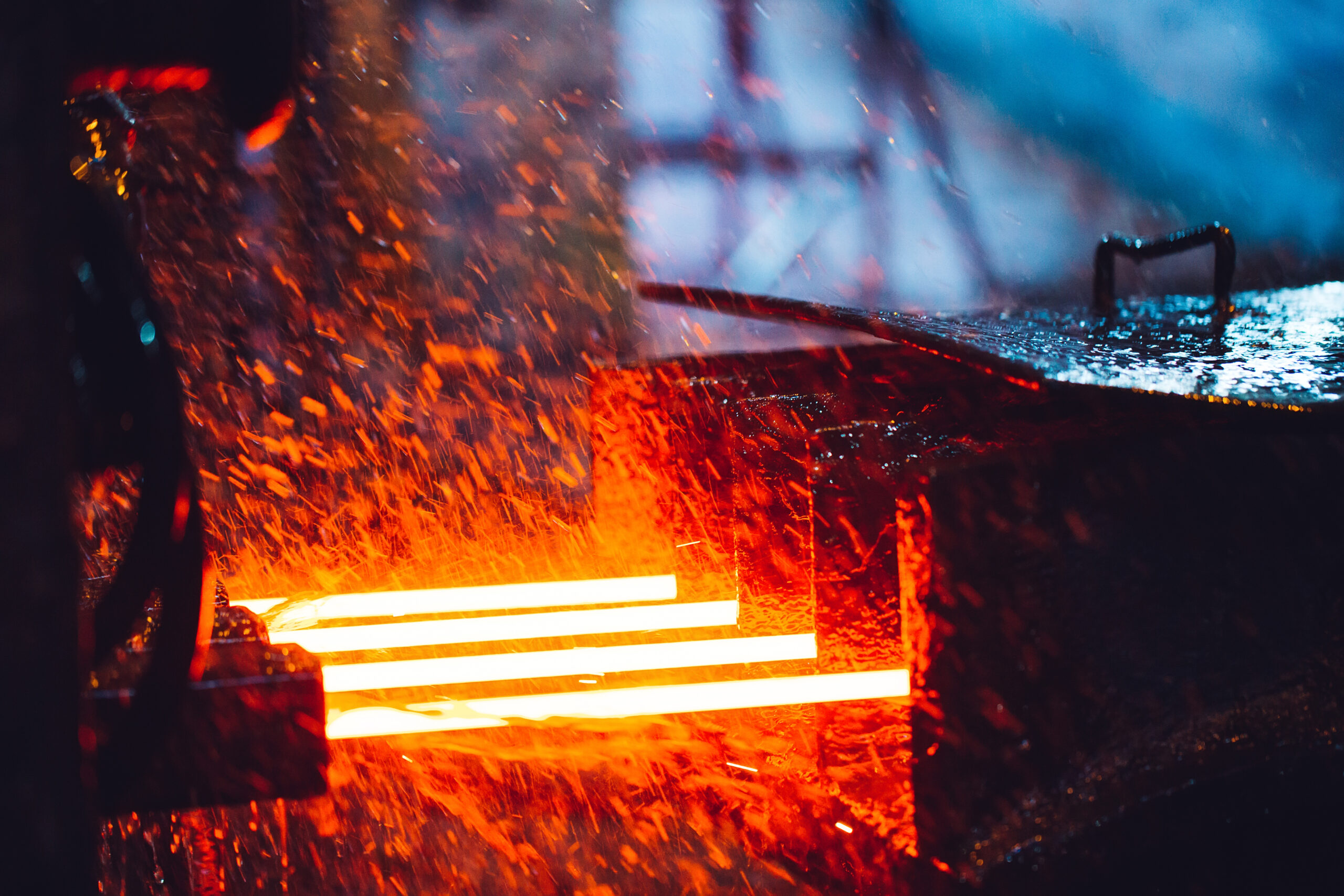
WRM:4-Strand Temperature & Detection with single thermal camera
Home Case Studies WRM: 4-Strand Temperature & Detection with single thermal camera WRM: 4-Strand Temperature Measurement & Detection with Thermal Imaging Camera High speed measurement: Infrared Camera at very fast speed of 1000hz frame rate Multiple strand measurement: One Thermal camera for all 4 strands Dual use: Temperature measurement and Hot Metal Detection Challenges The customer was facing the challenge of not being able to mount 4 HMDs in a single row. Additionally, the cost was prohibitive as one sensor was required for each strand of the hot wire. Solution One thermal imaging camera was used for the detection of all four strands This made it cost effective and allowed for ease of maintenance and no alignment issue Thermal Camera features included 4nos of Analog 4-20mA Excel data logging 315 C of ambient temperature 450-1800C 768*428 pixels1µm wavelength 1Khz capture rate Products and Accessories Thermal Imaging Camera Water Cooling Jacket for IR Camera Air Purge Unit Case Study Number TP3 Challenge The increasing flexibility of production lines requires a high adaptability of sensors. Continually changing object geometries, different temperatures and very high radiation or surrounding temperatures are no rarity. In a pilger mill those rough conditions can be found, among others in the production of seemless steel pipes. The raw steel blocks, each weighing a few tons are heated up first in a round oven at a temperature of 1300 °C. After descaling of the surface, the steel block is prepunched in a hole press with a strength from a converted 2000 t. In the next sloping rolling mill the growing pipe rotates between two rollers that are positioned at an angle to each other. The punching is widened to the size of the mandrel diameter. Previous solution / Competitor product N/A Solution The sensor that was installed at this application is the HMD OKA 2038.38 G with tube OL 19. The signal of the infrared sensors controls the movement of centering device and abutment. The point of view is restricted by the tube and prevents disturbances by steam in the cooling phase. An optimum adaptation to the operating conditions is given due to the adjustable response temperature. The HMD with self-learning response temperature (Auto-Teach function) is suited to continually changing conditions. The compact sensor with a stainless steel housing can withstand surrounding temperatures of up to 75° C. The use of a cooling jacket raises this up to 200° C. Alternatively sensors with fibre optic cables are available which permit an application at ambient temperatures up to 600° C without cooling. Customer Benefits Maintenance-free High temperature stability Recognition of hot objects at big distances Self adjustment with Auto-Teach or step switch for the response temperature Product Part number OKA 2038.38 G Brand Proxitron Accessories Piros swivel stand HM2 Tube OL 19 Pilot light unit (for alignment) DAK 308 + OL 26 Different cable lengths (e.g. 15 m) Customer Testimonial compared to previous solution or competition Case Studies Other Solutions in Hot Rolling Mills Sample case study title lorem ipsum here Short description of the problem solved, maybe include the client name. READ MORE Sample case study title lorem ipsum here Short description of the problem solved, maybe include the client name. READ MORE Sample case study title lorem ipsum here Short description of the problem solved, maybe include the client name. READ MORE View All Home Case Studies WRM: 4-Strand Temperature & Detection with single thermal camera