
Found 139 Results
Page 9 of 14
Page 9 of 14
Page 9 of 14
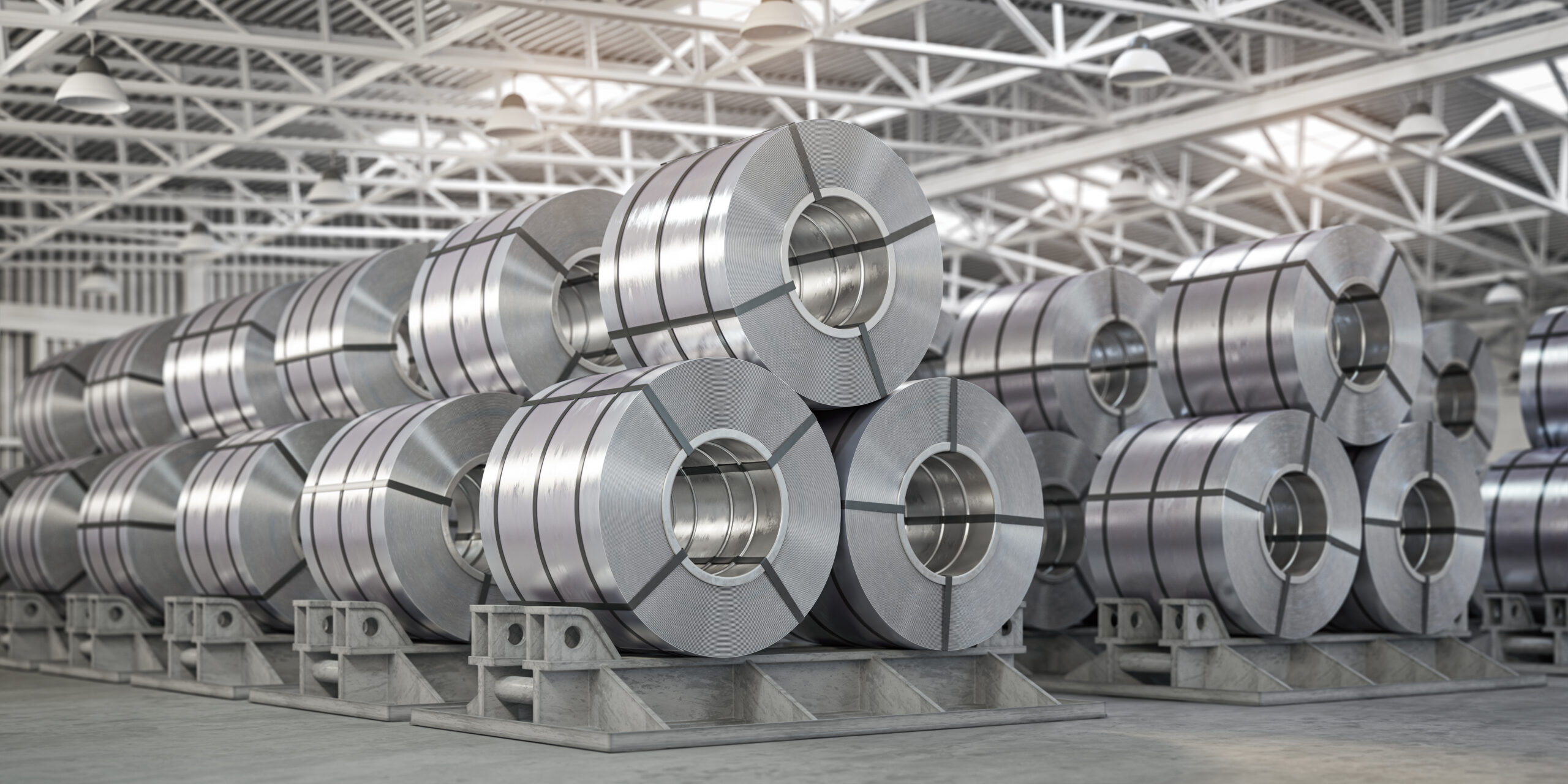
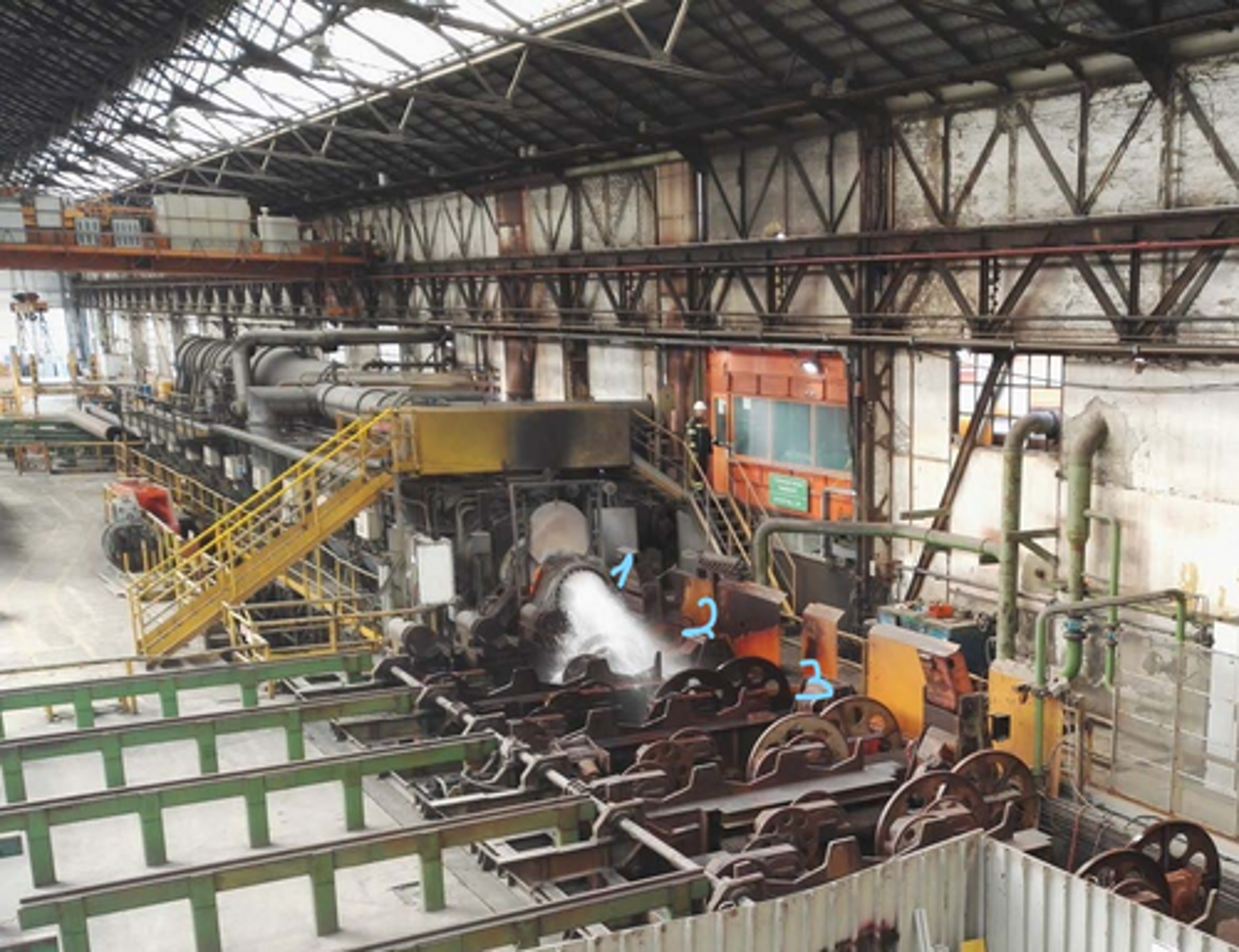
Air knife positioning system
Continuous high temperature poses serious challenges to the proximity. 70 °C proximity is unable to survive in this environment, and it fails. Proximity from Proxitron was used for the application of air knife positioning. Home Case Studies Air knife positioning Air knife positioning system Home Case Studies Pilger mill in tube rolling mills – hot and cold pipe detection Pilger mill in tube rolling mills – hot and cold pipe detection Efficient positioning Protective housing M30 diameter available for 100 °C and 120 °C High degree of protection Challenges Continuous high temperature poses serious challenges to the proximity. 70 °C proximity is unable to survive in this environment, and it fails. Solution Proximity from Proxitron was used for the application of air knife positioning. Products and Accessories Inductive Proximity Sensors Key Specifications Cable length: 2,5,10,15,20 m Cable MOC: Silicone cable No. of wires: 2-wire, 3-wire Housing (Ǿ): M30 available for 100 °C and 120 °C Cable conduit protection available (Pg X) Sn: 30 mm IP 68 Temp: -25 to +120 °C Supply voltage: 20-260 V AC/DC Case Study Number TP3 Challenge The increasing flexibility of production lines requires a high adaptability of sensors. Continually changing object geometries, different temperatures and very high radiation or surrounding temperatures are no rarity. In a pilger mill those rough conditions can be found, among others in the production of seemless steel pipes. The raw steel blocks, each weighing a few tons are heated up first in a round oven at a temperature of 1300 °C. After descaling of the surface, the steel block is prepunched in a hole press with a strength from a converted 2000 t. In the next sloping rolling mill the growing pipe rotates between two rollers that are positioned at an angle to each other. The punching is widened to the size of the mandrel diameter. Previous solution / Competitor product N/A Solution The sensor that was installed at this application is the HMD OKA 2038.38 G with tube OL 19. The signal of the infrared sensors controls the movement of centering device and abutment. The point of view is restricted by the tube and prevents disturbances by steam in the cooling phase. An optimum adaptation to the operating conditions is given due to the adjustable response temperature. The HMD with self-learning response temperature (Auto-Teach function) is suited to continually changing conditions. The compact sensor with a stainless steel housing can withstand surrounding temperatures of up to 75° C. The use of a cooling jacket raises this up to 200° C. Alternatively sensors with fibre optic cables are available which permit an application at ambient temperatures up to 600° C without cooling. Customer Benefits Maintenance-free High temperature stability Recognition of hot objects at big distances Self adjustment with Auto-Teach or step switch for the response temperature Product Part number OKA 2038.38 G Brand Proxitron Accessories Piros swivel stand HM2 Tube OL 19 Pilot light unit (for alignment) DAK 308 + OL 26 Different cable lengths (e.g. 15 m) Customer Testimonial compared to previous solution or competition Case Studies Other Solutions Sample case study title lorem ipsum here Short description of the problem solved, maybe include the client name. READ MORE Sample case study title lorem ipsum here Short description of the problem solved, maybe include the client name. READ MORE Sample case study title lorem ipsum here Short description of the problem solved, maybe include the client name. READ MORE View All
Tags: Air knife positioning, Cold Rolling, Processing Line, Proximity
September 22, 2021
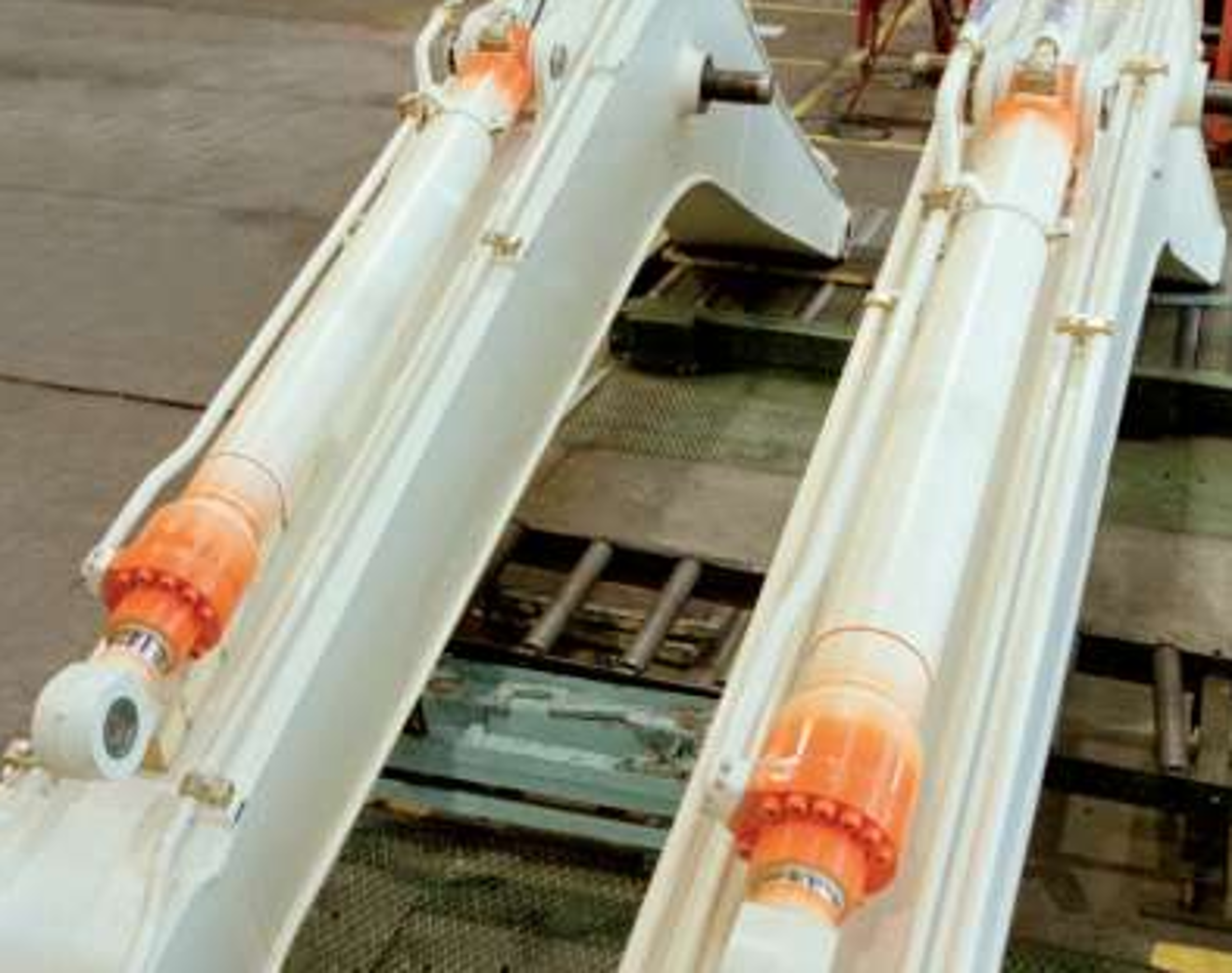
Reliable roll detection in aggressive environment
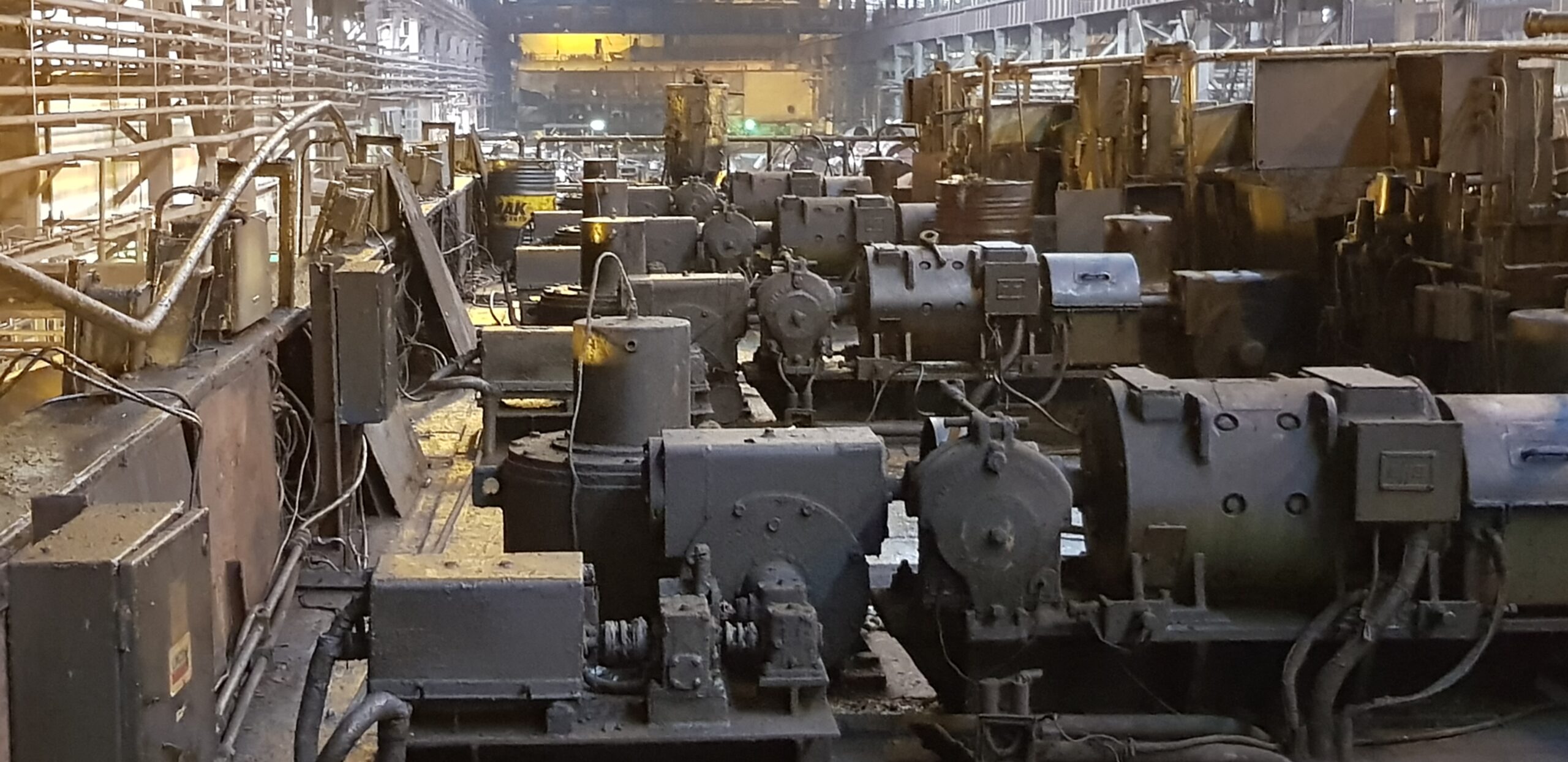
High demands are placed on the sensor since rolling emulsions are used for surface finishing. The environment is of very high ambient temperatures. PTFE does not allow water or chemical solvents to stick on its surface and has a high melting point of 423⁰ C. Both F/HF 2/3/4/W constructs with a wide sensing range and IP68 class protection. AC or DC supply input combinations of transistor or relay outputs available. Home Case Studies Reliable Roll Detection in Aggressive Environment Reliable Roll Detection in Aggressive Environment Home Case Studies Pilger mill in tube rolling mills – hot and cold pipe detection Pilger mill in tube rolling mills – hot and cold pipe detection Field-proven proximity performance in aggressive emulsions conditions in CRM mill Reliable detection of lock /unlock position of the back-up, work and intermediate rolls Increase mill availability as proximity are maintenance-free reducing downtime Resistant against emulsions , lubricants, coolants, water jets, dust and dirt Chemical solvents or water stuck on the surface, affecting output and efficiency. Challenges Frequent proximity failures leading massive production downtime. With grease accumulation, the standard 15mm sensing distance was not sufficient after 3months High ambient temperatures inside the mill housing combined with aggressive emulsions Normal PVC cable cracking after 3-months inside mill housing. The PTFE housing is resistant to greases, oils and acids Field proven Performance End-User: PLTCM / reversing cold rolling mills at Tata, JSW, SAIL,AMNS. OEM: Primetals preferred choice for upgrade of CRM-1 at JSW Bellary was Proxitron Solution PTFE single piece housing is resistant to greases, oils and acids, e.g. in cold rolling operations. 19-25mm large sensing distance available 100 |120 °C high temperature electronics 260°C cable excellent resistance to acids, varnishes, oils, hydraulic fluids etc., hardly inflammable, low water absorption, weather and ozone resistant. Special connection cable to prevent emulsion entering the housing/ electronics. Universal supply voltage (20-240VAC/DC) available with combinations of transistor or relay outputs. Products and Accessories Cold rolling mill proximity Key Specifications Sn: 19-35 mm IP: IP 68/69K Temp: 70|100|120 °C Supply voltage: 20-260 V AC/DC Cable length: 2,5,10,15,20 m # wires: 2-wire, 3-wire Housing (Ǿ): M32, M35 Case Study Number TP3 Challenge The increasing flexibility of production lines requires a high adaptability of sensors. Continually changing object geometries, different temperatures and very high radiation or surrounding temperatures are no rarity. In a pilger mill those rough conditions can be found, among others in the production of seemless steel pipes. The raw steel blocks, each weighing a few tons are heated up first in a round oven at a temperature of 1300 °C. After descaling of the surface, the steel block is prepunched in a hole press with a strength from a converted 2000 t. In the next sloping rolling mill the growing pipe rotates between two rollers that are positioned at an angle to each other. The punching is widened to the size of the mandrel diameter. Previous solution / Competitor product N/A Solution The sensor that was installed at this application is the HMD OKA 2038.38 G with tube OL 19. The signal of the infrared sensors controls the movement of centering device and abutment. The point of view is restricted by the tube and prevents disturbances by steam in the cooling phase. An optimum adaptation to the operating conditions is given due to the adjustable response temperature. The HMD with self-learning response temperature (Auto-Teach function) is suited to continually changing conditions. The compact sensor with a stainless steel housing can withstand surrounding temperatures of up to 75° C. The use of a cooling jacket raises this up to 200° C. Alternatively sensors with fibre optic cables are available which permit an application at ambient temperatures up to 600° C without cooling. Customer Benefits Maintenance-free High temperature stability Recognition of hot objects at big distances Self adjustment with Auto-Teach or step switch for the response temperature Product Part number OKA 2038.38 G Brand Proxitron Accessories Piros swivel stand HM2 Tube OL 19 Pilot light unit (for alignment) DAK 308 + OL 26 Different cable lengths (e.g. 15 m) Customer Testimonial compared to previous solution or competition Case Studies Other Solutions Sample case study title lorem ipsum here Short description of the problem solved, maybe include the client name. READ MORE Sample case study title lorem ipsum here Short description of the problem solved, maybe include the client name. READ MORE Sample case study title lorem ipsum here Short description of the problem solved, maybe include the client name. READ MORE View All
Tags: Cold Rolling, Mill Stand, Proximity, Teflon
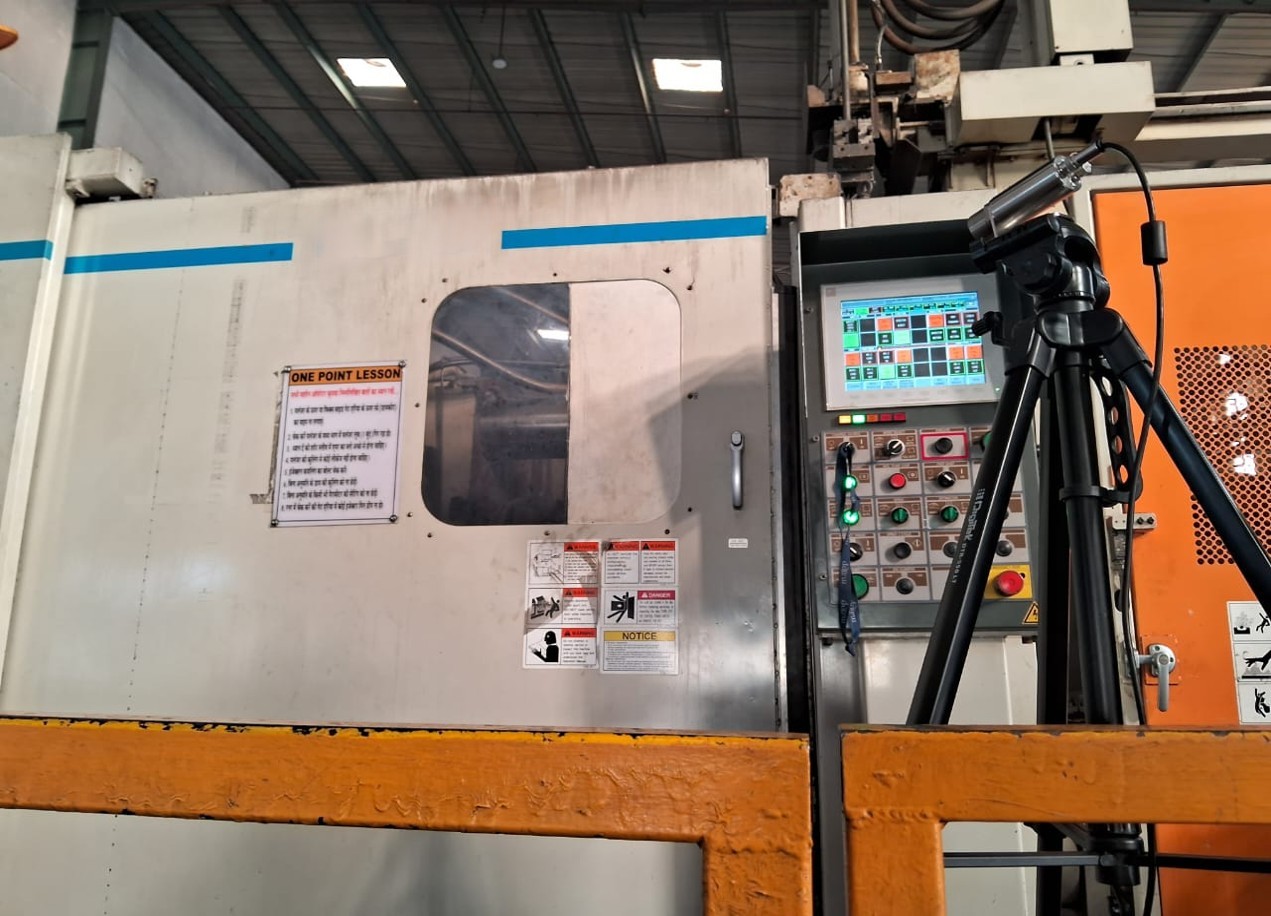
Automation Crane Coil Grab / Coil Tong
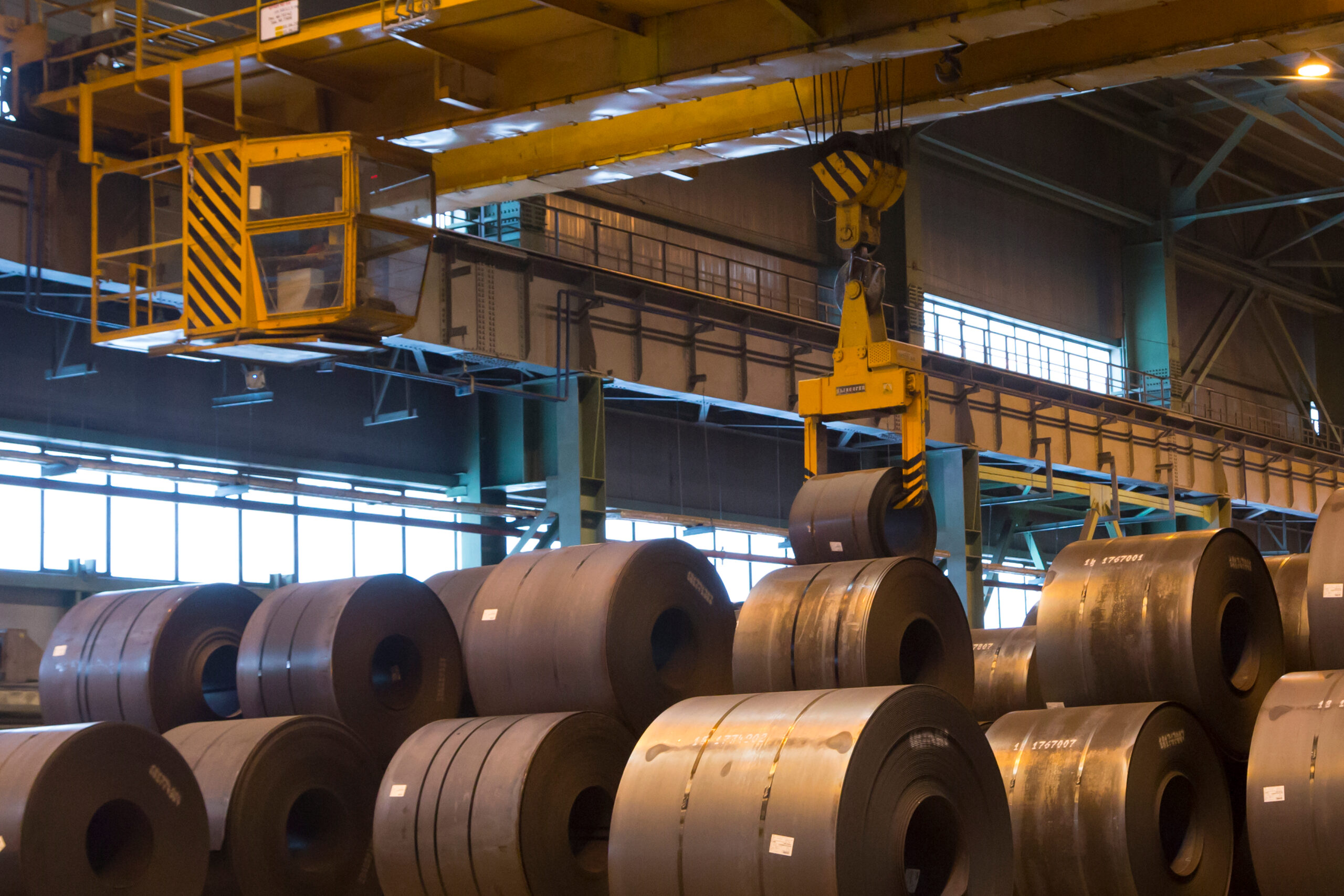
To automate a coil tong, light barriers should be mounted on the lower end of the gripper to safely detect the hole in the coil. The coils can be sometimes up to 600 °C hot. For each coil tong, three light barriers are needed to detect the lower edge and the right and left edges of the hole in the coil. Only if all three light barriers are not occupied may the coil tong close. Due to the coil temperature no standard photocells can be used. There is no space on the gripper for large photoelectric sensors. Home Case Studies Automation Crane Coil Grab / Coil Tong Automation Crane Coil Grab / Coil Tong Home Case Studies Pilger mill in tube rolling mills – hot and cold pipe detection Pilger mill in tube rolling mills – hot and cold pipe detection No cooling of the light barrier necessary: The high functional reserve of the light barrier enables operation even with heavy contamination Challenges To automate a coil tong, light barriers should be mounted on the lower end of the gripper to safely detect the hole in the coil. The coils can be sometimes up to 600 °C hot. For each coil tong, three light barriers are needed to detect the lower edge and the right and left edges of the hole in the coil. Only if all three light barriers are not occupied may the coil tong close. Due to the coil temperature no standard photocells can be used. There is no space on the gripper for large photoelectric sensors. Solution No cooling of the light barrier necessary. The high functional reserve of the light barrier enables operation even with heavy contamination. Products and Accessories Thru beam in high ambient environment without water cooling Case Study Number TP3 Challenge The increasing flexibility of production lines requires a high adaptability of sensors. Continually changing object geometries, different temperatures and very high radiation or surrounding temperatures are no rarity. In a pilger mill those rough conditions can be found, among others in the production of seemless steel pipes. The raw steel blocks, each weighing a few tons are heated up first in a round oven at a temperature of 1300 °C. After descaling of the surface, the steel block is prepunched in a hole press with a strength from a converted 2000 t. In the next sloping rolling mill the growing pipe rotates between two rollers that are positioned at an angle to each other. The punching is widened to the size of the mandrel diameter. Previous solution / Competitor product N/A Solution The sensor that was installed at this application is the HMD OKA 2038.38 G with tube OL 19. The signal of the infrared sensors controls the movement of centering device and abutment. The point of view is restricted by the tube and prevents disturbances by steam in the cooling phase. An optimum adaptation to the operating conditions is given due to the adjustable response temperature. The HMD with self-learning response temperature (Auto-Teach function) is suited to continually changing conditions. The compact sensor with a stainless steel housing can withstand surrounding temperatures of up to 75° C. The use of a cooling jacket raises this up to 200° C. Alternatively sensors with fibre optic cables are available which permit an application at ambient temperatures up to 600° C without cooling. Customer Benefits Maintenance-free High temperature stability Recognition of hot objects at big distances Self adjustment with Auto-Teach or step switch for the response temperature Product Part number OKA 2038.38 G Brand Proxitron Accessories Piros swivel stand HM2 Tube OL 19 Pilot light unit (for alignment) DAK 308 + OL 26 Different cable lengths (e.g. 15 m) Customer Testimonial compared to previous solution or competition Case Studies Other Solutions Sample case study title lorem ipsum here Short description of the problem solved, maybe include the client name. READ MORE Sample case study title lorem ipsum here Short description of the problem solved, maybe include the client name. READ MORE Sample case study title lorem ipsum here Short description of the problem solved, maybe include the client name. READ MORE View All
Tags: Cold Rolling, Crane, Finishing Mill, Mill Stand
Infrared Heating : Profile temperature measurement
IR heating take place inside of closed chamber. For safety precautions it is recommended to keep chamber must be sealed to avoid the IR leakage. Dual Laser pointed IR sensor (Pyrometers) provides widest temperature measuring range and special spectral range 1.6µm. Home Case Studies Infrared Heating : Profile temperature measurement Infrared Heating : Profile temperature measurement Home Case Studies Pilger mill in tube rolling mills – hot and cold pipe detection Pilger mill in tube rolling mills – hot and cold pipe detection Infrared Heating : Profile temperature measurement IR heating Chamber : IR heaters Specialized to metal application 1.6 µm Wide temperature range : 385 to 1600°C Precise measurement quick response time 1 ms Robust stainless steel housing and sighting double laser Challenges IR heating take place inside of closed chamber. For safety precautions it is recommended to keep chamber must be sealed to avoid the IR leakage. It is not feasible to align on target and measure temperature by sighting thru cavity. Solution Dual Laser pointed IR sensor (Pyrometers). Widest temperature measuring range and special spectral range 1.6µm. Combination of precise analog output (4-20mA) and digital outputs can be additional benefit to customer. Water cooling Jacket 175°C Air purging USB/ RS232/ RS485/ Ethernet Products and Accessories Next Generation Pyrometer: Dirt & Steam Resistant, for high ambient environment Accesories Case Study Number TP3 Challenge The increasing flexibility of production lines requires a high adaptability of sensors. Continually changing object geometries, different temperatures and very high radiation or surrounding temperatures are no rarity. In a pilger mill those rough conditions can be found, among others in the production of seemless steel pipes. The raw steel blocks, each weighing a few tons are heated up first in a round oven at a temperature of 1300 °C. After descaling of the surface, the steel block is prepunched in a hole press with a strength from a converted 2000 t. In the next sloping rolling mill the growing pipe rotates between two rollers that are positioned at an angle to each other. The punching is widened to the size of the mandrel diameter. Previous solution / Competitor product N/A Solution The sensor that was installed at this application is the HMD OKA 2038.38 G with tube OL 19. The signal of the infrared sensors controls the movement of centering device and abutment. The point of view is restricted by the tube and prevents disturbances by steam in the cooling phase. An optimum adaptation to the operating conditions is given due to the adjustable response temperature. The HMD with self-learning response temperature (Auto-Teach function) is suited to continually changing conditions. The compact sensor with a stainless steel housing can withstand surrounding temperatures of up to 75° C. The use of a cooling jacket raises this up to 200° C. Alternatively sensors with fibre optic cables are available which permit an application at ambient temperatures up to 600° C without cooling. Customer Benefits Maintenance-free High temperature stability Recognition of hot objects at big distances Self adjustment with Auto-Teach or step switch for the response temperature Product Part number OKA 2038.38 G Brand Proxitron Accessories Piros swivel stand HM2 Tube OL 19 Pilot light unit (for alignment) DAK 308 + OL 26 Different cable lengths (e.g. 15 m) Customer Testimonial compared to previous solution or competition Case Studies Other Solutions in Casting and Forging Sample case study title lorem ipsum here Short description of the problem solved, maybe include the client name. READ MORE Sample case study title lorem ipsum here Short description of the problem solved, maybe include the client name. READ MORE Sample case study title lorem ipsum here Short description of the problem solved, maybe include the client name. READ MORE View All
Tags: Foundry, Pouring Temperature
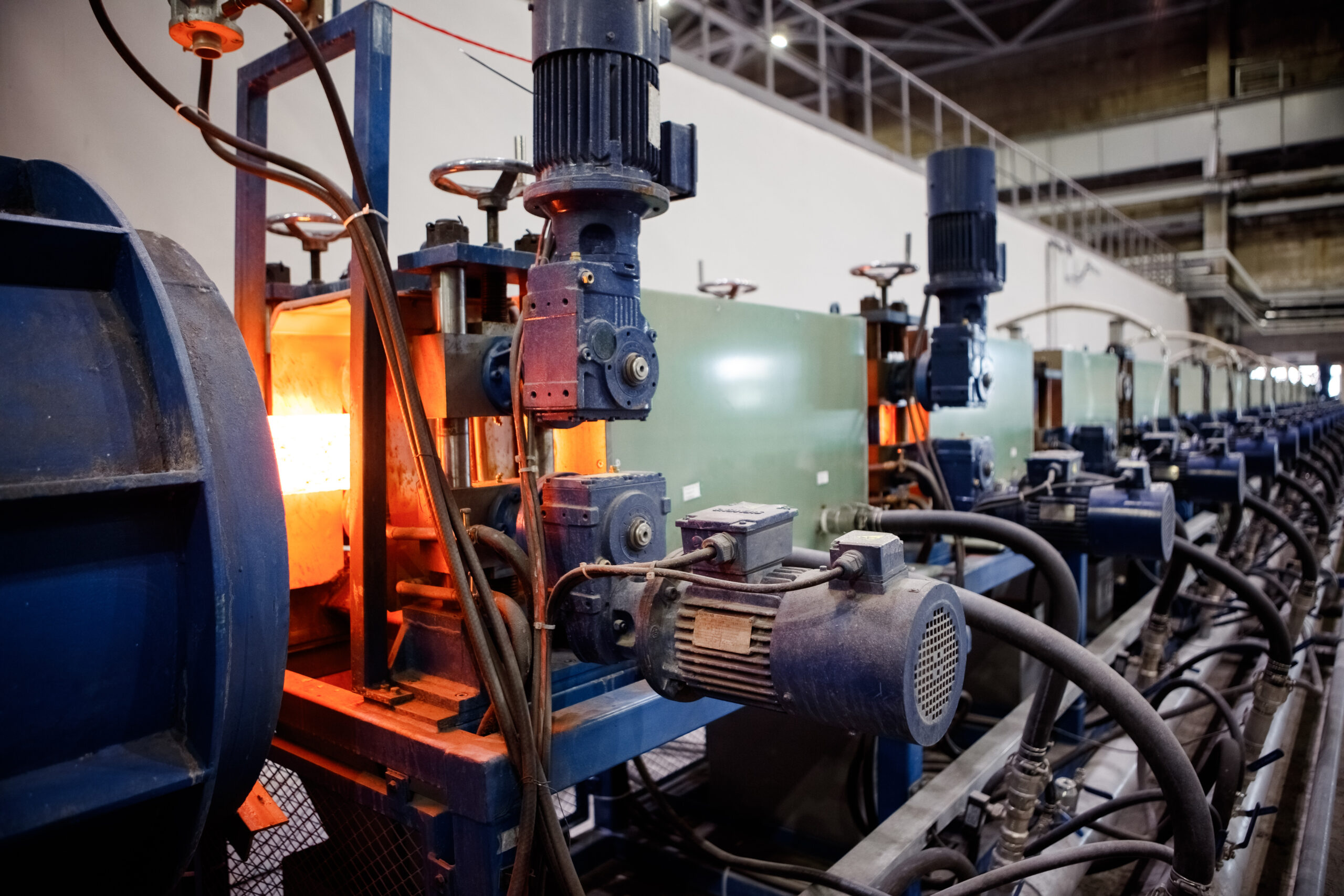
Ratio Pyrometer for Vertical Billet Induction Heating Machine
Ratio technology resistant to dust/ dirty windows. Electronic were 3mtrs away from induction coil to minimize the impact of EMC interferences. 200 degrees C ambient temperature without any cooling. M18 compact space saving installations. Dual output (4-20mA) for controller and display Home Case Studies Ratio Pyrometer for Vertical Billet Induction Heating Machine Ratio Pyrometer for Vertical Billet Induction Heating Machine Home Case Studies Pilger mill in tube rolling mills – hot and cold pipe detection Pilger mill in tube rolling mills – hot and cold pipe detection Induction Heating : Billet Re heating Process Ratio Technology – resistant against dust, steam and dirty glass window Wide temperature measurement range : 250 to 3000°C Sensing head with Ambient up to 315°C FO Cable with stainless steel sleeve, avoids EMC interferences in measurement Challenges Error in measurement due to high dust, steam and dirty windows. High EMC interferences due to induction coils High ambient temperature at place of installation Space saving design required due to limited installation space Solution Ratio technology resistant to dust/ dirty windows Electronic were 3mtrs away from induction coil to minimise the impact of EMC interreferences 200 degrees C ambient temperature without any cooling M18 compact space saving installations Dual output (4-20mA) for controller and display Products and Accessories Next Generation Pyrometer: Dirt & Steam Resistant, for high ambient environment Other Solutions for Molten Metal Case Study Number TP3 Challenge The increasing flexibility of production lines requires a high adaptability of sensors. Continually changing object geometries, different temperatures and very high radiation or surrounding temperatures are no rarity. In a pilger mill those rough conditions can be found, among others in the production of seemless steel pipes. The raw steel blocks, each weighing a few tons are heated up first in a round oven at a temperature of 1300 °C. After descaling of the surface, the steel block is prepunched in a hole press with a strength from a converted 2000 t. In the next sloping rolling mill the growing pipe rotates between two rollers that are positioned at an angle to each other. The punching is widened to the size of the mandrel diameter. Previous solution / Competitor product N/A Solution The sensor that was installed at this application is the HMD OKA 2038.38 G with tube OL 19. The signal of the infrared sensors controls the movement of centering device and abutment. The point of view is restricted by the tube and prevents disturbances by steam in the cooling phase. An optimum adaptation to the operating conditions is given due to the adjustable response temperature. The HMD with self-learning response temperature (Auto-Teach function) is suited to continually changing conditions. The compact sensor with a stainless steel housing can withstand surrounding temperatures of up to 75° C. The use of a cooling jacket raises this up to 200° C. Alternatively sensors with fibre optic cables are available which permit an application at ambient temperatures up to 600° C without cooling. Customer Benefits Maintenance-free High temperature stability Recognition of hot objects at big distances Self adjustment with Auto-Teach or step switch for the response temperature Product Part number OKA 2038.38 G Brand Proxitron Accessories Piros swivel stand HM2 Tube OL 19 Pilot light unit (for alignment) DAK 308 + OL 26 Different cable lengths (e.g. 15 m) Customer Testimonial compared to previous solution or competition Case Studies Other Solutions in Casting and Forging Sample case study title lorem ipsum here Short description of the problem solved, maybe include the client name. READ MORE Sample case study title lorem ipsum here Short description of the problem solved, maybe include the client name. READ MORE Sample case study title lorem ipsum here Short description of the problem solved, maybe include the client name. READ MORE View All
Tags: Foundry, Pouring Temperature
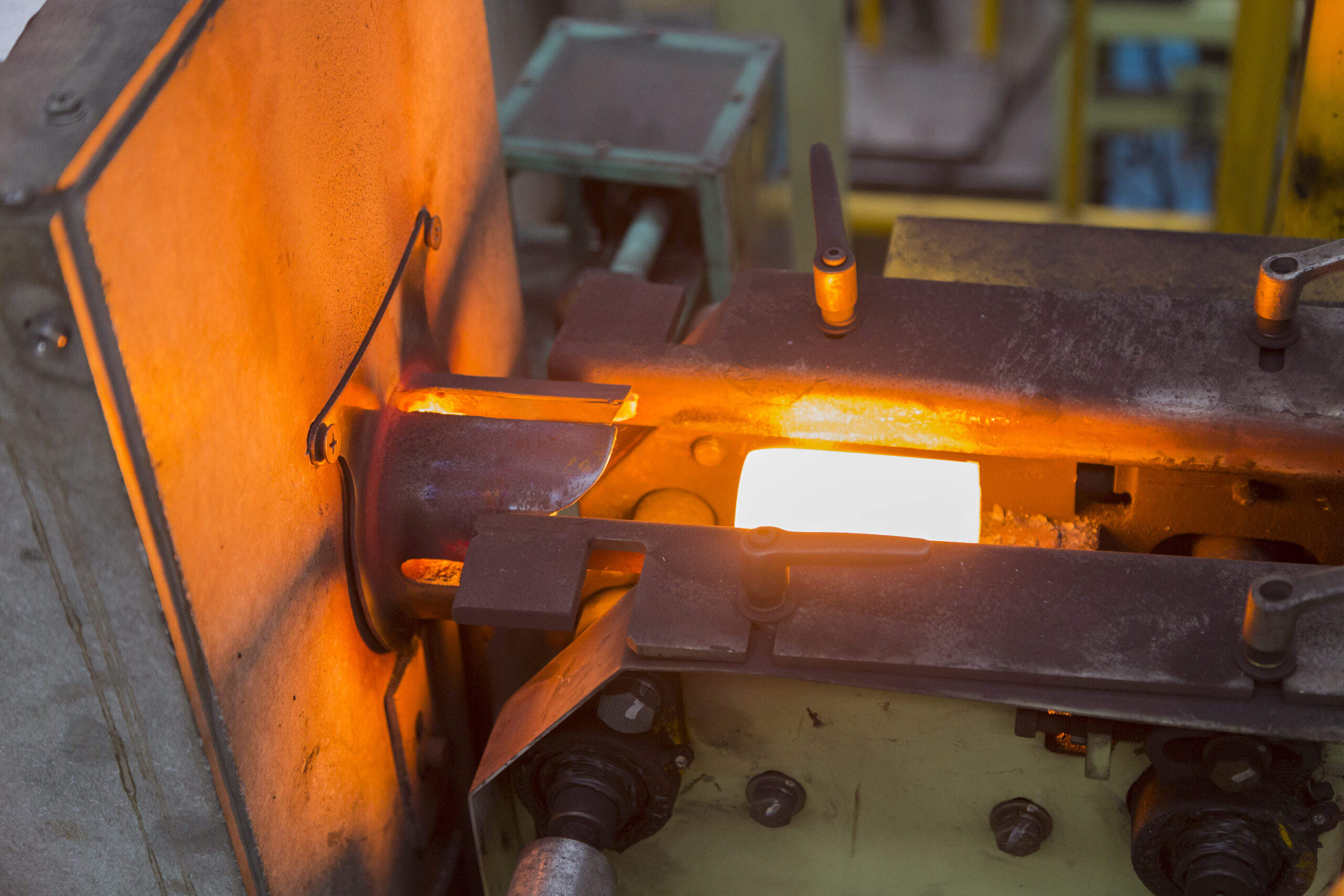
Open Die Forging
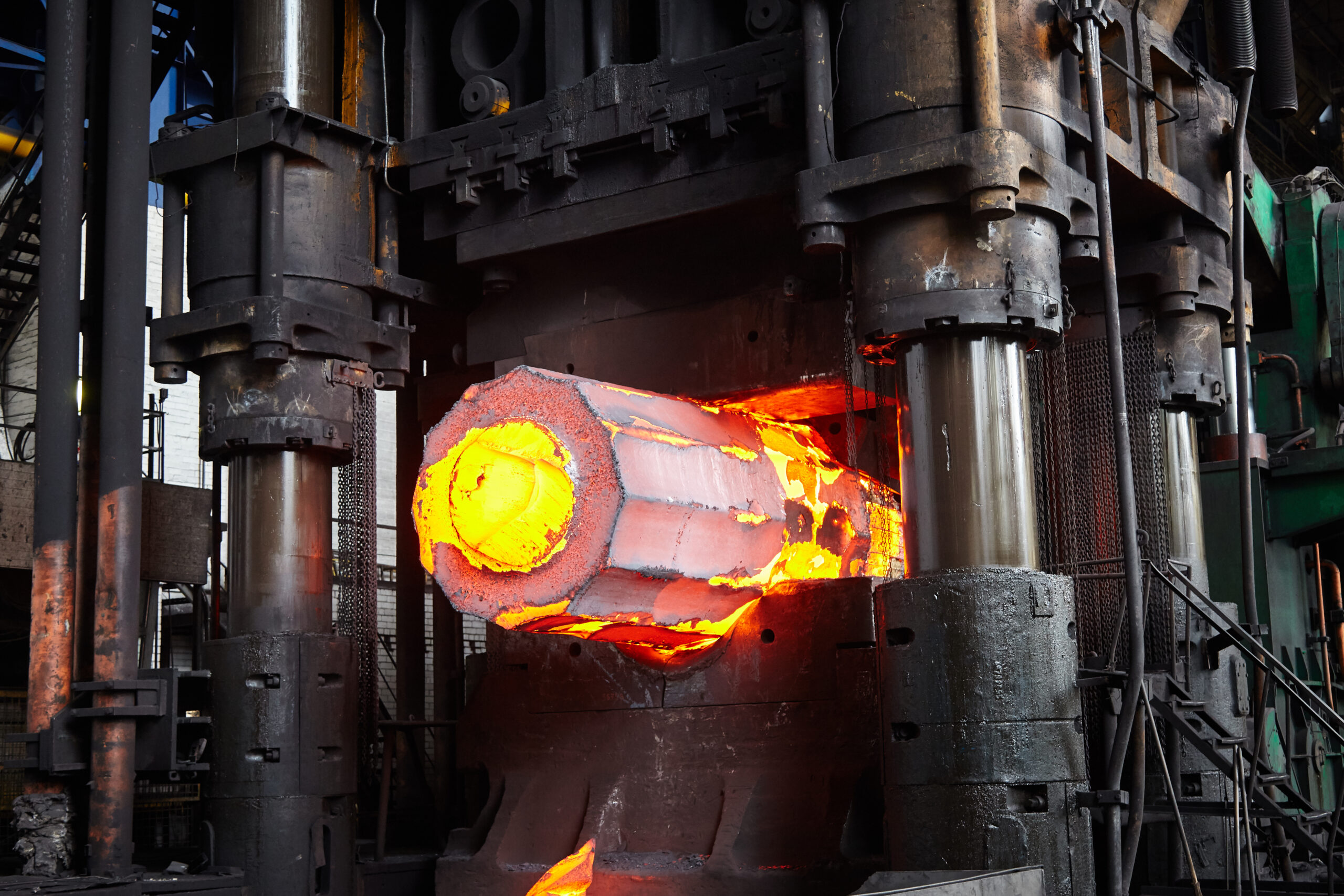
Thermal camera provide multiple ROIs and area measurement. Auto HOT SPOT tracker penetrate thru out scale. Longer FOV provide shape analysis and temperature. Advanced cool housing water based 315°C. Analog/ USB 2.0 and Ethernet GgE/ PoE Home Case Studies Open Die Forging Open Die Forging Home Case Studies Pilger mill in tube rolling mills – hot and cold pipe detection Pilger mill in tube rolling mills – hot and cold pipe detection Forging Process : Deforming of metal piece between multiple dies Short measurement wavelength of 1μm No alignment required as >3.5 lacs pixels working with auto hot spot tracker Wide temperature range : 450 to 1800°C Higher Image resolution 764 x 480 pixels Challenges No target alignment during moving process Error in measurement as scale presence on surface due to oxidation. Obstacle due to moving hammer Solution Multiple ROIs and area measurement Auto HOT SPOT tracker penetrate thru out scale. Longer FOV provide shape analysis and temperature. Advance cool housing water based 315°C Analog/ USB 2.0 and Ethernet GgE/ PoE Products and Accessories Thermal Cameras Cooling Jacket Other Solutions for Molten Metal Case Study Number TP3 Challenge The increasing flexibility of production lines requires a high adaptability of sensors. Continually changing object geometries, different temperatures and very high radiation or surrounding temperatures are no rarity. In a pilger mill those rough conditions can be found, among others in the production of seemless steel pipes. The raw steel blocks, each weighing a few tons are heated up first in a round oven at a temperature of 1300 °C. After descaling of the surface, the steel block is prepunched in a hole press with a strength from a converted 2000 t. In the next sloping rolling mill the growing pipe rotates between two rollers that are positioned at an angle to each other. The punching is widened to the size of the mandrel diameter. Previous solution / Competitor product N/A Solution The sensor that was installed at this application is the HMD OKA 2038.38 G with tube OL 19. The signal of the infrared sensors controls the movement of centering device and abutment. The point of view is restricted by the tube and prevents disturbances by steam in the cooling phase. An optimum adaptation to the operating conditions is given due to the adjustable response temperature. The HMD with self-learning response temperature (Auto-Teach function) is suited to continually changing conditions. The compact sensor with a stainless steel housing can withstand surrounding temperatures of up to 75° C. The use of a cooling jacket raises this up to 200° C. Alternatively sensors with fibre optic cables are available which permit an application at ambient temperatures up to 600° C without cooling. Customer Benefits Maintenance-free High temperature stability Recognition of hot objects at big distances Self adjustment with Auto-Teach or step switch for the response temperature Product Part number OKA 2038.38 G Brand Proxitron Accessories Piros swivel stand HM2 Tube OL 19 Pilot light unit (for alignment) DAK 308 + OL 26 Different cable lengths (e.g. 15 m) Customer Testimonial compared to previous solution or competition Case Studies Other Solutions in Casting and Forging Sample case study title lorem ipsum here Short description of the problem solved, maybe include the client name. READ MORE Sample case study title lorem ipsum here Short description of the problem solved, maybe include the client name. READ MORE Sample case study title lorem ipsum here Short description of the problem solved, maybe include the client name. READ MORE View All

Tags: Foundry, Pouring Temperature
Profile (Multi-point) Temperature on Induction Heating
High rejection rate due to inaccurate temperature. Due to moving process difficult define measuring point, where the temperature has to measured. Thermal camera provides multiple ROIs (areas) for full profile measurement. Auto HOT SPOT tracker for max process temperature. Home Case Studies Profile (Multi-point) Temperature on Induction Heating Profile (Multi-point) Temperature on Induction Heating Home Case Studies Pilger mill in tube rolling mills – hot and cold pipe detection Pilger mill in tube rolling mills – hot and cold pipe detection Heat treatment process : Induction Heating Special wavelength camera to minimize the influence of emissivity adjustment No alignment required even for moving job process Wide temperature range : 450 to 1800°C Analog outputs (4-20ma) for multiple region of interest Challenges High rejection rate as not accurate temperature Due to moving process can not define measuring point, where the temperature has to measured. Oxidation / scales reduces real temperature Existing ratio pyrometer not sufficient for the process Solution Special spectral range applicable for heat treatment process Multiple ROIs (areas) for full profile measurement Auto HOT SPOT tracker for max process temperature Water cool jacket for ambient temperature 315°C Single image on screen (left and right) from two camera Products and Accessories Thermal Cameras Cooling Jacket Other Solutions for Molten Metal Melt IR System Portable pyrometer for molten metal Case Study Number TP3 Challenge The increasing flexibility of production lines requires a high adaptability of sensors. Continually changing object geometries, different temperatures and very high radiation or surrounding temperatures are no rarity. In a pilger mill those rough conditions can be found, among others in the production of seemless steel pipes. The raw steel blocks, each weighing a few tons are heated up first in a round oven at a temperature of 1300 °C. After descaling of the surface, the steel block is prepunched in a hole press with a strength from a converted 2000 t. In the next sloping rolling mill the growing pipe rotates between two rollers that are positioned at an angle to each other. The punching is widened to the size of the mandrel diameter. Previous solution / Competitor product N/A Solution The sensor that was installed at this application is the HMD OKA 2038.38 G with tube OL 19. The signal of the infrared sensors controls the movement of centering device and abutment. The point of view is restricted by the tube and prevents disturbances by steam in the cooling phase. An optimum adaptation to the operating conditions is given due to the adjustable response temperature. The HMD with self-learning response temperature (Auto-Teach function) is suited to continually changing conditions. The compact sensor with a stainless steel housing can withstand surrounding temperatures of up to 75° C. The use of a cooling jacket raises this up to 200° C. Alternatively sensors with fibre optic cables are available which permit an application at ambient temperatures up to 600° C without cooling. Customer Benefits Maintenance-free High temperature stability Recognition of hot objects at big distances Self adjustment with Auto-Teach or step switch for the response temperature Product Part number OKA 2038.38 G Brand Proxitron Accessories Piros swivel stand HM2 Tube OL 19 Pilot light unit (for alignment) DAK 308 + OL 26 Different cable lengths (e.g. 15 m) Customer Testimonial compared to previous solution or competition Case Studies Other Solutions in Casting and Forging Sample case study title lorem ipsum here Short description of the problem solved, maybe include the client name. READ MORE Sample case study title lorem ipsum here Short description of the problem solved, maybe include the client name. READ MORE Sample case study title lorem ipsum here Short description of the problem solved, maybe include the client name. READ MORE View All
Tags: Foundry, Pouring Temperature
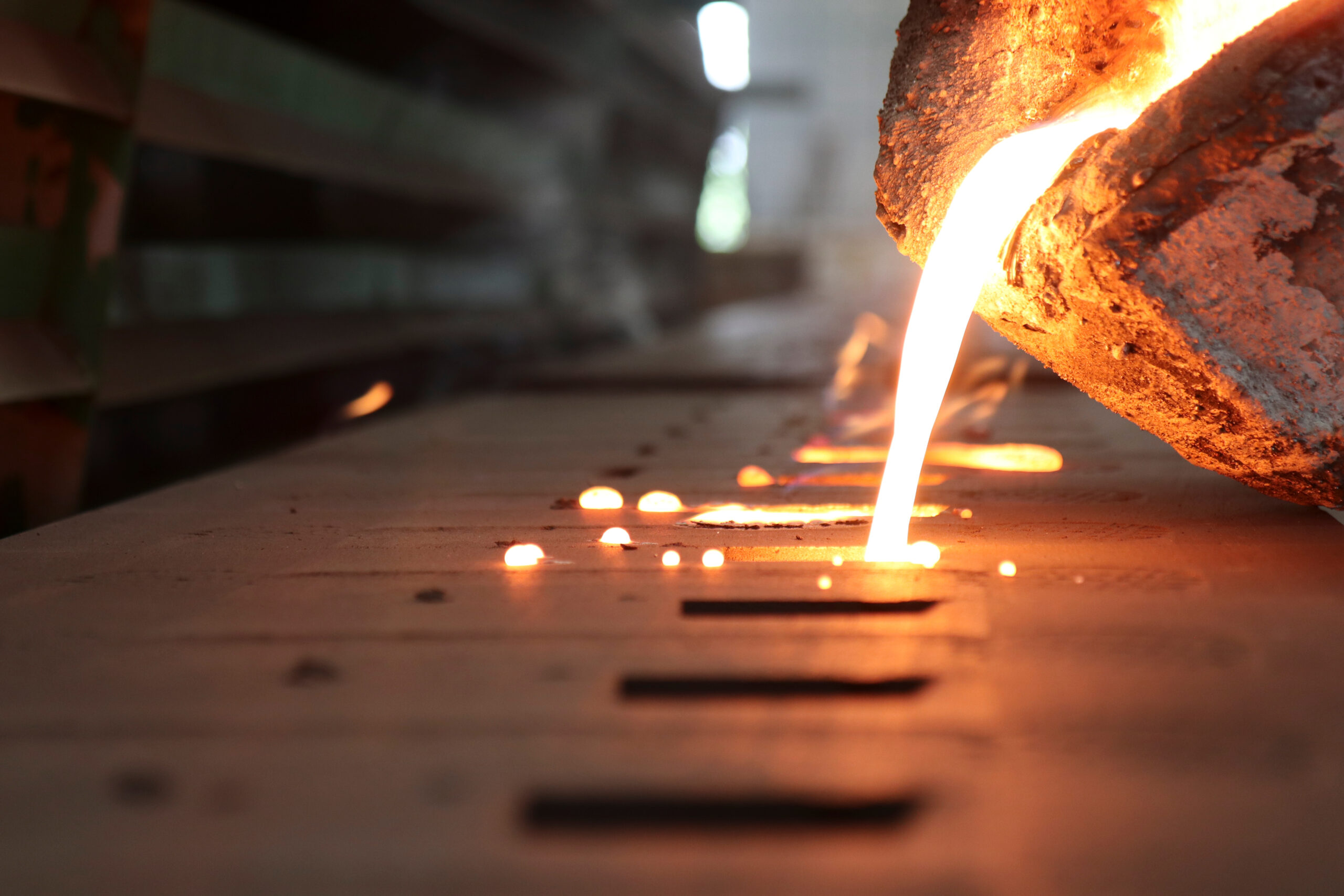
Foundry: Cast Iron and pouring of molten metal
Home Case Studies Foundry: Cast Iron and Pouring of Molten Metal Foundry: Cast Iron and Pouring of Molten Metal Handheld Portable Infrared Sensor provides accurate temperature measurement Challenges To measure temperature during the time of pouring Reduce the tip consumption costs Portable temperature measurement device for tapping and pouring process Error in measurement for non-contact IR sensor due emissivity adjustment Solution Handheld Pyrometer provides spectral range for molten metal Wide temp range 1000 to 2000°C Dual Laser for target alignment 2000 values can be transferred to PC via USBHandheld Products and Accessories Handheld Pyrometer Features Short measurement wavelength of 0.5μm Wide temperature range : 1000 to 2000°C Dual Laser spot for target alignment and LCD display Data storage up to 2000 measurement values and USB connect to PC Other Solutions for Molten Metal Melt IR System Case Study Number TP3 Challenge The increasing flexibility of production lines requires a high adaptability of sensors. Continually changing object geometries, different temperatures and very high radiation or surrounding temperatures are no rarity. In a pilger mill those rough conditions can be found, among others in the production of seemless steel pipes. The raw steel blocks, each weighing a few tons are heated up first in a round oven at a temperature of 1300 °C. After descaling of the surface, the steel block is prepunched in a hole press with a strength from a converted 2000 t. In the next sloping rolling mill the growing pipe rotates between two rollers that are positioned at an angle to each other. The punching is widened to the size of the mandrel diameter. Previous solution / Competitor product N/A Solution The sensor that was installed at this application is the HMD OKA 2038.38 G with tube OL 19. The signal of the infrared sensors controls the movement of centering device and abutment. The point of view is restricted by the tube and prevents disturbances by steam in the cooling phase. An optimum adaptation to the operating conditions is given due to the adjustable response temperature. The HMD with self-learning response temperature (Auto-Teach function) is suited to continually changing conditions. The compact sensor with a stainless steel housing can withstand surrounding temperatures of up to 75° C. The use of a cooling jacket raises this up to 200° C. Alternatively sensors with fibre optic cables are available which permit an application at ambient temperatures up to 600° C without cooling. Customer Benefits Maintenance-free High temperature stability Recognition of hot objects at big distances Self adjustment with Auto-Teach or step switch for the response temperature Product Part number OKA 2038.38 G Brand Proxitron Accessories Piros swivel stand HM2 Tube OL 19 Pilot light unit (for alignment) DAK 308 + OL 26 Different cable lengths (e.g. 15 m) Customer Testimonial compared to previous solution or competition Case Studies Other Solutions in Casting and Forging Sample case study title lorem ipsum here Short description of the problem solved, maybe include the client name. READ MORE Sample case study title lorem ipsum here Short description of the problem solved, maybe include the client name. READ MORE Sample case study title lorem ipsum here Short description of the problem solved, maybe include the client name. READ MORE View All
Tags: Foundry, Pouring Temperature
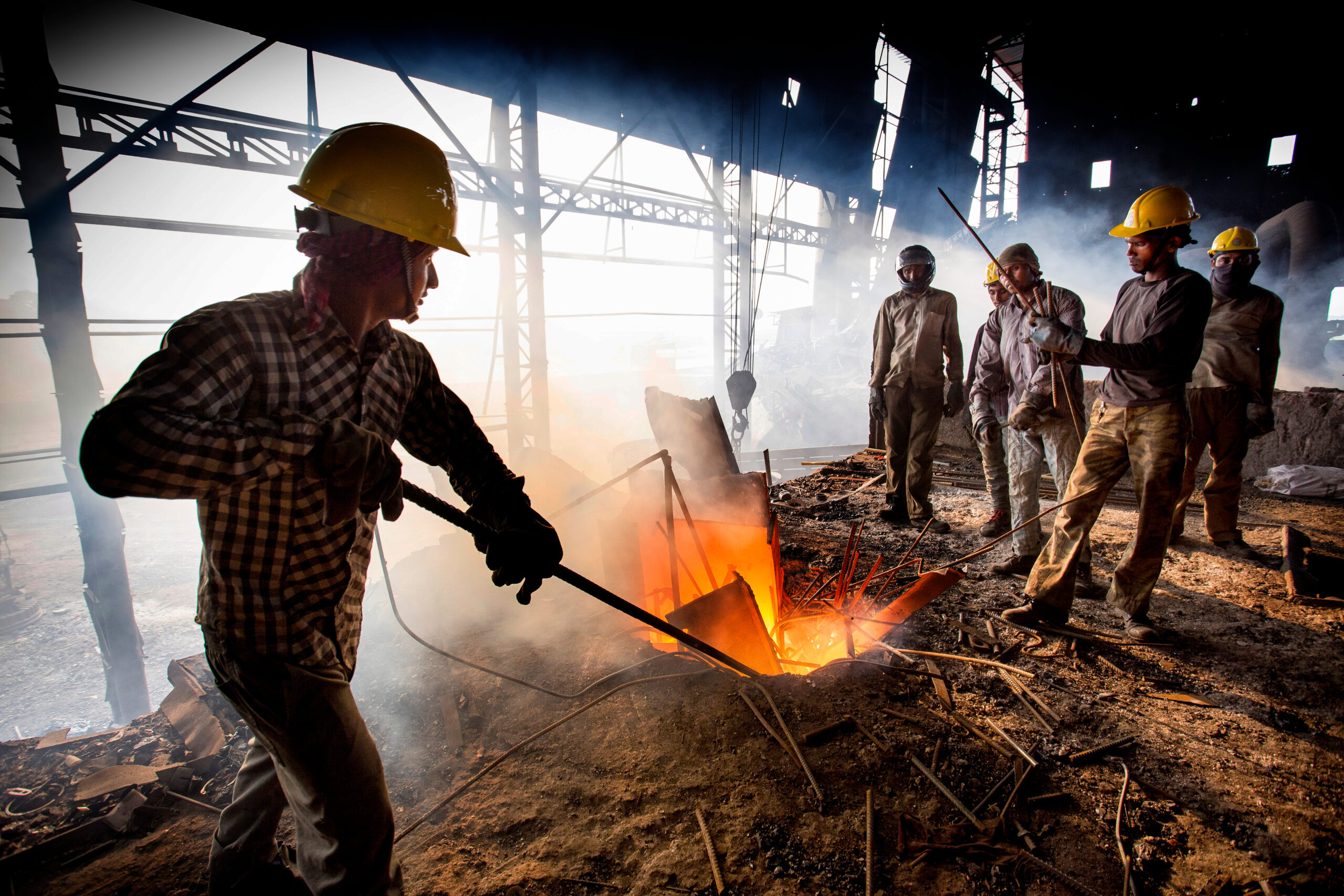
Molten tapping temperature measurement in cast iron foundry
Tapping temperature in Cast Iron Foundry. Reduction in power consumption as overheating is prevented due to frequent temp readings. High accuracy as result within +/-50C compared to thermocouple dip type. Plug and play system, commissioned with one heat. Reduction in consumable costs by 70% Home Case Studies Molten tapping temperature measurement in cast iron foundry Molten tapping temperature measurement in cast iron foundry Home Case Studies Pilger mill in tube rolling mills – hot and cold pipe detection Pilger mill in tube rolling mills – hot and cold pipe detection Tapping temperature at Cast iron foundry Reduction in power consumption as overheating is prevented due to frequent temp readings High accuracy as result within +/-50C compared to thermocouple dip type Plug and play system, commissioned with one heat Reduction in consumable costs by 70% Challenges Reduce power consumption due to overheating Reduce casting rejection rate caused by infrequent interval temperature measurement Reduce consumable cost Increase personnel safety as hazardous area to look actual process during melting. Solution Special spectral range for molten metal. Temperature range from 1000-20000C. Dual laser for easy finding of spot area / alignment Installation Ease: Distance 4 – 8 meters away from furnace | 50 – 90 ° mounting angle Products and Accessories Other Solutions for Molten Metal IR Melt System Features Quick installation: Plug and play Trigger button: operator to initiate new measurement Cable Protection: from high temperature and molten splash Dual colour change LCD Display Cooling system for 175⁰C ambient Thermal Camera 900 to 2450°C Portable for Molten Metal 900-2000°C Case Study Number TP3 Challenge The increasing flexibility of production lines requires a high adaptability of sensors. Continually changing object geometries, different temperatures and very high radiation or surrounding temperatures are no rarity. In a pilger mill those rough conditions can be found, among others in the production of seemless steel pipes. The raw steel blocks, each weighing a few tons are heated up first in a round oven at a temperature of 1300 °C. After descaling of the surface, the steel block is prepunched in a hole press with a strength from a converted 2000 t. In the next sloping rolling mill the growing pipe rotates between two rollers that are positioned at an angle to each other. The punching is widened to the size of the mandrel diameter. Previous solution / Competitor product N/A Solution The sensor that was installed at this application is the HMD OKA 2038.38 G with tube OL 19. The signal of the infrared sensors controls the movement of centering device and abutment. The point of view is restricted by the tube and prevents disturbances by steam in the cooling phase. An optimum adaptation to the operating conditions is given due to the adjustable response temperature. The HMD with self-learning response temperature (Auto-Teach function) is suited to continually changing conditions. The compact sensor with a stainless steel housing can withstand surrounding temperatures of up to 75° C. The use of a cooling jacket raises this up to 200° C. Alternatively sensors with fibre optic cables are available which permit an application at ambient temperatures up to 600° C without cooling. Customer Benefits Maintenance-free High temperature stability Recognition of hot objects at big distances Self adjustment with Auto-Teach or step switch for the response temperature Product Part number OKA 2038.38 G Brand Proxitron Accessories Piros swivel stand HM2 Tube OL 19 Pilot light unit (for alignment) DAK 308 + OL 26 Different cable lengths (e.g. 15 m) Customer Testimonial compared to previous solution or competition Case Studies Other Solutions in Casting and Forging Sample case study title lorem ipsum here Short description of the problem solved, maybe include the client name. READ MORE Sample case study title lorem ipsum here Short description of the problem solved, maybe include the client name. READ MORE Sample case study title lorem ipsum here Short description of the problem solved, maybe include the client name. READ MORE View All
Tags: Casting and Forging, Foundry, Tapping Temperature
September 21, 2021
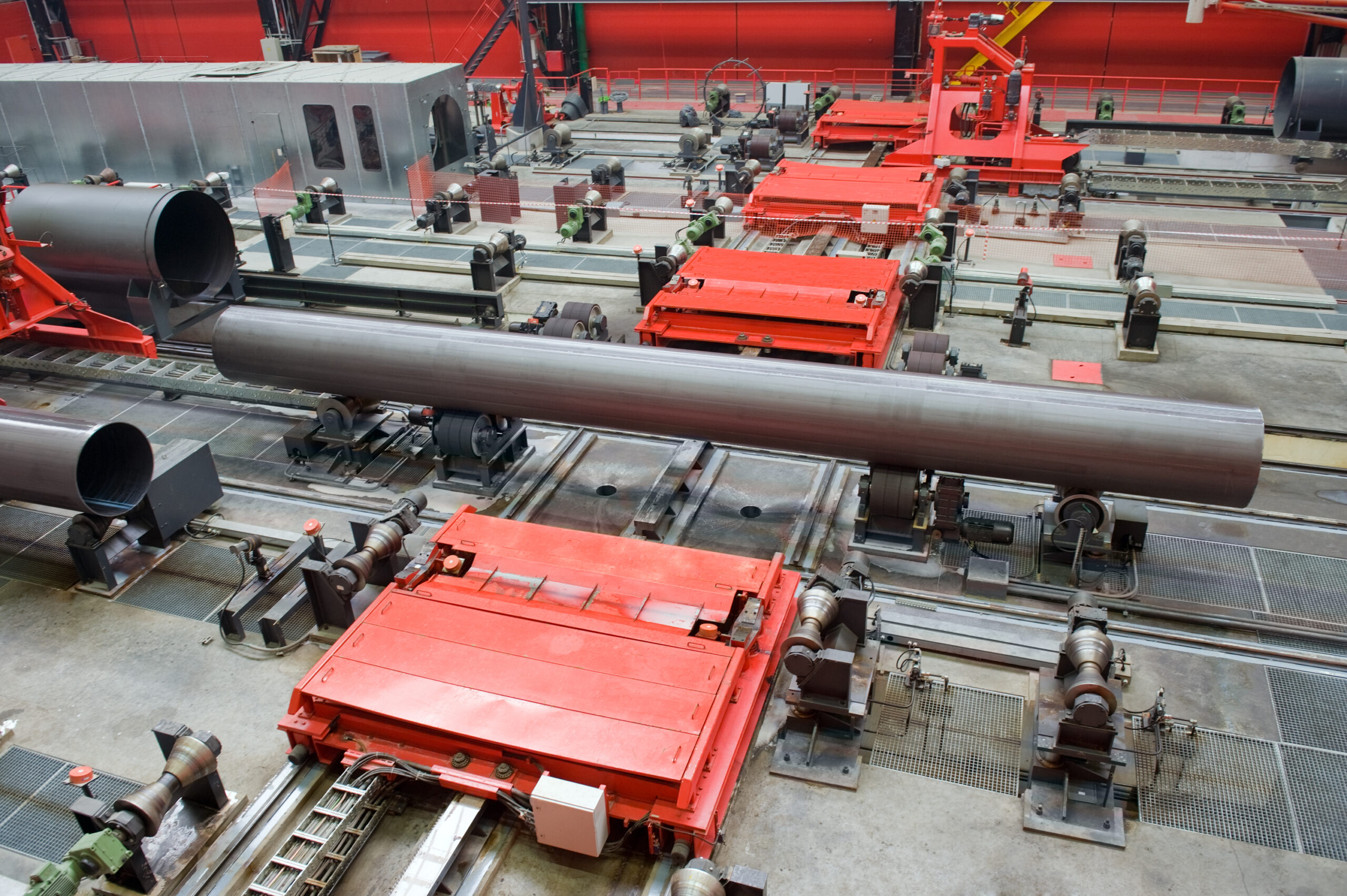
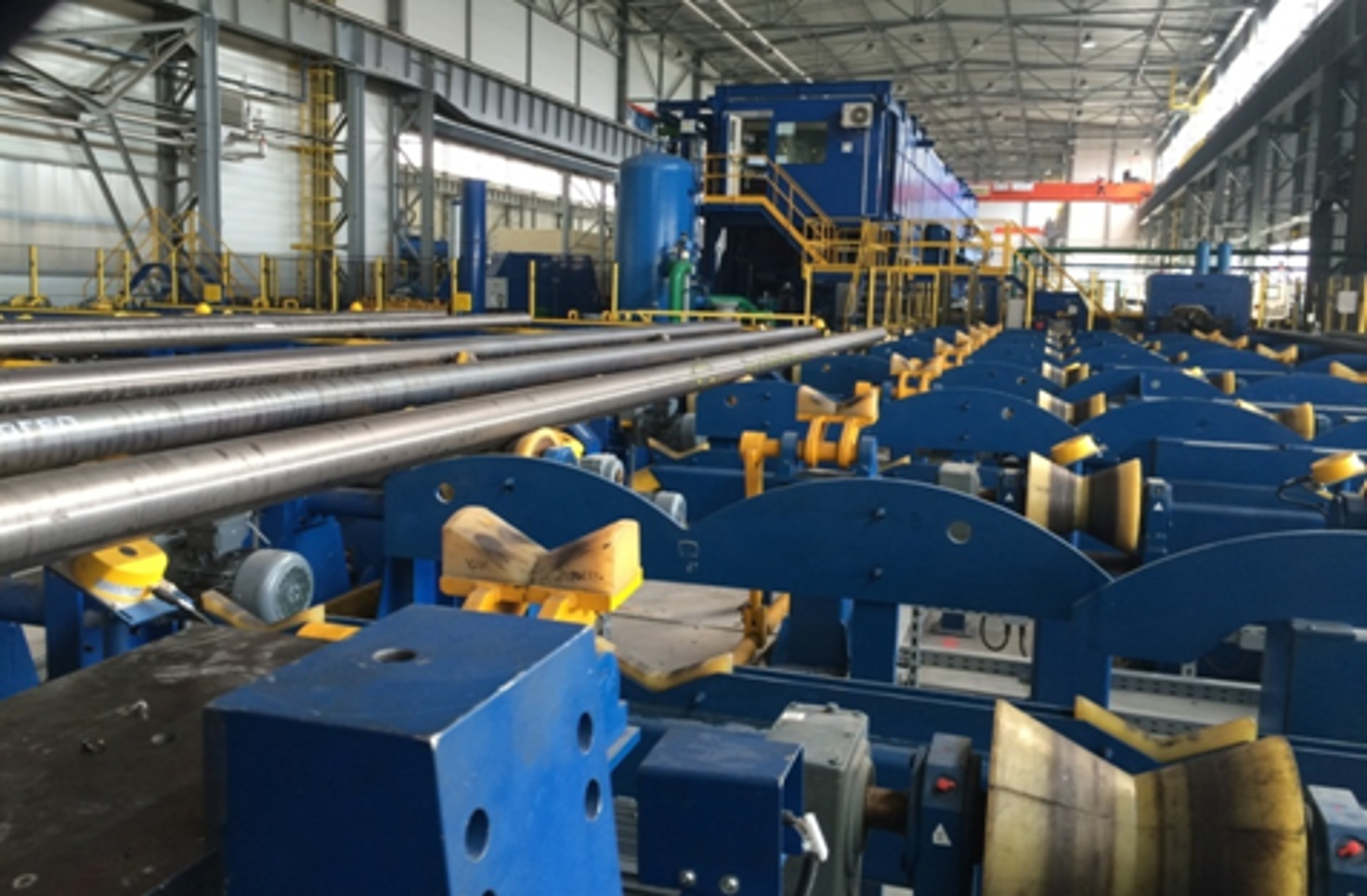
Detection of large hollow pipe using proximity sensors
Bouncing effect in the pipe mill mechanically damages the proximity. Circulating trolley systems, cold strip lines, lifting bar conveyors, and other equipment are also used, in addition to roller conveyor systems. Inductive proximity switches were used, which provided safe operation for large sensing distance, and even in the presence of water, dust, emulsions and oils. Home Case Studies Detection of large hollow pipe using proximity sensors Detection of large hollow pipe using proximity sensors Home Case Studies Pilger mill in tube rolling mills – hot and cold pipe detection Pilger mill in tube rolling mills – hot and cold pipe detection Reliable detection of hot objects up to up to +230 °C High operating distance to preserve sensors from mechanical shocks Safe operation also with water, fog, snow, vapor or dust Adjustable response temperature Extremely high resistance to pollution Challenges Bouncing effect in the pipe mill mechanically damages the proximity Circulating trolley systems, cold strip lines, lifting bar conveyors, and other equipment are also used, in addition to roller conveyor systems Solution Inductive proximity switches were used, which provided safe operation for large sensing distance, and even in the presence of water, dust, emulsions and oils. Sn: 140 mm IP 67 Temp: -25 to +70 °C Supply voltage: 20-260 V AC/DC Cable length: 2,5,10,15,20 m Cable MOC: Silicone cable No. of wires: 3-wire Housing (Ǿ): 110x110x43 Cable conduit protection available Products and Accessories Inductive Proximity Sensors Cable Protection Conduits Case Study Number TP3 Challenge The increasing flexibility of production lines requires a high adaptability of sensors. Continually changing object geometries, different temperatures and very high radiation or surrounding temperatures are no rarity. In a pilger mill those rough conditions can be found, among others in the production of seemless steel pipes. The raw steel blocks, each weighing a few tons are heated up first in a round oven at a temperature of 1300 °C. After descaling of the surface, the steel block is prepunched in a hole press with a strength from a converted 2000 t. In the next sloping rolling mill the growing pipe rotates between two rollers that are positioned at an angle to each other. The punching is widened to the size of the mandrel diameter. Previous solution / Competitor product N/A Solution The sensor that was installed at this application is the HMD OKA 2038.38 G with tube OL 19. The signal of the infrared sensors controls the movement of centering device and abutment. The point of view is restricted by the tube and prevents disturbances by steam in the cooling phase. An optimum adaptation to the operating conditions is given due to the adjustable response temperature. The HMD with self-learning response temperature (Auto-Teach function) is suited to continually changing conditions. The compact sensor with a stainless steel housing can withstand surrounding temperatures of up to 75° C. The use of a cooling jacket raises this up to 200° C. Alternatively sensors with fibre optic cables are available which permit an application at ambient temperatures up to 600° C without cooling. Customer Benefits Maintenance-free High temperature stability Recognition of hot objects at big distances Self adjustment with Auto-Teach or step switch for the response temperature Product Part number OKA 2038.38 G Brand Proxitron Accessories Piros swivel stand HM2 Tube OL 19 Pilot light unit (for alignment) DAK 308 + OL 26 Different cable lengths (e.g. 15 m) Customer Testimonial compared to previous solution or competition Case Studies Other Solutions Sample case study title lorem ipsum here Short description of the problem solved, maybe include the client name. READ MORE Sample case study title lorem ipsum here Short description of the problem solved, maybe include the client name. READ MORE Sample case study title lorem ipsum here Short description of the problem solved, maybe include the client name. READ MORE View All
Tags: Proximity sensors, Tubes and pipes
Page 9 of 14
Case Studies


Found 139 Results
Page 9 of 14
Page 9 of 14
Page 9 of 14
Air knife positioning system
Continuous high temperature poses serious challenges to the proximity. 70 °C proximity is unable to survive in this environment, and it fails. Proximity from Proxitron was used for the application of air knife positioning. Home Case Studies Air knife positioning Air knife positioning system Home Case Studies Pilger mill in tube rolling mills – hot and cold pipe detection Pilger mill in tube rolling mills – hot and cold pipe detection Efficient positioning Protective housing M30 diameter available for 100 °C and 120 °C High degree of protection Challenges Continuous high temperature poses serious challenges to the proximity. 70 °C proximity is unable to survive in this environment, and it fails. Solution Proximity from Proxitron was used for the application of air knife positioning. Products and Accessories Inductive Proximity Sensors Key Specifications Cable length: 2,5,10,15,20 m Cable MOC: Silicone cable No. of wires: 2-wire, 3-wire Housing (Ǿ): M30 available for 100 °C and 120 °C Cable conduit protection available (Pg X) Sn: 30 mm IP 68 Temp: -25 to +120 °C Supply voltage: 20-260 V AC/DC Case Study Number TP3 Challenge The increasing flexibility of production lines requires a high adaptability of sensors. Continually changing object geometries, different temperatures and very high radiation or surrounding temperatures are no rarity. In a pilger mill those rough conditions can be found, among others in the production of seemless steel pipes. The raw steel blocks, each weighing a few tons are heated up first in a round oven at a temperature of 1300 °C. After descaling of the surface, the steel block is prepunched in a hole press with a strength from a converted 2000 t. In the next sloping rolling mill the growing pipe rotates between two rollers that are positioned at an angle to each other. The punching is widened to the size of the mandrel diameter. Previous solution / Competitor product N/A Solution The sensor that was installed at this application is the HMD OKA 2038.38 G with tube OL 19. The signal of the infrared sensors controls the movement of centering device and abutment. The point of view is restricted by the tube and prevents disturbances by steam in the cooling phase. An optimum adaptation to the operating conditions is given due to the adjustable response temperature. The HMD with self-learning response temperature (Auto-Teach function) is suited to continually changing conditions. The compact sensor with a stainless steel housing can withstand surrounding temperatures of up to 75° C. The use of a cooling jacket raises this up to 200° C. Alternatively sensors with fibre optic cables are available which permit an application at ambient temperatures up to 600° C without cooling. Customer Benefits Maintenance-free High temperature stability Recognition of hot objects at big distances Self adjustment with Auto-Teach or step switch for the response temperature Product Part number OKA 2038.38 G Brand Proxitron Accessories Piros swivel stand HM2 Tube OL 19 Pilot light unit (for alignment) DAK 308 + OL 26 Different cable lengths (e.g. 15 m) Customer Testimonial compared to previous solution or competition Case Studies Other Solutions Sample case study title lorem ipsum here Short description of the problem solved, maybe include the client name. READ MORE Sample case study title lorem ipsum here Short description of the problem solved, maybe include the client name. READ MORE Sample case study title lorem ipsum here Short description of the problem solved, maybe include the client name. READ MORE View All
Tags: Air knife positioning, Cold Rolling, Processing Line, Proximity
September 22, 2021
Reliable roll detection in aggressive environment
High demands are placed on the sensor since rolling emulsions are used for surface finishing. The environment is of very high ambient temperatures. PTFE does not allow water or chemical solvents to stick on its surface and has a high melting point of 423⁰ C. Both F/HF 2/3/4/W constructs with a wide sensing range and IP68 class protection. AC or DC supply input combinations of transistor or relay outputs available. Home Case Studies Reliable Roll Detection in Aggressive Environment Reliable Roll Detection in Aggressive Environment Home Case Studies Pilger mill in tube rolling mills – hot and cold pipe detection Pilger mill in tube rolling mills – hot and cold pipe detection Field-proven proximity performance in aggressive emulsions conditions in CRM mill Reliable detection of lock /unlock position of the back-up, work and intermediate rolls Increase mill availability as proximity are maintenance-free reducing downtime Resistant against emulsions , lubricants, coolants, water jets, dust and dirt Chemical solvents or water stuck on the surface, affecting output and efficiency. Challenges Frequent proximity failures leading massive production downtime. With grease accumulation, the standard 15mm sensing distance was not sufficient after 3months High ambient temperatures inside the mill housing combined with aggressive emulsions Normal PVC cable cracking after 3-months inside mill housing. The PTFE housing is resistant to greases, oils and acids Field proven Performance End-User: PLTCM / reversing cold rolling mills at Tata, JSW, SAIL,AMNS. OEM: Primetals preferred choice for upgrade of CRM-1 at JSW Bellary was Proxitron Solution PTFE single piece housing is resistant to greases, oils and acids, e.g. in cold rolling operations. 19-25mm large sensing distance available 100 |120 °C high temperature electronics 260°C cable excellent resistance to acids, varnishes, oils, hydraulic fluids etc., hardly inflammable, low water absorption, weather and ozone resistant. Special connection cable to prevent emulsion entering the housing/ electronics. Universal supply voltage (20-240VAC/DC) available with combinations of transistor or relay outputs. Products and Accessories Cold rolling mill proximity Key Specifications Sn: 19-35 mm IP: IP 68/69K Temp: 70|100|120 °C Supply voltage: 20-260 V AC/DC Cable length: 2,5,10,15,20 m # wires: 2-wire, 3-wire Housing (Ǿ): M32, M35 Case Study Number TP3 Challenge The increasing flexibility of production lines requires a high adaptability of sensors. Continually changing object geometries, different temperatures and very high radiation or surrounding temperatures are no rarity. In a pilger mill those rough conditions can be found, among others in the production of seemless steel pipes. The raw steel blocks, each weighing a few tons are heated up first in a round oven at a temperature of 1300 °C. After descaling of the surface, the steel block is prepunched in a hole press with a strength from a converted 2000 t. In the next sloping rolling mill the growing pipe rotates between two rollers that are positioned at an angle to each other. The punching is widened to the size of the mandrel diameter. Previous solution / Competitor product N/A Solution The sensor that was installed at this application is the HMD OKA 2038.38 G with tube OL 19. The signal of the infrared sensors controls the movement of centering device and abutment. The point of view is restricted by the tube and prevents disturbances by steam in the cooling phase. An optimum adaptation to the operating conditions is given due to the adjustable response temperature. The HMD with self-learning response temperature (Auto-Teach function) is suited to continually changing conditions. The compact sensor with a stainless steel housing can withstand surrounding temperatures of up to 75° C. The use of a cooling jacket raises this up to 200° C. Alternatively sensors with fibre optic cables are available which permit an application at ambient temperatures up to 600° C without cooling. Customer Benefits Maintenance-free High temperature stability Recognition of hot objects at big distances Self adjustment with Auto-Teach or step switch for the response temperature Product Part number OKA 2038.38 G Brand Proxitron Accessories Piros swivel stand HM2 Tube OL 19 Pilot light unit (for alignment) DAK 308 + OL 26 Different cable lengths (e.g. 15 m) Customer Testimonial compared to previous solution or competition Case Studies Other Solutions Sample case study title lorem ipsum here Short description of the problem solved, maybe include the client name. READ MORE Sample case study title lorem ipsum here Short description of the problem solved, maybe include the client name. READ MORE Sample case study title lorem ipsum here Short description of the problem solved, maybe include the client name. READ MORE View All
Tags: Cold Rolling, Mill Stand, Proximity, Teflon
Automation Crane Coil Grab / Coil Tong
To automate a coil tong, light barriers should be mounted on the lower end of the gripper to safely detect the hole in the coil. The coils can be sometimes up to 600 °C hot. For each coil tong, three light barriers are needed to detect the lower edge and the right and left edges of the hole in the coil. Only if all three light barriers are not occupied may the coil tong close. Due to the coil temperature no standard photocells can be used. There is no space on the gripper for large photoelectric sensors. Home Case Studies Automation Crane Coil Grab / Coil Tong Automation Crane Coil Grab / Coil Tong Home Case Studies Pilger mill in tube rolling mills – hot and cold pipe detection Pilger mill in tube rolling mills – hot and cold pipe detection No cooling of the light barrier necessary: The high functional reserve of the light barrier enables operation even with heavy contamination Challenges To automate a coil tong, light barriers should be mounted on the lower end of the gripper to safely detect the hole in the coil. The coils can be sometimes up to 600 °C hot. For each coil tong, three light barriers are needed to detect the lower edge and the right and left edges of the hole in the coil. Only if all three light barriers are not occupied may the coil tong close. Due to the coil temperature no standard photocells can be used. There is no space on the gripper for large photoelectric sensors. Solution No cooling of the light barrier necessary. The high functional reserve of the light barrier enables operation even with heavy contamination. Products and Accessories Thru beam in high ambient environment without water cooling Case Study Number TP3 Challenge The increasing flexibility of production lines requires a high adaptability of sensors. Continually changing object geometries, different temperatures and very high radiation or surrounding temperatures are no rarity. In a pilger mill those rough conditions can be found, among others in the production of seemless steel pipes. The raw steel blocks, each weighing a few tons are heated up first in a round oven at a temperature of 1300 °C. After descaling of the surface, the steel block is prepunched in a hole press with a strength from a converted 2000 t. In the next sloping rolling mill the growing pipe rotates between two rollers that are positioned at an angle to each other. The punching is widened to the size of the mandrel diameter. Previous solution / Competitor product N/A Solution The sensor that was installed at this application is the HMD OKA 2038.38 G with tube OL 19. The signal of the infrared sensors controls the movement of centering device and abutment. The point of view is restricted by the tube and prevents disturbances by steam in the cooling phase. An optimum adaptation to the operating conditions is given due to the adjustable response temperature. The HMD with self-learning response temperature (Auto-Teach function) is suited to continually changing conditions. The compact sensor with a stainless steel housing can withstand surrounding temperatures of up to 75° C. The use of a cooling jacket raises this up to 200° C. Alternatively sensors with fibre optic cables are available which permit an application at ambient temperatures up to 600° C without cooling. Customer Benefits Maintenance-free High temperature stability Recognition of hot objects at big distances Self adjustment with Auto-Teach or step switch for the response temperature Product Part number OKA 2038.38 G Brand Proxitron Accessories Piros swivel stand HM2 Tube OL 19 Pilot light unit (for alignment) DAK 308 + OL 26 Different cable lengths (e.g. 15 m) Customer Testimonial compared to previous solution or competition Case Studies Other Solutions Sample case study title lorem ipsum here Short description of the problem solved, maybe include the client name. READ MORE Sample case study title lorem ipsum here Short description of the problem solved, maybe include the client name. READ MORE Sample case study title lorem ipsum here Short description of the problem solved, maybe include the client name. READ MORE View All
Tags: Cold Rolling, Crane, Finishing Mill, Mill Stand
Infrared Heating : Profile temperature measurement
IR heating take place inside of closed chamber. For safety precautions it is recommended to keep chamber must be sealed to avoid the IR leakage. Dual Laser pointed IR sensor (Pyrometers) provides widest temperature measuring range and special spectral range 1.6µm. Home Case Studies Infrared Heating : Profile temperature measurement Infrared Heating : Profile temperature measurement Home Case Studies Pilger mill in tube rolling mills – hot and cold pipe detection Pilger mill in tube rolling mills – hot and cold pipe detection Infrared Heating : Profile temperature measurement IR heating Chamber : IR heaters Specialized to metal application 1.6 µm Wide temperature range : 385 to 1600°C Precise measurement quick response time 1 ms Robust stainless steel housing and sighting double laser Challenges IR heating take place inside of closed chamber. For safety precautions it is recommended to keep chamber must be sealed to avoid the IR leakage. It is not feasible to align on target and measure temperature by sighting thru cavity. Solution Dual Laser pointed IR sensor (Pyrometers). Widest temperature measuring range and special spectral range 1.6µm. Combination of precise analog output (4-20mA) and digital outputs can be additional benefit to customer. Water cooling Jacket 175°C Air purging USB/ RS232/ RS485/ Ethernet Products and Accessories Next Generation Pyrometer: Dirt & Steam Resistant, for high ambient environment Accesories Case Study Number TP3 Challenge The increasing flexibility of production lines requires a high adaptability of sensors. Continually changing object geometries, different temperatures and very high radiation or surrounding temperatures are no rarity. In a pilger mill those rough conditions can be found, among others in the production of seemless steel pipes. The raw steel blocks, each weighing a few tons are heated up first in a round oven at a temperature of 1300 °C. After descaling of the surface, the steel block is prepunched in a hole press with a strength from a converted 2000 t. In the next sloping rolling mill the growing pipe rotates between two rollers that are positioned at an angle to each other. The punching is widened to the size of the mandrel diameter. Previous solution / Competitor product N/A Solution The sensor that was installed at this application is the HMD OKA 2038.38 G with tube OL 19. The signal of the infrared sensors controls the movement of centering device and abutment. The point of view is restricted by the tube and prevents disturbances by steam in the cooling phase. An optimum adaptation to the operating conditions is given due to the adjustable response temperature. The HMD with self-learning response temperature (Auto-Teach function) is suited to continually changing conditions. The compact sensor with a stainless steel housing can withstand surrounding temperatures of up to 75° C. The use of a cooling jacket raises this up to 200° C. Alternatively sensors with fibre optic cables are available which permit an application at ambient temperatures up to 600° C without cooling. Customer Benefits Maintenance-free High temperature stability Recognition of hot objects at big distances Self adjustment with Auto-Teach or step switch for the response temperature Product Part number OKA 2038.38 G Brand Proxitron Accessories Piros swivel stand HM2 Tube OL 19 Pilot light unit (for alignment) DAK 308 + OL 26 Different cable lengths (e.g. 15 m) Customer Testimonial compared to previous solution or competition Case Studies Other Solutions in Casting and Forging Sample case study title lorem ipsum here Short description of the problem solved, maybe include the client name. READ MORE Sample case study title lorem ipsum here Short description of the problem solved, maybe include the client name. READ MORE Sample case study title lorem ipsum here Short description of the problem solved, maybe include the client name. READ MORE View All
Tags: Foundry, Pouring Temperature
Ratio Pyrometer for Vertical Billet Induction Heating Machine
Ratio technology resistant to dust/ dirty windows. Electronic were 3mtrs away from induction coil to minimize the impact of EMC interferences. 200 degrees C ambient temperature without any cooling. M18 compact space saving installations. Dual output (4-20mA) for controller and display Home Case Studies Ratio Pyrometer for Vertical Billet Induction Heating Machine Ratio Pyrometer for Vertical Billet Induction Heating Machine Home Case Studies Pilger mill in tube rolling mills – hot and cold pipe detection Pilger mill in tube rolling mills – hot and cold pipe detection Induction Heating : Billet Re heating Process Ratio Technology – resistant against dust, steam and dirty glass window Wide temperature measurement range : 250 to 3000°C Sensing head with Ambient up to 315°C FO Cable with stainless steel sleeve, avoids EMC interferences in measurement Challenges Error in measurement due to high dust, steam and dirty windows. High EMC interferences due to induction coils High ambient temperature at place of installation Space saving design required due to limited installation space Solution Ratio technology resistant to dust/ dirty windows Electronic were 3mtrs away from induction coil to minimise the impact of EMC interreferences 200 degrees C ambient temperature without any cooling M18 compact space saving installations Dual output (4-20mA) for controller and display Products and Accessories Next Generation Pyrometer: Dirt & Steam Resistant, for high ambient environment Other Solutions for Molten Metal Case Study Number TP3 Challenge The increasing flexibility of production lines requires a high adaptability of sensors. Continually changing object geometries, different temperatures and very high radiation or surrounding temperatures are no rarity. In a pilger mill those rough conditions can be found, among others in the production of seemless steel pipes. The raw steel blocks, each weighing a few tons are heated up first in a round oven at a temperature of 1300 °C. After descaling of the surface, the steel block is prepunched in a hole press with a strength from a converted 2000 t. In the next sloping rolling mill the growing pipe rotates between two rollers that are positioned at an angle to each other. The punching is widened to the size of the mandrel diameter. Previous solution / Competitor product N/A Solution The sensor that was installed at this application is the HMD OKA 2038.38 G with tube OL 19. The signal of the infrared sensors controls the movement of centering device and abutment. The point of view is restricted by the tube and prevents disturbances by steam in the cooling phase. An optimum adaptation to the operating conditions is given due to the adjustable response temperature. The HMD with self-learning response temperature (Auto-Teach function) is suited to continually changing conditions. The compact sensor with a stainless steel housing can withstand surrounding temperatures of up to 75° C. The use of a cooling jacket raises this up to 200° C. Alternatively sensors with fibre optic cables are available which permit an application at ambient temperatures up to 600° C without cooling. Customer Benefits Maintenance-free High temperature stability Recognition of hot objects at big distances Self adjustment with Auto-Teach or step switch for the response temperature Product Part number OKA 2038.38 G Brand Proxitron Accessories Piros swivel stand HM2 Tube OL 19 Pilot light unit (for alignment) DAK 308 + OL 26 Different cable lengths (e.g. 15 m) Customer Testimonial compared to previous solution or competition Case Studies Other Solutions in Casting and Forging Sample case study title lorem ipsum here Short description of the problem solved, maybe include the client name. READ MORE Sample case study title lorem ipsum here Short description of the problem solved, maybe include the client name. READ MORE Sample case study title lorem ipsum here Short description of the problem solved, maybe include the client name. READ MORE View All
Tags: Foundry, Pouring Temperature
Open Die Forging
Thermal camera provide multiple ROIs and area measurement. Auto HOT SPOT tracker penetrate thru out scale. Longer FOV provide shape analysis and temperature. Advanced cool housing water based 315°C. Analog/ USB 2.0 and Ethernet GgE/ PoE Home Case Studies Open Die Forging Open Die Forging Home Case Studies Pilger mill in tube rolling mills – hot and cold pipe detection Pilger mill in tube rolling mills – hot and cold pipe detection Forging Process : Deforming of metal piece between multiple dies Short measurement wavelength of 1μm No alignment required as >3.5 lacs pixels working with auto hot spot tracker Wide temperature range : 450 to 1800°C Higher Image resolution 764 x 480 pixels Challenges No target alignment during moving process Error in measurement as scale presence on surface due to oxidation. Obstacle due to moving hammer Solution Multiple ROIs and area measurement Auto HOT SPOT tracker penetrate thru out scale. Longer FOV provide shape analysis and temperature. Advance cool housing water based 315°C Analog/ USB 2.0 and Ethernet GgE/ PoE Products and Accessories Thermal Cameras Cooling Jacket Other Solutions for Molten Metal Case Study Number TP3 Challenge The increasing flexibility of production lines requires a high adaptability of sensors. Continually changing object geometries, different temperatures and very high radiation or surrounding temperatures are no rarity. In a pilger mill those rough conditions can be found, among others in the production of seemless steel pipes. The raw steel blocks, each weighing a few tons are heated up first in a round oven at a temperature of 1300 °C. After descaling of the surface, the steel block is prepunched in a hole press with a strength from a converted 2000 t. In the next sloping rolling mill the growing pipe rotates between two rollers that are positioned at an angle to each other. The punching is widened to the size of the mandrel diameter. Previous solution / Competitor product N/A Solution The sensor that was installed at this application is the HMD OKA 2038.38 G with tube OL 19. The signal of the infrared sensors controls the movement of centering device and abutment. The point of view is restricted by the tube and prevents disturbances by steam in the cooling phase. An optimum adaptation to the operating conditions is given due to the adjustable response temperature. The HMD with self-learning response temperature (Auto-Teach function) is suited to continually changing conditions. The compact sensor with a stainless steel housing can withstand surrounding temperatures of up to 75° C. The use of a cooling jacket raises this up to 200° C. Alternatively sensors with fibre optic cables are available which permit an application at ambient temperatures up to 600° C without cooling. Customer Benefits Maintenance-free High temperature stability Recognition of hot objects at big distances Self adjustment with Auto-Teach or step switch for the response temperature Product Part number OKA 2038.38 G Brand Proxitron Accessories Piros swivel stand HM2 Tube OL 19 Pilot light unit (for alignment) DAK 308 + OL 26 Different cable lengths (e.g. 15 m) Customer Testimonial compared to previous solution or competition Case Studies Other Solutions in Casting and Forging Sample case study title lorem ipsum here Short description of the problem solved, maybe include the client name. READ MORE Sample case study title lorem ipsum here Short description of the problem solved, maybe include the client name. READ MORE Sample case study title lorem ipsum here Short description of the problem solved, maybe include the client name. READ MORE View All
Tags: Foundry, Pouring Temperature
Profile (Multi-point) Temperature on Induction Heating
High rejection rate due to inaccurate temperature. Due to moving process difficult define measuring point, where the temperature has to measured. Thermal camera provides multiple ROIs (areas) for full profile measurement. Auto HOT SPOT tracker for max process temperature. Home Case Studies Profile (Multi-point) Temperature on Induction Heating Profile (Multi-point) Temperature on Induction Heating Home Case Studies Pilger mill in tube rolling mills – hot and cold pipe detection Pilger mill in tube rolling mills – hot and cold pipe detection Heat treatment process : Induction Heating Special wavelength camera to minimize the influence of emissivity adjustment No alignment required even for moving job process Wide temperature range : 450 to 1800°C Analog outputs (4-20ma) for multiple region of interest Challenges High rejection rate as not accurate temperature Due to moving process can not define measuring point, where the temperature has to measured. Oxidation / scales reduces real temperature Existing ratio pyrometer not sufficient for the process Solution Special spectral range applicable for heat treatment process Multiple ROIs (areas) for full profile measurement Auto HOT SPOT tracker for max process temperature Water cool jacket for ambient temperature 315°C Single image on screen (left and right) from two camera Products and Accessories Thermal Cameras Cooling Jacket Other Solutions for Molten Metal Melt IR System Portable pyrometer for molten metal Case Study Number TP3 Challenge The increasing flexibility of production lines requires a high adaptability of sensors. Continually changing object geometries, different temperatures and very high radiation or surrounding temperatures are no rarity. In a pilger mill those rough conditions can be found, among others in the production of seemless steel pipes. The raw steel blocks, each weighing a few tons are heated up first in a round oven at a temperature of 1300 °C. After descaling of the surface, the steel block is prepunched in a hole press with a strength from a converted 2000 t. In the next sloping rolling mill the growing pipe rotates between two rollers that are positioned at an angle to each other. The punching is widened to the size of the mandrel diameter. Previous solution / Competitor product N/A Solution The sensor that was installed at this application is the HMD OKA 2038.38 G with tube OL 19. The signal of the infrared sensors controls the movement of centering device and abutment. The point of view is restricted by the tube and prevents disturbances by steam in the cooling phase. An optimum adaptation to the operating conditions is given due to the adjustable response temperature. The HMD with self-learning response temperature (Auto-Teach function) is suited to continually changing conditions. The compact sensor with a stainless steel housing can withstand surrounding temperatures of up to 75° C. The use of a cooling jacket raises this up to 200° C. Alternatively sensors with fibre optic cables are available which permit an application at ambient temperatures up to 600° C without cooling. Customer Benefits Maintenance-free High temperature stability Recognition of hot objects at big distances Self adjustment with Auto-Teach or step switch for the response temperature Product Part number OKA 2038.38 G Brand Proxitron Accessories Piros swivel stand HM2 Tube OL 19 Pilot light unit (for alignment) DAK 308 + OL 26 Different cable lengths (e.g. 15 m) Customer Testimonial compared to previous solution or competition Case Studies Other Solutions in Casting and Forging Sample case study title lorem ipsum here Short description of the problem solved, maybe include the client name. READ MORE Sample case study title lorem ipsum here Short description of the problem solved, maybe include the client name. READ MORE Sample case study title lorem ipsum here Short description of the problem solved, maybe include the client name. READ MORE View All
Tags: Foundry, Pouring Temperature
Foundry: Cast Iron and pouring of molten metal
Home Case Studies Foundry: Cast Iron and Pouring of Molten Metal Foundry: Cast Iron and Pouring of Molten Metal Handheld Portable Infrared Sensor provides accurate temperature measurement Challenges To measure temperature during the time of pouring Reduce the tip consumption costs Portable temperature measurement device for tapping and pouring process Error in measurement for non-contact IR sensor due emissivity adjustment Solution Handheld Pyrometer provides spectral range for molten metal Wide temp range 1000 to 2000°C Dual Laser for target alignment 2000 values can be transferred to PC via USBHandheld Products and Accessories Handheld Pyrometer Features Short measurement wavelength of 0.5μm Wide temperature range : 1000 to 2000°C Dual Laser spot for target alignment and LCD display Data storage up to 2000 measurement values and USB connect to PC Other Solutions for Molten Metal Melt IR System Case Study Number TP3 Challenge The increasing flexibility of production lines requires a high adaptability of sensors. Continually changing object geometries, different temperatures and very high radiation or surrounding temperatures are no rarity. In a pilger mill those rough conditions can be found, among others in the production of seemless steel pipes. The raw steel blocks, each weighing a few tons are heated up first in a round oven at a temperature of 1300 °C. After descaling of the surface, the steel block is prepunched in a hole press with a strength from a converted 2000 t. In the next sloping rolling mill the growing pipe rotates between two rollers that are positioned at an angle to each other. The punching is widened to the size of the mandrel diameter. Previous solution / Competitor product N/A Solution The sensor that was installed at this application is the HMD OKA 2038.38 G with tube OL 19. The signal of the infrared sensors controls the movement of centering device and abutment. The point of view is restricted by the tube and prevents disturbances by steam in the cooling phase. An optimum adaptation to the operating conditions is given due to the adjustable response temperature. The HMD with self-learning response temperature (Auto-Teach function) is suited to continually changing conditions. The compact sensor with a stainless steel housing can withstand surrounding temperatures of up to 75° C. The use of a cooling jacket raises this up to 200° C. Alternatively sensors with fibre optic cables are available which permit an application at ambient temperatures up to 600° C without cooling. Customer Benefits Maintenance-free High temperature stability Recognition of hot objects at big distances Self adjustment with Auto-Teach or step switch for the response temperature Product Part number OKA 2038.38 G Brand Proxitron Accessories Piros swivel stand HM2 Tube OL 19 Pilot light unit (for alignment) DAK 308 + OL 26 Different cable lengths (e.g. 15 m) Customer Testimonial compared to previous solution or competition Case Studies Other Solutions in Casting and Forging Sample case study title lorem ipsum here Short description of the problem solved, maybe include the client name. READ MORE Sample case study title lorem ipsum here Short description of the problem solved, maybe include the client name. READ MORE Sample case study title lorem ipsum here Short description of the problem solved, maybe include the client name. READ MORE View All
Tags: Foundry, Pouring Temperature
Molten tapping temperature measurement in cast iron foundry
Tapping temperature in Cast Iron Foundry. Reduction in power consumption as overheating is prevented due to frequent temp readings. High accuracy as result within +/-50C compared to thermocouple dip type. Plug and play system, commissioned with one heat. Reduction in consumable costs by 70% Home Case Studies Molten tapping temperature measurement in cast iron foundry Molten tapping temperature measurement in cast iron foundry Home Case Studies Pilger mill in tube rolling mills – hot and cold pipe detection Pilger mill in tube rolling mills – hot and cold pipe detection Tapping temperature at Cast iron foundry Reduction in power consumption as overheating is prevented due to frequent temp readings High accuracy as result within +/-50C compared to thermocouple dip type Plug and play system, commissioned with one heat Reduction in consumable costs by 70% Challenges Reduce power consumption due to overheating Reduce casting rejection rate caused by infrequent interval temperature measurement Reduce consumable cost Increase personnel safety as hazardous area to look actual process during melting. Solution Special spectral range for molten metal. Temperature range from 1000-20000C. Dual laser for easy finding of spot area / alignment Installation Ease: Distance 4 – 8 meters away from furnace | 50 – 90 ° mounting angle Products and Accessories Other Solutions for Molten Metal IR Melt System Features Quick installation: Plug and play Trigger button: operator to initiate new measurement Cable Protection: from high temperature and molten splash Dual colour change LCD Display Cooling system for 175⁰C ambient Thermal Camera 900 to 2450°C Portable for Molten Metal 900-2000°C Case Study Number TP3 Challenge The increasing flexibility of production lines requires a high adaptability of sensors. Continually changing object geometries, different temperatures and very high radiation or surrounding temperatures are no rarity. In a pilger mill those rough conditions can be found, among others in the production of seemless steel pipes. The raw steel blocks, each weighing a few tons are heated up first in a round oven at a temperature of 1300 °C. After descaling of the surface, the steel block is prepunched in a hole press with a strength from a converted 2000 t. In the next sloping rolling mill the growing pipe rotates between two rollers that are positioned at an angle to each other. The punching is widened to the size of the mandrel diameter. Previous solution / Competitor product N/A Solution The sensor that was installed at this application is the HMD OKA 2038.38 G with tube OL 19. The signal of the infrared sensors controls the movement of centering device and abutment. The point of view is restricted by the tube and prevents disturbances by steam in the cooling phase. An optimum adaptation to the operating conditions is given due to the adjustable response temperature. The HMD with self-learning response temperature (Auto-Teach function) is suited to continually changing conditions. The compact sensor with a stainless steel housing can withstand surrounding temperatures of up to 75° C. The use of a cooling jacket raises this up to 200° C. Alternatively sensors with fibre optic cables are available which permit an application at ambient temperatures up to 600° C without cooling. Customer Benefits Maintenance-free High temperature stability Recognition of hot objects at big distances Self adjustment with Auto-Teach or step switch for the response temperature Product Part number OKA 2038.38 G Brand Proxitron Accessories Piros swivel stand HM2 Tube OL 19 Pilot light unit (for alignment) DAK 308 + OL 26 Different cable lengths (e.g. 15 m) Customer Testimonial compared to previous solution or competition Case Studies Other Solutions in Casting and Forging Sample case study title lorem ipsum here Short description of the problem solved, maybe include the client name. READ MORE Sample case study title lorem ipsum here Short description of the problem solved, maybe include the client name. READ MORE Sample case study title lorem ipsum here Short description of the problem solved, maybe include the client name. READ MORE View All
Tags: Casting and Forging, Foundry, Tapping Temperature
September 21, 2021
Detection of large hollow pipe using proximity sensors
Bouncing effect in the pipe mill mechanically damages the proximity. Circulating trolley systems, cold strip lines, lifting bar conveyors, and other equipment are also used, in addition to roller conveyor systems. Inductive proximity switches were used, which provided safe operation for large sensing distance, and even in the presence of water, dust, emulsions and oils. Home Case Studies Detection of large hollow pipe using proximity sensors Detection of large hollow pipe using proximity sensors Home Case Studies Pilger mill in tube rolling mills – hot and cold pipe detection Pilger mill in tube rolling mills – hot and cold pipe detection Reliable detection of hot objects up to up to +230 °C High operating distance to preserve sensors from mechanical shocks Safe operation also with water, fog, snow, vapor or dust Adjustable response temperature Extremely high resistance to pollution Challenges Bouncing effect in the pipe mill mechanically damages the proximity Circulating trolley systems, cold strip lines, lifting bar conveyors, and other equipment are also used, in addition to roller conveyor systems Solution Inductive proximity switches were used, which provided safe operation for large sensing distance, and even in the presence of water, dust, emulsions and oils. Sn: 140 mm IP 67 Temp: -25 to +70 °C Supply voltage: 20-260 V AC/DC Cable length: 2,5,10,15,20 m Cable MOC: Silicone cable No. of wires: 3-wire Housing (Ǿ): 110x110x43 Cable conduit protection available Products and Accessories Inductive Proximity Sensors Cable Protection Conduits Case Study Number TP3 Challenge The increasing flexibility of production lines requires a high adaptability of sensors. Continually changing object geometries, different temperatures and very high radiation or surrounding temperatures are no rarity. In a pilger mill those rough conditions can be found, among others in the production of seemless steel pipes. The raw steel blocks, each weighing a few tons are heated up first in a round oven at a temperature of 1300 °C. After descaling of the surface, the steel block is prepunched in a hole press with a strength from a converted 2000 t. In the next sloping rolling mill the growing pipe rotates between two rollers that are positioned at an angle to each other. The punching is widened to the size of the mandrel diameter. Previous solution / Competitor product N/A Solution The sensor that was installed at this application is the HMD OKA 2038.38 G with tube OL 19. The signal of the infrared sensors controls the movement of centering device and abutment. The point of view is restricted by the tube and prevents disturbances by steam in the cooling phase. An optimum adaptation to the operating conditions is given due to the adjustable response temperature. The HMD with self-learning response temperature (Auto-Teach function) is suited to continually changing conditions. The compact sensor with a stainless steel housing can withstand surrounding temperatures of up to 75° C. The use of a cooling jacket raises this up to 200° C. Alternatively sensors with fibre optic cables are available which permit an application at ambient temperatures up to 600° C without cooling. Customer Benefits Maintenance-free High temperature stability Recognition of hot objects at big distances Self adjustment with Auto-Teach or step switch for the response temperature Product Part number OKA 2038.38 G Brand Proxitron Accessories Piros swivel stand HM2 Tube OL 19 Pilot light unit (for alignment) DAK 308 + OL 26 Different cable lengths (e.g. 15 m) Customer Testimonial compared to previous solution or competition Case Studies Other Solutions Sample case study title lorem ipsum here Short description of the problem solved, maybe include the client name. READ MORE Sample case study title lorem ipsum here Short description of the problem solved, maybe include the client name. READ MORE Sample case study title lorem ipsum here Short description of the problem solved, maybe include the client name. READ MORE View All
Tags: Proximity sensors, Tubes and pipes
Page 9 of 14