
Category: Thermal Cameras

Infrared Thermography Camera Applications Explained
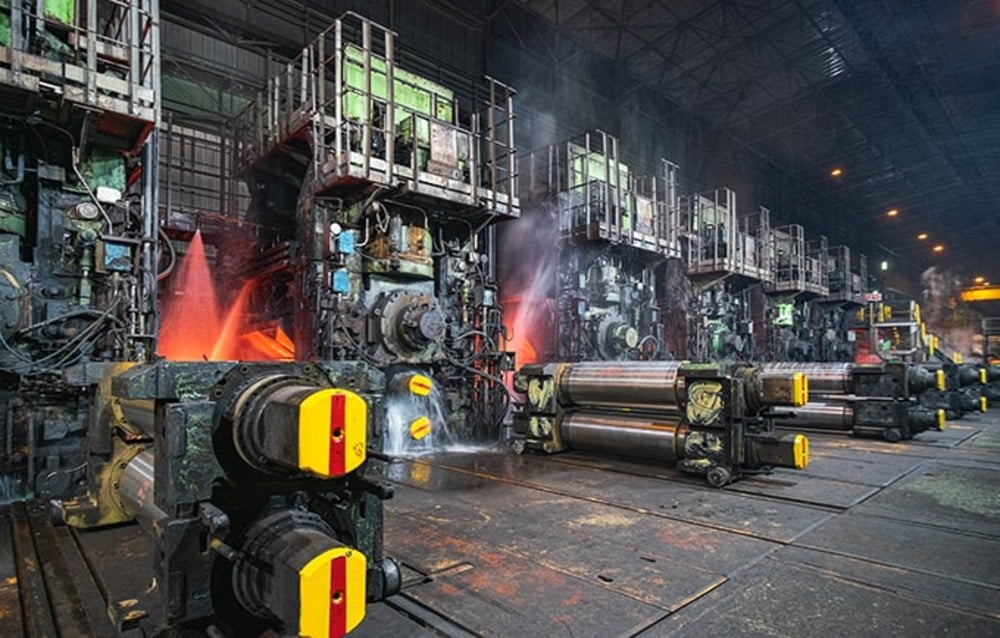
Infrared Thermography Camera technology has transformed how industries detect, diagnose, and maintain their systems. These cameras provide non-contact temperature measurement and visualization. This makes them essential for both safety and preventive maintenance. Precise thermal readings allow professionals to act before failures occur. These devices detect heat patterns invisible to the naked eye. They help improve operational efficiency and minimize risks. What is an Infrared Thermography Camera? An Infrared Thermography Camera captures infrared radiation emitted by objects. This radiation is converted into thermal images or temperature data. These images display heat distribution, highlighting anomalies and inefficiencies. Unlike conventional cameras, an infrared camera doesn’t rely on visible light. It reads heat signatures. An ir camera enables users to see temperature differences. This is useful for inspection, diagnostics, and real-time monitoring. Infrared Thermography Camera Applications Industries use Infrared Thermography Cameras to optimize processes and ensure safety. These tools offer vital insights across sectors, enhancing diagnostics and reducing downtime. Glass Manufacturing In glass manufacturing, temperature consistency is critical. Infrared Thermography Cameras help maintain the right heat levels during processing. Inconsistent temperature can cause product defects or equipment damage. These thermal cameras allow operators to monitor the temperature of glass surfaces in real time. Any uneven heating patterns can lead to flaws in the final product. By identifying these issues early, production teams can make immediate corrections. An ir imaging system checks for problems in furnaces and kilns as well. Overheating or insulation failure can lead to dangerous malfunctions. A camera with infrared capability detects hot spots before they become failures. This non-contact inspection improves workplace safety and reduces waste. Thermal imaging also helps monitor conveyor belts, rollers, and molds. Accurate temperature readings enable preventive maintenance, boosting efficiency and quality. Steel Plants Steel plants deal with extreme temperatures and massive machinery. An infrared ir camera becomes essential in such environments. Steel casting and rolling require accurate thermal control. Operators use an infrared camera to check the heat uniformity of slabs and billets. This prevents overheating and structural weaknesses. Real-time thermal monitoring ensures consistent product quality and minimizes material waste. EAF, tundish, and ladles must retain heat to function properly. A thermal imaging camera detects any thermal leaks or refractory damage. This helps avoid costly shutdowns and improves safety for workers. IR cameras also inspect the electrical systems and motors that power these operations. By spotting overloads or loose connections, they prevent equipment failure. These inspections improve uptime and reduce repair costs. Pharmaceutical Industry In pharmaceuticals, temperature-sensitive materials demand strict environmental control. An IR camera supports quality control and regulatory compliance in these settings. Manufacturers use thermal cameras to monitor production areas, cleanrooms, and storage zones. The camera with infrared capabilities ensures that conditions remain within safe limits. Any deviation can affect product quality or cause spoilage. Infrared thermography cameras also help during equipment validation. They detect overheating in mixers, reactors, and packaging machines. This allows early intervention and minimizes contamination risk. These tools also support HVAC monitoring. Maintaining stable airflows and clean environments is critical. An ir imaging system can detect air leaks or temperature imbalances quickly. Compliance with FDA and GMP standards is easier with thermal imaging. Regular thermographic audits ensure safe, effective production and long-term reliability. Defence and Security The defense sector depends heavily on infrared thermography. Surveillance, targeting, and maintenance all benefit from thermal imaging technology. Thermal cameras help soldiers and security forces detect threats in low visibility. An IR camera can detect heat signatures of hidden personnel, vehicles, or weapons. In aircraft and naval systems, a camera with infrared function assists with maintenance. It reveals electrical faults, fluid leaks, and overheating. Fast, accurate inspections reduce mission delays and enhance safety. Border control and perimeter surveillance use infrared ir cameras for monitoring vast areas. They function 24/7 without reliance on ambient light. Portable thermal imaging cameras are also used in field operations. They allow teams to act based on real-time thermal feedback. This improves decision-making and tactical response. Blast Furnace Monitoring Blast furnaces operate under extreme thermal conditions. Maintaining them requires precise and continuous temperature observation. Infrared thermography cameras provide this without human risk. Operators use thermal cameras to scan furnace shells and critical zones. These devices detect hot spots and structural weaknesses. Early detection prevents catastrophic failures and long downtimes. An IR camera monitors the uniformity of thermal loads. It helps optimize fuel use and reduce emissions. The infrared imaging system assists in inspecting cooling systems and detecting water leaks. Water entering a furnace can cause dangerous explosions. Using a camera with infrared capability allows for non-intrusive diagnostics. This reduces downtime and keeps processes stable. Maintenance crews can intervene before failures occur. Thermal imaging ensures energy efficiency and process reliability. It plays a crucial role in modern furnace operation and safety planning. Summary Infrared Thermography Cameras offer crucial insights across a wide range of industries. They detect hidden heat patterns and prevent costly failures. From manufacturing to defence, they provide fast, safe, and accurate temperature readings. Manglam Electricals delivers high-quality thermography solutions for demanding applications. Their infrared thermography cameras support preventive maintenance and operational excellence. With precise ir imaging systems, Manglam helps clients across steel, pharma, and glass sectors achieve top performance.

Factors to Consider While Buying Thermal Camera
Thermal cameras have revolutionized various industries by providing real-time insights into temperature variations. These innovative tools, also known as infrared cameras, allow users to see beyond the visible light spectrum and detect heat patterns in their environment. This capability is critical for electrical inspections, building diagnostics, energy audits, and even search-and-rescue missions. The thermal imaging camera, or infrared thermography camera, detects infrared radiation emitted by objects and converts it into an image that displays temperature differences in varying colors. Selecting the right camera with infrared functionality is crucial to ensure accuracy and efficiency in your tasks. With numerous options available on the market, understanding the technical specifications and key features of IR cameras will help you make an informed purchase. This article will examine the key factors to consider when selecting a thermal camera tailored to your specific needs. Thermal Camera Explained A thermal camera is designed to detect infrared radiation or heat emitted by objects and convert it into visible images. Unlike conventional cameras that rely on visible light, an infrared IR camera captures the infrared spectrum, which is invisible to the naked eye. The captured data is then processed and displayed as a thermal image where color variations represent different temperatures. This makes thermal cameras indispensable for identifying hidden problems, such as overheating electrical equipment or water leaks in walls. These thermal imaging cameras are used in various sectors, including construction, electrical maintenance, firefighting, and medical diagnostics. They provide clear visualizations of heat anomalies, making them a valuable tool for predictive maintenance, troubleshooting, and ensuring safety in high-risk environments. The infrared thermography camera is widely regarded for its precision and versatility. Components of A Thermal Camera A thermal camera operates through a combination of key components to capture and display thermal data. Each component plays a vital role in ensuring accurate imaging and performance. Below are the main components of a thermal camera: Optical System (Lens): The lens focuses infrared radiation from the scene onto the detector. It plays a crucial role in the camera’s field of view (FOV) and ensures the accuracy of the thermal image. The quality of the lens determines the clarity and sharpness of the captured image. Thermal Sensor (Detector Array): The thermal sensor, often an infrared sensor, is the heart of a thermal camera. It detects infrared radiation and converts it into an electrical signal, which is then transformed into a thermal image. These sensors come in varying resolutions, and the sensor quality directly impacts the accuracy of the readings. Signal Processing Electronics: The signal processing electronics take over after the thermal sensor captures data. These components convert the sensor data into a thermal image, adjusting for temperature variances and ensuring accurate output. The processing electronics also help filter noise and refine image quality. Mechanical Housing: The thermal camera housing is designed to protect the internal components, built to withstand rugged environments that include exposure to dust, water, and physical impacts. A well-constructed housing ensures the longevity and durability of the device in challenging conditions. Cooling System: In higher-end models, a cooling system is included to maintain the optimal operating temperature of the thermal sensor. This system ensures the sensor remains stable during extended use, preventing overheating that could distort readings and damage the equipment. Interface: The interface includes a USB or Ethernet connection that allows the user to operate the thermal camera. A user-friendly interface simplifies capturing images, adjusting settings, and accessing other features, such as thermal fusion or picture-in-picture mode. Software/Image processing: The image is obtained on a PC on the specific software. How To Choose the Best Thermal Camera? Factors Selecting the best thermal camera involves understanding the specific features and capabilities of the device. Here are the essential factors to consider before purchasing a thermal camera: Temperature Range The temperature range is one of the most crucial factors when choosing a thermal camera. This range determines the camera’s ability to measure high and low temperatures. A wide temperature range is necessary for industrial inspections or electrical maintenance to detect overheating components. Residential inspections or energy audits may only require a narrower range. Select a thermal imaging camera with a range that aligns with your specific application. Resolution (Detector and Spatial) Resolution affects the image quality and clarity. The detector resolution refers to the number of pixels in the thermal sensor. A higher resolution enables the camera to capture more detailed temperature data. Spatial resolution refers to the camera’s ability to detect and display objects at various distances. A higher spatial resolution is ideal for capturing fine details and accurately identifying minor heat anomalies, such as electrical faults or insulation defects. Thermal Sensitivity (NETD) Thermal sensitivity, or NETD (Noise Equivalent Temperature Difference), measures the camera’s ability to detect slight temperature differences. The lower the NETD value, the higher the sensitivity of the camera. An infrared IR camera with low NETD can detect subtle temperature variations, making it ideal for precision diagnostics. For example, a NETD value of 50mK or lower provides excellent sensitivity and allows for more accurate measurements in complex environments. Field of View (FOV) and Lens Options The field of view (FOV) defines the area the thermal imaging camera can scan. A larger FOV allows you to capture a broader area in a single image, making it more effective for inspecting large surfaces like building walls or electrical panels. Smaller FOVs are ideal for pinpointing specific issues, such as small leaks or overheating components. Some cameras offer interchangeable lenses, providing flexibility for various applications. Focus Capabilities (Fixed, Manual, Autofocus) Thermal cameras come with different focusing mechanisms. Fixed focus cameras are simple but may struggle with varying distances. Manual focus allows users to adjust for optimal clarity, especially in dynamic environments. Autofocus cameras automatically adjust the focus, offering convenience for rapid inspections and precise measurements. Depending on the application, autofocus may be the best choice for environments that require continuous adjustment. Spectral Range The spectral range refers to the infrared wavelengths a thermal camera can detect. Most infrared

How is Infrared for Camera A Boon for Condition Monitoring?
Infrared for camera technologies are revolutionizing the world of condition monitoring. These systems capture invisible thermal radiation and convert it into actionable visual data. By identifying subtle temperature differences, infrared camera solutions allow industries to detect early signs of mechanical or electrical failure without physical contact or disruption to operations. Modern infrared cameras, such as infrared thermography camera systems, offer precise fault detection in dynamic environments. These tools prevent downtime, improve asset lifespan, and support safety compliance across critical infrastructure, from substations to high-speed turbines. How Does an Infrared Camera Work? Before understanding the wide application, let’s examine how infrared camera systems function on a technical level. An IR camera detects infrared radiation (heat) emitted by objects. Everything above absolute zero emits some IR energy, and higher temperatures emit more radiation. The key is that this energy is invisible to the naked eye, but an infrared ir camera can detect and visualize it. Step 1: Infrared Radiation Detection The process begins when a lens focuses infrared radiation onto a detector array, typically made of materials like vanadium oxide or indium antimonide. These detectors convert thermal energy into an electrical signal. Step 2: Signal Processing The electrical signals are sent to a processor. The processor uses mathematical algorithms to generate a detailed thermogram—a visual heat map of the scene. Step 3: Image Rendering This thermogram is displayed as a colored image on a screen. Warmer areas might appear red or white, while cooler areas appear blue or black. This makes it easy to spot abnormalities. Step 4: Calibration and Compensation Advanced thermal imaging camera systems use temperature calibration, emissivity adjustment, and environmental compensation to provide accurate data, even in challenging environments such as dusty factories or outdoor substations. Step 5: Data Integration High-resolution infrared camera systems often connect to enterprise software platforms for automated alerts, long-term trend analysis, and predictive maintenance programs. Applications of Infrared for Camera in Condition Monitoring Infrared camera solutions are extensively used in various industries for real-time diagnostics and safety assurance. Below are key condition monitoring applications where thermal inspection plays a vital role. Refractory Monitoring in Steel Plants A dedicated Thermal Camera can be deployed for 24/7 monitoring of Critical assets’ outer shell, like Tundish, EAF, Ladle, tuyeres, etc. They might be programmed to trigger an alarm whenever an abnormal temperature rise occurs. This proactive approach not only enhances safety but also protects assets worth crores, ensuring uninterrupted operations and peace of mind for the concerned firms. Gas Cylinder Filling Defects In gas bottling plants, incorrect filling may not be visible, but thermal anomalies reveal these flaws. A thermal camera can detect subtle temperature differences between correctly filled and improperly filled cylinders. Uneven heat distribution across a cylinder’s surface typically indicates underfilled or overfilled units. This ensures safety and avoids potential gas leaks, which can lead to accidents or production halts. Electrical Substation Monitoring Electrical substations handle high-voltage power, making manual inspections risky and inefficient. An infrared camera helps detect loose connections, overheating insulators, and failing breakers by identifying hotspots in real time. Thermal anomalies appear long before any visible smoke or damage. Using an infrared thermography camera helps reduce unplanned outages, improve system reliability, and enhance workforce safety. High Voltage Electrical System Monitoring High-voltage systems, such as transformers, switchgear, and circuit breakers, generate heat due to current flow. A thermal imaging camera identifies overheating conductors, arcing, or insulation degradation. IR imaging systems provide a non-invasive way to spot developing faults that could otherwise lead to short circuits, fire hazards, or equipment failure. This proactive maintenance strategy is crucial for power generation and distribution utilities. Predictive Maintenance Infrared for camera tools are central to predictive maintenance. By performing regular thermal scans of motors, conveyors, and gearboxes, engineers can track temperature trends over time. Unusual heat signatures often indicate bearing wear, shaft misalignment, burning of conveyor belts, or lubrication failure. A high-resolution infrared camera helps plan maintenance schedules efficiently, reducing unplanned downtime and minimizing repair costs. Brushes in Dam Turbines Hydroelectric power stations rely on brush contacts within turbines. As brushes wear, they create uneven friction, leading to local overheating. An infrared camera can monitor brush temperatures and reveal degradation before mechanical failure occurs. Replacing brushes proactively ensures uninterrupted electricity generation and avoids catastrophic turbine damage. Thermal Management in HVDC Valve Halls HVDC (High Voltage Direct Current) systems depend on temperature-sensitive electronic valves. These systems generate significant heat, especially in valve halls. An infrared ir camera continuously monitors these valves for thermal irregularities. If a cooling system fails or a module begins overheating, the IR camera detects it instantly, triggering alarms. This supports thermal balancing and prevents costly valve shutdowns or insulation breakdowns. Advanced Benefits of Infrared Camera Systems Non-Invasive Analysis Unlike other diagnostic tools, an IR camera can perform inspections without halting operations. This makes it ideal for 24/7 monitoring in mission-critical environments. Real-Time Alerts and Integration Modern infrared thermography camera systems offer built-in software tools. These tools analyze thermal data in real time and provide automated alerts. Integration with SCADA or asset management systems allows seamless workflow. Long-Term Trend Monitoring Thermal inspections help build historical heat maps of equipment. These insights support trend-based condition monitoring, making predictions more accurate over time. High Resolution and Precision A high resolution infrared camera captures more pixels per frame, allowing detection of minor defects. This is essential in detailed inspections, such as circuit boards, switchgear, or rotating machinery. Conclusion Infrared for camera solutions are redefining how industries approach condition monitoring. With fast detection, non-contact analysis, and automated data processing, IR imaging systems enable proactive maintenance, improved safety, and enhanced operational efficiency. They help businesses reduce unscheduled downtime, extend equipment life, and avoid costly failures. Manglam Electricals is one of the trusted players providing industrial-grade thermal imaging camera systems. Their infrared ir camera solutions are tailored for heavy industries, including energy, manufacturing, and utilities. Manglam’s high-resolution infrared camera offerings combine rugged design with high sensitivity, making them ideal for predictive maintenance and thermal diagnostics. These solutions ensure industrial clients

Thermography Camera in Solar Industry: Applications
In the modern solar industry, the use of a thermography camera has revolutionized how professionals detect and monitor various issues in solar panels. A thermal imaging camera enables technicians to detect temperature differences on solar modules, facilitating the identification of faults such as hotspots or damaged components. The ability to visualize infrared radiation emitted by objects makes this camera essential for efficient and precise inspections, significantly reducing the chances of costly failures. With the increasing demand for renewable energy, infrared cameras have become a critical tool for solar companies aiming to optimize the performance of their solar systems. By detecting problems early, infrared (IR) cameras can enhance system efficiency and reduce the likelihood of downtime, which could impact overall energy production. Thermography Camera Explained A thermography camera is a device that uses infrared technology to detect heat patterns on surfaces, displaying temperature variations in real-time. This IR imaging system helps create clear thermal images, which can be analyzed to identify anomalies like overheating, malfunctioning components, or electrical inefficiencies. These cameras detect infrared radiation, which is invisible to the naked eye, providing an essential tool for various industries, including the solar sector. The core function of a thermal camera is to create thermal images or thermograms that reveal temperature distributions across objects. In the solar industry, this allows for non-destructive testing and fault detection. By using a camera with infrared capabilities, technicians can quickly assess the condition of solar panels, ensuring they are operating efficiently and safely. With this technology, issues that would normally go unnoticed can be addressed promptly, enhancing system performance. Applications of Thermography Camera in the Solar Industry Solar Cell Flashers In solar cell manufacturing, infrared cameras are crucial for testing the electrical performance of cells. Solar cell flashers use thermal imaging to simulate sunlight exposure, and infrared IR cameras can capture temperature variations across the surface of cells. This helps in identifying weak spots or inconsistencies in the material, ensuring only the highest quality cells are used for solar panel assembly. Such precision results in better efficiency and reduced defect rates. Solar Module Manufacturing In solar module manufacturing, the integration of thermal imaging cameras ensures better quality control. Infrared cameras are used to monitor the temperature during the lamination process, which is crucial for bonding solar cells to the glass layer. Temperature anomalies during this phase may lead to improper adhesion, affecting the overall durability of the solar module. By using an IR imaging system, manufacturers can identify potential issues early, ensuring that the modules meet the desired performance standards. Steady State Thermographic Inspection During steady-state thermographic inspection, a thermal camera is used to monitor the operation of solar panels under normal conditions. By scanning solar panels in operation, infrared IR cameras can identify areas where heat is concentrated, indicating potential hotspots or inefficiencies. This proactive monitoring is critical for preventing system failures and optimizing energy output by pinpointing defective or underperforming modules in the array. Soldering & Tabbing In the manufacturing process of solar modules, soldering and tabbing are vital processes. Here, thermal cameras play a significant role in ensuring the correct temperature during soldering. If the temperature is too high or too low, it could affect the integrity of the solar cells. Infrared IR cameras help technicians monitor the soldering process, ensuring the correct application of heat. This ensures that no cells are damaged, and the module performs efficiently once deployed. Weak Shunt Identification A key application of infrared cameras in the solar industry is the identification of weak shunts in solar modules. Shunts are responsible for ensuring proper current flow, and any failure in their function can lead to significant power loss. Using a thermal imaging camera, technicians can detect areas of abnormal heat distribution caused by a weak or failed shunt, allowing for swift replacement and preventing further damage or power loss. This type of inspection enhances the longevity and reliability of solar modules. Conclusion The use of thermography cameras in the solar industry has become indispensable for ensuring optimal performance and longevity of solar panels and systems. The technology offers real-time, non-invasive inspections, making it easier to spot faults early and avoid costly repairs. By identifying problems like weak shunts, faulty soldering, or poor adhesion during manufacturing, infrared IR cameras provide an efficient solution for enhancing solar panel efficiency. At Manglam Electricals, our advanced thermal cameras are tailored to meet the specific needs of the solar industry. With our cutting-edge technology, we offer high-quality infrared cameras designed to boost the operational performance of solar systems and prevent unexpected downtime. Trust Manglam Electricals for your thermal imaging needs to take your solar projects to the next level.

Applications of Infrared IR Camera in Blast Furnaces
Using an Infrared IR Camera in blast furnaces has significantly improved the ability to monitor extreme heat and process conditions. These cameras are essential in detecting thermal anomalies, preventing failures, and optimizing efficiency in high-temperature environments like steel and metal production. Accurate and timely thermal data is crucial in industries dealing with intense heat. Integrating advanced infrared imaging technology ensures safer, more precise operations, minimizing downtime, and enhancing productivity in furnace-related processes. What is an Infrared (IR) Camera? An infrared IR camera is a non-contact temperature measurement device that captures thermal radiation emitted by objects. It translates this radiation into visual images, making it easier to assess heat distribution and detect abnormalities. Unlike conventional cameras, infrared cameras are sensitive to wavelengths beyond visible light. They are widely used in industries for predictive maintenance, quality control, and safety applications, offering a reliable method to visualize invisible heat signatures. Components of an Infrared IR Camera Modern infrared IR cameras are composed of several crucial components: Lens: The lens focuses infrared radiation onto the detector. It is specially made from materials like germanium that allow IR radiation to pass through. Infrared Detector: This sensor captures thermal radiation and converts it into electrical signals. Its sensitivity defines the camera’s resolution and thermal accuracy. Signal Processing Unit: Converts the electrical signals into a thermal image. It includes algorithms that enhance image clarity and accuracy. Display and Interface: Shows real-time thermal images and provides user interaction through touchscreens or external connections for monitoring systems. Applications of Infrared IR Camera in Blast Furnaces Infrared IR cameras play a pivotal role in maintaining safety and efficiency in blast furnace operations. Here’s how they’re applied: Furnace Shell Temperature Monitoring One of the biggest challenges in blast furnace management is monitoring the shell’s external temperature. Excessive heat on the shell can indicate refractory damage or cooling system failure. IR cameras detect these hotspots early. With real-time alerts, maintenance teams can take preventive action, reducing the risk of unplanned shutdowns or catastrophic damage. Tuyere Inspection The tuyere zone is subject to extreme thermal stress and is crucial in hot blast delivery. Operators can use an infrared IR camera to monitor temperature variations around the tuyeres. This helps detect hot spots, ensuring stable operations and extended lifespan. Tap Hole Monitoring: Tap holes are critical for the controlled release of molten iron. Monitoring their temperature is essential for operational safety. An infrared IR camera continuously tracks the temperature around tap holes, identifying potential overheating or refractory wear. This prevents accidents and improves tapping consistency. Molten Metal Temperature at Runner: Continuous monitoring of the molten metal at the runner, to improve the production and quality of the molten metal. By using IR camera, measure multiple point temperatures to eliminate the slag temperature also. Refractory Lining Evaluation Over time, the refractory lining inside a blast furnace wears out. Thermal cameras can detect early signs of wear by capturing uneven heat patterns. Scheduled inspections using infrared imaging allow timely maintenance, reducing the risk of expensive refractory failures. Conclusion Infrared IR cameras have transformed how blast furnace operations are monitored and maintained. Their ability to offer precise, real-time thermal data allows for proactive maintenance, ensuring safer working conditions and improved efficiency across the furnace lifecycle. Manglam Electricals provides high-performance IR cameras tailored for harsh industrial environments. With features like high thermal sensitivity, rugged design, and advanced imaging capabilities, their infrared cameras deliver unmatched performance in the demanding conditions of blast furnaces. Their commitment to innovation and reliability makes them a trusted partner in industrial automation.
Utilizing Camera with Infrared in Rolling Mills
A camera with infrared has become an essential tool in the modern rolling mill industry. By detecting heat signatures in real time, it ensures precision and safety during high-temperature metal processing. This technology improves quality control, faster operations, and reduces equipment wear. Rolling mills operate in high-heat environments where human inspection is limited. A camera with infrared technology bridges this gap, offering operators valuable thermal insight. As the demand for high-performance metals grows, so does the need for accurate and responsive monitoring systems. What is a Camera with Infrared? A camera with infrared, also known as an infrared camera or thermal imaging camera, is designed to detect infrared radiation emitted by objects. This radiation is then converted into a visible image, enabling the visualization of temperature differences. These cameras are crucial in monitoring heat-critical processes. Unlike standard visual cameras, these devices are equipped with infrared thermography sensors. They identify thermal anomalies and enable real-time feedback. Used across various industries, their role in heavy-duty sectors like rolling mills is indispensable. Camera With Infrared in Rolling Mills Infrared imaging systems in rolling mills transform how metals are processed and monitored. Here are several impactful applications: Temperature Monitoring During Hot Rolling In hot rolling processes, maintaining consistent metal temperature is critical. A camera with infrared provides non-contact monitoring, capturing surface temperatures accurately. The challenge arises when temperature fluctuations cause uneven rolling. Solution: Real-time thermal camera feedback enables immediate process adjustments, maintaining product integrity and energy efficiency. Detection of Mechanical Failures High-speed machinery in rolling mills can overheat or develop faults. IR cameras can detect overheating in components like bearings, rollers, or motors before failure occurs. The challenge is that visual inspection may miss early signs. Solution: A thermal imaging camera highlights hotspots early, preventing unexpected downtime. Quality Control of Rolled Products Surface defects often stem from temperature inconsistencies. An infrared camera helps identify these defects by mapping heat distribution across metal surfaces. Manual inspection usually overlooks internal defects. Solution: Infrared thermography camera systems provide a complete heat map, revealing imperfections invisible to the naked eye. Optimizing Cooling Stages Post-rolling, metals go through rapid cooling. Controlling this process ensures the desired microstructure. A thermal camera captures cooling rates in real-time. Challenge: Uneven cooling can compromise product strength. Solution: Thermal imagery ensures uniform cooling, helping operators fine-tune water spray or air-blast systems. Automation and Feedback Control In automated rolling systems, integrating these devices improve process intelligence. IR imaging system data feeds into control algorithms. Challenge: Manual temperature checks slow down automation. Solution: Seamless integration of infrared IR cameras enables automated decision-making and consistent throughput. Maintenance of Lubrication and Cooling Systems Improper lubrication leads to excessive heat buildup in moving parts. A thermal imaging camera spots rising temperatures caused by lubrication failures. Challenge: These issues are invisible until a breakdown. Solution: Infrared thermography camera inspection ensures timely corrective measures. Conclusion Integrating a camera with infrared in rolling mills has revolutionized temperature-sensitive operations. These systems enhance safety, improve product quality, reduce downtime, and support automation. Their ability to detect subtle heat changes enables engineers to intervene early, optimizing energy use and performance. Manglam Electricals offers a comprehensive range of high-precision IR camera solutions for heavy industrial environments like rolling mills. Their thermal imaging systems are built for durability, clarity, and precision, ensuring consistent monitoring and operational excellence. Partnering with Manglam Electricals ensures long-term thermal reliability.

Thermal Camera in Defense Industry: Applications and More
A thermal camera has become indispensable in the defence sector, offering unmatched surveillance and target acquisition capabilities. It uses thermal imaging to capture temperature variations even in complete darkness, fog, or camouflage conditions, proving crucial for battlefield awareness and border security. In modern warfare and security operations, decision-making speed and situational awareness are paramount. Thermal cameras provide defence forces with strategic advantages, enabling accurate detection and real-time monitoring under extreme conditions. What is a Thermal Camera? A thermal camera, also known as an infrared camera, detects heat signatures emitted by objects and living beings. Unlike standard cameras, it forms images based on temperature differences, making it highly effective in low-light and challenging visibility environments. These devices use infrared thermography technology to display heat maps highlighting hot and cold zones. This functionality makes thermal cameras essential for detecting hidden threats, monitoring battlefield environments, and guiding tactical operations. Applications of Thermal Camera in the Defense Industry Thermal cameras are widely used in various Defense operations to enhance safety, precision, and response time. Below are some critical applications where they play a transformative role: Border Surveillance and Intruder Detection In border areas with limited lighting, detecting unauthorized movement can be challenging. Thermal imaging cameras help identify heat signatures of intruders, even through foliage or during nighttime. The challenge is often differentiating animals from humans. Solution: Integrating artificial intelligence with IR imaging systems allows for better classification and reduced false alarms. Equipment Maintenance/Overheating Detection Defense vehicles and weapon systems generate significant heat. Monitoring this through thermal imaging can prevent malfunctions. A challenge arises in identifying abnormal heat in complex machinery. Solution: Regular IR camera scans help establish baselines, making it easier to detect anomalies. Naval and Submarine Detection Ships and submarines emit heat that can be detected on the water’s surface or from aerial platforms. Traditional radar may not always be effective. Solution: A thermal camera can detect small heat trails or exhaust signatures, providing an edge in naval warfare. Research & Development: Weapon and Ammunition Testing: Thermal imaging helps characterize objects in the thermal spectrum for target identification, countermeasures deployment, and camouflage research. Engine and Component Design & Material Science: Thermal cameras can monitor the temperature of critical components during testing and development, helping engineers understand their performance and identify potential issues. Thermal imaging can be used to study the thermal properties of materials used in weapon systems. Non-destructive Testing: Thermal imaging can detect defects in materials and components without damaging them, like identifying cracks or voids in metal. Process Control: In manufacturing processes, thermal cameras can monitor temperatures, detect variations, and ensure that the production process is running optimally. Other Applications: R&D organization also uses thermal cameras in various other applications, including the development of new technologies and the integration of thermal imaging with other systems, such as radar and other EO sensors. Conclusion Thermal cameras are a cornerstone of modern Defense systems, allowing for enhanced visibility, improved safety, and accurate threat detection in diverse conditions. Their ability to visualise heat uniquely suits them for night-time operations, search and rescue, and equipment health monitoring. Manglam Electricals stands at the forefront of delivering advanced IR camera solutions tailored for Defense needs. Its range of thermal cameras combines durability, precision, and cutting-edge technology to support missions critical to national security. By offering reliable infrared camera systems, Manglam Electricals strengthens operational readiness and tactical efficiency.

Infrared Camera in Pharma Industry: Applications & More
An infrared camera has become a vital tool in the pharmaceutical industry, enabling precise thermal imaging for process monitoring, quality control, and equipment maintenance. Its ability to detect subtle temperature variations allows pharma manufacturers to achieve stringent regulatory compliance and avoid costly product failures in highly sensitive environments. As the pharmaceutical industry increasingly adopts automation and data-driven quality assurance, infrared cameras - also called IR cameras or thermal cameras - offer real-time insights that help optimize safety and efficiency across critical production lines. What is An Infrared Camera ? An infrared camera is a device that detects infrared radiation (heat) emitted by objects and converts it into a visual image. Unlike traditional cameras that capture visible light, IR cameras visualize temperature differences, making them ideal for inspecting objects or environments where heat patterns matter more than appearance. Infrared thermography cameras are widely used in sectors requiring non-contact and non-invasive inspection techniques. In the pharmaceutical industry, where even a slight temperature variation can affect drug quality, this technology ensures consistent monitoring without disrupting sterile or controlled environments. Applications of Infrared Camera in Pharma Industry Infrared cameras serve various critical functions across pharmaceutical facilities. Let’s explore key applications, including the challenges and how IR imaging helps address them. Sterile Environment Monitoring Maintaining a sterile production environment is paramount in pharmaceutical manufacturing. Traditional sensors may miss micro temperature changes that indicate contamination or equipment malfunction. Infrared cameras provide real-time thermal imaging of cleanrooms to detect HVAC inconsistencies. Lyophilization Control Freeze-drying, or lyophilization, is widely used for temperature-sensitive pharmaceuticals. It requires precise control over product temperature during sublimation. Infrared cameras provide real-time visuals of temperature gradients across vials, enabling process optimization. Tablet Compression Uniform temperature distribution is essential during tablet compression and coating processes. Inconsistent heating may lead to defective pills with poor drug release profiles. An infrared thermography camera helps monitor these stages non-invasively and continuously. Quality Assurance Detecting temperature discrepancies during the final stages of production can prevent the release of substandard drugs. A thermal camera offers a non-destructive testing method that uncovers hidden defects like sealing issues in blister packs or compromised insulation in containers. Predictive Maintenance Machinery like mixers, conveyors, and packaging units undergo wear and tear. Early detection of overheating components through infrared thermography can prevent costly breakdowns and downtime. Cold Chain Validation Temperature-sensitive drugs, including vaccines and biologics, require a continuous cold chain from production to distribution. IR cameras help validate refrigerated storage units, transport vehicles, and packaging insulation for uniform cooling. Conclusion The pharmaceutical industry demands precision, safety, and strict regulatory compliance. Infrared cameras have emerged as crucial assets in maintaining these standards, from manufacturing to storage. Their non-contact functionality, real-time monitoring, and ability to detect invisible faults make them ideal for high-stakes environments like pharma. Manglam Electricals offers high-performance infrared cameras tailored for pharmaceutical applications. With robust build quality, advanced thermal sensors, and user-friendly software, their cameras help manufacturers improve process reliability, detect failures early, and comply with global standards. As pharma continues to evolve, Manglam Electricals ensures that its IR cameras support this transformation with trusted technology. Buy Infrared Cameras

How Thermal Imaging Cameras Are Transforming Industrial Inspections
In today’s fast-paced industrial landscape, innovation is critical in optimizing operations and ensuring safety. The thermal imaging camera is a groundbreaking technology that is reshaping the way inspections are conducted. With its ability to detect temperature variations and provide precise data, a thermal camera has become an indispensable tool across various industries. The adoption of thermal imaging cameras has been revolutionary, from enhancing predictive maintenance to improving workplace safety. This article explores how these cameras transform industrial inspections, their diverse applications, and why choosing the best thermal camera can make all the difference. What Is a Thermal Imaging Camera? A thermal imaging camera, also known as an IR camera or infrared camera, is a device that captures temperature differences in the form of infrared radiation. Unlike traditional cameras, which rely on visible light, these cameras detect heat energy emitted by objects. The collected data is then processed into a thermal image, visualizing temperature variations. Industries rely on infrared thermal imaging cameras to identify potential issues that are otherwise invisible to the naked eye. Whether pinpointing electrical faults or detecting insulation gaps, these cameras have become a cornerstone of modern inspections. Key Benefits of Thermal Imaging Cameras in Industrial Inspections 1. Non-Destructive Testing One of the standout advantages of using a thermal image camera is its non-invasive nature. Unlike traditional inspection methods that may require dismantling machinery or equipment, a thermal camera allows inspectors to perform assessments without causing damage. This not only saves time but also reduces operational downtime. 2. Enhanced Predictive Maintenance Predictive maintenance is crucial for ensuring uninterrupted operations and infrared cameras play a vital role. By detecting heat anomalies in equipment, such as motors, bearings, or electrical circuits, these cameras enable industries to address issues before they escalate into costly failures. 3. Improved Safety Standards Safety is paramount in any industrial setting. A thermal imaging camera helps identify overheating equipment, potential fire hazards, and electrical faults, significantly reducing the risk of accidents. With the best IR camera, industries can maintain a safer work environment for their employees. 4. Energy Efficiency In many industries, energy efficiency is closely tied to profitability. Thermal imaging cameras can detect heat loss areas, such as poorly insulated pipes or ducts, allowing companies to implement corrective measures. By addressing these inefficiencies, businesses can lower energy consumption and reduce costs. Applications of Thermal Imaging Cameras Across Industries The versatility of infrared cameras has made them an essential tool across various sectors. Here’s how they are being utilized: 1. Manufacturing and Process Industries Precision is key in manufacturing. A thermal image camera helps monitor machinery temperatures, ensuring optimal performance. These cameras are invaluable for quality control for industries like steel and glass production, where extreme temperatures are involved. 2. Oil and Gas Sector The oil and gas industry deals with high-risk environments where safety is critical. A thermal camera detects gas leaks, monitors pipelines, and ensures storage tanks’ integrity, significantly reducing the likelihood of catastrophic incidents. 3. Renewable Energy Solar farms and wind turbines require regular inspections to maintain efficiency. A thermal imaging camera can identify faulty solar panels or overheated turbine components, ensuring consistent energy production. 4. Automotive Industry Thermal imaging revolutionizes vehicle diagnostics by identifying overheating components like engines and exhaust systems. Automotive engineers can enhance vehicle performance and safety with an infrared thermal imaging camera. 5. Electrical Inspections Electrical systems often generate heat before a fault occurs. A thermal imaging camera can detect hotspots in wiring, breakers, and transformers, preventing potential failures or fires. Regular thermal inspections with an infrared thermal imaging camera are now standard practice in electrical maintenance. 6. Construction and Building Inspections In construction, infrared cameras identify insulation gaps, water leaks, and structural defects. Inspectors can quickly locate problem areas by visualizing temperature differences, making building maintenance more efficient. How to Choose the Best Thermal Camera for Your Needs With various options available in the market, selecting the best IR camera for industrial inspections can be challenging. Here are some factors to consider: Resolution: A higher resolution ensures more transparent and detailed thermal images, making it easier to identify issues. Temperature Range: Choose a thermal camera with a suitable temperature detection range depending on your industry. Portability: Lightweight and compact cameras are ideal for on-the-go inspections. Integration Features: Look for cameras with features like wireless connectivity, data logging, and software compatibility for seamless integration into your workflow. Durability: Industrial environments can be harsh, so opt for a rugged infrared camera that can withstand tough conditions. By investing in the best thermal camera, industries can significantly enhance the efficiency and accuracy of their inspections. The Future of Thermal Imaging Cameras in Industrial Inspections As technology advances, thermal imaging cameras are becoming more sophisticated and accessible. Innovations like AI-powered thermal analysis, real-time monitoring, and automated reporting are set to further transform industrial inspections. These developments will improve efficiency and open new possibilities for the application of infrared cameras. Moreover, the demand for sustainable practices drives industries to adopt technologies like infrared thermal imaging cameras for energy audits and environmental monitoring. The future of thermal imaging is bright, and its role in industrial operations is expected to grow. Staying ahead in the ever-evolving industrial world requires leveraging the latest tools and technologies. Thermal imaging cameras are game changers, offering unparalleled precision, efficiency, and safety. They are indispensable for modern industrial inspections, from detecting faults in electrical systems to improving energy efficiency. If you want to revolutionize your inspection processes, investing in the best IR or infrared camera is a step in the right direction. Explore a range of advanced thermal imaging cameras at Manglam Electricals and take your industrial operations to the next level.
Thermal Imaging or Pyrometers: A Guide for Accurate Measurement
Accurate temperature mapping is an absolute in various applications, depending on which the quality of further results entirely co-dependent. From ensuring the structural integrity of buildings to optimizing industrial processes, the ability to precisely quantify thermal variations hold immense weight in terms of guaranteeing safety, quality control, and efficiency. Two dominant technologies have emerged to address this need: thermal imaging and IR pyrometer. While both instruments serve the purpose of temperature measurement, they operate on fundamentally different principles and cater to distinct applications. Understanding these disparities is fundamental to selecting the right tool for the job. What is Thermal Imaging? Thermal imaging is a process of capturing thermal radiation emitted from an object and translates it into a visible range. This process leverages the concept of emissivity, a material property that dictates how efficiently it radiates energy at a given temperature. Thermal imagers are highly sensitive to infrared radiation, which is invisible and distinct from the visible spectrum. The captured infrared energy is then converted into electrical signals and processed to generate a two-dimensional temperature map, known as a thermogram. Each pixel within the thermogram corresponds to a specific area on the target object, and its colour intensity represents the relative temperature at that point. Advantages of Thermal Imaging Non-contact temperature measurement: Thermal imagers take temperature readings without physically coming into contact with the target surface. This offers a significant advantage in situations where direct contact is impractical or undesirable, such as measuring temperatures of hazardous materials or moving objects. Visual representation of temperature distribution: Unlike point measurements from conventional thermometers, thermal imaging provides a holistic view of temperature variations across an entire area. This allows for the identification of temperature patterns, anomalies (hot spots and cold spots), and potential areas of concern. Improved efficiency and safety: Thermal imaging inspections can be conducted swiftly and from a safe distance, minimizing downtime and potential hazards associated with traditional contact-based measurement techniques. Applications of Thermal Imaging Building inspection: Thermal imaging Camera is a valuable tool for building inspectors to identify air leaks, insulation deficiencies, moisture infiltration, and potential structural defects. Industrial maintenance: Predictive maintenance programs extensively utilize thermal imaging to detect overheating equipment components, impending bearing failures, and malfunctioning electrical systems. Research and development: Thermal imaging plays a crucial role in various research and development endeavours, such as monitoring heat dissipation in electronic components, analysing thermal behaviour of materials, and evaluating the effectiveness of insulation systems. Understanding Pyrometers A high temperature pyrometer, also known as non-contact thermometers, measures temperature by detecting the electromagnetic radiation emitted from an object. They focus on a specific wavelength band that corresponds to the object’s temperature. The intensity of the radiation within this wavelength band is then converted into an electrical signal and calibrated to provide a temperature reading. There are two main types of pyrometers: radiation pyrometers and optical pyrometers. Radiation pyrometers: These pyrometers function across a wider range of infrared wavelengths and are suitable for measuring the temperature of various materials. Optical pyrometers: These pyrometers rely on the principle of Wien’s law, which states that the peak wavelength of radiation emitted by an object is inversely proportional to its temperature. By measuring the peak wavelength of the emitted light, optical pyrometers can determine the object’s temperature. Advantages of Pyrometers Precise point temperature measurement: Pyrometers excel at providing highly accurate temperature readings for specific points on a target object. Fast response time: Due to its focused measurement approach, a non contact pyrometer delivers temperature readings with minimal lag, making them ideal for dynamic applications. Remote measurement capability: Similar to thermal imagers, pyrometers allow for temperature measurement from a safe distance, eliminating the need for direct contact with the target surface. Applications of Pyrometers Process control: A pyrometer is widely used in industrial settings for continuous temperature monitoring and control in processes like metal forging, glass manufacturing, and heat treatment. Metalworking: Pyrometers are highly useful in metalworking operations such as welding, brazing, and soldering, ensuring that materials reach the optimal temperature for proper bonding. Kiln and furnace monitoring: In industries like ceramics and glass production, a two color pyrometer essentially aids in monitoring and controlling the temperature within kilns and furnaces to achieve the desired material properties. Thermal Imaging vs. Pyrometers: A Comparison While both thermal imaging and pyrometers serve the purpose of temperature measurement, they cater to distinct needs and applications. Here’s a head-to-head comparison of some key features to aid you in selecting the right tool: Feature Thermal Imaging Pyrometers Measurement range Typically wider, covering both low and high temperatures Generally narrower, optimized for specific temperature ranges Accuracy Can vary depending on factors like distance, emissivity, and atmospheric conditions Often higher precision for point measurements Field of view Wide-angle coverage for capturing temperature distribution Narrow field of view focused on a specific target Response time Slower compared to pyrometers due to image processing Faster response time, suitable for dynamic measurements Cost Generally higher due to the imaging system Typically lower cost compared to thermal imaging When to Use Thermal Imaging: Large area temperature distribution analysis Identifying temperature anomalies and patterns Non-contact measurement in hazardous environments Building inspection and energy audits Predictive maintenance in industrial settings When to Use Pyrometers: Precise point temperature measurement Fast-moving targets or rapidly changing temperature processes High-temperature applications Process control and monitoring Kiln and furnace temperature control Choosing between thermal imaging and pyrometers demands a careful evaluation of specific application needs. Factors responsible for influencing this decision include the nature of the target object, desired temperature range, and the type of data required – a temperature map or a precise point measurement. Along with the improvised efficiency of your concerned application and its safety getting enhanced, don’t forget to consider budget constraints around thermal cameras and infrared pyrometer price which also involve the associated accessories, and ongoing maintenance. To find the best temperature measurement solutions for your applications, contact Manglam Electricals today to learn more. We have diverse range of pyrometer with intended specifications helping you attain accurate numbers