
Found 139 Results
Page 13 of 14
Page 13 of 14
Page 13 of 14
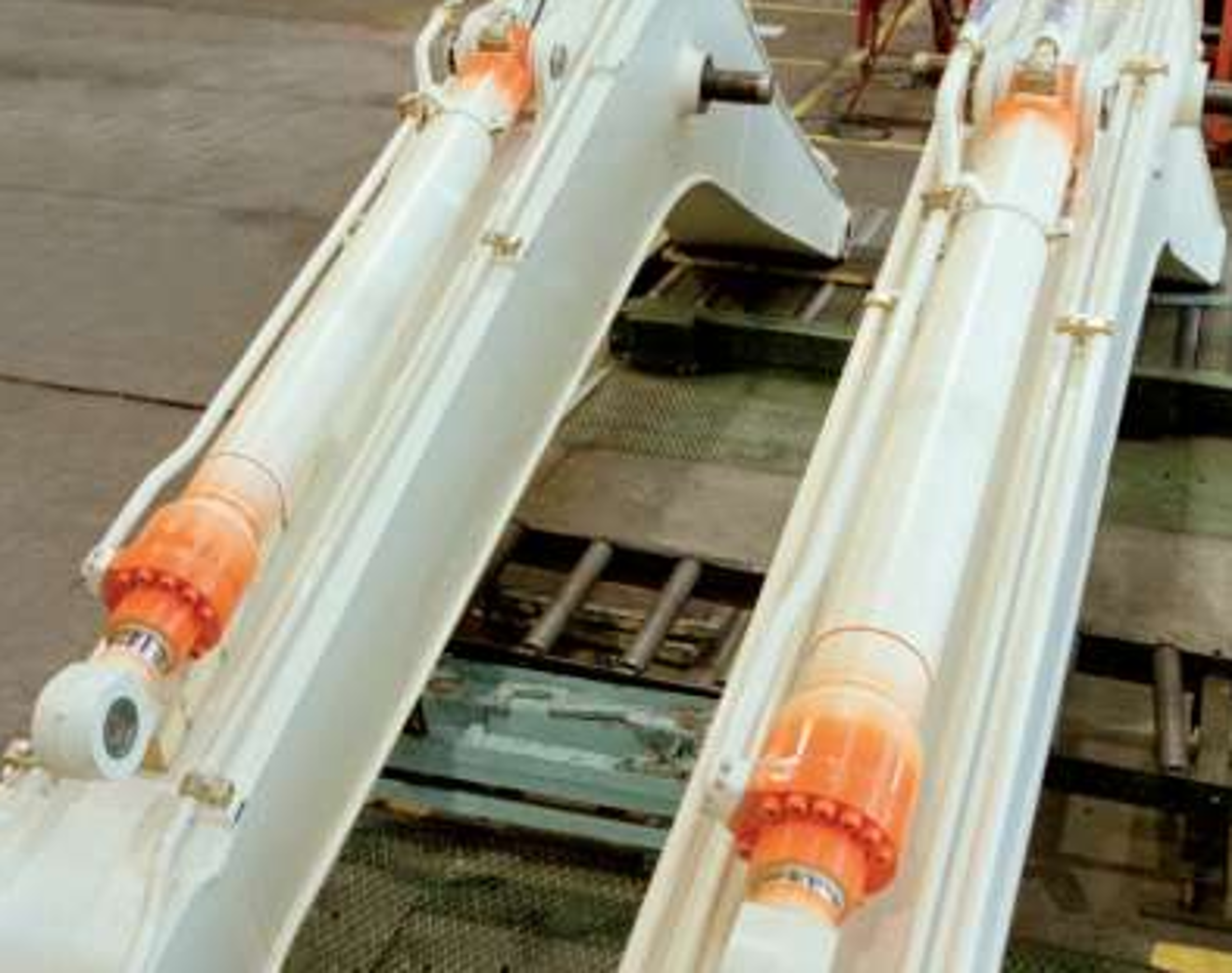
Object position detection at the different stages of hot forging process
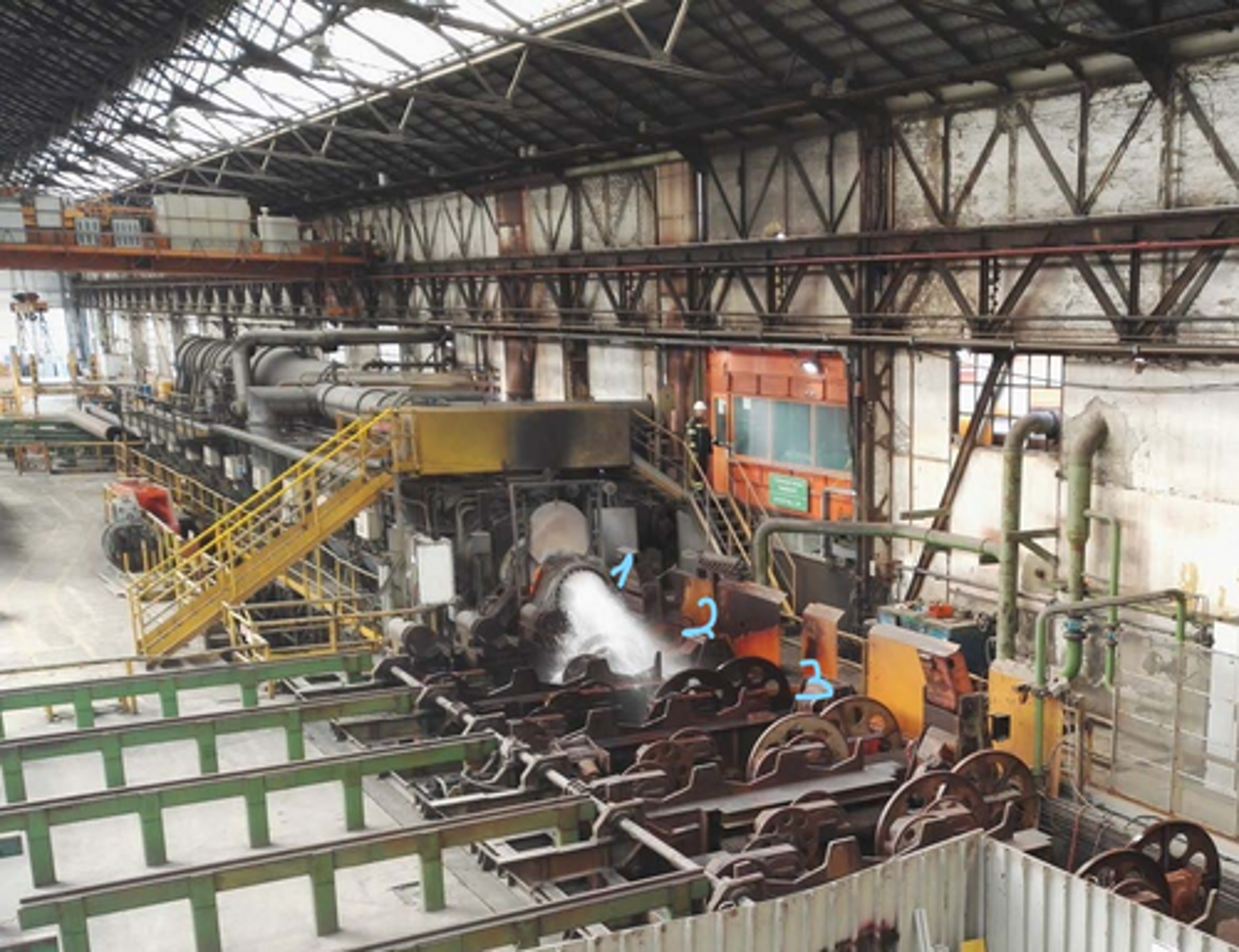
Compact Hot metal detector is a cost-effective and accurate solution for detection of object position in the hot forging process. It is durable, flexible and detects position reliably. Prevents damage of the die associated with the sensor, efficient in very high ambient temperature. Home Case Studies Object position detection at the different stages of hot forging process Object position detection at the different stages of hot forging process Home Case Studies Pilger mill in tube rolling mills – hot and cold pipe detection Pilger mill in tube rolling mills – hot and cold pipe detection HOT METAL DETECTORS provide accurate position detection at various stages of the hot forging process Challenges In the hot forging process the steel temperature is around 900 °C. According to the press layout, more than one piece is worked simultaneously next to each other; a sensor with restricted angle of view is required to monitor the relevant area. Mounting is possible only directly on the border of the press, looking down into the respective working area, where temperature and graphite are very aggressive Solution Hot Metal Detector in compact design. HMDs with fixed switching temperature are preferred as cost-effective and adequate solution. A short protection tube is placed on the optic, with aperture 4 mm, to reduce the field of view and prevent the smallest possible inlet of contamination. Products and Accessories Hot Metal Detector Reliable, long service life and flexible use on different machines. One model for different tasks. Since it reacts to the temperature of the material to be forged, the hot metal detector also monitors its minimum temperature: this is a very important function, as it prevents a possible damage of the die due to too low temperature. Case Study Number TP3 Challenge The increasing flexibility of production lines requires a high adaptability of sensors. Continually changing object geometries, different temperatures and very high radiation or surrounding temperatures are no rarity. In a pilger mill those rough conditions can be found, among others in the production of seemless steel pipes. The raw steel blocks, each weighing a few tons are heated up first in a round oven at a temperature of 1300 °C. After descaling of the surface, the steel block is prepunched in a hole press with a strength from a converted 2000 t. In the next sloping rolling mill the growing pipe rotates between two rollers that are positioned at an angle to each other. The punching is widened to the size of the mandrel diameter. Previous solution / Competitor product N/A Solution The sensor that was installed at this application is the HMD OKA 2038.38 G with tube OL 19. The signal of the infrared sensors controls the movement of centering device and abutment. The point of view is restricted by the tube and prevents disturbances by steam in the cooling phase. An optimum adaptation to the operating conditions is given due to the adjustable response temperature. The HMD with self-learning response temperature (Auto-Teach function) is suited to continually changing conditions. The compact sensor with a stainless steel housing can withstand surrounding temperatures of up to 75° C. The use of a cooling jacket raises this up to 200° C. Alternatively sensors with fibre optic cables are available which permit an application at ambient temperatures up to 600° C without cooling. Customer Benefits Maintenance-free High temperature stability Recognition of hot objects at big distances Self adjustment with Auto-Teach or step switch for the response temperature Product Part number OKA 2038.38 G Brand Proxitron Accessories Piros swivel stand HM2 Tube OL 19 Pilot light unit (for alignment) DAK 308 + OL 26 Different cable lengths (e.g. 15 m) Customer Testimonial compared to previous solution or competition Case Studies Other Solutions in Casting, Forging and Foundry Sample case study title lorem ipsum here Short description of the problem solved, maybe include the client name. READ MORE Sample case study title lorem ipsum here Short description of the problem solved, maybe include the client name. READ MORE Sample case study title lorem ipsum here Short description of the problem solved, maybe include the client name. READ MORE View All

Tags: Casting and Forging, Foundry, Position
September 1, 2021
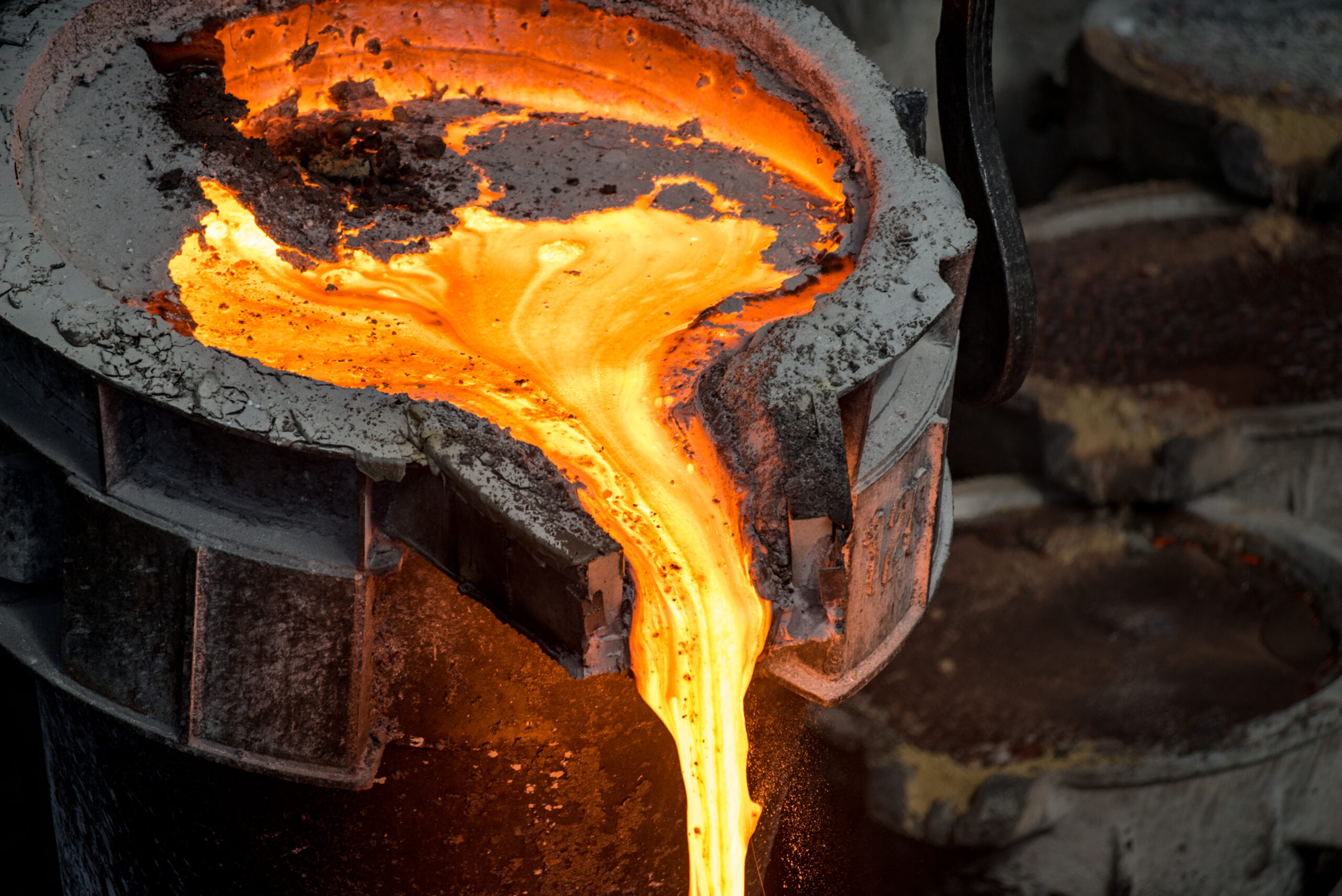
Benefits of using a thermal imaging camera in a cast iron foundry
Home Case Studies Benefits of using a thermal imaging camera in a cast iron foundry Benefits of using a thermal imaging camera in a cast iron foundry Continuous temperature monitoring Optimum process control achieved resulting in reduced electricity wastage Reduces safety hazard for operator One time investment with no recurring costs Challenges Accurate temperature monitoring is critical to ensure high quality and efficiency of the casting process as the quality of casting is highly dependent on the temperature of the molten metal. Low temperatures result in poor quality of casting whereas too high temperatures results in energy wastage and may cause damage to the ladle refractory. Mostly commonly thermocouples are used to measure temperature by dipping it in the molten metal in the ladle. Although thermocouples can be used to measure the final tapping temperatures after the liquid has been poured into moulds, they cannot measure temperature of the pouring stream. By the dipping approach, the operator needs to manually take the measurement and requires him to be in close proximity. Thermocouples only give temperature readings at specific time points (when dipped). Furthermore, tips need to be continually replaced resulting in ongoing consumables cost. Solution Thermal imaging cameras provide a more accurate alternative to thermocouples by measuring the temperature of the liquid tapping stream as it is being poured into the mould to make the final product. The solution has the following benefits – No alignment issue: Hot spot detector automatically differentiates between slag and hot metal Increases productivity: Non-contact measurement does not interrupt tapping / casting process Provide traceability: Each melt temperature is recorded with image Improved product quality: with precise temperature control No recurring consumable cost: One time investment, with payback in few months. Products and Accessories Thermal Imaging Protective Housing Cooling Jacket Laminar Air purge Case Study Number TP3 Challenge The increasing flexibility of production lines requires a high adaptability of sensors. Continually changing object geometries, different temperatures and very high radiation or surrounding temperatures are no rarity. In a pilger mill those rough conditions can be found, among others in the production of seemless steel pipes. The raw steel blocks, each weighing a few tons are heated up first in a round oven at a temperature of 1300 °C. After descaling of the surface, the steel block is prepunched in a hole press with a strength from a converted 2000 t. In the next sloping rolling mill the growing pipe rotates between two rollers that are positioned at an angle to each other. The punching is widened to the size of the mandrel diameter. Previous solution / Competitor product N/A Solution The sensor that was installed at this application is the HMD OKA 2038.38 G with tube OL 19. The signal of the infrared sensors controls the movement of centering device and abutment. The point of view is restricted by the tube and prevents disturbances by steam in the cooling phase. An optimum adaptation to the operating conditions is given due to the adjustable response temperature. The HMD with self-learning response temperature (Auto-Teach function) is suited to continually changing conditions. The compact sensor with a stainless steel housing can withstand surrounding temperatures of up to 75° C. The use of a cooling jacket raises this up to 200° C. Alternatively sensors with fibre optic cables are available which permit an application at ambient temperatures up to 600° C without cooling. Customer Benefits Maintenance-free High temperature stability Recognition of hot objects at big distances Self adjustment with Auto-Teach or step switch for the response temperature Product Part number OKA 2038.38 G Brand Proxitron Accessories Piros swivel stand HM2 Tube OL 19 Pilot light unit (for alignment) DAK 308 + OL 26 Different cable lengths (e.g. 15 m) Customer Testimonial compared to previous solution or competition Case Studies Other Solutions in Hot Rolling Mills Sample case study title lorem ipsum here Short description of the problem solved, maybe include the client name. READ MORE Sample case study title lorem ipsum here Short description of the problem solved, maybe include the client name. READ MORE Sample case study title lorem ipsum here Short description of the problem solved, maybe include the client name. READ MORE View All
Tags: Casting and Forging, Foundry
August 31, 2021
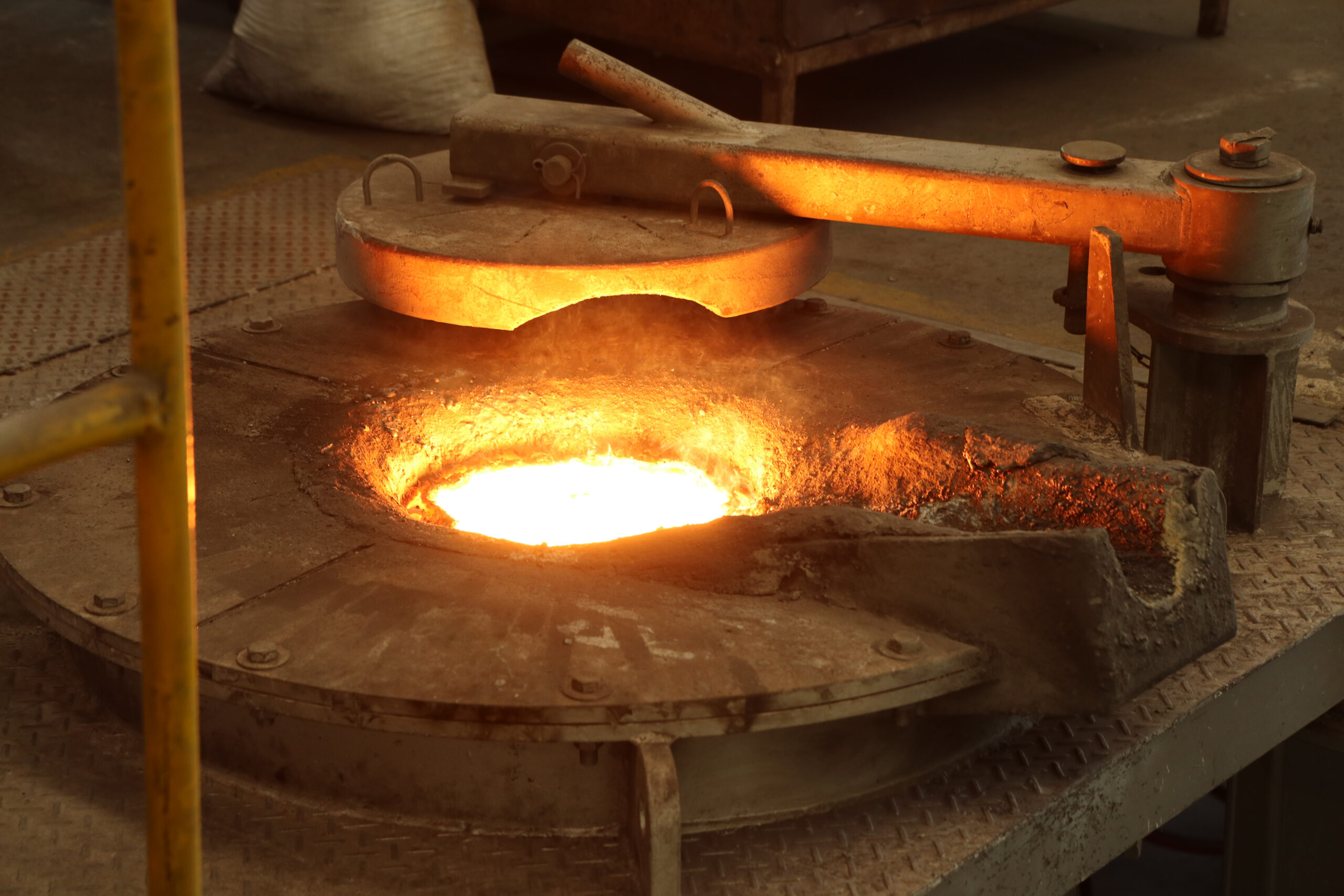
Tapping Temperature Measurement in Cast Iron Foundry
Thermal imaging camera offers wide temperature range of 900 to 2400 °C, temperature measurement of molten metal. It reduces errors and there is minimal impact of emissivity. It offers data logging functionality and reduces cost. Home Case Studies Tapping Temperature Measurement in Cast Iron Foundry Tapping Temperature Measurement in Cast Iron Foundry Home Case Studies Pilger mill in tube rolling mills – hot and cold pipe detection Pilger mill in tube rolling mills – hot and cold pipe detection Metal Foundry : cast iron / investment casting plants Special wavelength for molten metal temperature Auto hot spot tracker distinguish between molten metal and slag No alignment required as >3.5 lacs pixels working Wide temperature range : 900 to 2450°C Challenges Reduce power consumption due to overheating Reduce casting rejection rate caused by infrequent interval temperature measurement from the thermocouple Reduce consumable costIncrease personnel safety as hazardous area to look actual process during melting. Solution Special spectral range for molten metal. Ensure limited influence resulting from unknown or changing emissivity. Auto HOT SPOT tracker penetrate from top of slag. Advance water cool housing 315°C. Analog/ USB 2.0 and Ethernet GgE/ Po Products and Accessories Other Solutions for Molten Metal Thermal Camera 900 to 2450°C Cooling Jacket for ambient upto 315°C Fixed Type Sensor 900-2000°C Portable for Molten Metal 900-2000°C Case Study Number TP3 Challenge The increasing flexibility of production lines requires a high adaptability of sensors. Continually changing object geometries, different temperatures and very high radiation or surrounding temperatures are no rarity. In a pilger mill those rough conditions can be found, among others in the production of seemless steel pipes. The raw steel blocks, each weighing a few tons are heated up first in a round oven at a temperature of 1300 °C. After descaling of the surface, the steel block is prepunched in a hole press with a strength from a converted 2000 t. In the next sloping rolling mill the growing pipe rotates between two rollers that are positioned at an angle to each other. The punching is widened to the size of the mandrel diameter. Previous solution / Competitor product N/A Solution The sensor that was installed at this application is the HMD OKA 2038.38 G with tube OL 19. The signal of the infrared sensors controls the movement of centering device and abutment. The point of view is restricted by the tube and prevents disturbances by steam in the cooling phase. An optimum adaptation to the operating conditions is given due to the adjustable response temperature. The HMD with self-learning response temperature (Auto-Teach function) is suited to continually changing conditions. The compact sensor with a stainless steel housing can withstand surrounding temperatures of up to 75° C. The use of a cooling jacket raises this up to 200° C. Alternatively sensors with fibre optic cables are available which permit an application at ambient temperatures up to 600° C without cooling. Customer Benefits Maintenance-free High temperature stability Recognition of hot objects at big distances Self adjustment with Auto-Teach or step switch for the response temperature Product Part number OKA 2038.38 G Brand Proxitron Accessories Piros swivel stand HM2 Tube OL 19 Pilot light unit (for alignment) DAK 308 + OL 26 Different cable lengths (e.g. 15 m) Customer Testimonial compared to previous solution or competition Case Studies Other Solutions in Forging Sample case study title lorem ipsum here Short description of the problem solved, maybe include the client name. READ MORE Sample case study title lorem ipsum here Short description of the problem solved, maybe include the client name. READ MORE Sample case study title lorem ipsum here Short description of the problem solved, maybe include the client name. READ MORE View All
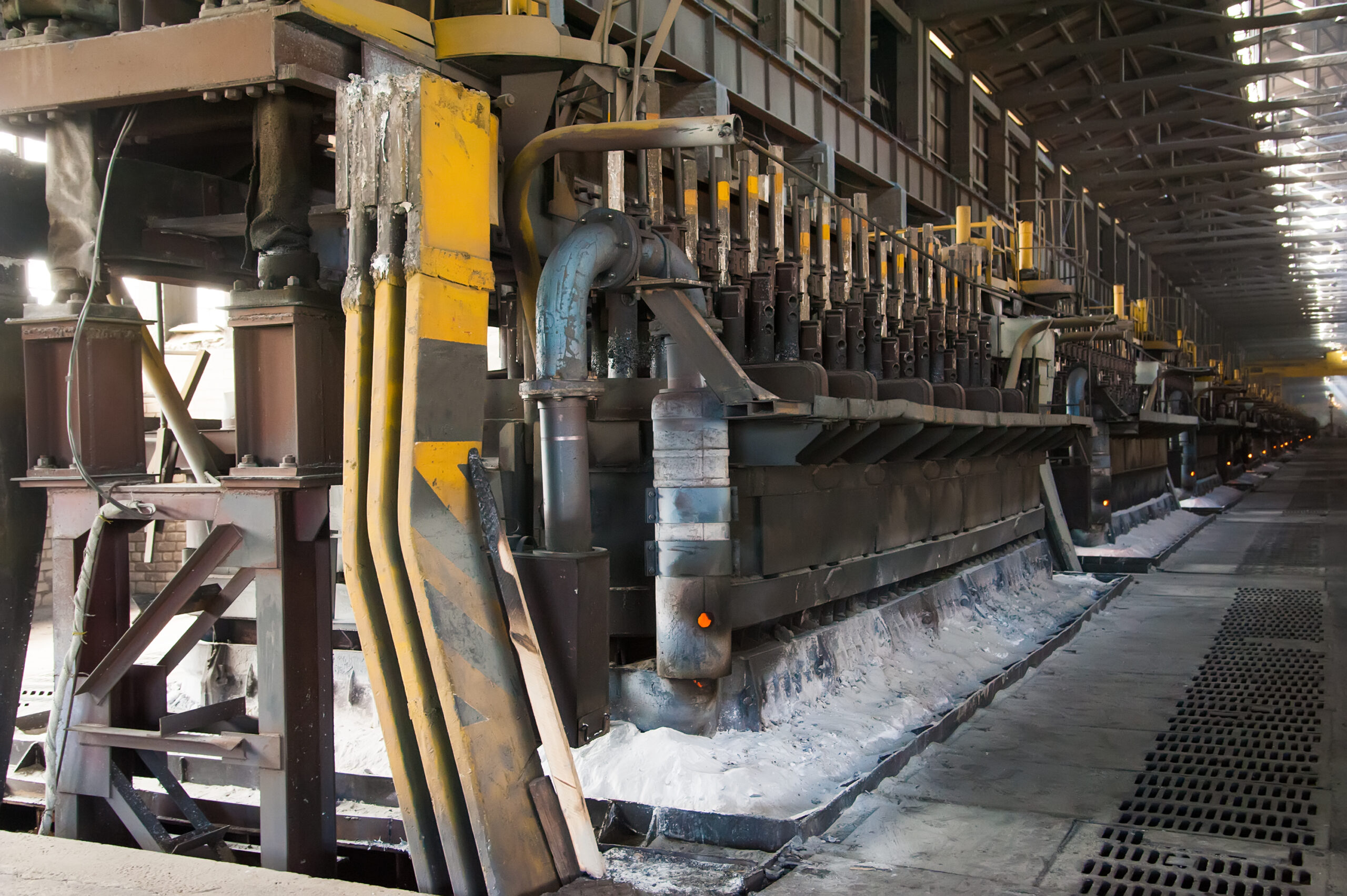
Temperature Measurement of Furnace | Crucible for Sand |Investment |Die |Billet (Ingot) Casting
Pyrometer was installed for furnace temperature measurement. Perfectly suitable for molten metal applications, it increased productivity, yield, and mold life. It provided precise temperature control. Home Case Studies Temperature Measurement of Furnace Crucible for Sand Investment Die Billet (Ingot) Casting Temperature Measurement of Furnace | Crucible for Sand | Investment| Die | Billet (Ingot) Casting Increase productivity: Furnace/ Tapping temperature of 1500⁰C. Pouring to mold within acceptable temperature limits Increased yield and increased mold life Overall product quality was improved with precise temperature control Challenges Temperature of the furnace / crucible needed to be measured Solution Portable Option and Fixed Type Options In order to accurate measure the temperature of the crucible, a portable / hand-help thermometer optris P20 05M or fixed infrared thermometer optris CTlaser 05M can be used. With a temperature range between 1,000°C and 2,000°C and spectral range of 525 nm both are ideally suited for molten metal applications Upto to 2,000 measured values can be saved on the portable device and a USB port can be used to transfer data to a computer. Analog output signal of 4-20mA. 4-6 m sensing distance 60-80° angle Peak hold function to see value on display Products and Accessories For molten metal temperature measurement For molten metal Case Study Number TP3 Challenge The increasing flexibility of production lines requires a high adaptability of sensors. Continually changing object geometries, different temperatures and very high radiation or surrounding temperatures are no rarity. In a pilger mill those rough conditions can be found, among others in the production of seemless steel pipes. The raw steel blocks, each weighing a few tons are heated up first in a round oven at a temperature of 1300 °C. After descaling of the surface, the steel block is prepunched in a hole press with a strength from a converted 2000 t. In the next sloping rolling mill the growing pipe rotates between two rollers that are positioned at an angle to each other. The punching is widened to the size of the mandrel diameter. Previous solution / Competitor product N/A Solution The sensor that was installed at this application is the HMD OKA 2038.38 G with tube OL 19. The signal of the infrared sensors controls the movement of centering device and abutment. The point of view is restricted by the tube and prevents disturbances by steam in the cooling phase. An optimum adaptation to the operating conditions is given due to the adjustable response temperature. The HMD with self-learning response temperature (Auto-Teach function) is suited to continually changing conditions. The compact sensor with a stainless steel housing can withstand surrounding temperatures of up to 75° C. The use of a cooling jacket raises this up to 200° C. Alternatively sensors with fibre optic cables are available which permit an application at ambient temperatures up to 600° C without cooling. Customer Benefits Maintenance-free High temperature stability Recognition of hot objects at big distances Self adjustment with Auto-Teach or step switch for the response temperature Product Part number OKA 2038.38 G Brand Proxitron Accessories Piros swivel stand HM2 Tube OL 19 Pilot light unit (for alignment) DAK 308 + OL 26 Different cable lengths (e.g. 15 m) Customer Testimonial compared to previous solution or competition Case Studies Other Solutions in Hot Rolling Mills Sample case study title lorem ipsum here Short description of the problem solved, maybe include the client name. READ MORE Sample case study title lorem ipsum here Short description of the problem solved, maybe include the client name. READ MORE Sample case study title lorem ipsum here Short description of the problem solved, maybe include the client name. READ MORE View All
Tags: Casting and Forging, Foundry, Furnace Temperature, Hot strip mill, Reheating Furnace
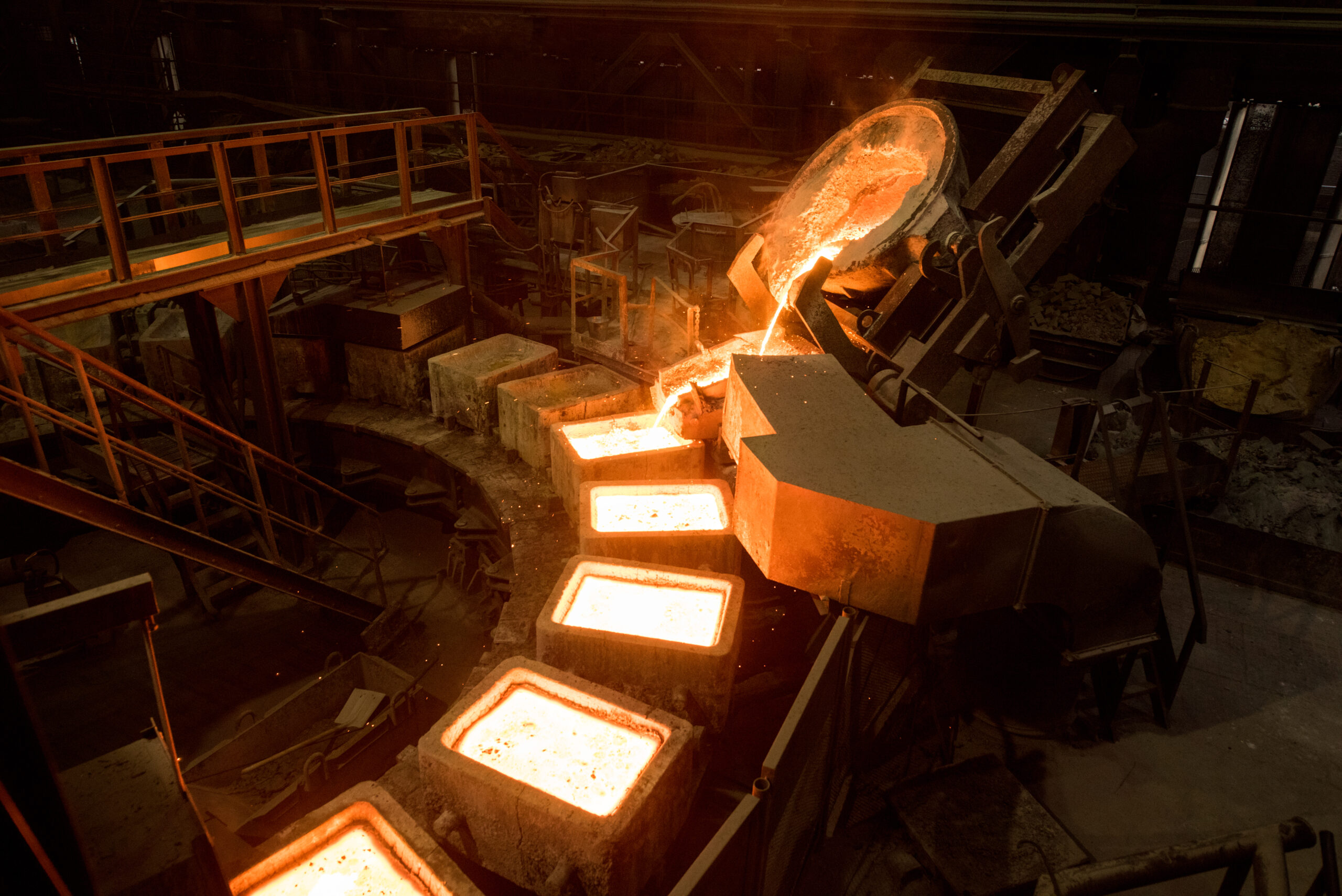
Measurement of Pouring Temperature for Sand |Investment |Die |Billet (Ingot) Casting
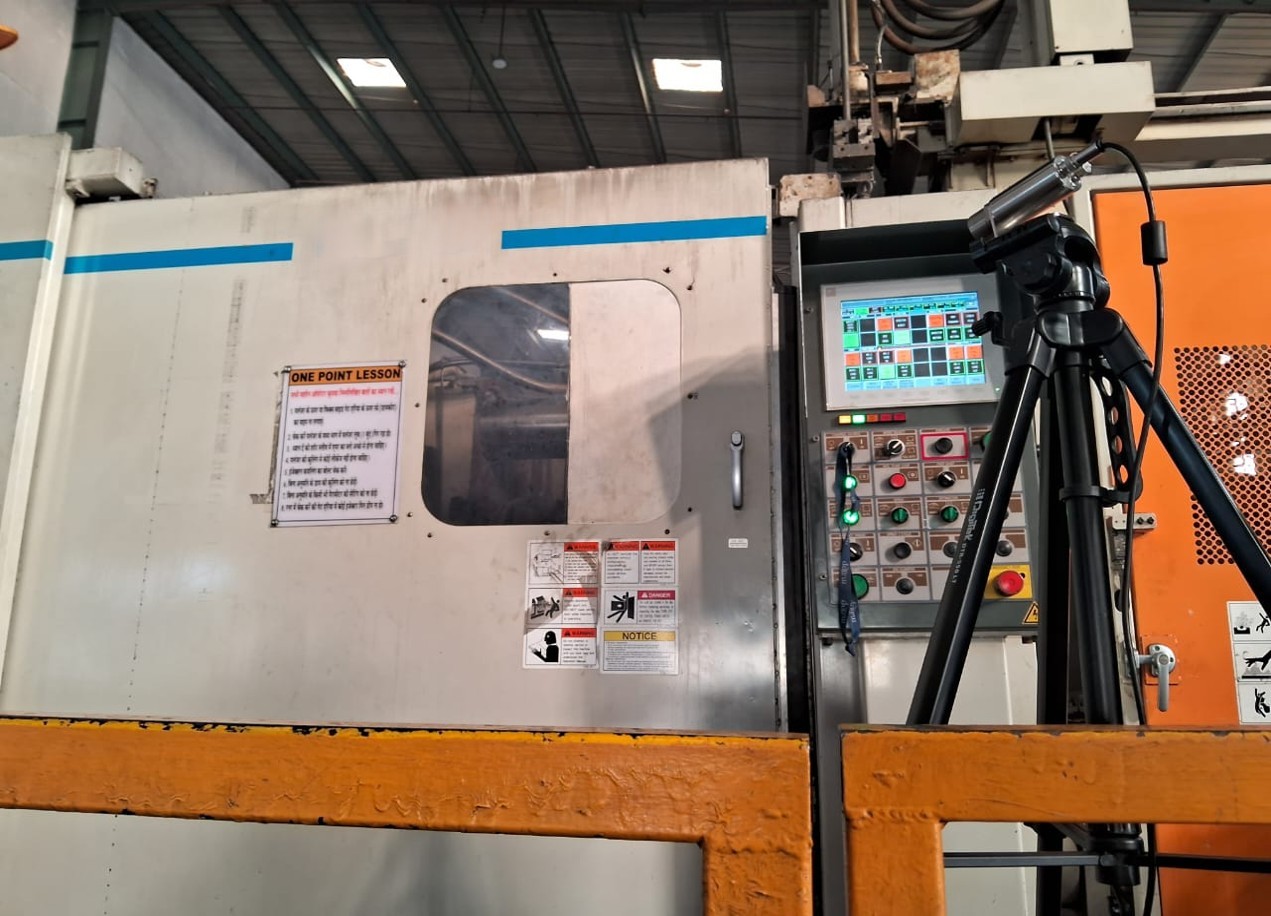
Ultra compact Optris infrared camera was used to measure pouring temperature for Sand/Investment/Die/Billet (ingot) casting. It measured molten metal temperature efficiently and accurately, along with avoiding slag. It increased productivity, yield, product quality, and reduced the cost. Home Case Studies Measurement of Pouring Temperature for Sand Investment Die Billet (Ingot) Casting Measurement of Pouring Temperature for Sand |Investment |Die |Billet (Ingot) Casting Home Case Studies Pilger mill in tube rolling mills – hot and cold pipe detection Pilger mill in tube rolling mills – hot and cold pipe detection Increase productivity: Ladle pre-heat temperature of 800C and furnace/ Tapping temperature of 1500C Traceability: Each melt temperature could be recorded with image and data logged in excel Increased yield: Increased mold life and lower rejected rate was obtained Improved product quality: with precise temperature control No recurring consumable cost: One time investment, with payback within months Challenges The pour stream temperature needed to be measured at the same avoiding the temperature of the slag Solution A short wavelength and ultra compact infrared camera Optris PI 05 M –was installed. With a continuous measurement range from 900 to 2450 °C and a spectral range of 500 to 540 nm it is especially designed for temperature measurement of molten metal. The hot spot detector efficiently catches pour stream temperature and avoids slag.It has a high dynamic CMOS detector with up to 764 x 480 pixels resolution. With up to 1 kHz frame rate it is ideal for fast processes. Furthermore 3 numbers of real-time analog output is available with 1 ms response time Increase productivity was obtained: Laddle pre-heat temperature of 800C and furnace/ tapping temperature of 1500C Pouring to mold was possible within acceptable temperature limits Provided traceability: Each melt temperature could be recorded with image and data logged in excelIncreased yield: Increased mold life and lower rejected rate was obtainedImproved product quality: with precise temperature controlNo recurring consumable cost: One time investment, with payback within monthsIn addition non contact measurement does not interrupt casting process Products and Accessories Thermal Imaging Camera Cooling Jacket Laminar Air purge Case Study Number TP3 Challenge The increasing flexibility of production lines requires a high adaptability of sensors. Continually changing object geometries, different temperatures and very high radiation or surrounding temperatures are no rarity. In a pilger mill those rough conditions can be found, among others in the production of seemless steel pipes. The raw steel blocks, each weighing a few tons are heated up first in a round oven at a temperature of 1300 °C. After descaling of the surface, the steel block is prepunched in a hole press with a strength from a converted 2000 t. In the next sloping rolling mill the growing pipe rotates between two rollers that are positioned at an angle to each other. The punching is widened to the size of the mandrel diameter. Previous solution / Competitor product N/A Solution The sensor that was installed at this application is the HMD OKA 2038.38 G with tube OL 19. The signal of the infrared sensors controls the movement of centering device and abutment. The point of view is restricted by the tube and prevents disturbances by steam in the cooling phase. An optimum adaptation to the operating conditions is given due to the adjustable response temperature. The HMD with self-learning response temperature (Auto-Teach function) is suited to continually changing conditions. The compact sensor with a stainless steel housing can withstand surrounding temperatures of up to 75° C. The use of a cooling jacket raises this up to 200° C. Alternatively sensors with fibre optic cables are available which permit an application at ambient temperatures up to 600° C without cooling. Customer Benefits Maintenance-free High temperature stability Recognition of hot objects at big distances Self adjustment with Auto-Teach or step switch for the response temperature Product Part number OKA 2038.38 G Brand Proxitron Accessories Piros swivel stand HM2 Tube OL 19 Pilot light unit (for alignment) DAK 308 + OL 26 Different cable lengths (e.g. 15 m) Customer Testimonial compared to previous solution or competition Case Studies Other Solutions in Hot Rolling Mills Sample case study title lorem ipsum here Short description of the problem solved, maybe include the client name. READ MORE Sample case study title lorem ipsum here Short description of the problem solved, maybe include the client name. READ MORE Sample case study title lorem ipsum here Short description of the problem solved, maybe include the client name. READ MORE View All
Tags: Foundry, Pouring Temperature
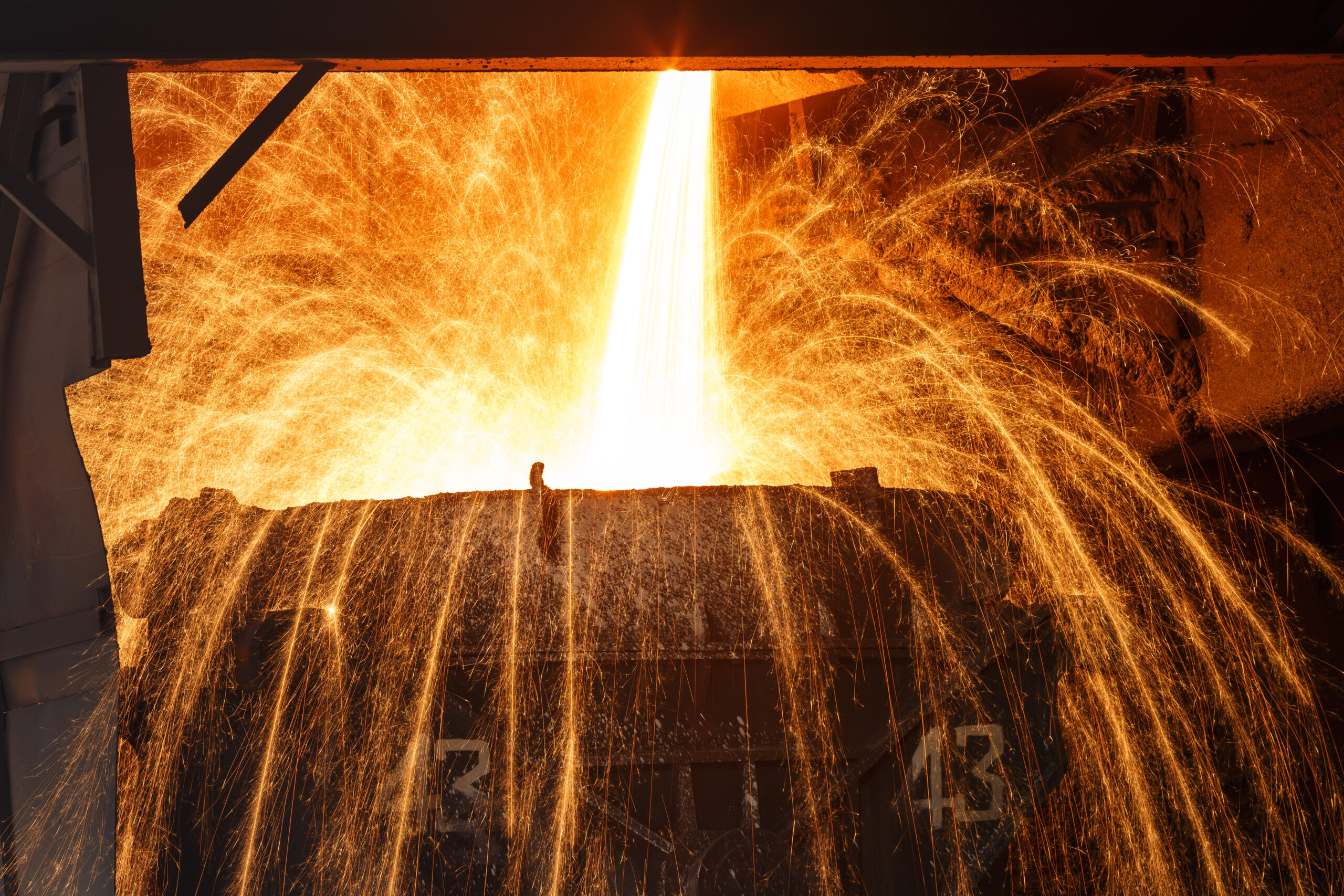
Critical Assets Preventative Maintenance: Pre-heat station
Condition based monitoring using thermal imaging cameras is an effective approach to monitor temperature and prevent long term damage to the ladle refractory. The compact IR camera can automatically identify hot spots and generates alarm if temperatures exceeds thresholds. This allows for early detection of potential damage and for selective repairs Home Case Studies Critical Assets Preventative Maintenance: Pre-heat station Critical Assets Preventative Maintenance: Pre-heat station Home Case Studies Pilger mill in tube rolling mills – hot and cold pipe detection Pilger mill in tube rolling mills – hot and cold pipe detection Increased efficiency: Ladle lifetime improvement with early detection allowing for selective repairs as opposed to full lining replacement Improved safety level: Prevents breakouts and reduces risk of damage to personnel & plant equipment Enabled Preventive Maintenance: Real time system running 365 / 24/ 7 days, with warning of excessive shell temperature from refractory degradation Avoided unscheduled downtime: Avoided costly machinery damage and days to clean-up mess Challenges The customer wanted to measure the temperature of the inner surface of the ladle to ensure it is sufficiently heated during the pre-heating process before the hot metal is added. Overheating can cause long term damage to the ladle refractory and result in high replacement costs. Solution Condition based monitoring using thermal imaging cameras is an effective approach to monitor temperature and prevent long term damage. The compact IR camera can automatically identify hot spots and provides analog or digital output signals. Products and Accessories Thermal Imaging Camera Cooling Jacket Laminar Air purge Protective Housing High Temperature Cables USB to LAN Case Study Number TP3 Challenge The increasing flexibility of production lines requires a high adaptability of sensors. Continually changing object geometries, different temperatures and very high radiation or surrounding temperatures are no rarity. In a pilger mill those rough conditions can be found, among others in the production of seemless steel pipes. The raw steel blocks, each weighing a few tons are heated up first in a round oven at a temperature of 1300 °C. After descaling of the surface, the steel block is prepunched in a hole press with a strength from a converted 2000 t. In the next sloping rolling mill the growing pipe rotates between two rollers that are positioned at an angle to each other. The punching is widened to the size of the mandrel diameter. Previous solution / Competitor product N/A Solution The sensor that was installed at this application is the HMD OKA 2038.38 G with tube OL 19. The signal of the infrared sensors controls the movement of centering device and abutment. The point of view is restricted by the tube and prevents disturbances by steam in the cooling phase. An optimum adaptation to the operating conditions is given due to the adjustable response temperature. The HMD with self-learning response temperature (Auto-Teach function) is suited to continually changing conditions. The compact sensor with a stainless steel housing can withstand surrounding temperatures of up to 75° C. The use of a cooling jacket raises this up to 200° C. Alternatively sensors with fibre optic cables are available which permit an application at ambient temperatures up to 600° C without cooling. Customer Benefits Maintenance-free High temperature stability Recognition of hot objects at big distances Self adjustment with Auto-Teach or step switch for the response temperature Product Part number OKA 2038.38 G Brand Proxitron Accessories Piros swivel stand HM2 Tube OL 19 Pilot light unit (for alignment) DAK 308 + OL 26 Different cable lengths (e.g. 15 m) Customer Testimonial compared to previous solution or competition Case Studies Other Solutions in Hot Rolling Mills Sample case study title lorem ipsum here Short description of the problem solved, maybe include the client name. READ MORE Sample case study title lorem ipsum here Short description of the problem solved, maybe include the client name. READ MORE Sample case study title lorem ipsum here Short description of the problem solved, maybe include the client name. READ MORE View All
Tags: Preventive Maintainence, Secondary Refining, Steel Making, Temperature
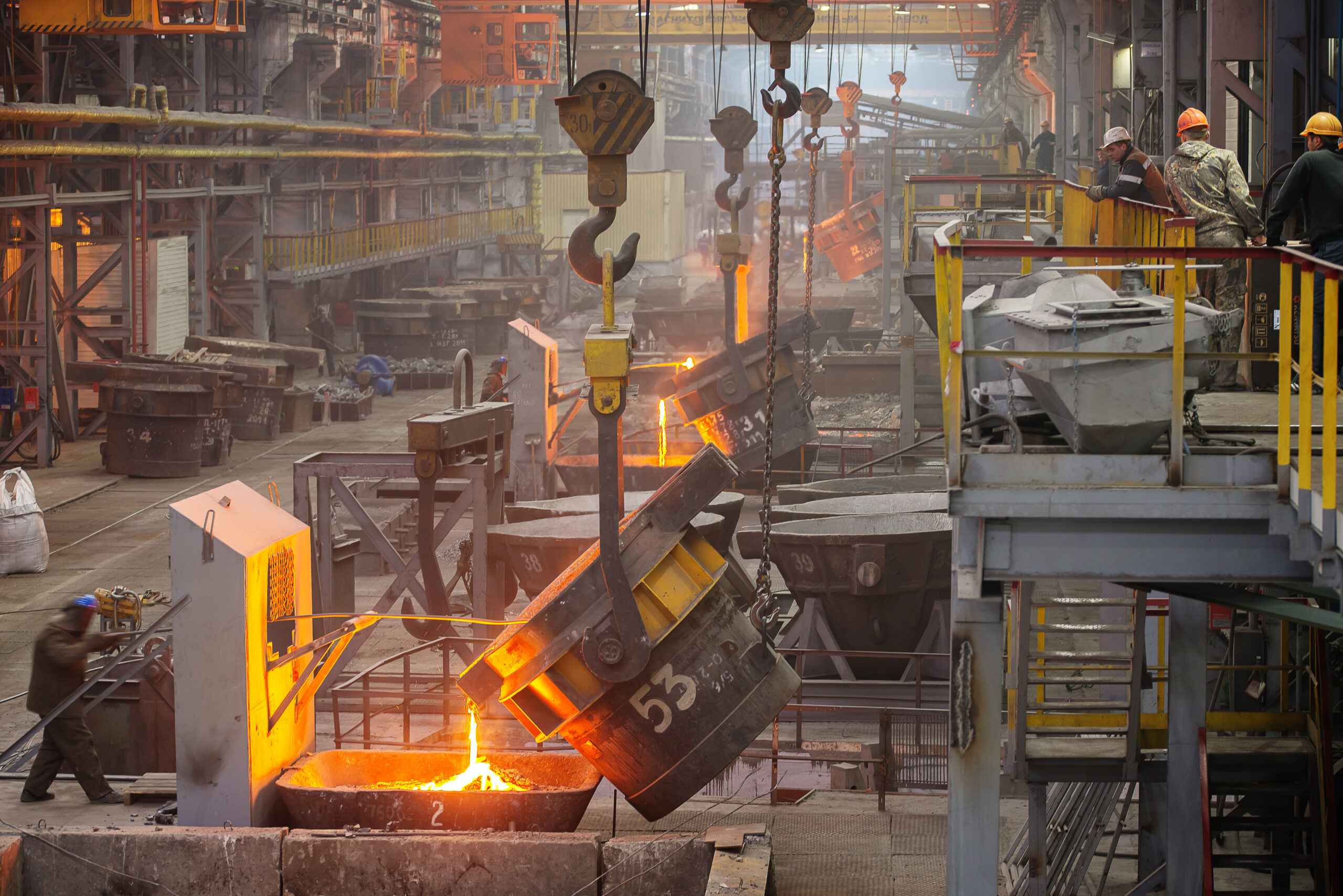
Critical Assets Preventive Maintenance for Ladle on Crane
Ladle Refractory Monitoring System using thermal imaging ensures continuous measurement of shell temperature, identifies hot spots and generates alarm when temperatures are exceeded. Costly machine damage is avoided with early detection of weak spots allowing selective repairs Home Case Studies Critical Assets Preventive Maintenance for Ladle on Crane Critical Assets Preventive Maintenance for Ladle on Crane Home Case Studies Pilger mill in tube rolling mills – hot and cold pipe detection Pilger mill in tube rolling mills – hot and cold pipe detection Increased efficiency: Ladle lifetime improvement with early detection allowing for selective repairs as opposed to full lining replacement Improved safety level: Prevents breakouts and reduces risk of damage to personnel & plant equipment Enables Preventive Maintenance: Real time system running 365 / 24/ 7 days, with warning of excessive shell temperature from refractory degradation Avoids unscheduled downtime: Avoids costly machinery damage and days to clean-up mess Challenges Over time, the refractory linings degrade or develop cracks leading to puncturing. As a result, the outer shell of the ladle becomes exposed to excessive temperatures Solution System Features of the Ladle Refractory Monitoring System include Reliable alarm release at defined thresholds Easy hot spot detection 3 cameras to fully capture the ladle from all side + 1 camera from bottom Products and Accessories Thermal Imaging Camera Cooling Jacket Laminar Air purge Protective Housing High Temperature Cables USB to LAN Case Study Number TP3 Challenge The increasing flexibility of production lines requires a high adaptability of sensors. Continually changing object geometries, different temperatures and very high radiation or surrounding temperatures are no rarity. In a pilger mill those rough conditions can be found, among others in the production of seemless steel pipes. The raw steel blocks, each weighing a few tons are heated up first in a round oven at a temperature of 1300 °C. After descaling of the surface, the steel block is prepunched in a hole press with a strength from a converted 2000 t. In the next sloping rolling mill the growing pipe rotates between two rollers that are positioned at an angle to each other. The punching is widened to the size of the mandrel diameter. Previous solution / Competitor product N/A Solution The sensor that was installed at this application is the HMD OKA 2038.38 G with tube OL 19. The signal of the infrared sensors controls the movement of centering device and abutment. The point of view is restricted by the tube and prevents disturbances by steam in the cooling phase. An optimum adaptation to the operating conditions is given due to the adjustable response temperature. The HMD with self-learning response temperature (Auto-Teach function) is suited to continually changing conditions. The compact sensor with a stainless steel housing can withstand surrounding temperatures of up to 75° C. The use of a cooling jacket raises this up to 200° C. Alternatively sensors with fibre optic cables are available which permit an application at ambient temperatures up to 600° C without cooling. Customer Benefits Maintenance-free High temperature stability Recognition of hot objects at big distances Self adjustment with Auto-Teach or step switch for the response temperature Product Part number OKA 2038.38 G Brand Proxitron Accessories Piros swivel stand HM2 Tube OL 19 Pilot light unit (for alignment) DAK 308 + OL 26 Different cable lengths (e.g. 15 m) Customer Testimonial compared to previous solution or competition Case Studies Other Solutions in Hot Rolling Mills Sample case study title lorem ipsum here Short description of the problem solved, maybe include the client name. READ MORE Sample case study title lorem ipsum here Short description of the problem solved, maybe include the client name. READ MORE Sample case study title lorem ipsum here Short description of the problem solved, maybe include the client name. READ MORE View All
Tags: Ladle on crane, Preventive Maintainence, Secondary Refining, Steel Making, Temperature
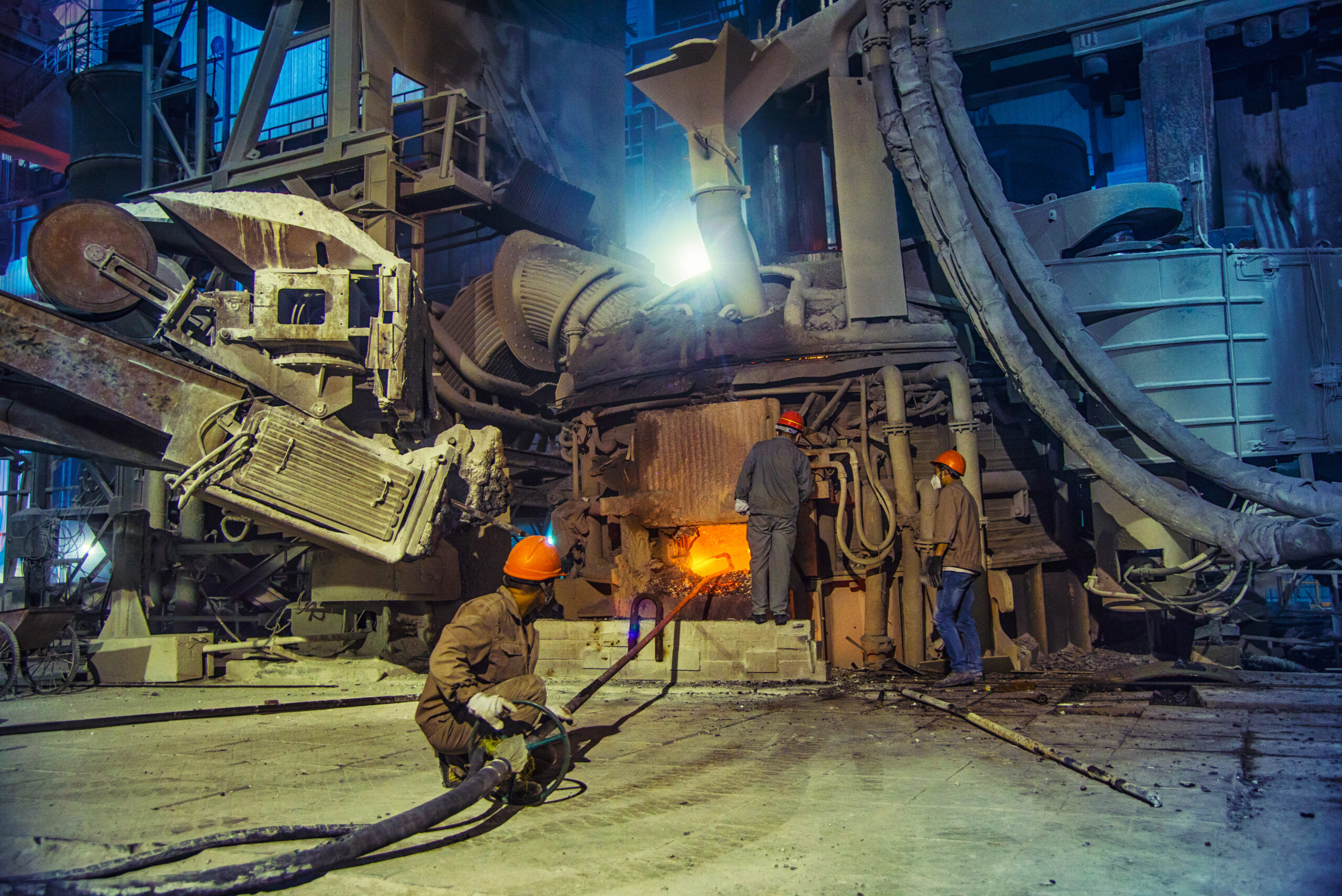
Condition Based Monitoring of bottom shell on BOF/EAF convertor
High-resolution infrared camera was used to create a colour palette visualization to easily identify hot spots. Scanning of full bottom shell was possible multiple areas /ROI were defined to get a 4-20mA output Home Case Studies Condition Based Monitoring of bottom shell on BOF/EAF convertor Condition Based Monitoring of bottom shell on BOF/EAF convertor Home Case Studies Pilger mill in tube rolling mills – hot and cold pipe detection Pilger mill in tube rolling mills – hot and cold pipe detection No wiring required due to non-contact temperature measurement Scanning of full bottom shell. It was possible to define multiple areas /ROI to get a 4-20mA output Intuitive identification of hot spot. Software could automatically identify hot spots Increased the safety level by mitigating unforeseen events Challenges Effectively maintaining temperature of the heating chambers in the coke oven battery is essential for high yield and optimum quality of the coke. The narrow width of the flue makes it challenging for the accurate measurement of the flue temperature using a portable pyrometer inside the pusher arm as the hot coke is pushed out of the oven.Customer problem Maintaining optimal temperature in the convertor is critical for the efficient production process. Higher temperatures result in cost savings as less quantity of coke is needed but can also potentially damage the brickwork and reduce the life of the stove. Temperature monitoring using thermocouple was unreliable and had limitations – Point measurement thermocouples: On average only 9 thermocouple point measurements were possible. High maintenance cost: it was not possible to change damaged wiring while furnace was in operation thereby increasing unplanned downtime. Solution Colour palette visualization was offered to the operator to easily identify hot spots. The operator could make informed data driven decision of when to replace the refractory lining / gunning. Alarms were configured to be interlocked with their safety systems. Products and Accessories High temperature conduits for control and motor cables Cooling Jacket Laminar Air purge Protective Housing High Temperature Cables USB to LAN Case Study Number TP3 Challenge The increasing flexibility of production lines requires a high adaptability of sensors. Continually changing object geometries, different temperatures and very high radiation or surrounding temperatures are no rarity. In a pilger mill those rough conditions can be found, among others in the production of seemless steel pipes. The raw steel blocks, each weighing a few tons are heated up first in a round oven at a temperature of 1300 °C. After descaling of the surface, the steel block is prepunched in a hole press with a strength from a converted 2000 t. In the next sloping rolling mill the growing pipe rotates between two rollers that are positioned at an angle to each other. The punching is widened to the size of the mandrel diameter. Previous solution / Competitor product N/A Solution The sensor that was installed at this application is the HMD OKA 2038.38 G with tube OL 19. The signal of the infrared sensors controls the movement of centering device and abutment. The point of view is restricted by the tube and prevents disturbances by steam in the cooling phase. An optimum adaptation to the operating conditions is given due to the adjustable response temperature. The HMD with self-learning response temperature (Auto-Teach function) is suited to continually changing conditions. The compact sensor with a stainless steel housing can withstand surrounding temperatures of up to 75° C. The use of a cooling jacket raises this up to 200° C. Alternatively sensors with fibre optic cables are available which permit an application at ambient temperatures up to 600° C without cooling. Customer Benefits Maintenance-free High temperature stability Recognition of hot objects at big distances Self adjustment with Auto-Teach or step switch for the response temperature Product Part number OKA 2038.38 G Brand Proxitron Accessories Piros swivel stand HM2 Tube OL 19 Pilot light unit (for alignment) DAK 308 + OL 26 Different cable lengths (e.g. 15 m) Customer Testimonial compared to previous solution or competition Case Studies Other Solutions in Hot Rolling Mills Sample case study title lorem ipsum here Short description of the problem solved, maybe include the client name. READ MORE Sample case study title lorem ipsum here Short description of the problem solved, maybe include the client name. READ MORE Sample case study title lorem ipsum here Short description of the problem solved, maybe include the client name. READ MORE View All
Tags: Convertor, Steel Making, Temperature, Xi400
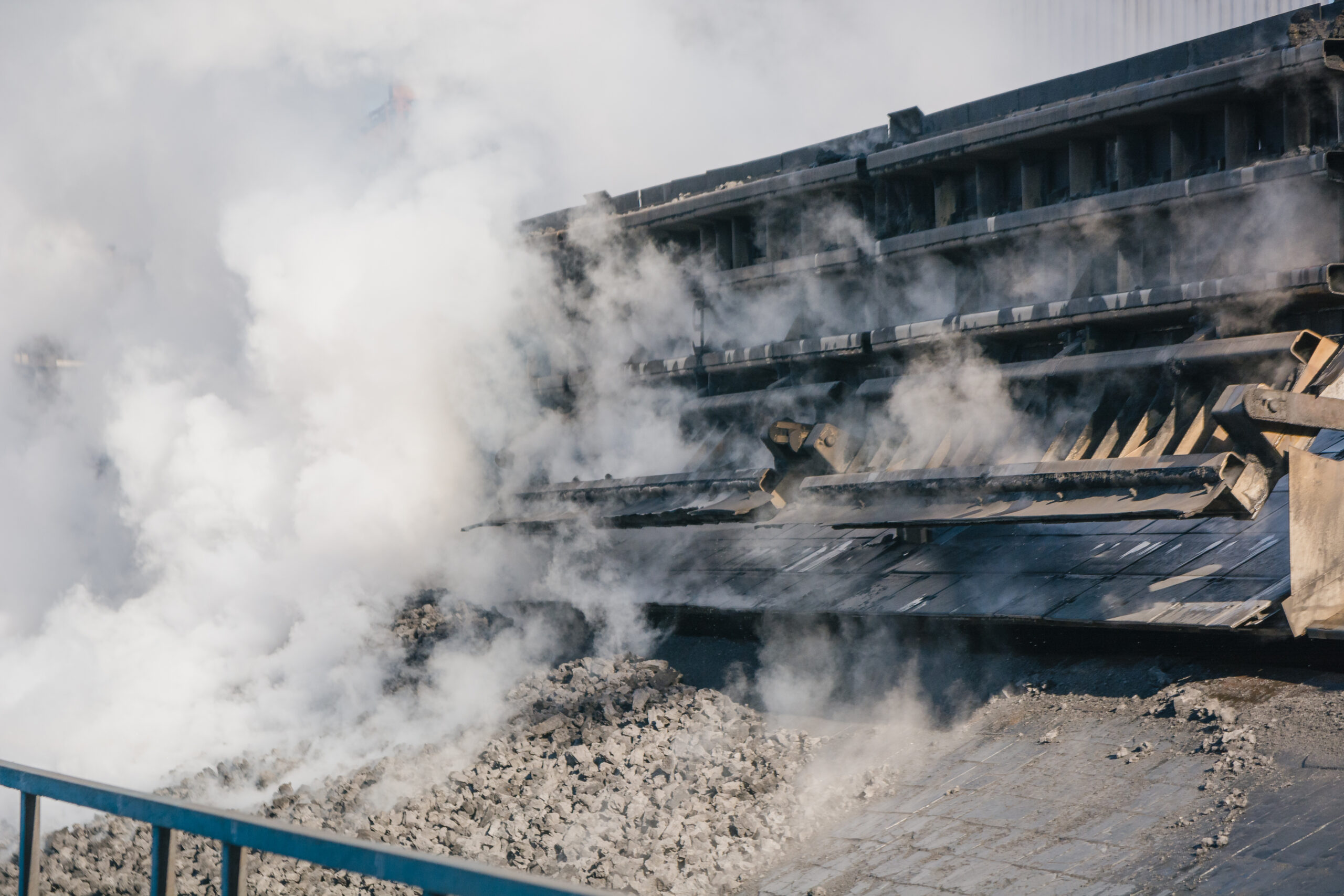
Temperature monitoring of the pusher arm wall using thermal imaging
Home Case Studies Temperature Thermal Camera Temperature monitoring of the pusher arm wall using thermal imaging Increase quality: High quality metallurgical coke effects iron and steel making process Coke Yield: Critical for good quality coke, as the temperatures in the oven and heating chambers in coke oven battery are controlled High Sensor Reliability (Uptime): The thermal camera in installed 5meters away Challenges Effectively maintaining temperature of the heating chambers in the coke oven battery is essential for high yield and optimum quality of the coke. The narrow width of the flue makes it challenging for the accurate measurement of the flue temperature using a portable pyrometer inside the pusher arm as the hot coke is pushed out of the oven. Solution In order to monitor the temperature of the coke oven walls as the hot coke gets pushed out of the oven, a thermal imaging camera was installed. The Pi450 from Optris, a highly compact IR camera, with a measurement speed of 80 Hz and an optical resolution of 382 x 288 pixels was installed 5 meters away from the pusher arm . The camera due to its thermal sensitivity of 40 mK, provided real-time thermographic images in high speed and successfully detected even the slightest temperature differences. High temperature range of 2000C -15000C Tolerant to dirty environment. The infrared camera was installed 5 meters away from the pusher arm Capable of withstanding high ambient temperatures with special air cooling housing available for ambient temperatures > 900C Multiple Output with 2-3 wall temperature points per camera (4-20mA output) Wide optic lens 3nos of 4-20mA output signal Data logging Alarm and alert Products and Accessories High resolution thermal camera Cooling Jacket for high ambient temperature Laminar Air purge for rugged environment Protective Housing High Temperature Cables USB to Ethernet Case Study Number TP3 Challenge The increasing flexibility of production lines requires a high adaptability of sensors. Continually changing object geometries, different temperatures and very high radiation or surrounding temperatures are no rarity. In a pilger mill those rough conditions can be found, among others in the production of seemless steel pipes. The raw steel blocks, each weighing a few tons are heated up first in a round oven at a temperature of 1300 °C. After descaling of the surface, the steel block is prepunched in a hole press with a strength from a converted 2000 t. In the next sloping rolling mill the growing pipe rotates between two rollers that are positioned at an angle to each other. The punching is widened to the size of the mandrel diameter. Previous solution / Competitor product N/A Solution The sensor that was installed at this application is the HMD OKA 2038.38 G with tube OL 19. The signal of the infrared sensors controls the movement of centering device and abutment. The point of view is restricted by the tube and prevents disturbances by steam in the cooling phase. An optimum adaptation to the operating conditions is given due to the adjustable response temperature. The HMD with self-learning response temperature (Auto-Teach function) is suited to continually changing conditions. The compact sensor with a stainless steel housing can withstand surrounding temperatures of up to 75° C. The use of a cooling jacket raises this up to 200° C. Alternatively sensors with fibre optic cables are available which permit an application at ambient temperatures up to 600° C without cooling. Customer Benefits Maintenance-free High temperature stability Recognition of hot objects at big distances Self adjustment with Auto-Teach or step switch for the response temperature Product Part number OKA 2038.38 G Brand Proxitron Accessories Piros swivel stand HM2 Tube OL 19 Pilot light unit (for alignment) DAK 308 + OL 26 Different cable lengths (e.g. 15 m) Customer Testimonial compared to previous solution or competition Case Studies Other Solutions in Hot Rolling Mills Sample case study title lorem ipsum here Short description of the problem solved, maybe include the client name. READ MORE Sample case study title lorem ipsum here Short description of the problem solved, maybe include the client name. READ MORE Sample case study title lorem ipsum here Short description of the problem solved, maybe include the client name. READ MORE View All
Tags: Coke Oven, Iron Making, Pusher arm, Temperature, Thermal Imaging
Temperature monitoring of the pusher arm wall using ratio pyrometer
Effectively maintaining temperature of the heating chambers in the coke oven battery is essential for high yield and optimum quality of the coke. The narrow width of the flue makes it challenging for the accurate measurement of the flue temperature using a portable pyrometer inside the pusher arm as the hot coke is pushed out of the oven. Successfully monitoring the temperature of the heating chambers also reduces risk of damage to the oven wall. Home Case Studies Temperature Ctratio Temperature monitoring of the pusher arm wall Home Case Studies Pilger mill in tube rolling mills – hot and cold pipe detection Pilger mill in tube rolling mills – hot and cold pipe detection Fibre optic based pyrometer installed inside the pusher arm to measure the temperature of coke oven walls profile as the hot coke is pushed out. Typically six numbers are fitted to pusher arm (three each side). Increased quality: High quality metallurgical coke results in improved iron and steel making process Better coke yield: Critical for good quality coke, the oven and heating chambers in coke oven battery are effectively controlled Challenges Effectively maintaining temperature of the heating chambers in the coke oven battery is essential for high yield and optimum quality of the coke. The narrow width of the flue makes it challenging for the accurate measurement of the flue temperature using a portable pyrometer inside the pusher arm as the hot coke is pushed out of the oven. Successfully monitoring the temperature of the heating chambers also reduces risk of damage to the oven wall. Solution Fibre optic-based pyrometer was installed inside the pusher arm to measure the profile temperature of coke oven walls as the hot coke is pushed out of the oven. The 2-color ratio technology allows accurate and repeatable temperature measurements free from dependence on absolute radiated energy values. 2-color sensors measure closer to the highest temperature within the measured spot (spatial peak picking) instead of an average temperature. Due to its short measuring wavelength the ratio pyrometer was used. Given the harsh operating environment the pyrometer is resistant to dust, steam and dirt and gives accurate measurements even in cases of window soiling of up to 90 percent. Rugged and electrically isolated sensing head Long length of fibre optic cable (3|6|10|15|22 meters available) Small sensor head dimensions M40 makes it ideal for hard to access areas Temperature range of 500⁰C -1800⁰C Tolerant to dirty environment as 5% FOV coverage is sufficient for accurate measurement Pyrometer could withstand high ambient temperature of 315⁰C for optic head with fibre optic cable The short response time was ideal for the monitoring of very fast processes Products and Accessories Next Generation Pyrometer: Dirt & Steam Resistant, for high ambient environment Case Study Number TP3 Challenge The increasing flexibility of production lines requires a high adaptability of sensors. Continually changing object geometries, different temperatures and very high radiation or surrounding temperatures are no rarity. In a pilger mill those rough conditions can be found, among others in the production of seemless steel pipes. The raw steel blocks, each weighing a few tons are heated up first in a round oven at a temperature of 1300 °C. After descaling of the surface, the steel block is prepunched in a hole press with a strength from a converted 2000 t. In the next sloping rolling mill the growing pipe rotates between two rollers that are positioned at an angle to each other. The punching is widened to the size of the mandrel diameter. Previous solution / Competitor product N/A Solution The sensor that was installed at this application is the HMD OKA 2038.38 G with tube OL 19. The signal of the infrared sensors controls the movement of centering device and abutment. The point of view is restricted by the tube and prevents disturbances by steam in the cooling phase. An optimum adaptation to the operating conditions is given due to the adjustable response temperature. The HMD with self-learning response temperature (Auto-Teach function) is suited to continually changing conditions. The compact sensor with a stainless steel housing can withstand surrounding temperatures of up to 75° C. The use of a cooling jacket raises this up to 200° C. Alternatively sensors with fibre optic cables are available which permit an application at ambient temperatures up to 600° C without cooling. Customer Benefits Maintenance-free High temperature stability Recognition of hot objects at big distances Self adjustment with Auto-Teach or step switch for the response temperature Product Part number OKA 2038.38 G Brand Proxitron Accessories Piros swivel stand HM2 Tube OL 19 Pilot light unit (for alignment) DAK 308 + OL 26 Different cable lengths (e.g. 15 m) Customer Testimonial compared to previous solution or competition Case Studies Sample case study title lorem ipsum here Short description of the problem solved, maybe include the client name. READ MORE Sample case study title lorem ipsum here Short description of the problem solved, maybe include the client name. READ MORE Sample case study title lorem ipsum here Short description of the problem solved, maybe include the client name. READ MORE View All

Tags: Coke Oven, Iron Making, Pusher arm, Pyrometer, Temperature
Page 13 of 14
Case Studies


Found 139 Results
Page 13 of 14
Page 13 of 14
Page 13 of 14
Object position detection at the different stages of hot forging process
Compact Hot metal detector is a cost-effective and accurate solution for detection of object position in the hot forging process. It is durable, flexible and detects position reliably. Prevents damage of the die associated with the sensor, efficient in very high ambient temperature. Home Case Studies Object position detection at the different stages of hot forging process Object position detection at the different stages of hot forging process Home Case Studies Pilger mill in tube rolling mills – hot and cold pipe detection Pilger mill in tube rolling mills – hot and cold pipe detection HOT METAL DETECTORS provide accurate position detection at various stages of the hot forging process Challenges In the hot forging process the steel temperature is around 900 °C. According to the press layout, more than one piece is worked simultaneously next to each other; a sensor with restricted angle of view is required to monitor the relevant area. Mounting is possible only directly on the border of the press, looking down into the respective working area, where temperature and graphite are very aggressive Solution Hot Metal Detector in compact design. HMDs with fixed switching temperature are preferred as cost-effective and adequate solution. A short protection tube is placed on the optic, with aperture 4 mm, to reduce the field of view and prevent the smallest possible inlet of contamination. Products and Accessories Hot Metal Detector Reliable, long service life and flexible use on different machines. One model for different tasks. Since it reacts to the temperature of the material to be forged, the hot metal detector also monitors its minimum temperature: this is a very important function, as it prevents a possible damage of the die due to too low temperature. Case Study Number TP3 Challenge The increasing flexibility of production lines requires a high adaptability of sensors. Continually changing object geometries, different temperatures and very high radiation or surrounding temperatures are no rarity. In a pilger mill those rough conditions can be found, among others in the production of seemless steel pipes. The raw steel blocks, each weighing a few tons are heated up first in a round oven at a temperature of 1300 °C. After descaling of the surface, the steel block is prepunched in a hole press with a strength from a converted 2000 t. In the next sloping rolling mill the growing pipe rotates between two rollers that are positioned at an angle to each other. The punching is widened to the size of the mandrel diameter. Previous solution / Competitor product N/A Solution The sensor that was installed at this application is the HMD OKA 2038.38 G with tube OL 19. The signal of the infrared sensors controls the movement of centering device and abutment. The point of view is restricted by the tube and prevents disturbances by steam in the cooling phase. An optimum adaptation to the operating conditions is given due to the adjustable response temperature. The HMD with self-learning response temperature (Auto-Teach function) is suited to continually changing conditions. The compact sensor with a stainless steel housing can withstand surrounding temperatures of up to 75° C. The use of a cooling jacket raises this up to 200° C. Alternatively sensors with fibre optic cables are available which permit an application at ambient temperatures up to 600° C without cooling. Customer Benefits Maintenance-free High temperature stability Recognition of hot objects at big distances Self adjustment with Auto-Teach or step switch for the response temperature Product Part number OKA 2038.38 G Brand Proxitron Accessories Piros swivel stand HM2 Tube OL 19 Pilot light unit (for alignment) DAK 308 + OL 26 Different cable lengths (e.g. 15 m) Customer Testimonial compared to previous solution or competition Case Studies Other Solutions in Casting, Forging and Foundry Sample case study title lorem ipsum here Short description of the problem solved, maybe include the client name. READ MORE Sample case study title lorem ipsum here Short description of the problem solved, maybe include the client name. READ MORE Sample case study title lorem ipsum here Short description of the problem solved, maybe include the client name. READ MORE View All
Tags: Casting and Forging, Foundry, Position
September 1, 2021
Benefits of using a thermal imaging camera in a cast iron foundry
Home Case Studies Benefits of using a thermal imaging camera in a cast iron foundry Benefits of using a thermal imaging camera in a cast iron foundry Continuous temperature monitoring Optimum process control achieved resulting in reduced electricity wastage Reduces safety hazard for operator One time investment with no recurring costs Challenges Accurate temperature monitoring is critical to ensure high quality and efficiency of the casting process as the quality of casting is highly dependent on the temperature of the molten metal. Low temperatures result in poor quality of casting whereas too high temperatures results in energy wastage and may cause damage to the ladle refractory. Mostly commonly thermocouples are used to measure temperature by dipping it in the molten metal in the ladle. Although thermocouples can be used to measure the final tapping temperatures after the liquid has been poured into moulds, they cannot measure temperature of the pouring stream. By the dipping approach, the operator needs to manually take the measurement and requires him to be in close proximity. Thermocouples only give temperature readings at specific time points (when dipped). Furthermore, tips need to be continually replaced resulting in ongoing consumables cost. Solution Thermal imaging cameras provide a more accurate alternative to thermocouples by measuring the temperature of the liquid tapping stream as it is being poured into the mould to make the final product. The solution has the following benefits – No alignment issue: Hot spot detector automatically differentiates between slag and hot metal Increases productivity: Non-contact measurement does not interrupt tapping / casting process Provide traceability: Each melt temperature is recorded with image Improved product quality: with precise temperature control No recurring consumable cost: One time investment, with payback in few months. Products and Accessories Thermal Imaging Protective Housing Cooling Jacket Laminar Air purge Case Study Number TP3 Challenge The increasing flexibility of production lines requires a high adaptability of sensors. Continually changing object geometries, different temperatures and very high radiation or surrounding temperatures are no rarity. In a pilger mill those rough conditions can be found, among others in the production of seemless steel pipes. The raw steel blocks, each weighing a few tons are heated up first in a round oven at a temperature of 1300 °C. After descaling of the surface, the steel block is prepunched in a hole press with a strength from a converted 2000 t. In the next sloping rolling mill the growing pipe rotates between two rollers that are positioned at an angle to each other. The punching is widened to the size of the mandrel diameter. Previous solution / Competitor product N/A Solution The sensor that was installed at this application is the HMD OKA 2038.38 G with tube OL 19. The signal of the infrared sensors controls the movement of centering device and abutment. The point of view is restricted by the tube and prevents disturbances by steam in the cooling phase. An optimum adaptation to the operating conditions is given due to the adjustable response temperature. The HMD with self-learning response temperature (Auto-Teach function) is suited to continually changing conditions. The compact sensor with a stainless steel housing can withstand surrounding temperatures of up to 75° C. The use of a cooling jacket raises this up to 200° C. Alternatively sensors with fibre optic cables are available which permit an application at ambient temperatures up to 600° C without cooling. Customer Benefits Maintenance-free High temperature stability Recognition of hot objects at big distances Self adjustment with Auto-Teach or step switch for the response temperature Product Part number OKA 2038.38 G Brand Proxitron Accessories Piros swivel stand HM2 Tube OL 19 Pilot light unit (for alignment) DAK 308 + OL 26 Different cable lengths (e.g. 15 m) Customer Testimonial compared to previous solution or competition Case Studies Other Solutions in Hot Rolling Mills Sample case study title lorem ipsum here Short description of the problem solved, maybe include the client name. READ MORE Sample case study title lorem ipsum here Short description of the problem solved, maybe include the client name. READ MORE Sample case study title lorem ipsum here Short description of the problem solved, maybe include the client name. READ MORE View All
Tags: Casting and Forging, Foundry
August 31, 2021
Tapping Temperature Measurement in Cast Iron Foundry
Thermal imaging camera offers wide temperature range of 900 to 2400 °C, temperature measurement of molten metal. It reduces errors and there is minimal impact of emissivity. It offers data logging functionality and reduces cost. Home Case Studies Tapping Temperature Measurement in Cast Iron Foundry Tapping Temperature Measurement in Cast Iron Foundry Home Case Studies Pilger mill in tube rolling mills – hot and cold pipe detection Pilger mill in tube rolling mills – hot and cold pipe detection Metal Foundry : cast iron / investment casting plants Special wavelength for molten metal temperature Auto hot spot tracker distinguish between molten metal and slag No alignment required as >3.5 lacs pixels working Wide temperature range : 900 to 2450°C Challenges Reduce power consumption due to overheating Reduce casting rejection rate caused by infrequent interval temperature measurement from the thermocouple Reduce consumable costIncrease personnel safety as hazardous area to look actual process during melting. Solution Special spectral range for molten metal. Ensure limited influence resulting from unknown or changing emissivity. Auto HOT SPOT tracker penetrate from top of slag. Advance water cool housing 315°C. Analog/ USB 2.0 and Ethernet GgE/ Po Products and Accessories Other Solutions for Molten Metal Thermal Camera 900 to 2450°C Cooling Jacket for ambient upto 315°C Fixed Type Sensor 900-2000°C Portable for Molten Metal 900-2000°C Case Study Number TP3 Challenge The increasing flexibility of production lines requires a high adaptability of sensors. Continually changing object geometries, different temperatures and very high radiation or surrounding temperatures are no rarity. In a pilger mill those rough conditions can be found, among others in the production of seemless steel pipes. The raw steel blocks, each weighing a few tons are heated up first in a round oven at a temperature of 1300 °C. After descaling of the surface, the steel block is prepunched in a hole press with a strength from a converted 2000 t. In the next sloping rolling mill the growing pipe rotates between two rollers that are positioned at an angle to each other. The punching is widened to the size of the mandrel diameter. Previous solution / Competitor product N/A Solution The sensor that was installed at this application is the HMD OKA 2038.38 G with tube OL 19. The signal of the infrared sensors controls the movement of centering device and abutment. The point of view is restricted by the tube and prevents disturbances by steam in the cooling phase. An optimum adaptation to the operating conditions is given due to the adjustable response temperature. The HMD with self-learning response temperature (Auto-Teach function) is suited to continually changing conditions. The compact sensor with a stainless steel housing can withstand surrounding temperatures of up to 75° C. The use of a cooling jacket raises this up to 200° C. Alternatively sensors with fibre optic cables are available which permit an application at ambient temperatures up to 600° C without cooling. Customer Benefits Maintenance-free High temperature stability Recognition of hot objects at big distances Self adjustment with Auto-Teach or step switch for the response temperature Product Part number OKA 2038.38 G Brand Proxitron Accessories Piros swivel stand HM2 Tube OL 19 Pilot light unit (for alignment) DAK 308 + OL 26 Different cable lengths (e.g. 15 m) Customer Testimonial compared to previous solution or competition Case Studies Other Solutions in Forging Sample case study title lorem ipsum here Short description of the problem solved, maybe include the client name. READ MORE Sample case study title lorem ipsum here Short description of the problem solved, maybe include the client name. READ MORE Sample case study title lorem ipsum here Short description of the problem solved, maybe include the client name. READ MORE View All
Temperature Measurement of Furnace | Crucible for Sand |Investment |Die |Billet (Ingot) Casting
Pyrometer was installed for furnace temperature measurement. Perfectly suitable for molten metal applications, it increased productivity, yield, and mold life. It provided precise temperature control. Home Case Studies Temperature Measurement of Furnace Crucible for Sand Investment Die Billet (Ingot) Casting Temperature Measurement of Furnace | Crucible for Sand | Investment| Die | Billet (Ingot) Casting Increase productivity: Furnace/ Tapping temperature of 1500⁰C. Pouring to mold within acceptable temperature limits Increased yield and increased mold life Overall product quality was improved with precise temperature control Challenges Temperature of the furnace / crucible needed to be measured Solution Portable Option and Fixed Type Options In order to accurate measure the temperature of the crucible, a portable / hand-help thermometer optris P20 05M or fixed infrared thermometer optris CTlaser 05M can be used. With a temperature range between 1,000°C and 2,000°C and spectral range of 525 nm both are ideally suited for molten metal applications Upto to 2,000 measured values can be saved on the portable device and a USB port can be used to transfer data to a computer. Analog output signal of 4-20mA. 4-6 m sensing distance 60-80° angle Peak hold function to see value on display Products and Accessories For molten metal temperature measurement For molten metal Case Study Number TP3 Challenge The increasing flexibility of production lines requires a high adaptability of sensors. Continually changing object geometries, different temperatures and very high radiation or surrounding temperatures are no rarity. In a pilger mill those rough conditions can be found, among others in the production of seemless steel pipes. The raw steel blocks, each weighing a few tons are heated up first in a round oven at a temperature of 1300 °C. After descaling of the surface, the steel block is prepunched in a hole press with a strength from a converted 2000 t. In the next sloping rolling mill the growing pipe rotates between two rollers that are positioned at an angle to each other. The punching is widened to the size of the mandrel diameter. Previous solution / Competitor product N/A Solution The sensor that was installed at this application is the HMD OKA 2038.38 G with tube OL 19. The signal of the infrared sensors controls the movement of centering device and abutment. The point of view is restricted by the tube and prevents disturbances by steam in the cooling phase. An optimum adaptation to the operating conditions is given due to the adjustable response temperature. The HMD with self-learning response temperature (Auto-Teach function) is suited to continually changing conditions. The compact sensor with a stainless steel housing can withstand surrounding temperatures of up to 75° C. The use of a cooling jacket raises this up to 200° C. Alternatively sensors with fibre optic cables are available which permit an application at ambient temperatures up to 600° C without cooling. Customer Benefits Maintenance-free High temperature stability Recognition of hot objects at big distances Self adjustment with Auto-Teach or step switch for the response temperature Product Part number OKA 2038.38 G Brand Proxitron Accessories Piros swivel stand HM2 Tube OL 19 Pilot light unit (for alignment) DAK 308 + OL 26 Different cable lengths (e.g. 15 m) Customer Testimonial compared to previous solution or competition Case Studies Other Solutions in Hot Rolling Mills Sample case study title lorem ipsum here Short description of the problem solved, maybe include the client name. READ MORE Sample case study title lorem ipsum here Short description of the problem solved, maybe include the client name. READ MORE Sample case study title lorem ipsum here Short description of the problem solved, maybe include the client name. READ MORE View All
Tags: Casting and Forging, Foundry, Furnace Temperature, Hot strip mill, Reheating Furnace
Measurement of Pouring Temperature for Sand |Investment |Die |Billet (Ingot) Casting
Ultra compact Optris infrared camera was used to measure pouring temperature for Sand/Investment/Die/Billet (ingot) casting. It measured molten metal temperature efficiently and accurately, along with avoiding slag. It increased productivity, yield, product quality, and reduced the cost. Home Case Studies Measurement of Pouring Temperature for Sand Investment Die Billet (Ingot) Casting Measurement of Pouring Temperature for Sand |Investment |Die |Billet (Ingot) Casting Home Case Studies Pilger mill in tube rolling mills – hot and cold pipe detection Pilger mill in tube rolling mills – hot and cold pipe detection Increase productivity: Ladle pre-heat temperature of 800C and furnace/ Tapping temperature of 1500C Traceability: Each melt temperature could be recorded with image and data logged in excel Increased yield: Increased mold life and lower rejected rate was obtained Improved product quality: with precise temperature control No recurring consumable cost: One time investment, with payback within months Challenges The pour stream temperature needed to be measured at the same avoiding the temperature of the slag Solution A short wavelength and ultra compact infrared camera Optris PI 05 M –was installed. With a continuous measurement range from 900 to 2450 °C and a spectral range of 500 to 540 nm it is especially designed for temperature measurement of molten metal. The hot spot detector efficiently catches pour stream temperature and avoids slag.It has a high dynamic CMOS detector with up to 764 x 480 pixels resolution. With up to 1 kHz frame rate it is ideal for fast processes. Furthermore 3 numbers of real-time analog output is available with 1 ms response time Increase productivity was obtained: Laddle pre-heat temperature of 800C and furnace/ tapping temperature of 1500C Pouring to mold was possible within acceptable temperature limits Provided traceability: Each melt temperature could be recorded with image and data logged in excelIncreased yield: Increased mold life and lower rejected rate was obtainedImproved product quality: with precise temperature controlNo recurring consumable cost: One time investment, with payback within monthsIn addition non contact measurement does not interrupt casting process Products and Accessories Thermal Imaging Camera Cooling Jacket Laminar Air purge Case Study Number TP3 Challenge The increasing flexibility of production lines requires a high adaptability of sensors. Continually changing object geometries, different temperatures and very high radiation or surrounding temperatures are no rarity. In a pilger mill those rough conditions can be found, among others in the production of seemless steel pipes. The raw steel blocks, each weighing a few tons are heated up first in a round oven at a temperature of 1300 °C. After descaling of the surface, the steel block is prepunched in a hole press with a strength from a converted 2000 t. In the next sloping rolling mill the growing pipe rotates between two rollers that are positioned at an angle to each other. The punching is widened to the size of the mandrel diameter. Previous solution / Competitor product N/A Solution The sensor that was installed at this application is the HMD OKA 2038.38 G with tube OL 19. The signal of the infrared sensors controls the movement of centering device and abutment. The point of view is restricted by the tube and prevents disturbances by steam in the cooling phase. An optimum adaptation to the operating conditions is given due to the adjustable response temperature. The HMD with self-learning response temperature (Auto-Teach function) is suited to continually changing conditions. The compact sensor with a stainless steel housing can withstand surrounding temperatures of up to 75° C. The use of a cooling jacket raises this up to 200° C. Alternatively sensors with fibre optic cables are available which permit an application at ambient temperatures up to 600° C without cooling. Customer Benefits Maintenance-free High temperature stability Recognition of hot objects at big distances Self adjustment with Auto-Teach or step switch for the response temperature Product Part number OKA 2038.38 G Brand Proxitron Accessories Piros swivel stand HM2 Tube OL 19 Pilot light unit (for alignment) DAK 308 + OL 26 Different cable lengths (e.g. 15 m) Customer Testimonial compared to previous solution or competition Case Studies Other Solutions in Hot Rolling Mills Sample case study title lorem ipsum here Short description of the problem solved, maybe include the client name. READ MORE Sample case study title lorem ipsum here Short description of the problem solved, maybe include the client name. READ MORE Sample case study title lorem ipsum here Short description of the problem solved, maybe include the client name. READ MORE View All
Tags: Foundry, Pouring Temperature
Critical Assets Preventative Maintenance: Pre-heat station
Condition based monitoring using thermal imaging cameras is an effective approach to monitor temperature and prevent long term damage to the ladle refractory. The compact IR camera can automatically identify hot spots and generates alarm if temperatures exceeds thresholds. This allows for early detection of potential damage and for selective repairs Home Case Studies Critical Assets Preventative Maintenance: Pre-heat station Critical Assets Preventative Maintenance: Pre-heat station Home Case Studies Pilger mill in tube rolling mills – hot and cold pipe detection Pilger mill in tube rolling mills – hot and cold pipe detection Increased efficiency: Ladle lifetime improvement with early detection allowing for selective repairs as opposed to full lining replacement Improved safety level: Prevents breakouts and reduces risk of damage to personnel & plant equipment Enabled Preventive Maintenance: Real time system running 365 / 24/ 7 days, with warning of excessive shell temperature from refractory degradation Avoided unscheduled downtime: Avoided costly machinery damage and days to clean-up mess Challenges The customer wanted to measure the temperature of the inner surface of the ladle to ensure it is sufficiently heated during the pre-heating process before the hot metal is added. Overheating can cause long term damage to the ladle refractory and result in high replacement costs. Solution Condition based monitoring using thermal imaging cameras is an effective approach to monitor temperature and prevent long term damage. The compact IR camera can automatically identify hot spots and provides analog or digital output signals. Products and Accessories Thermal Imaging Camera Cooling Jacket Laminar Air purge Protective Housing High Temperature Cables USB to LAN Case Study Number TP3 Challenge The increasing flexibility of production lines requires a high adaptability of sensors. Continually changing object geometries, different temperatures and very high radiation or surrounding temperatures are no rarity. In a pilger mill those rough conditions can be found, among others in the production of seemless steel pipes. The raw steel blocks, each weighing a few tons are heated up first in a round oven at a temperature of 1300 °C. After descaling of the surface, the steel block is prepunched in a hole press with a strength from a converted 2000 t. In the next sloping rolling mill the growing pipe rotates between two rollers that are positioned at an angle to each other. The punching is widened to the size of the mandrel diameter. Previous solution / Competitor product N/A Solution The sensor that was installed at this application is the HMD OKA 2038.38 G with tube OL 19. The signal of the infrared sensors controls the movement of centering device and abutment. The point of view is restricted by the tube and prevents disturbances by steam in the cooling phase. An optimum adaptation to the operating conditions is given due to the adjustable response temperature. The HMD with self-learning response temperature (Auto-Teach function) is suited to continually changing conditions. The compact sensor with a stainless steel housing can withstand surrounding temperatures of up to 75° C. The use of a cooling jacket raises this up to 200° C. Alternatively sensors with fibre optic cables are available which permit an application at ambient temperatures up to 600° C without cooling. Customer Benefits Maintenance-free High temperature stability Recognition of hot objects at big distances Self adjustment with Auto-Teach or step switch for the response temperature Product Part number OKA 2038.38 G Brand Proxitron Accessories Piros swivel stand HM2 Tube OL 19 Pilot light unit (for alignment) DAK 308 + OL 26 Different cable lengths (e.g. 15 m) Customer Testimonial compared to previous solution or competition Case Studies Other Solutions in Hot Rolling Mills Sample case study title lorem ipsum here Short description of the problem solved, maybe include the client name. READ MORE Sample case study title lorem ipsum here Short description of the problem solved, maybe include the client name. READ MORE Sample case study title lorem ipsum here Short description of the problem solved, maybe include the client name. READ MORE View All
Tags: Preventive Maintainence, Secondary Refining, Steel Making, Temperature
Critical Assets Preventive Maintenance for Ladle on Crane
Ladle Refractory Monitoring System using thermal imaging ensures continuous measurement of shell temperature, identifies hot spots and generates alarm when temperatures are exceeded. Costly machine damage is avoided with early detection of weak spots allowing selective repairs Home Case Studies Critical Assets Preventive Maintenance for Ladle on Crane Critical Assets Preventive Maintenance for Ladle on Crane Home Case Studies Pilger mill in tube rolling mills – hot and cold pipe detection Pilger mill in tube rolling mills – hot and cold pipe detection Increased efficiency: Ladle lifetime improvement with early detection allowing for selective repairs as opposed to full lining replacement Improved safety level: Prevents breakouts and reduces risk of damage to personnel & plant equipment Enables Preventive Maintenance: Real time system running 365 / 24/ 7 days, with warning of excessive shell temperature from refractory degradation Avoids unscheduled downtime: Avoids costly machinery damage and days to clean-up mess Challenges Over time, the refractory linings degrade or develop cracks leading to puncturing. As a result, the outer shell of the ladle becomes exposed to excessive temperatures Solution System Features of the Ladle Refractory Monitoring System include Reliable alarm release at defined thresholds Easy hot spot detection 3 cameras to fully capture the ladle from all side + 1 camera from bottom Products and Accessories Thermal Imaging Camera Cooling Jacket Laminar Air purge Protective Housing High Temperature Cables USB to LAN Case Study Number TP3 Challenge The increasing flexibility of production lines requires a high adaptability of sensors. Continually changing object geometries, different temperatures and very high radiation or surrounding temperatures are no rarity. In a pilger mill those rough conditions can be found, among others in the production of seemless steel pipes. The raw steel blocks, each weighing a few tons are heated up first in a round oven at a temperature of 1300 °C. After descaling of the surface, the steel block is prepunched in a hole press with a strength from a converted 2000 t. In the next sloping rolling mill the growing pipe rotates between two rollers that are positioned at an angle to each other. The punching is widened to the size of the mandrel diameter. Previous solution / Competitor product N/A Solution The sensor that was installed at this application is the HMD OKA 2038.38 G with tube OL 19. The signal of the infrared sensors controls the movement of centering device and abutment. The point of view is restricted by the tube and prevents disturbances by steam in the cooling phase. An optimum adaptation to the operating conditions is given due to the adjustable response temperature. The HMD with self-learning response temperature (Auto-Teach function) is suited to continually changing conditions. The compact sensor with a stainless steel housing can withstand surrounding temperatures of up to 75° C. The use of a cooling jacket raises this up to 200° C. Alternatively sensors with fibre optic cables are available which permit an application at ambient temperatures up to 600° C without cooling. Customer Benefits Maintenance-free High temperature stability Recognition of hot objects at big distances Self adjustment with Auto-Teach or step switch for the response temperature Product Part number OKA 2038.38 G Brand Proxitron Accessories Piros swivel stand HM2 Tube OL 19 Pilot light unit (for alignment) DAK 308 + OL 26 Different cable lengths (e.g. 15 m) Customer Testimonial compared to previous solution or competition Case Studies Other Solutions in Hot Rolling Mills Sample case study title lorem ipsum here Short description of the problem solved, maybe include the client name. READ MORE Sample case study title lorem ipsum here Short description of the problem solved, maybe include the client name. READ MORE Sample case study title lorem ipsum here Short description of the problem solved, maybe include the client name. READ MORE View All
Tags: Ladle on crane, Preventive Maintainence, Secondary Refining, Steel Making, Temperature
Condition Based Monitoring of bottom shell on BOF/EAF convertor
High-resolution infrared camera was used to create a colour palette visualization to easily identify hot spots. Scanning of full bottom shell was possible multiple areas /ROI were defined to get a 4-20mA output Home Case Studies Condition Based Monitoring of bottom shell on BOF/EAF convertor Condition Based Monitoring of bottom shell on BOF/EAF convertor Home Case Studies Pilger mill in tube rolling mills – hot and cold pipe detection Pilger mill in tube rolling mills – hot and cold pipe detection No wiring required due to non-contact temperature measurement Scanning of full bottom shell. It was possible to define multiple areas /ROI to get a 4-20mA output Intuitive identification of hot spot. Software could automatically identify hot spots Increased the safety level by mitigating unforeseen events Challenges Effectively maintaining temperature of the heating chambers in the coke oven battery is essential for high yield and optimum quality of the coke. The narrow width of the flue makes it challenging for the accurate measurement of the flue temperature using a portable pyrometer inside the pusher arm as the hot coke is pushed out of the oven.Customer problem Maintaining optimal temperature in the convertor is critical for the efficient production process. Higher temperatures result in cost savings as less quantity of coke is needed but can also potentially damage the brickwork and reduce the life of the stove. Temperature monitoring using thermocouple was unreliable and had limitations – Point measurement thermocouples: On average only 9 thermocouple point measurements were possible. High maintenance cost: it was not possible to change damaged wiring while furnace was in operation thereby increasing unplanned downtime. Solution Colour palette visualization was offered to the operator to easily identify hot spots. The operator could make informed data driven decision of when to replace the refractory lining / gunning. Alarms were configured to be interlocked with their safety systems. Products and Accessories High temperature conduits for control and motor cables Cooling Jacket Laminar Air purge Protective Housing High Temperature Cables USB to LAN Case Study Number TP3 Challenge The increasing flexibility of production lines requires a high adaptability of sensors. Continually changing object geometries, different temperatures and very high radiation or surrounding temperatures are no rarity. In a pilger mill those rough conditions can be found, among others in the production of seemless steel pipes. The raw steel blocks, each weighing a few tons are heated up first in a round oven at a temperature of 1300 °C. After descaling of the surface, the steel block is prepunched in a hole press with a strength from a converted 2000 t. In the next sloping rolling mill the growing pipe rotates between two rollers that are positioned at an angle to each other. The punching is widened to the size of the mandrel diameter. Previous solution / Competitor product N/A Solution The sensor that was installed at this application is the HMD OKA 2038.38 G with tube OL 19. The signal of the infrared sensors controls the movement of centering device and abutment. The point of view is restricted by the tube and prevents disturbances by steam in the cooling phase. An optimum adaptation to the operating conditions is given due to the adjustable response temperature. The HMD with self-learning response temperature (Auto-Teach function) is suited to continually changing conditions. The compact sensor with a stainless steel housing can withstand surrounding temperatures of up to 75° C. The use of a cooling jacket raises this up to 200° C. Alternatively sensors with fibre optic cables are available which permit an application at ambient temperatures up to 600° C without cooling. Customer Benefits Maintenance-free High temperature stability Recognition of hot objects at big distances Self adjustment with Auto-Teach or step switch for the response temperature Product Part number OKA 2038.38 G Brand Proxitron Accessories Piros swivel stand HM2 Tube OL 19 Pilot light unit (for alignment) DAK 308 + OL 26 Different cable lengths (e.g. 15 m) Customer Testimonial compared to previous solution or competition Case Studies Other Solutions in Hot Rolling Mills Sample case study title lorem ipsum here Short description of the problem solved, maybe include the client name. READ MORE Sample case study title lorem ipsum here Short description of the problem solved, maybe include the client name. READ MORE Sample case study title lorem ipsum here Short description of the problem solved, maybe include the client name. READ MORE View All
Tags: Convertor, Steel Making, Temperature, Xi400
Temperature monitoring of the pusher arm wall using thermal imaging
Home Case Studies Temperature Thermal Camera Temperature monitoring of the pusher arm wall using thermal imaging Increase quality: High quality metallurgical coke effects iron and steel making process Coke Yield: Critical for good quality coke, as the temperatures in the oven and heating chambers in coke oven battery are controlled High Sensor Reliability (Uptime): The thermal camera in installed 5meters away Challenges Effectively maintaining temperature of the heating chambers in the coke oven battery is essential for high yield and optimum quality of the coke. The narrow width of the flue makes it challenging for the accurate measurement of the flue temperature using a portable pyrometer inside the pusher arm as the hot coke is pushed out of the oven. Solution In order to monitor the temperature of the coke oven walls as the hot coke gets pushed out of the oven, a thermal imaging camera was installed. The Pi450 from Optris, a highly compact IR camera, with a measurement speed of 80 Hz and an optical resolution of 382 x 288 pixels was installed 5 meters away from the pusher arm . The camera due to its thermal sensitivity of 40 mK, provided real-time thermographic images in high speed and successfully detected even the slightest temperature differences. High temperature range of 2000C -15000C Tolerant to dirty environment. The infrared camera was installed 5 meters away from the pusher arm Capable of withstanding high ambient temperatures with special air cooling housing available for ambient temperatures > 900C Multiple Output with 2-3 wall temperature points per camera (4-20mA output) Wide optic lens 3nos of 4-20mA output signal Data logging Alarm and alert Products and Accessories High resolution thermal camera Cooling Jacket for high ambient temperature Laminar Air purge for rugged environment Protective Housing High Temperature Cables USB to Ethernet Case Study Number TP3 Challenge The increasing flexibility of production lines requires a high adaptability of sensors. Continually changing object geometries, different temperatures and very high radiation or surrounding temperatures are no rarity. In a pilger mill those rough conditions can be found, among others in the production of seemless steel pipes. The raw steel blocks, each weighing a few tons are heated up first in a round oven at a temperature of 1300 °C. After descaling of the surface, the steel block is prepunched in a hole press with a strength from a converted 2000 t. In the next sloping rolling mill the growing pipe rotates between two rollers that are positioned at an angle to each other. The punching is widened to the size of the mandrel diameter. Previous solution / Competitor product N/A Solution The sensor that was installed at this application is the HMD OKA 2038.38 G with tube OL 19. The signal of the infrared sensors controls the movement of centering device and abutment. The point of view is restricted by the tube and prevents disturbances by steam in the cooling phase. An optimum adaptation to the operating conditions is given due to the adjustable response temperature. The HMD with self-learning response temperature (Auto-Teach function) is suited to continually changing conditions. The compact sensor with a stainless steel housing can withstand surrounding temperatures of up to 75° C. The use of a cooling jacket raises this up to 200° C. Alternatively sensors with fibre optic cables are available which permit an application at ambient temperatures up to 600° C without cooling. Customer Benefits Maintenance-free High temperature stability Recognition of hot objects at big distances Self adjustment with Auto-Teach or step switch for the response temperature Product Part number OKA 2038.38 G Brand Proxitron Accessories Piros swivel stand HM2 Tube OL 19 Pilot light unit (for alignment) DAK 308 + OL 26 Different cable lengths (e.g. 15 m) Customer Testimonial compared to previous solution or competition Case Studies Other Solutions in Hot Rolling Mills Sample case study title lorem ipsum here Short description of the problem solved, maybe include the client name. READ MORE Sample case study title lorem ipsum here Short description of the problem solved, maybe include the client name. READ MORE Sample case study title lorem ipsum here Short description of the problem solved, maybe include the client name. READ MORE View All
Tags: Coke Oven, Iron Making, Pusher arm, Temperature, Thermal Imaging
Temperature monitoring of the pusher arm wall using ratio pyrometer
Effectively maintaining temperature of the heating chambers in the coke oven battery is essential for high yield and optimum quality of the coke. The narrow width of the flue makes it challenging for the accurate measurement of the flue temperature using a portable pyrometer inside the pusher arm as the hot coke is pushed out of the oven. Successfully monitoring the temperature of the heating chambers also reduces risk of damage to the oven wall. Home Case Studies Temperature Ctratio Temperature monitoring of the pusher arm wall Home Case Studies Pilger mill in tube rolling mills – hot and cold pipe detection Pilger mill in tube rolling mills – hot and cold pipe detection Fibre optic based pyrometer installed inside the pusher arm to measure the temperature of coke oven walls profile as the hot coke is pushed out. Typically six numbers are fitted to pusher arm (three each side). Increased quality: High quality metallurgical coke results in improved iron and steel making process Better coke yield: Critical for good quality coke, the oven and heating chambers in coke oven battery are effectively controlled Challenges Effectively maintaining temperature of the heating chambers in the coke oven battery is essential for high yield and optimum quality of the coke. The narrow width of the flue makes it challenging for the accurate measurement of the flue temperature using a portable pyrometer inside the pusher arm as the hot coke is pushed out of the oven. Successfully monitoring the temperature of the heating chambers also reduces risk of damage to the oven wall. Solution Fibre optic-based pyrometer was installed inside the pusher arm to measure the profile temperature of coke oven walls as the hot coke is pushed out of the oven. The 2-color ratio technology allows accurate and repeatable temperature measurements free from dependence on absolute radiated energy values. 2-color sensors measure closer to the highest temperature within the measured spot (spatial peak picking) instead of an average temperature. Due to its short measuring wavelength the ratio pyrometer was used. Given the harsh operating environment the pyrometer is resistant to dust, steam and dirt and gives accurate measurements even in cases of window soiling of up to 90 percent. Rugged and electrically isolated sensing head Long length of fibre optic cable (3|6|10|15|22 meters available) Small sensor head dimensions M40 makes it ideal for hard to access areas Temperature range of 500⁰C -1800⁰C Tolerant to dirty environment as 5% FOV coverage is sufficient for accurate measurement Pyrometer could withstand high ambient temperature of 315⁰C for optic head with fibre optic cable The short response time was ideal for the monitoring of very fast processes Products and Accessories Next Generation Pyrometer: Dirt & Steam Resistant, for high ambient environment Case Study Number TP3 Challenge The increasing flexibility of production lines requires a high adaptability of sensors. Continually changing object geometries, different temperatures and very high radiation or surrounding temperatures are no rarity. In a pilger mill those rough conditions can be found, among others in the production of seemless steel pipes. The raw steel blocks, each weighing a few tons are heated up first in a round oven at a temperature of 1300 °C. After descaling of the surface, the steel block is prepunched in a hole press with a strength from a converted 2000 t. In the next sloping rolling mill the growing pipe rotates between two rollers that are positioned at an angle to each other. The punching is widened to the size of the mandrel diameter. Previous solution / Competitor product N/A Solution The sensor that was installed at this application is the HMD OKA 2038.38 G with tube OL 19. The signal of the infrared sensors controls the movement of centering device and abutment. The point of view is restricted by the tube and prevents disturbances by steam in the cooling phase. An optimum adaptation to the operating conditions is given due to the adjustable response temperature. The HMD with self-learning response temperature (Auto-Teach function) is suited to continually changing conditions. The compact sensor with a stainless steel housing can withstand surrounding temperatures of up to 75° C. The use of a cooling jacket raises this up to 200° C. Alternatively sensors with fibre optic cables are available which permit an application at ambient temperatures up to 600° C without cooling. Customer Benefits Maintenance-free High temperature stability Recognition of hot objects at big distances Self adjustment with Auto-Teach or step switch for the response temperature Product Part number OKA 2038.38 G Brand Proxitron Accessories Piros swivel stand HM2 Tube OL 19 Pilot light unit (for alignment) DAK 308 + OL 26 Different cable lengths (e.g. 15 m) Customer Testimonial compared to previous solution or competition Case Studies Sample case study title lorem ipsum here Short description of the problem solved, maybe include the client name. READ MORE Sample case study title lorem ipsum here Short description of the problem solved, maybe include the client name. READ MORE Sample case study title lorem ipsum here Short description of the problem solved, maybe include the client name. READ MORE View All
Tags: Coke Oven, Iron Making, Pusher arm, Pyrometer, Temperature
Page 13 of 14