
Found 139 Results
Page 11 of 14
Page 11 of 14
Page 11 of 14
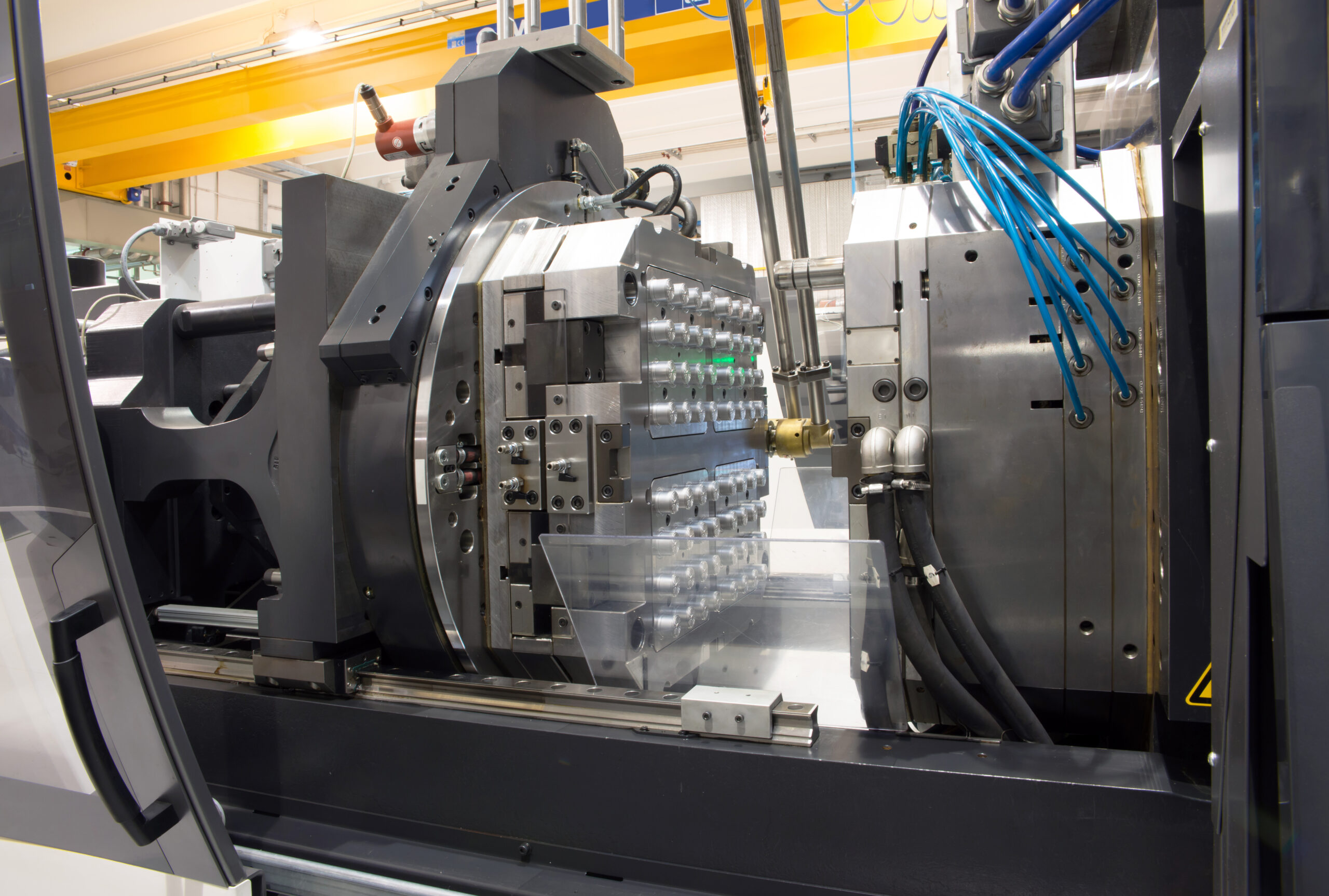
Accurate Non-Contact Temperature Measurement during injection molding, extrusion and blow molding
Home Case Studies Accurate Non-Contact Temperature Measurement during injection molding extrusion and blow molding Accurate Non-Contact Temperature Measurement during injection molding, extrusion and blow molding Accurate temperature measurement ensures homogenous wall thickness Minimizes risk of expensive ‘injection tool damage’ Provides object actual temperature Challenge Overheating/ underheating results in undesired shrinkage and white-spots Solution Accurate temperature measurement ensures homogenous wall thickness and mold cooling efficiency Solves problem of double shot Provides object actual temperature Minimizes risk of expensive ‘injection tool damage System features include Optical resolution options: 80×80 pixels or 382×288 pixels Temperature range of -20°C to 900°C Products and Accessories Thermal imaging camera for plastics applications Case Study Number TP3 Challenge The increasing flexibility of production lines requires a high adaptability of sensors. Continually changing object geometries, different temperatures and very high radiation or surrounding temperatures are no rarity. In a pilger mill those rough conditions can be found, among others in the production of seemless steel pipes. The raw steel blocks, each weighing a few tons are heated up first in a round oven at a temperature of 1300 °C. After descaling of the surface, the steel block is prepunched in a hole press with a strength from a converted 2000 t. In the next sloping rolling mill the growing pipe rotates between two rollers that are positioned at an angle to each other. The punching is widened to the size of the mandrel diameter. Previous solution / Competitor product N/A Solution The sensor that was installed at this application is the HMD OKA 2038.38 G with tube OL 19. The signal of the infrared sensors controls the movement of centering device and abutment. The point of view is restricted by the tube and prevents disturbances by steam in the cooling phase. An optimum adaptation to the operating conditions is given due to the adjustable response temperature. The HMD with self-learning response temperature (Auto-Teach function) is suited to continually changing conditions. The compact sensor with a stainless steel housing can withstand surrounding temperatures of up to 75° C. The use of a cooling jacket raises this up to 200° C. Alternatively sensors with fibre optic cables are available which permit an application at ambient temperatures up to 600° C without cooling. Customer Benefits Maintenance-free High temperature stability Recognition of hot objects at big distances Self adjustment with Auto-Teach or step switch for the response temperature Product Part number OKA 2038.38 G Brand Proxitron Accessories Piros swivel stand HM2 Tube OL 19 Pilot light unit (for alignment) DAK 308 + OL 26 Different cable lengths (e.g. 15 m) Customer Testimonial compared to previous solution or competition Case Studies Other Solutions in Plastics industry Sample case study title lorem ipsum here Short description of the problem solved, maybe include the client name. READ MORE Sample case study title lorem ipsum here Short description of the problem solved, maybe include the client name. READ MORE Sample case study title lorem ipsum here Short description of the problem solved, maybe include the client name. READ MORE View All
Tags: blow molding, extrusion, injection molding, plastics, temperature measurement
September 13, 2021
Full profile temperature measurement during plastics bottle cap sealing
Online thermal imager provides real time temp. streaming & imaging from all the defined areas. Several areas of interest are created. To check proper cap lamination, temperature must be higher a limit. Online tracking of temperature is possible Home Case Studies Full profile temperature measurement during plastics bottle cap sealing Full profile temperature measurement during plastics bottle cap sealing Online tracking of temperature using Thermal Camera Real time temperature streaming and imaging from all the defined areas Challenge Improper lamination of cap and top of bottle affects its sealing If temperature at any point on cap that of other areas, causes sealing to open up at that area Solution Optris online thermal imager provides real time temp. streaming & imaging from all the defined areas Several areas of interest are created To check proper cap lamination, temperature must be higher a limit Online tracking of temperature is possible System features include Spot ratio: 190:1 3 Analog Outputs: 4-20 mA/ 0-10 V Temperature range: -20°C to 900°C Products and Accessories Thermal imaging camera for plastics applications Case Study Number TP3 Challenge The increasing flexibility of production lines requires a high adaptability of sensors. Continually changing object geometries, different temperatures and very high radiation or surrounding temperatures are no rarity. In a pilger mill those rough conditions can be found, among others in the production of seemless steel pipes. The raw steel blocks, each weighing a few tons are heated up first in a round oven at a temperature of 1300 °C. After descaling of the surface, the steel block is prepunched in a hole press with a strength from a converted 2000 t. In the next sloping rolling mill the growing pipe rotates between two rollers that are positioned at an angle to each other. The punching is widened to the size of the mandrel diameter. Previous solution / Competitor product N/A Solution The sensor that was installed at this application is the HMD OKA 2038.38 G with tube OL 19. The signal of the infrared sensors controls the movement of centering device and abutment. The point of view is restricted by the tube and prevents disturbances by steam in the cooling phase. An optimum adaptation to the operating conditions is given due to the adjustable response temperature. The HMD with self-learning response temperature (Auto-Teach function) is suited to continually changing conditions. The compact sensor with a stainless steel housing can withstand surrounding temperatures of up to 75° C. The use of a cooling jacket raises this up to 200° C. Alternatively sensors with fibre optic cables are available which permit an application at ambient temperatures up to 600° C without cooling. Customer Benefits Maintenance-free High temperature stability Recognition of hot objects at big distances Self adjustment with Auto-Teach or step switch for the response temperature Product Part number OKA 2038.38 G Brand Proxitron Accessories Piros swivel stand HM2 Tube OL 19 Pilot light unit (for alignment) DAK 308 + OL 26 Different cable lengths (e.g. 15 m) Customer Testimonial compared to previous solution or competition Case Studies Other Solutions in Tyre industry Sample case study title lorem ipsum here Short description of the problem solved, maybe include the client name. READ MORE Sample case study title lorem ipsum here Short description of the problem solved, maybe include the client name. READ MORE Sample case study title lorem ipsum here Short description of the problem solved, maybe include the client name. READ MORE View All

Tags: bottle cap, plastic bottle, plastics, sealing, temperature measurement
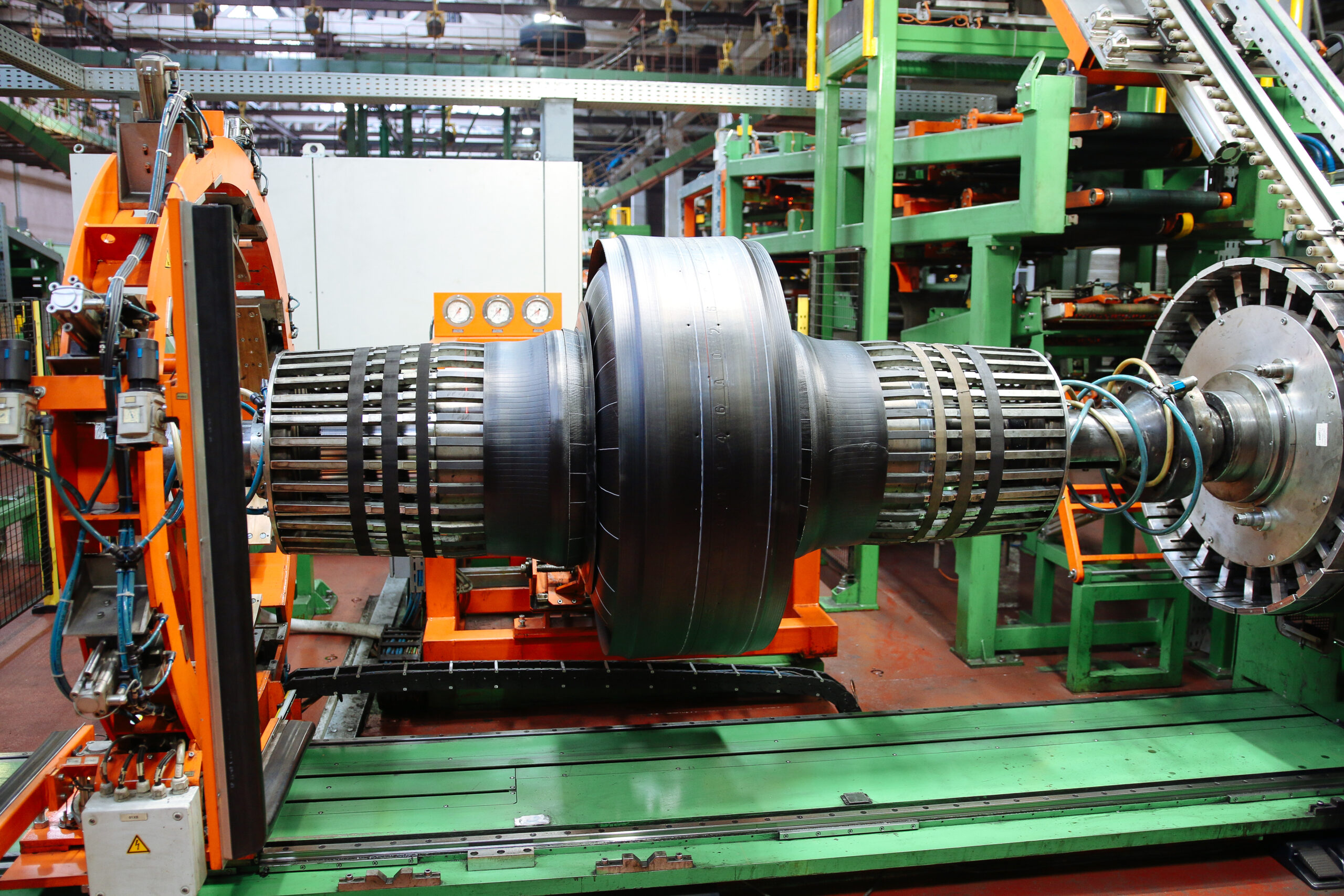
Quality testing of tyres using thermal imaging
To see temperature distribution on tyre surface during different strains level thermal imaging with non contact infrared camera is used. Visual map of temperature distribution is provided Home Case Studies Quality testing of tyres using thermal imaging Quality testing of tyres using thermal imaging Online testing of tyres using thermography Visual map of temperature distribution Task To see temperature distribution on tyre surface during different strains level. Thermal Imaging with non contact infrared camera has the following features Temperature range of -20°C to 900°C Output signal of 0-10V/4-20mA Products and Accessories Thermal imaging camera for tyre thermography Case Study Number TP3 Challenge The increasing flexibility of production lines requires a high adaptability of sensors. Continually changing object geometries, different temperatures and very high radiation or surrounding temperatures are no rarity. In a pilger mill those rough conditions can be found, among others in the production of seemless steel pipes. The raw steel blocks, each weighing a few tons are heated up first in a round oven at a temperature of 1300 °C. After descaling of the surface, the steel block is prepunched in a hole press with a strength from a converted 2000 t. In the next sloping rolling mill the growing pipe rotates between two rollers that are positioned at an angle to each other. The punching is widened to the size of the mandrel diameter. Previous solution / Competitor product N/A Solution The sensor that was installed at this application is the HMD OKA 2038.38 G with tube OL 19. The signal of the infrared sensors controls the movement of centering device and abutment. The point of view is restricted by the tube and prevents disturbances by steam in the cooling phase. An optimum adaptation to the operating conditions is given due to the adjustable response temperature. The HMD with self-learning response temperature (Auto-Teach function) is suited to continually changing conditions. The compact sensor with a stainless steel housing can withstand surrounding temperatures of up to 75° C. The use of a cooling jacket raises this up to 200° C. Alternatively sensors with fibre optic cables are available which permit an application at ambient temperatures up to 600° C without cooling. Customer Benefits Maintenance-free High temperature stability Recognition of hot objects at big distances Self adjustment with Auto-Teach or step switch for the response temperature Product Part number OKA 2038.38 G Brand Proxitron Accessories Piros swivel stand HM2 Tube OL 19 Pilot light unit (for alignment) DAK 308 + OL 26 Different cable lengths (e.g. 15 m) Customer Testimonial compared to previous solution or competition Case Studies Other Solutions in Tyre industry Sample case study title lorem ipsum here Short description of the problem solved, maybe include the client name. READ MORE Sample case study title lorem ipsum here Short description of the problem solved, maybe include the client name. READ MORE Sample case study title lorem ipsum here Short description of the problem solved, maybe include the client name. READ MORE View All
Tags: Laser, Positioning, Tire, Tyre
September 11, 2021
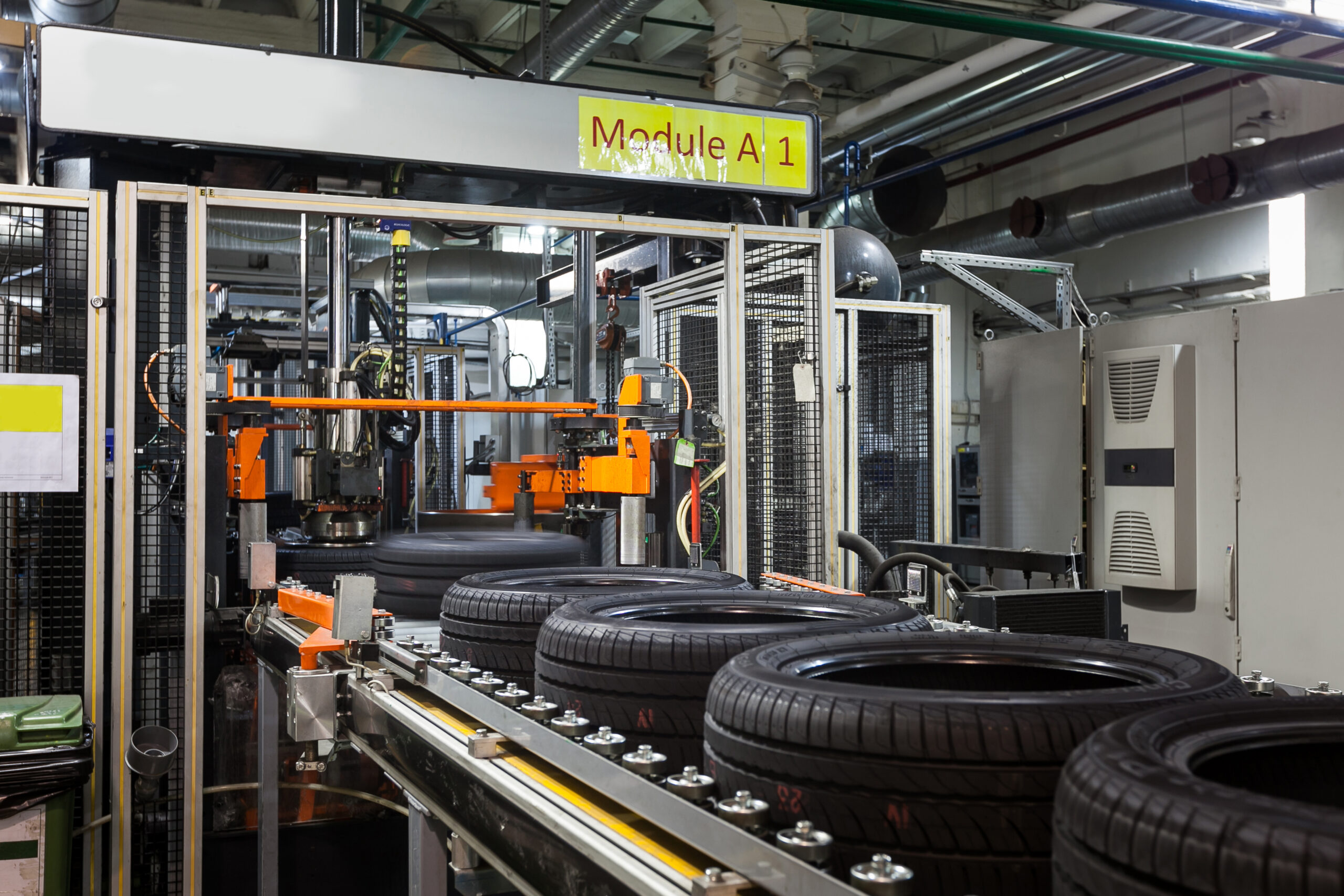
Determining exact width of the new tyre profile using lasers
To renew the profile, you have to determine the exact width of the new profile. This can be displayed with one, two or more laser lines so that the new profile fits perfectly. Home Case Studies Determining exact width of the new tyre profile using lasers Determining exact width of the new tyre profile using lasers Quick and accurate positioning of the tyres High precision of the following processing steps Avoidance of mistakes and rejects Task To renew the profile, you have to determine the exact width of the new profile. This can be displayed with one, two or more laser lines so that the new profile fits perfectly. Advantages: Straight, distortion-free laser lines Mechanical robustness of the laser modules and their holders Clear visibility of the laser lines without endangering the eyes Products and Accessories All rounder positioning laser for alignment tasks Case Study Number TP3 Challenge The increasing flexibility of production lines requires a high adaptability of sensors. Continually changing object geometries, different temperatures and very high radiation or surrounding temperatures are no rarity. In a pilger mill those rough conditions can be found, among others in the production of seemless steel pipes. The raw steel blocks, each weighing a few tons are heated up first in a round oven at a temperature of 1300 °C. After descaling of the surface, the steel block is prepunched in a hole press with a strength from a converted 2000 t. In the next sloping rolling mill the growing pipe rotates between two rollers that are positioned at an angle to each other. The punching is widened to the size of the mandrel diameter. Previous solution / Competitor product N/A Solution The sensor that was installed at this application is the HMD OKA 2038.38 G with tube OL 19. The signal of the infrared sensors controls the movement of centering device and abutment. The point of view is restricted by the tube and prevents disturbances by steam in the cooling phase. An optimum adaptation to the operating conditions is given due to the adjustable response temperature. The HMD with self-learning response temperature (Auto-Teach function) is suited to continually changing conditions. The compact sensor with a stainless steel housing can withstand surrounding temperatures of up to 75° C. The use of a cooling jacket raises this up to 200° C. Alternatively sensors with fibre optic cables are available which permit an application at ambient temperatures up to 600° C without cooling. Customer Benefits Maintenance-free High temperature stability Recognition of hot objects at big distances Self adjustment with Auto-Teach or step switch for the response temperature Product Part number OKA 2038.38 G Brand Proxitron Accessories Piros swivel stand HM2 Tube OL 19 Pilot light unit (for alignment) DAK 308 + OL 26 Different cable lengths (e.g. 15 m) Customer Testimonial compared to previous solution or competition Case Studies Other Solutions in Tyre industry Sample case study title lorem ipsum here Short description of the problem solved, maybe include the client name. READ MORE Sample case study title lorem ipsum here Short description of the problem solved, maybe include the client name. READ MORE Sample case study title lorem ipsum here Short description of the problem solved, maybe include the client name. READ MORE View All
Tags: Laser, Positioning, Tire, Tyre
September 10, 2021
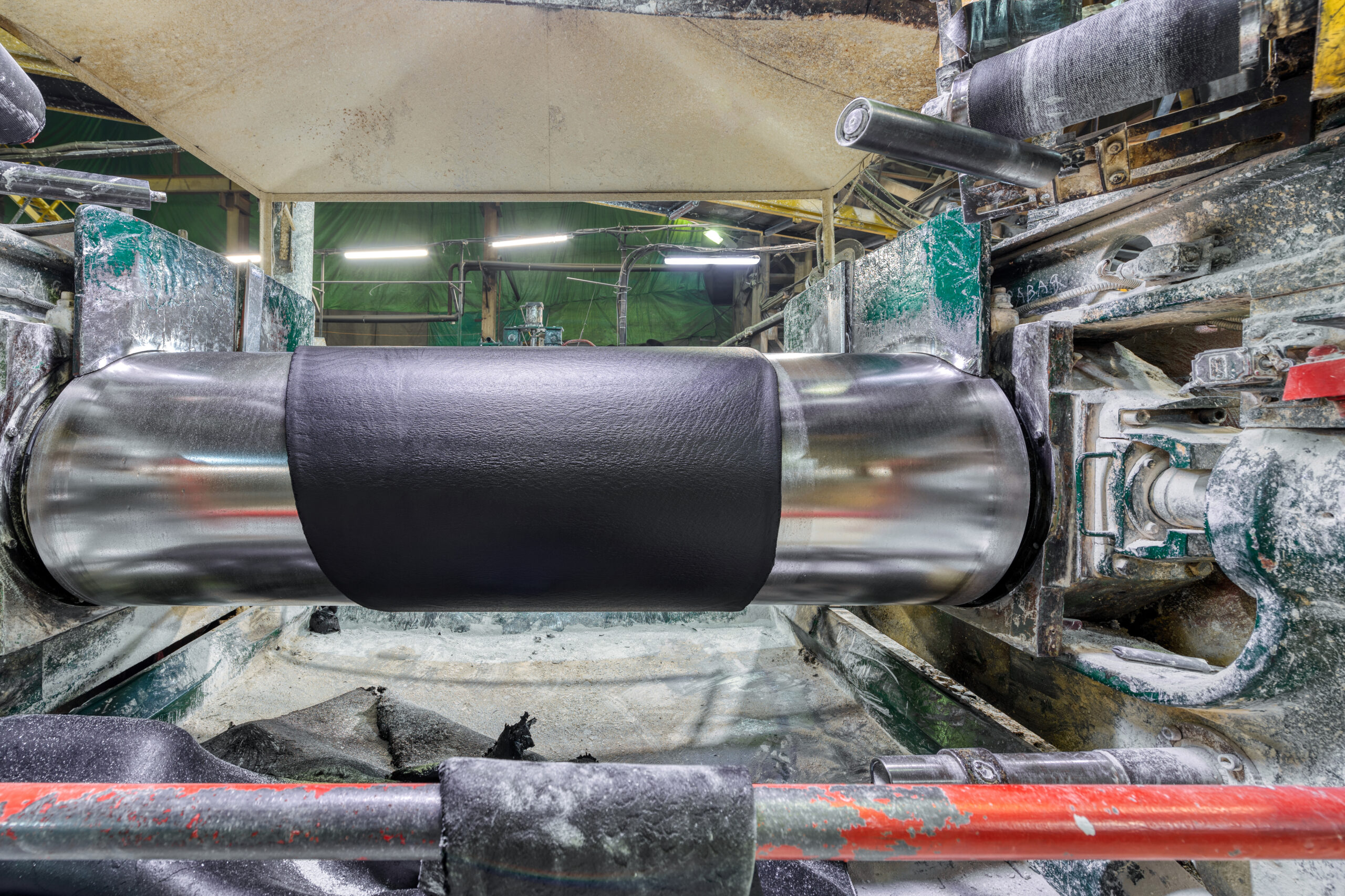
Positioning of rubber strips on drum during tyre production
Laser lines are used to mark the correct positioning of the rubber strips on the drum.. Three lasers are usually needed – one for the center lines and two for the outer lines. The outer lines can be adjusted depending on the width of the tyre. Lasers with green line provide better visibility, especially on black rubber. Home Case Studies Positioning of rubber strips on drum during tyre production Positioning of rubber strips on drum during tyre production Precise positioning of laser lines Perfect visual recognition of laser lines Protection of employees’ eyes (Laser Class 1M) Task During the production of tyres, laser lines are used to mark the correct positioning of the rubber strips on the drum. Three lasers are usually needed – one for the center lines and two for the outer lines. The outer lines can be adjusted depending on the width of the tyre. Lasers with green line provide better visibility, especially on black rubber. High production quality Minimal waste Time-saving Products and Accessories Laser 15mm laser head and M12 thread All rounder positioning laser for alignment tasks Case Study Number TP3 Challenge The increasing flexibility of production lines requires a high adaptability of sensors. Continually changing object geometries, different temperatures and very high radiation or surrounding temperatures are no rarity. In a pilger mill those rough conditions can be found, among others in the production of seemless steel pipes. The raw steel blocks, each weighing a few tons are heated up first in a round oven at a temperature of 1300 °C. After descaling of the surface, the steel block is prepunched in a hole press with a strength from a converted 2000 t. In the next sloping rolling mill the growing pipe rotates between two rollers that are positioned at an angle to each other. The punching is widened to the size of the mandrel diameter. Previous solution / Competitor product N/A Solution The sensor that was installed at this application is the HMD OKA 2038.38 G with tube OL 19. The signal of the infrared sensors controls the movement of centering device and abutment. The point of view is restricted by the tube and prevents disturbances by steam in the cooling phase. An optimum adaptation to the operating conditions is given due to the adjustable response temperature. The HMD with self-learning response temperature (Auto-Teach function) is suited to continually changing conditions. The compact sensor with a stainless steel housing can withstand surrounding temperatures of up to 75° C. The use of a cooling jacket raises this up to 200° C. Alternatively sensors with fibre optic cables are available which permit an application at ambient temperatures up to 600° C without cooling. Customer Benefits Maintenance-free High temperature stability Recognition of hot objects at big distances Self adjustment with Auto-Teach or step switch for the response temperature Product Part number OKA 2038.38 G Brand Proxitron Accessories Piros swivel stand HM2 Tube OL 19 Pilot light unit (for alignment) DAK 308 + OL 26 Different cable lengths (e.g. 15 m) Customer Testimonial compared to previous solution or competition Case Studies Other Solutions Sample case study title lorem ipsum here Short description of the problem solved, maybe include the client name. READ MORE Sample case study title lorem ipsum here Short description of the problem solved, maybe include the client name. READ MORE Sample case study title lorem ipsum here Short description of the problem solved, maybe include the client name. READ MORE View All
Tags: Laser, Positioning, Tire, Tyre
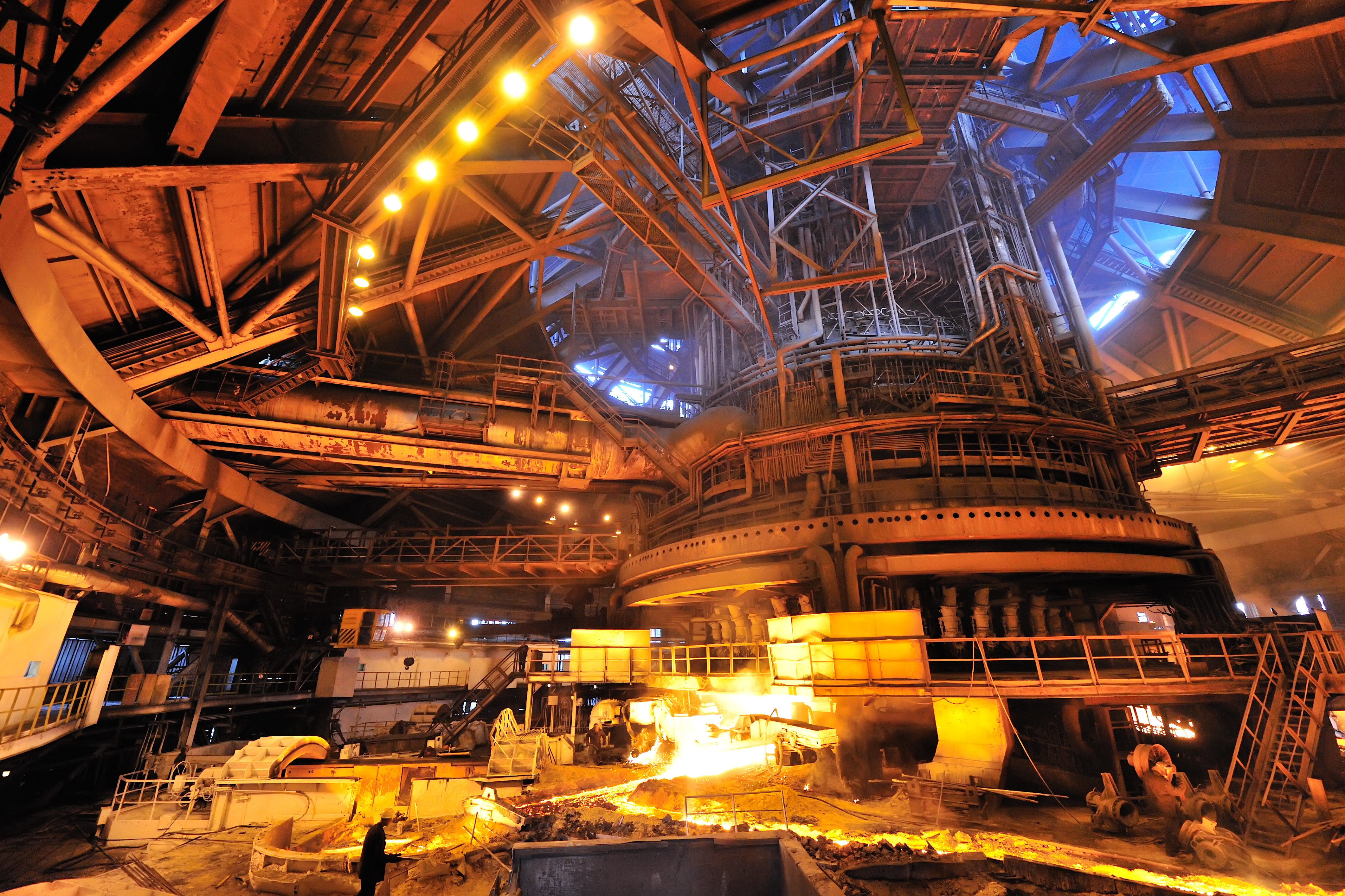
Measuring temperature inside metal in Reheating Furnace
The short wavelength high performance pyrometer with wall mounting monitors temperature of metal inside the reheating furnace and ensures slabs are optimally heated. Direct temperature measurement of metal is made possible with option to have a video view of the inside of the furnace. Home Case Studies Measuring temperature inside metal in Reheating Furnace Measuring temperature inside metal in Reheating Furnace Accurate temperature measurement of Runner stream 500nm short wavelength of sensor minimize influence of changing emissivity of hot metal 1000-2000°C instrument measuring range 3 options available: Portable, Fixed Type and Thermal Camera Plug and play system that works in high dusty environment Application and Pyromter installation photos Challenges Fast and accurate temperature measurement Traces of slag present on the top surface Changing emissivity of hot metal High dusty environment Solution Pyrometer selected with a very short wavelength at 500nm to reduce the influence of emissivity adjustment Peak-hold functionality holds the maximum temperature, which is of hot metal as the slag is typically lower temp Accessories:- 300mm pipe to prevent dust accumulation on the lens Air purging collar Water cooling jacket (nitrogen air can also be used) Multi-colour (red, green and yellow) LED display along with junction box Technical Specifications Measuring range: 1000-2000°C Spectral range: 500nm Resolution: 150:1 Response time: 1ms Accuracy: 0.3% of reading + 2°C Optris: Thermal camera for Multiple temperature points and visualisation in control room Products and Accessories Portable Pyromter Single Color Pyrometer Case Study Number TP3 Challenge The increasing flexibility of production lines requires a high adaptability of sensors. Continually changing object geometries, different temperatures and very high radiation or surrounding temperatures are no rarity. In a pilger mill those rough conditions can be found, among others in the production of seemless steel pipes. The raw steel blocks, each weighing a few tons are heated up first in a round oven at a temperature of 1300 °C. After descaling of the surface, the steel block is prepunched in a hole press with a strength from a converted 2000 t. In the next sloping rolling mill the growing pipe rotates between two rollers that are positioned at an angle to each other. The punching is widened to the size of the mandrel diameter. Previous solution / Competitor product N/A Solution The sensor that was installed at this application is the HMD OKA 2038.38 G with tube OL 19. The signal of the infrared sensors controls the movement of centering device and abutment. The point of view is restricted by the tube and prevents disturbances by steam in the cooling phase. An optimum adaptation to the operating conditions is given due to the adjustable response temperature. The HMD with self-learning response temperature (Auto-Teach function) is suited to continually changing conditions. The compact sensor with a stainless steel housing can withstand surrounding temperatures of up to 75° C. The use of a cooling jacket raises this up to 200° C. Alternatively sensors with fibre optic cables are available which permit an application at ambient temperatures up to 600° C without cooling. Customer Benefits Maintenance-free High temperature stability Recognition of hot objects at big distances Self adjustment with Auto-Teach or step switch for the response temperature Product Part number OKA 2038.38 G Brand Proxitron Accessories Piros swivel stand HM2 Tube OL 19 Pilot light unit (for alignment) DAK 308 + OL 26 Different cable lengths (e.g. 15 m) Customer Testimonial compared to previous solution or competition Case Studies Other Solutions in Hot Rolling Mills Sample case study title lorem ipsum here Short description of the problem solved, maybe include the client name. READ MORE Sample case study title lorem ipsum here Short description of the problem solved, maybe include the client name. READ MORE Sample case study title lorem ipsum here Short description of the problem solved, maybe include the client name. READ MORE View All
Tags: HRM Flat, Reheating, Temperature inside metal
September 3, 2021
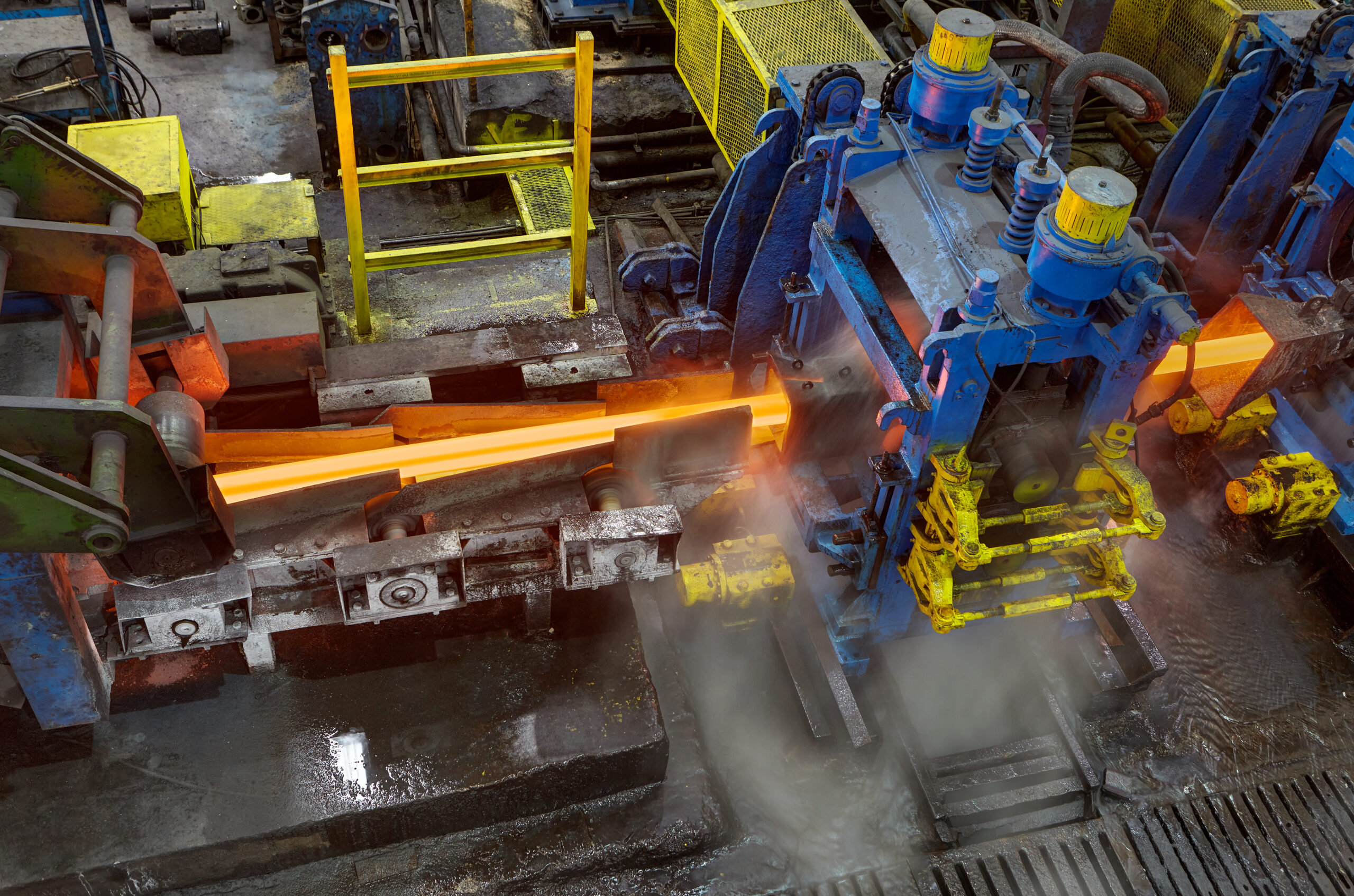
Pinch roll rod detection before laying head
Hot Metal Detector was used for the detection of long product rolling. The sensor’s small spot size is big enough to capture bar fluttering but without sensing crop ends. No water cooling was required as the sensor was provided with a fibre optic cable between the optics and the electronics. Electronics were kept 2m away from the heat zone Home Case Studies Pinch roll rod detection before laying head Pinch roll rod detection before laying head Home Case Studies Pilger mill in tube rolling mills – hot and cold pipe detection Pilger mill in tube rolling mills – hot and cold pipe detection Dual (Hystersis) Threshold: Customer could now create band to control signal on/off (Son and Soff. Avoid false triggering when temperature dropped for short durations due to presence of steam. Maintenance free modular design: Three-piece design (Optics, fiber optic cable, electronics) parts can be each purchased separately. Compact size: Optics are 25mx85mm. Possibility to implement redundancy and shadow mode operations to compare the results. Flexibility for variable response temperature threshold (400C..10000C) as per site: The object temperature can range from 1000C to 18000C. On special request model can start as low as 250⁰C to 600⁰C Standard-function, offset-function, alarm-function and jump-detection 2 free adjustable switching outputs Challenges The existing solution suffered from various problems Oversensing Scanning technology detected hot crops/ tail ends fallen on the track Flickering at water box exit: Bar temperature used to drop from 900⁰C to ~600⁰C with existing solution’s fixed triggered threshold. Expensive maintenance: Water cooling line had to be ON all times to avoid electronics failure. Redundancy not feasible Existing solution had a bulky design therefore it was not feasible to implement dual HMDs. Solution HMD optical sensor is ideal for this application. The sensor’s small spot size is big enough to capture bar fluttering but without sensing crop ends. (Optics 20 has 55mm spot size) No water cooling was required as the sensor was provided with a fibre optic cable between the optics and the electronics. With the FOC system, the sensor can operate at ambient temperatures upto 2900C without any water / air cooling. Electronics were kept 2m away from the heat zone. All components were housed in protective rugged stainless steel for protection against moisture, steam, shock and vibration. Optical filters protected against spurious radiation. Variable Response Temperature threshold could be set as per site requirement from 4000C to 10000C. Note: Other models that start as low as 1000C response temperature are also possible Products and Accessories Compact HMD for TMT bars Flicker free HMD for long and flat rolling Flicker free compact HMD for high ambient environment Case Study Number TP3 Challenge The increasing flexibility of production lines requires a high adaptability of sensors. Continually changing object geometries, different temperatures and very high radiation or surrounding temperatures are no rarity. In a pilger mill those rough conditions can be found, among others in the production of seemless steel pipes. The raw steel blocks, each weighing a few tons are heated up first in a round oven at a temperature of 1300 °C. After descaling of the surface, the steel block is prepunched in a hole press with a strength from a converted 2000 t. In the next sloping rolling mill the growing pipe rotates between two rollers that are positioned at an angle to each other. The punching is widened to the size of the mandrel diameter. Previous solution / Competitor product N/A Solution The sensor that was installed at this application is the HMD OKA 2038.38 G with tube OL 19. The signal of the infrared sensors controls the movement of centering device and abutment. The point of view is restricted by the tube and prevents disturbances by steam in the cooling phase. An optimum adaptation to the operating conditions is given due to the adjustable response temperature. The HMD with self-learning response temperature (Auto-Teach function) is suited to continually changing conditions. The compact sensor with a stainless steel housing can withstand surrounding temperatures of up to 75° C. The use of a cooling jacket raises this up to 200° C. Alternatively sensors with fibre optic cables are available which permit an application at ambient temperatures up to 600° C without cooling. Customer Benefits Maintenance-free High temperature stability Recognition of hot objects at big distances Self adjustment with Auto-Teach or step switch for the response temperature Product Part number OKA 2038.38 G Brand Proxitron Accessories Piros swivel stand HM2 Tube OL 19 Pilot light unit (for alignment) DAK 308 + OL 26 Different cable lengths (e.g. 15 m) Customer Testimonial compared to previous solution or competition Case Studies Other Solutions in Hot Rolling Mills Sample case study title lorem ipsum here Short description of the problem solved, maybe include the client name. READ MORE Sample case study title lorem ipsum here Short description of the problem solved, maybe include the client name. READ MORE Sample case study title lorem ipsum here Short description of the problem solved, maybe include the client name. READ MORE View All
Tags: HMD, HRM Long, Intermediate Stand, laying head, Rod detection
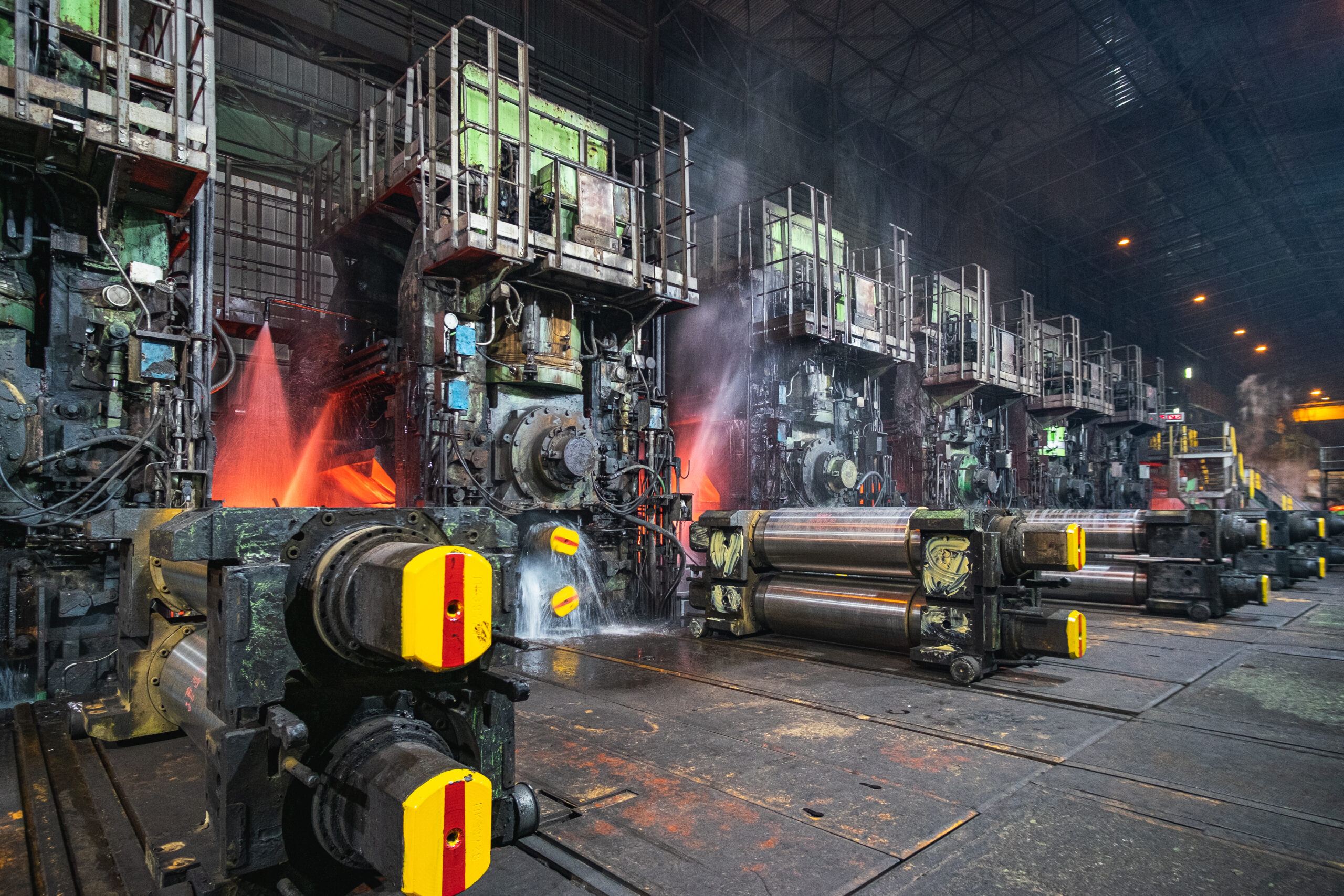
Roll Change Detection: High temperature proximity for wet areas with heat radiation proximity fo
Short circuit protected proximity switch for 10 – 55 V DC with 3-wire technology was used for the accurate detection of roll change in very harsh operating conditions. The high temperature electronics can withstand ambient temperature of up to 100⁰C Home Case Studies Roll change detection on work roll backup roll in mill stand Roll Change Detection: High temperature proximity for wet areas with heat radiation proximity Home Case Studies Pilger mill in tube rolling mills – hot and cold pipe detection Pilger mill in tube rolling mills – hot and cold pipe detection Best solution for roll change proximity under most aggressive environment Reduction in roll change time to maximize production/ equipment availability High ambient temperature electronics (1000C and 1200C) Cable protection system from flying scales, sparks PBT housing material prevent corrosion of the housing easy to replace during shutdown Challenges Delays/interruptions in roll change as the feedback from proximity was not reliable Detection in harsh operating environment continuous water from spray headers; high ambient heat from the strips. Cable damage due to flying chips / scale PVC cable crackling from temp. cycling Solution Improvised field proven proximity used by SMS-Siemag | Primetals by high temperature electronics PBT housing designed to reduce impact of temperature cycling Silicone cable withstand 1800C Reduce damage from mechanical play by higher sensing 15|20|25mm Integrated cable protection Higher IP rating Inductive Proximity Switch Cable Protection Case Study Number TP3 Challenge The increasing flexibility of production lines requires a high adaptability of sensors. Continually changing object geometries, different temperatures and very high radiation or surrounding temperatures are no rarity. In a pilger mill those rough conditions can be found, among others in the production of seemless steel pipes. The raw steel blocks, each weighing a few tons are heated up first in a round oven at a temperature of 1300 °C. After descaling of the surface, the steel block is prepunched in a hole press with a strength from a converted 2000 t. In the next sloping rolling mill the growing pipe rotates between two rollers that are positioned at an angle to each other. The punching is widened to the size of the mandrel diameter. Previous solution / Competitor product N/A Solution The sensor that was installed at this application is the HMD OKA 2038.38 G with tube OL 19. The signal of the infrared sensors controls the movement of centering device and abutment. The point of view is restricted by the tube and prevents disturbances by steam in the cooling phase. An optimum adaptation to the operating conditions is given due to the adjustable response temperature. The HMD with self-learning response temperature (Auto-Teach function) is suited to continually changing conditions. The compact sensor with a stainless steel housing can withstand surrounding temperatures of up to 75° C. The use of a cooling jacket raises this up to 200° C. Alternatively sensors with fibre optic cables are available which permit an application at ambient temperatures up to 600° C without cooling. Customer Benefits Maintenance-free High temperature stability Recognition of hot objects at big distances Self adjustment with Auto-Teach or step switch for the response temperature Product Part number OKA 2038.38 G Brand Proxitron Accessories Piros swivel stand HM2 Tube OL 19 Pilot light unit (for alignment) DAK 308 + OL 26 Different cable lengths (e.g. 15 m) Customer Testimonial compared to previous solution or competition Case Studies Other Solutions in Hot Rolling Mills – Finishing Mills Sample case study title lorem ipsum here Short description of the problem solved, maybe include the client name. READ MORE Sample case study title lorem ipsum here Short description of the problem solved, maybe include the client name. READ MORE Sample case study title lorem ipsum here Short description of the problem solved, maybe include the client name. READ MORE View All
Tags: backup roll, HRM Flat, Proximity, Roll Change, Work roll
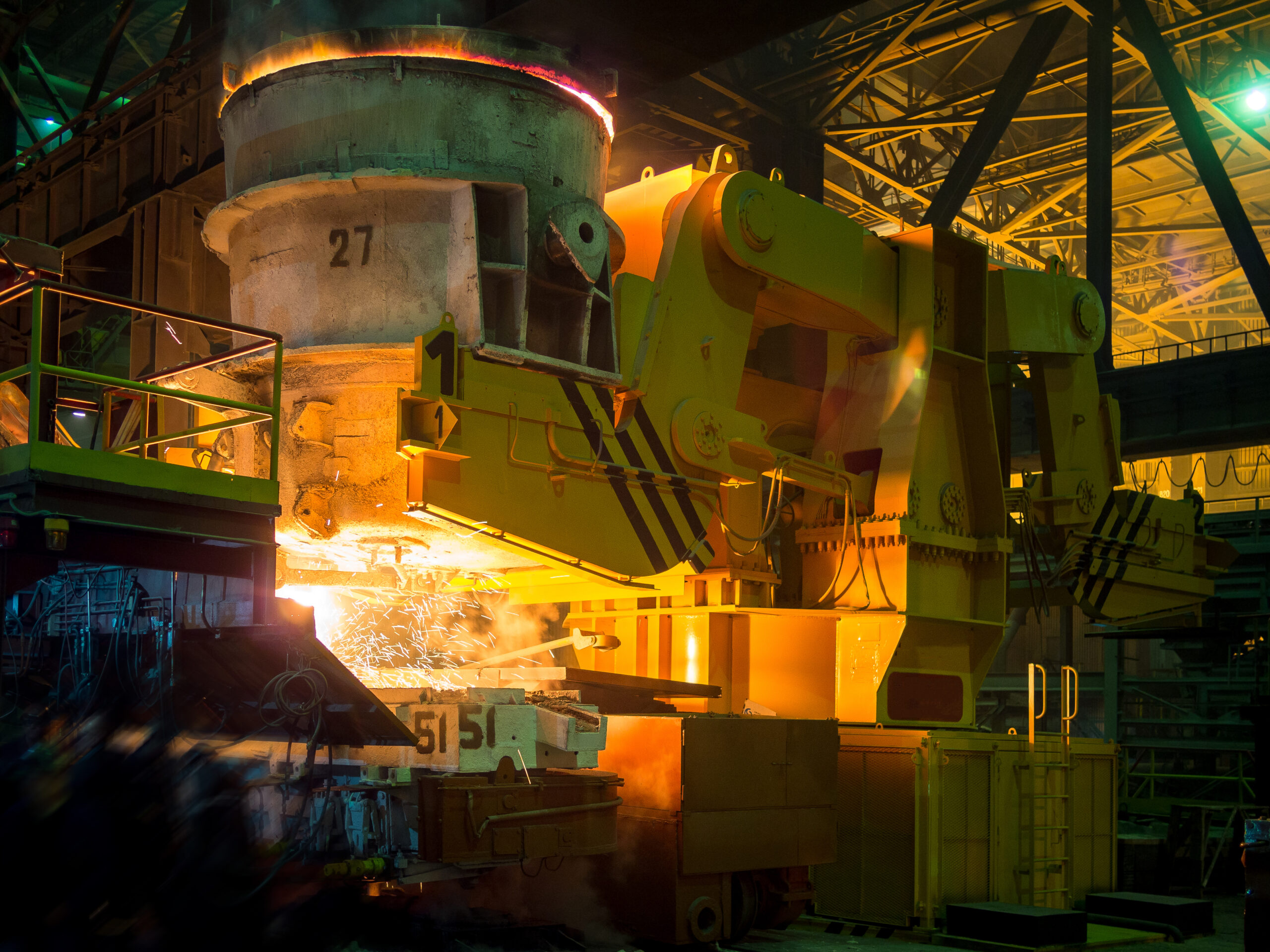
Online condition based monitoring of Tundish
IR camera continuously monitors the ROI of tundish, generating an alarm if temperature exceeded 300⁰ thereby improving ladle lifetime with early detection and selective repairs. Home Case Studies Online condition based monitoring of Tundish Online condition based monitoring of Tundish Home Case Studies Pilger mill in tube rolling mills – hot and cold pipe detection Pilger mill in tube rolling mills – hot and cold pipe detection Increased efficiency: Ladle lifetime improvement with early detection allowing for selective repairs as opposed to full lining replacement Improved safety level: Prevented breakouts and reduced risk of damage to personnel & plant equipment Predictive Maintenance: Real time system running 365 / 24/ 7 days, with warning of excessive shell temperature from refractory degradation Avoided unscheduled downtime: Avoided costly machinery damage and days to clean-up mess Challenges Cracking as a result of the puncture in the refractory which was causing machine downtime, interrupting operations and creating safety hazards. Solution Compact spot finder IR camera was installed. The Hot spot detector scanned the entire tundish Each ROI (region of interest) temperature was continuously monitored If zone temperature exceeds above 300⁰C, an alarm was generated Easy identification of the spot with maximum refractory erosion was made possible Products and Accessories Thermal Imaging Camera Cooling Jacket Laminar Air purge Protective Housing High Temperature Cables USB to LAN Case Study Number TP3 Challenge The increasing flexibility of production lines requires a high adaptability of sensors. Continually changing object geometries, different temperatures and very high radiation or surrounding temperatures are no rarity. In a pilger mill those rough conditions can be found, among others in the production of seemless steel pipes. The raw steel blocks, each weighing a few tons are heated up first in a round oven at a temperature of 1300 °C. After descaling of the surface, the steel block is prepunched in a hole press with a strength from a converted 2000 t. In the next sloping rolling mill the growing pipe rotates between two rollers that are positioned at an angle to each other. The punching is widened to the size of the mandrel diameter. Previous solution / Competitor product N/A Solution The sensor that was installed at this application is the HMD OKA 2038.38 G with tube OL 19. The signal of the infrared sensors controls the movement of centering device and abutment. The point of view is restricted by the tube and prevents disturbances by steam in the cooling phase. An optimum adaptation to the operating conditions is given due to the adjustable response temperature. The HMD with self-learning response temperature (Auto-Teach function) is suited to continually changing conditions. The compact sensor with a stainless steel housing can withstand surrounding temperatures of up to 75° C. The use of a cooling jacket raises this up to 200° C. Alternatively sensors with fibre optic cables are available which permit an application at ambient temperatures up to 600° C without cooling. Customer Benefits Maintenance-free High temperature stability Recognition of hot objects at big distances Self adjustment with Auto-Teach or step switch for the response temperature Product Part number OKA 2038.38 G Brand Proxitron Accessories Piros swivel stand HM2 Tube OL 19 Pilot light unit (for alignment) DAK 308 + OL 26 Different cable lengths (e.g. 15 m) Customer Testimonial compared to previous solution or competition Case Studies Other Solutions in Hot Rolling Mills Sample case study title lorem ipsum here Short description of the problem solved, maybe include the client name. READ MORE Sample case study title lorem ipsum here Short description of the problem solved, maybe include the client name. READ MORE Sample case study title lorem ipsum here Short description of the problem solved, maybe include the client name. READ MORE View All
Tags: Steel Making, Temperature, Tundish
September 2, 2021
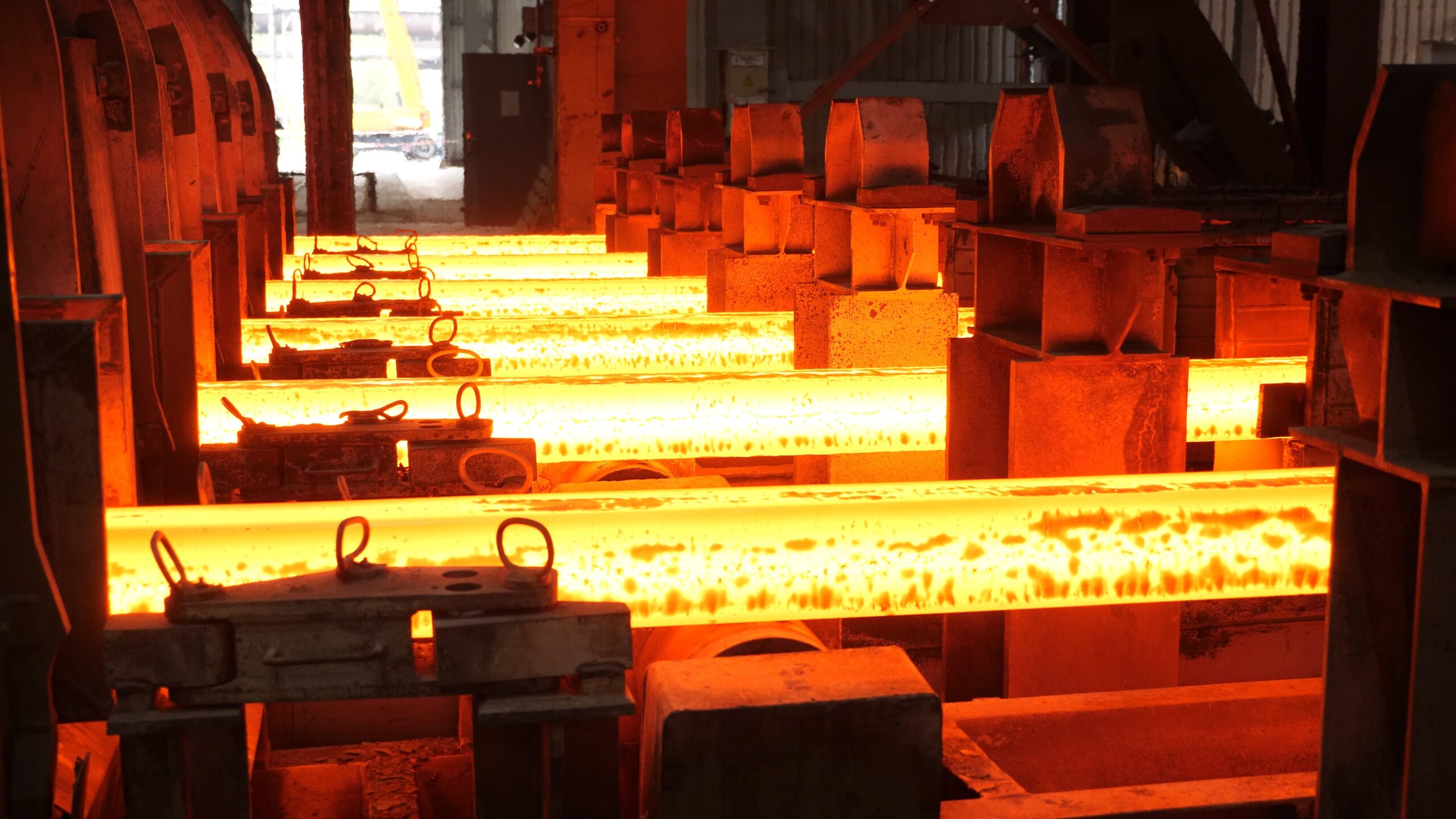
2. Temperature Measurement of Caster for Billet | Bloom | Slab
Thermal imaging camera provides accurate temperature profile of the slab eliminating the need of multiple point temperature measurement from a single sensor. Home Case Studies Temperature Measurement of Caster for Billet Bloom Slab Temperature Measurement of Caster for Billet | Bloom | Slab Home Case Studies Pilger mill in tube rolling mills – hot and cold pipe detection Pilger mill in tube rolling mills – hot and cold pipe detection Consistent metallurgical properties: Scales, water do not impact measurement Energy Saving: Optimized heating pattern can be controlled Homogenize temperature: At discharge uniform temperature distribution across length, breadth and thickness Accurate: Scales have no impact on temperature readings Challenges The customer needed the profile measurement for the slab to ensure uniform heating from edge to edge. It was difficult to install and maintain one single sensor for each billet / bloom. Solution Thermal imaging camera allows simultaneous measurement of multiple objects in different locations Measured temperature profile over the entire metal object Could be easily integrated into 24/7 control and monitoring systems System features included 450-1800°C 768*428 pixels 1µm wavelength 1Khz capture rate 3|4|8 nos of Analog 4-20mA Excel data logging (optional) 3nos of Analog 4-20mA Excel data logging 315C of ambient temperature Process visualization: Accurately gauge metallurgical cooling requirements Low maintenance cost: Multiple point temperature measurement from single sensor Highly durable: IR Camera installed 10m away from heat zone Products and Accessories For Secondary Steel Processing Cooling Jacket High Temperature Cables Case Study Number TP3 Challenge The increasing flexibility of production lines requires a high adaptability of sensors. Continually changing object geometries, different temperatures and very high radiation or surrounding temperatures are no rarity. In a pilger mill those rough conditions can be found, among others in the production of seemless steel pipes. The raw steel blocks, each weighing a few tons are heated up first in a round oven at a temperature of 1300 °C. After descaling of the surface, the steel block is prepunched in a hole press with a strength from a converted 2000 t. In the next sloping rolling mill the growing pipe rotates between two rollers that are positioned at an angle to each other. The punching is widened to the size of the mandrel diameter. Previous solution / Competitor product N/A Solution The sensor that was installed at this application is the HMD OKA 2038.38 G with tube OL 19. The signal of the infrared sensors controls the movement of centering device and abutment. The point of view is restricted by the tube and prevents disturbances by steam in the cooling phase. An optimum adaptation to the operating conditions is given due to the adjustable response temperature. The HMD with self-learning response temperature (Auto-Teach function) is suited to continually changing conditions. The compact sensor with a stainless steel housing can withstand surrounding temperatures of up to 75° C. The use of a cooling jacket raises this up to 200° C. Alternatively sensors with fibre optic cables are available which permit an application at ambient temperatures up to 600° C without cooling. Customer Benefits Maintenance-free High temperature stability Recognition of hot objects at big distances Self adjustment with Auto-Teach or step switch for the response temperature Product Part number OKA 2038.38 G Brand Proxitron Accessories Piros swivel stand HM2 Tube OL 19 Pilot light unit (for alignment) DAK 308 + OL 26 Different cable lengths (e.g. 15 m) Customer Testimonial compared to previous solution or competition Case Studies Other Solutions in Hot Rolling Mills Sample case study title lorem ipsum here Short description of the problem solved, maybe include the client name. READ MORE Sample case study title lorem ipsum here Short description of the problem solved, maybe include the client name. READ MORE Sample case study title lorem ipsum here Short description of the problem solved, maybe include the client name. READ MORE View All
Tags: Billet, Bloom, Caster, Slab, Steel Making, Temperature
Page 11 of 14
Case Studies


Found 139 Results
Page 11 of 14
Page 11 of 14
Page 11 of 14
Accurate Non-Contact Temperature Measurement during injection molding, extrusion and blow molding
Home Case Studies Accurate Non-Contact Temperature Measurement during injection molding extrusion and blow molding Accurate Non-Contact Temperature Measurement during injection molding, extrusion and blow molding Accurate temperature measurement ensures homogenous wall thickness Minimizes risk of expensive ‘injection tool damage’ Provides object actual temperature Challenge Overheating/ underheating results in undesired shrinkage and white-spots Solution Accurate temperature measurement ensures homogenous wall thickness and mold cooling efficiency Solves problem of double shot Provides object actual temperature Minimizes risk of expensive ‘injection tool damage System features include Optical resolution options: 80×80 pixels or 382×288 pixels Temperature range of -20°C to 900°C Products and Accessories Thermal imaging camera for plastics applications Case Study Number TP3 Challenge The increasing flexibility of production lines requires a high adaptability of sensors. Continually changing object geometries, different temperatures and very high radiation or surrounding temperatures are no rarity. In a pilger mill those rough conditions can be found, among others in the production of seemless steel pipes. The raw steel blocks, each weighing a few tons are heated up first in a round oven at a temperature of 1300 °C. After descaling of the surface, the steel block is prepunched in a hole press with a strength from a converted 2000 t. In the next sloping rolling mill the growing pipe rotates between two rollers that are positioned at an angle to each other. The punching is widened to the size of the mandrel diameter. Previous solution / Competitor product N/A Solution The sensor that was installed at this application is the HMD OKA 2038.38 G with tube OL 19. The signal of the infrared sensors controls the movement of centering device and abutment. The point of view is restricted by the tube and prevents disturbances by steam in the cooling phase. An optimum adaptation to the operating conditions is given due to the adjustable response temperature. The HMD with self-learning response temperature (Auto-Teach function) is suited to continually changing conditions. The compact sensor with a stainless steel housing can withstand surrounding temperatures of up to 75° C. The use of a cooling jacket raises this up to 200° C. Alternatively sensors with fibre optic cables are available which permit an application at ambient temperatures up to 600° C without cooling. Customer Benefits Maintenance-free High temperature stability Recognition of hot objects at big distances Self adjustment with Auto-Teach or step switch for the response temperature Product Part number OKA 2038.38 G Brand Proxitron Accessories Piros swivel stand HM2 Tube OL 19 Pilot light unit (for alignment) DAK 308 + OL 26 Different cable lengths (e.g. 15 m) Customer Testimonial compared to previous solution or competition Case Studies Other Solutions in Plastics industry Sample case study title lorem ipsum here Short description of the problem solved, maybe include the client name. READ MORE Sample case study title lorem ipsum here Short description of the problem solved, maybe include the client name. READ MORE Sample case study title lorem ipsum here Short description of the problem solved, maybe include the client name. READ MORE View All
Tags: blow molding, extrusion, injection molding, plastics, temperature measurement
September 13, 2021
Full profile temperature measurement during plastics bottle cap sealing
Online thermal imager provides real time temp. streaming & imaging from all the defined areas. Several areas of interest are created. To check proper cap lamination, temperature must be higher a limit. Online tracking of temperature is possible Home Case Studies Full profile temperature measurement during plastics bottle cap sealing Full profile temperature measurement during plastics bottle cap sealing Online tracking of temperature using Thermal Camera Real time temperature streaming and imaging from all the defined areas Challenge Improper lamination of cap and top of bottle affects its sealing If temperature at any point on cap that of other areas, causes sealing to open up at that area Solution Optris online thermal imager provides real time temp. streaming & imaging from all the defined areas Several areas of interest are created To check proper cap lamination, temperature must be higher a limit Online tracking of temperature is possible System features include Spot ratio: 190:1 3 Analog Outputs: 4-20 mA/ 0-10 V Temperature range: -20°C to 900°C Products and Accessories Thermal imaging camera for plastics applications Case Study Number TP3 Challenge The increasing flexibility of production lines requires a high adaptability of sensors. Continually changing object geometries, different temperatures and very high radiation or surrounding temperatures are no rarity. In a pilger mill those rough conditions can be found, among others in the production of seemless steel pipes. The raw steel blocks, each weighing a few tons are heated up first in a round oven at a temperature of 1300 °C. After descaling of the surface, the steel block is prepunched in a hole press with a strength from a converted 2000 t. In the next sloping rolling mill the growing pipe rotates between two rollers that are positioned at an angle to each other. The punching is widened to the size of the mandrel diameter. Previous solution / Competitor product N/A Solution The sensor that was installed at this application is the HMD OKA 2038.38 G with tube OL 19. The signal of the infrared sensors controls the movement of centering device and abutment. The point of view is restricted by the tube and prevents disturbances by steam in the cooling phase. An optimum adaptation to the operating conditions is given due to the adjustable response temperature. The HMD with self-learning response temperature (Auto-Teach function) is suited to continually changing conditions. The compact sensor with a stainless steel housing can withstand surrounding temperatures of up to 75° C. The use of a cooling jacket raises this up to 200° C. Alternatively sensors with fibre optic cables are available which permit an application at ambient temperatures up to 600° C without cooling. Customer Benefits Maintenance-free High temperature stability Recognition of hot objects at big distances Self adjustment with Auto-Teach or step switch for the response temperature Product Part number OKA 2038.38 G Brand Proxitron Accessories Piros swivel stand HM2 Tube OL 19 Pilot light unit (for alignment) DAK 308 + OL 26 Different cable lengths (e.g. 15 m) Customer Testimonial compared to previous solution or competition Case Studies Other Solutions in Tyre industry Sample case study title lorem ipsum here Short description of the problem solved, maybe include the client name. READ MORE Sample case study title lorem ipsum here Short description of the problem solved, maybe include the client name. READ MORE Sample case study title lorem ipsum here Short description of the problem solved, maybe include the client name. READ MORE View All
Tags: bottle cap, plastic bottle, plastics, sealing, temperature measurement
Quality testing of tyres using thermal imaging
To see temperature distribution on tyre surface during different strains level thermal imaging with non contact infrared camera is used. Visual map of temperature distribution is provided Home Case Studies Quality testing of tyres using thermal imaging Quality testing of tyres using thermal imaging Online testing of tyres using thermography Visual map of temperature distribution Task To see temperature distribution on tyre surface during different strains level. Thermal Imaging with non contact infrared camera has the following features Temperature range of -20°C to 900°C Output signal of 0-10V/4-20mA Products and Accessories Thermal imaging camera for tyre thermography Case Study Number TP3 Challenge The increasing flexibility of production lines requires a high adaptability of sensors. Continually changing object geometries, different temperatures and very high radiation or surrounding temperatures are no rarity. In a pilger mill those rough conditions can be found, among others in the production of seemless steel pipes. The raw steel blocks, each weighing a few tons are heated up first in a round oven at a temperature of 1300 °C. After descaling of the surface, the steel block is prepunched in a hole press with a strength from a converted 2000 t. In the next sloping rolling mill the growing pipe rotates between two rollers that are positioned at an angle to each other. The punching is widened to the size of the mandrel diameter. Previous solution / Competitor product N/A Solution The sensor that was installed at this application is the HMD OKA 2038.38 G with tube OL 19. The signal of the infrared sensors controls the movement of centering device and abutment. The point of view is restricted by the tube and prevents disturbances by steam in the cooling phase. An optimum adaptation to the operating conditions is given due to the adjustable response temperature. The HMD with self-learning response temperature (Auto-Teach function) is suited to continually changing conditions. The compact sensor with a stainless steel housing can withstand surrounding temperatures of up to 75° C. The use of a cooling jacket raises this up to 200° C. Alternatively sensors with fibre optic cables are available which permit an application at ambient temperatures up to 600° C without cooling. Customer Benefits Maintenance-free High temperature stability Recognition of hot objects at big distances Self adjustment with Auto-Teach or step switch for the response temperature Product Part number OKA 2038.38 G Brand Proxitron Accessories Piros swivel stand HM2 Tube OL 19 Pilot light unit (for alignment) DAK 308 + OL 26 Different cable lengths (e.g. 15 m) Customer Testimonial compared to previous solution or competition Case Studies Other Solutions in Tyre industry Sample case study title lorem ipsum here Short description of the problem solved, maybe include the client name. READ MORE Sample case study title lorem ipsum here Short description of the problem solved, maybe include the client name. READ MORE Sample case study title lorem ipsum here Short description of the problem solved, maybe include the client name. READ MORE View All
Tags: Laser, Positioning, Tire, Tyre
September 11, 2021
Determining exact width of the new tyre profile using lasers
To renew the profile, you have to determine the exact width of the new profile. This can be displayed with one, two or more laser lines so that the new profile fits perfectly. Home Case Studies Determining exact width of the new tyre profile using lasers Determining exact width of the new tyre profile using lasers Quick and accurate positioning of the tyres High precision of the following processing steps Avoidance of mistakes and rejects Task To renew the profile, you have to determine the exact width of the new profile. This can be displayed with one, two or more laser lines so that the new profile fits perfectly. Advantages: Straight, distortion-free laser lines Mechanical robustness of the laser modules and their holders Clear visibility of the laser lines without endangering the eyes Products and Accessories All rounder positioning laser for alignment tasks Case Study Number TP3 Challenge The increasing flexibility of production lines requires a high adaptability of sensors. Continually changing object geometries, different temperatures and very high radiation or surrounding temperatures are no rarity. In a pilger mill those rough conditions can be found, among others in the production of seemless steel pipes. The raw steel blocks, each weighing a few tons are heated up first in a round oven at a temperature of 1300 °C. After descaling of the surface, the steel block is prepunched in a hole press with a strength from a converted 2000 t. In the next sloping rolling mill the growing pipe rotates between two rollers that are positioned at an angle to each other. The punching is widened to the size of the mandrel diameter. Previous solution / Competitor product N/A Solution The sensor that was installed at this application is the HMD OKA 2038.38 G with tube OL 19. The signal of the infrared sensors controls the movement of centering device and abutment. The point of view is restricted by the tube and prevents disturbances by steam in the cooling phase. An optimum adaptation to the operating conditions is given due to the adjustable response temperature. The HMD with self-learning response temperature (Auto-Teach function) is suited to continually changing conditions. The compact sensor with a stainless steel housing can withstand surrounding temperatures of up to 75° C. The use of a cooling jacket raises this up to 200° C. Alternatively sensors with fibre optic cables are available which permit an application at ambient temperatures up to 600° C without cooling. Customer Benefits Maintenance-free High temperature stability Recognition of hot objects at big distances Self adjustment with Auto-Teach or step switch for the response temperature Product Part number OKA 2038.38 G Brand Proxitron Accessories Piros swivel stand HM2 Tube OL 19 Pilot light unit (for alignment) DAK 308 + OL 26 Different cable lengths (e.g. 15 m) Customer Testimonial compared to previous solution or competition Case Studies Other Solutions in Tyre industry Sample case study title lorem ipsum here Short description of the problem solved, maybe include the client name. READ MORE Sample case study title lorem ipsum here Short description of the problem solved, maybe include the client name. READ MORE Sample case study title lorem ipsum here Short description of the problem solved, maybe include the client name. READ MORE View All
Tags: Laser, Positioning, Tire, Tyre
September 10, 2021
Positioning of rubber strips on drum during tyre production
Laser lines are used to mark the correct positioning of the rubber strips on the drum.. Three lasers are usually needed – one for the center lines and two for the outer lines. The outer lines can be adjusted depending on the width of the tyre. Lasers with green line provide better visibility, especially on black rubber. Home Case Studies Positioning of rubber strips on drum during tyre production Positioning of rubber strips on drum during tyre production Precise positioning of laser lines Perfect visual recognition of laser lines Protection of employees’ eyes (Laser Class 1M) Task During the production of tyres, laser lines are used to mark the correct positioning of the rubber strips on the drum. Three lasers are usually needed – one for the center lines and two for the outer lines. The outer lines can be adjusted depending on the width of the tyre. Lasers with green line provide better visibility, especially on black rubber. High production quality Minimal waste Time-saving Products and Accessories Laser 15mm laser head and M12 thread All rounder positioning laser for alignment tasks Case Study Number TP3 Challenge The increasing flexibility of production lines requires a high adaptability of sensors. Continually changing object geometries, different temperatures and very high radiation or surrounding temperatures are no rarity. In a pilger mill those rough conditions can be found, among others in the production of seemless steel pipes. The raw steel blocks, each weighing a few tons are heated up first in a round oven at a temperature of 1300 °C. After descaling of the surface, the steel block is prepunched in a hole press with a strength from a converted 2000 t. In the next sloping rolling mill the growing pipe rotates between two rollers that are positioned at an angle to each other. The punching is widened to the size of the mandrel diameter. Previous solution / Competitor product N/A Solution The sensor that was installed at this application is the HMD OKA 2038.38 G with tube OL 19. The signal of the infrared sensors controls the movement of centering device and abutment. The point of view is restricted by the tube and prevents disturbances by steam in the cooling phase. An optimum adaptation to the operating conditions is given due to the adjustable response temperature. The HMD with self-learning response temperature (Auto-Teach function) is suited to continually changing conditions. The compact sensor with a stainless steel housing can withstand surrounding temperatures of up to 75° C. The use of a cooling jacket raises this up to 200° C. Alternatively sensors with fibre optic cables are available which permit an application at ambient temperatures up to 600° C without cooling. Customer Benefits Maintenance-free High temperature stability Recognition of hot objects at big distances Self adjustment with Auto-Teach or step switch for the response temperature Product Part number OKA 2038.38 G Brand Proxitron Accessories Piros swivel stand HM2 Tube OL 19 Pilot light unit (for alignment) DAK 308 + OL 26 Different cable lengths (e.g. 15 m) Customer Testimonial compared to previous solution or competition Case Studies Other Solutions Sample case study title lorem ipsum here Short description of the problem solved, maybe include the client name. READ MORE Sample case study title lorem ipsum here Short description of the problem solved, maybe include the client name. READ MORE Sample case study title lorem ipsum here Short description of the problem solved, maybe include the client name. READ MORE View All
Tags: Laser, Positioning, Tire, Tyre
Measuring temperature inside metal in Reheating Furnace
The short wavelength high performance pyrometer with wall mounting monitors temperature of metal inside the reheating furnace and ensures slabs are optimally heated. Direct temperature measurement of metal is made possible with option to have a video view of the inside of the furnace. Home Case Studies Measuring temperature inside metal in Reheating Furnace Measuring temperature inside metal in Reheating Furnace Accurate temperature measurement of Runner stream 500nm short wavelength of sensor minimize influence of changing emissivity of hot metal 1000-2000°C instrument measuring range 3 options available: Portable, Fixed Type and Thermal Camera Plug and play system that works in high dusty environment Application and Pyromter installation photos Challenges Fast and accurate temperature measurement Traces of slag present on the top surface Changing emissivity of hot metal High dusty environment Solution Pyrometer selected with a very short wavelength at 500nm to reduce the influence of emissivity adjustment Peak-hold functionality holds the maximum temperature, which is of hot metal as the slag is typically lower temp Accessories:- 300mm pipe to prevent dust accumulation on the lens Air purging collar Water cooling jacket (nitrogen air can also be used) Multi-colour (red, green and yellow) LED display along with junction box Technical Specifications Measuring range: 1000-2000°C Spectral range: 500nm Resolution: 150:1 Response time: 1ms Accuracy: 0.3% of reading + 2°C Optris: Thermal camera for Multiple temperature points and visualisation in control room Products and Accessories Portable Pyromter Single Color Pyrometer Case Study Number TP3 Challenge The increasing flexibility of production lines requires a high adaptability of sensors. Continually changing object geometries, different temperatures and very high radiation or surrounding temperatures are no rarity. In a pilger mill those rough conditions can be found, among others in the production of seemless steel pipes. The raw steel blocks, each weighing a few tons are heated up first in a round oven at a temperature of 1300 °C. After descaling of the surface, the steel block is prepunched in a hole press with a strength from a converted 2000 t. In the next sloping rolling mill the growing pipe rotates between two rollers that are positioned at an angle to each other. The punching is widened to the size of the mandrel diameter. Previous solution / Competitor product N/A Solution The sensor that was installed at this application is the HMD OKA 2038.38 G with tube OL 19. The signal of the infrared sensors controls the movement of centering device and abutment. The point of view is restricted by the tube and prevents disturbances by steam in the cooling phase. An optimum adaptation to the operating conditions is given due to the adjustable response temperature. The HMD with self-learning response temperature (Auto-Teach function) is suited to continually changing conditions. The compact sensor with a stainless steel housing can withstand surrounding temperatures of up to 75° C. The use of a cooling jacket raises this up to 200° C. Alternatively sensors with fibre optic cables are available which permit an application at ambient temperatures up to 600° C without cooling. Customer Benefits Maintenance-free High temperature stability Recognition of hot objects at big distances Self adjustment with Auto-Teach or step switch for the response temperature Product Part number OKA 2038.38 G Brand Proxitron Accessories Piros swivel stand HM2 Tube OL 19 Pilot light unit (for alignment) DAK 308 + OL 26 Different cable lengths (e.g. 15 m) Customer Testimonial compared to previous solution or competition Case Studies Other Solutions in Hot Rolling Mills Sample case study title lorem ipsum here Short description of the problem solved, maybe include the client name. READ MORE Sample case study title lorem ipsum here Short description of the problem solved, maybe include the client name. READ MORE Sample case study title lorem ipsum here Short description of the problem solved, maybe include the client name. READ MORE View All
Tags: HRM Flat, Reheating, Temperature inside metal
September 3, 2021
Pinch roll rod detection before laying head
Hot Metal Detector was used for the detection of long product rolling. The sensor’s small spot size is big enough to capture bar fluttering but without sensing crop ends. No water cooling was required as the sensor was provided with a fibre optic cable between the optics and the electronics. Electronics were kept 2m away from the heat zone Home Case Studies Pinch roll rod detection before laying head Pinch roll rod detection before laying head Home Case Studies Pilger mill in tube rolling mills – hot and cold pipe detection Pilger mill in tube rolling mills – hot and cold pipe detection Dual (Hystersis) Threshold: Customer could now create band to control signal on/off (Son and Soff. Avoid false triggering when temperature dropped for short durations due to presence of steam. Maintenance free modular design: Three-piece design (Optics, fiber optic cable, electronics) parts can be each purchased separately. Compact size: Optics are 25mx85mm. Possibility to implement redundancy and shadow mode operations to compare the results. Flexibility for variable response temperature threshold (400C..10000C) as per site: The object temperature can range from 1000C to 18000C. On special request model can start as low as 250⁰C to 600⁰C Standard-function, offset-function, alarm-function and jump-detection 2 free adjustable switching outputs Challenges The existing solution suffered from various problems Oversensing Scanning technology detected hot crops/ tail ends fallen on the track Flickering at water box exit: Bar temperature used to drop from 900⁰C to ~600⁰C with existing solution’s fixed triggered threshold. Expensive maintenance: Water cooling line had to be ON all times to avoid electronics failure. Redundancy not feasible Existing solution had a bulky design therefore it was not feasible to implement dual HMDs. Solution HMD optical sensor is ideal for this application. The sensor’s small spot size is big enough to capture bar fluttering but without sensing crop ends. (Optics 20 has 55mm spot size) No water cooling was required as the sensor was provided with a fibre optic cable between the optics and the electronics. With the FOC system, the sensor can operate at ambient temperatures upto 2900C without any water / air cooling. Electronics were kept 2m away from the heat zone. All components were housed in protective rugged stainless steel for protection against moisture, steam, shock and vibration. Optical filters protected against spurious radiation. Variable Response Temperature threshold could be set as per site requirement from 4000C to 10000C. Note: Other models that start as low as 1000C response temperature are also possible Products and Accessories Compact HMD for TMT bars Flicker free HMD for long and flat rolling Flicker free compact HMD for high ambient environment Case Study Number TP3 Challenge The increasing flexibility of production lines requires a high adaptability of sensors. Continually changing object geometries, different temperatures and very high radiation or surrounding temperatures are no rarity. In a pilger mill those rough conditions can be found, among others in the production of seemless steel pipes. The raw steel blocks, each weighing a few tons are heated up first in a round oven at a temperature of 1300 °C. After descaling of the surface, the steel block is prepunched in a hole press with a strength from a converted 2000 t. In the next sloping rolling mill the growing pipe rotates between two rollers that are positioned at an angle to each other. The punching is widened to the size of the mandrel diameter. Previous solution / Competitor product N/A Solution The sensor that was installed at this application is the HMD OKA 2038.38 G with tube OL 19. The signal of the infrared sensors controls the movement of centering device and abutment. The point of view is restricted by the tube and prevents disturbances by steam in the cooling phase. An optimum adaptation to the operating conditions is given due to the adjustable response temperature. The HMD with self-learning response temperature (Auto-Teach function) is suited to continually changing conditions. The compact sensor with a stainless steel housing can withstand surrounding temperatures of up to 75° C. The use of a cooling jacket raises this up to 200° C. Alternatively sensors with fibre optic cables are available which permit an application at ambient temperatures up to 600° C without cooling. Customer Benefits Maintenance-free High temperature stability Recognition of hot objects at big distances Self adjustment with Auto-Teach or step switch for the response temperature Product Part number OKA 2038.38 G Brand Proxitron Accessories Piros swivel stand HM2 Tube OL 19 Pilot light unit (for alignment) DAK 308 + OL 26 Different cable lengths (e.g. 15 m) Customer Testimonial compared to previous solution or competition Case Studies Other Solutions in Hot Rolling Mills Sample case study title lorem ipsum here Short description of the problem solved, maybe include the client name. READ MORE Sample case study title lorem ipsum here Short description of the problem solved, maybe include the client name. READ MORE Sample case study title lorem ipsum here Short description of the problem solved, maybe include the client name. READ MORE View All
Tags: HMD, HRM Long, Intermediate Stand, laying head, Rod detection
Roll Change Detection: High temperature proximity for wet areas with heat radiation proximity fo
Short circuit protected proximity switch for 10 – 55 V DC with 3-wire technology was used for the accurate detection of roll change in very harsh operating conditions. The high temperature electronics can withstand ambient temperature of up to 100⁰C Home Case Studies Roll change detection on work roll backup roll in mill stand Roll Change Detection: High temperature proximity for wet areas with heat radiation proximity Home Case Studies Pilger mill in tube rolling mills – hot and cold pipe detection Pilger mill in tube rolling mills – hot and cold pipe detection Best solution for roll change proximity under most aggressive environment Reduction in roll change time to maximize production/ equipment availability High ambient temperature electronics (1000C and 1200C) Cable protection system from flying scales, sparks PBT housing material prevent corrosion of the housing easy to replace during shutdown Challenges Delays/interruptions in roll change as the feedback from proximity was not reliable Detection in harsh operating environment continuous water from spray headers; high ambient heat from the strips. Cable damage due to flying chips / scale PVC cable crackling from temp. cycling Solution Improvised field proven proximity used by SMS-Siemag | Primetals by high temperature electronics PBT housing designed to reduce impact of temperature cycling Silicone cable withstand 1800C Reduce damage from mechanical play by higher sensing 15|20|25mm Integrated cable protection Higher IP rating Inductive Proximity Switch Cable Protection Case Study Number TP3 Challenge The increasing flexibility of production lines requires a high adaptability of sensors. Continually changing object geometries, different temperatures and very high radiation or surrounding temperatures are no rarity. In a pilger mill those rough conditions can be found, among others in the production of seemless steel pipes. The raw steel blocks, each weighing a few tons are heated up first in a round oven at a temperature of 1300 °C. After descaling of the surface, the steel block is prepunched in a hole press with a strength from a converted 2000 t. In the next sloping rolling mill the growing pipe rotates between two rollers that are positioned at an angle to each other. The punching is widened to the size of the mandrel diameter. Previous solution / Competitor product N/A Solution The sensor that was installed at this application is the HMD OKA 2038.38 G with tube OL 19. The signal of the infrared sensors controls the movement of centering device and abutment. The point of view is restricted by the tube and prevents disturbances by steam in the cooling phase. An optimum adaptation to the operating conditions is given due to the adjustable response temperature. The HMD with self-learning response temperature (Auto-Teach function) is suited to continually changing conditions. The compact sensor with a stainless steel housing can withstand surrounding temperatures of up to 75° C. The use of a cooling jacket raises this up to 200° C. Alternatively sensors with fibre optic cables are available which permit an application at ambient temperatures up to 600° C without cooling. Customer Benefits Maintenance-free High temperature stability Recognition of hot objects at big distances Self adjustment with Auto-Teach or step switch for the response temperature Product Part number OKA 2038.38 G Brand Proxitron Accessories Piros swivel stand HM2 Tube OL 19 Pilot light unit (for alignment) DAK 308 + OL 26 Different cable lengths (e.g. 15 m) Customer Testimonial compared to previous solution or competition Case Studies Other Solutions in Hot Rolling Mills – Finishing Mills Sample case study title lorem ipsum here Short description of the problem solved, maybe include the client name. READ MORE Sample case study title lorem ipsum here Short description of the problem solved, maybe include the client name. READ MORE Sample case study title lorem ipsum here Short description of the problem solved, maybe include the client name. READ MORE View All
Tags: backup roll, HRM Flat, Proximity, Roll Change, Work roll
Online condition based monitoring of Tundish
IR camera continuously monitors the ROI of tundish, generating an alarm if temperature exceeded 300⁰ thereby improving ladle lifetime with early detection and selective repairs. Home Case Studies Online condition based monitoring of Tundish Online condition based monitoring of Tundish Home Case Studies Pilger mill in tube rolling mills – hot and cold pipe detection Pilger mill in tube rolling mills – hot and cold pipe detection Increased efficiency: Ladle lifetime improvement with early detection allowing for selective repairs as opposed to full lining replacement Improved safety level: Prevented breakouts and reduced risk of damage to personnel & plant equipment Predictive Maintenance: Real time system running 365 / 24/ 7 days, with warning of excessive shell temperature from refractory degradation Avoided unscheduled downtime: Avoided costly machinery damage and days to clean-up mess Challenges Cracking as a result of the puncture in the refractory which was causing machine downtime, interrupting operations and creating safety hazards. Solution Compact spot finder IR camera was installed. The Hot spot detector scanned the entire tundish Each ROI (region of interest) temperature was continuously monitored If zone temperature exceeds above 300⁰C, an alarm was generated Easy identification of the spot with maximum refractory erosion was made possible Products and Accessories Thermal Imaging Camera Cooling Jacket Laminar Air purge Protective Housing High Temperature Cables USB to LAN Case Study Number TP3 Challenge The increasing flexibility of production lines requires a high adaptability of sensors. Continually changing object geometries, different temperatures and very high radiation or surrounding temperatures are no rarity. In a pilger mill those rough conditions can be found, among others in the production of seemless steel pipes. The raw steel blocks, each weighing a few tons are heated up first in a round oven at a temperature of 1300 °C. After descaling of the surface, the steel block is prepunched in a hole press with a strength from a converted 2000 t. In the next sloping rolling mill the growing pipe rotates between two rollers that are positioned at an angle to each other. The punching is widened to the size of the mandrel diameter. Previous solution / Competitor product N/A Solution The sensor that was installed at this application is the HMD OKA 2038.38 G with tube OL 19. The signal of the infrared sensors controls the movement of centering device and abutment. The point of view is restricted by the tube and prevents disturbances by steam in the cooling phase. An optimum adaptation to the operating conditions is given due to the adjustable response temperature. The HMD with self-learning response temperature (Auto-Teach function) is suited to continually changing conditions. The compact sensor with a stainless steel housing can withstand surrounding temperatures of up to 75° C. The use of a cooling jacket raises this up to 200° C. Alternatively sensors with fibre optic cables are available which permit an application at ambient temperatures up to 600° C without cooling. Customer Benefits Maintenance-free High temperature stability Recognition of hot objects at big distances Self adjustment with Auto-Teach or step switch for the response temperature Product Part number OKA 2038.38 G Brand Proxitron Accessories Piros swivel stand HM2 Tube OL 19 Pilot light unit (for alignment) DAK 308 + OL 26 Different cable lengths (e.g. 15 m) Customer Testimonial compared to previous solution or competition Case Studies Other Solutions in Hot Rolling Mills Sample case study title lorem ipsum here Short description of the problem solved, maybe include the client name. READ MORE Sample case study title lorem ipsum here Short description of the problem solved, maybe include the client name. READ MORE Sample case study title lorem ipsum here Short description of the problem solved, maybe include the client name. READ MORE View All
Tags: Steel Making, Temperature, Tundish
September 2, 2021
2. Temperature Measurement of Caster for Billet | Bloom | Slab
Thermal imaging camera provides accurate temperature profile of the slab eliminating the need of multiple point temperature measurement from a single sensor. Home Case Studies Temperature Measurement of Caster for Billet Bloom Slab Temperature Measurement of Caster for Billet | Bloom | Slab Home Case Studies Pilger mill in tube rolling mills – hot and cold pipe detection Pilger mill in tube rolling mills – hot and cold pipe detection Consistent metallurgical properties: Scales, water do not impact measurement Energy Saving: Optimized heating pattern can be controlled Homogenize temperature: At discharge uniform temperature distribution across length, breadth and thickness Accurate: Scales have no impact on temperature readings Challenges The customer needed the profile measurement for the slab to ensure uniform heating from edge to edge. It was difficult to install and maintain one single sensor for each billet / bloom. Solution Thermal imaging camera allows simultaneous measurement of multiple objects in different locations Measured temperature profile over the entire metal object Could be easily integrated into 24/7 control and monitoring systems System features included 450-1800°C 768*428 pixels 1µm wavelength 1Khz capture rate 3|4|8 nos of Analog 4-20mA Excel data logging (optional) 3nos of Analog 4-20mA Excel data logging 315C of ambient temperature Process visualization: Accurately gauge metallurgical cooling requirements Low maintenance cost: Multiple point temperature measurement from single sensor Highly durable: IR Camera installed 10m away from heat zone Products and Accessories For Secondary Steel Processing Cooling Jacket High Temperature Cables Case Study Number TP3 Challenge The increasing flexibility of production lines requires a high adaptability of sensors. Continually changing object geometries, different temperatures and very high radiation or surrounding temperatures are no rarity. In a pilger mill those rough conditions can be found, among others in the production of seemless steel pipes. The raw steel blocks, each weighing a few tons are heated up first in a round oven at a temperature of 1300 °C. After descaling of the surface, the steel block is prepunched in a hole press with a strength from a converted 2000 t. In the next sloping rolling mill the growing pipe rotates between two rollers that are positioned at an angle to each other. The punching is widened to the size of the mandrel diameter. Previous solution / Competitor product N/A Solution The sensor that was installed at this application is the HMD OKA 2038.38 G with tube OL 19. The signal of the infrared sensors controls the movement of centering device and abutment. The point of view is restricted by the tube and prevents disturbances by steam in the cooling phase. An optimum adaptation to the operating conditions is given due to the adjustable response temperature. The HMD with self-learning response temperature (Auto-Teach function) is suited to continually changing conditions. The compact sensor with a stainless steel housing can withstand surrounding temperatures of up to 75° C. The use of a cooling jacket raises this up to 200° C. Alternatively sensors with fibre optic cables are available which permit an application at ambient temperatures up to 600° C without cooling. Customer Benefits Maintenance-free High temperature stability Recognition of hot objects at big distances Self adjustment with Auto-Teach or step switch for the response temperature Product Part number OKA 2038.38 G Brand Proxitron Accessories Piros swivel stand HM2 Tube OL 19 Pilot light unit (for alignment) DAK 308 + OL 26 Different cable lengths (e.g. 15 m) Customer Testimonial compared to previous solution or competition Case Studies Other Solutions in Hot Rolling Mills Sample case study title lorem ipsum here Short description of the problem solved, maybe include the client name. READ MORE Sample case study title lorem ipsum here Short description of the problem solved, maybe include the client name. READ MORE Sample case study title lorem ipsum here Short description of the problem solved, maybe include the client name. READ MORE View All
Tags: Billet, Bloom, Caster, Slab, Steel Making, Temperature
Page 11 of 14