
Author: Anjum K

Pyrometer in Pharma Industry: Applications and More
A pyrometer is an indispensable instrument in pharmaceutical manufacturing for accurate, non-invasive temperature measurement. As a precise alternative to contact probes, it measures surface temperature using infrared technology, ensuring sterile and sanitary conditions. Its role becomes vital when monitoring temperature-sensitive processes, like drying or reactor monitoring, without compromising product integrity. Pharma processes demand accuracy and compliance. A modern pyrometer thermometer provides fast readings and integrates with control systems, minimizing downtime and enhancing product quality. Industries adopt it to improve consistency, safety, and regulatory compliance, from lyophilization to tablet coating stages. Pyrometer Explained In essence, a pyrometer measures the temperature of objects by analyzing emitted infrared radiation. Unlike traditional thermometers, it doesn’t touch the surface, making it ideal for sterile or hazardous environments. This non-contact nature allows rapid response times and prevents contamination during critical pharmaceutical processes. The total radiation pyrometer captures full-spectrum emissions, while the IR pyrometer focuses on specific infrared wavelengths. Each offers distinct advantages depending on coating reflectivity, surface emissivity, and measurement range. Applications of Pyrometer in Pharma Industry Below are key applications of industrial pyrometer technology in pharmaceutical manufacturing. Each section outlines challenges and solutions for effective deployment. Detecting Sealing Defects Application: In pharmaceutical packaging, especially for liquid or injectable products, pyrometers are used to monitor the sealing process before the cap is applied. Detecting any temperature-related defects, such as improper sealing or inconsistent heating, is crucial in ensuring that the packaging is secure and the contents are not compromised. Challenge: If sealing defects are not detected before capping, they could lead to leaks, contamination, or product spoilage during storage and transportation. Solution: Pyrometers can measure the temperature of the seal area in real time, allowing operators to detect any deviations that might indicate a poor seal or insufficient heating. Benefit: Early detection of sealing defects prevents defective packaging, reduces product waste, and ensures the safety and integrity of the pharmaceutical product. Glass Syringe Manufacturing Application: Pyrometers are used in the manufacturing process of glass syringes to ensure that the temperature during the glass-forming and annealing stages is maintained within specific limits. Challenge: The precision required in syringe manufacturing is high, as uneven heating can lead to defects such as cracks, warps, or weak points in the glass. This could affect the syringe’s functionality and safety. Solution: Non-contact temperature measurement with pyrometers allows manufacturers to monitor the temperature of the glass during molding and cooling, ensuring even and precise thermal treatment. Benefit: Enhanced product integrity, reduced rejection rates, and improved reliability of syringes used for drug delivery. Temperature Control in Pharmaceutical Cold Chains Application: Pharmaceutical products, especially vaccines and biologics, often require storage and transportation in temperature-controlled environments (cold chains). Pyrometers can be used to monitor the surface temperatures of cold storage areas, refrigerated transport vehicles, or packaging materials, ensuring products remain within the required temperature range. Challenge: Failure to maintain the correct temperature can lead to the degradation of sensitive products, rendering them ineffective or unsafe for use. Solution: Infrared thermometers (pyrometers) can provide continuous, real-time temperature monitoring without the need for physical contact, which is especially useful for sensitive or fragile packaging. Benefit: Ensures that products maintain their potency and efficacy throughout the entire supply chain, improving patient safety and reducing product waste. IR Monitoring in Disinfection and Sterilization of Vaccines Application: In vaccine production, pyrometers are used to monitor the temperature during sterilization and disinfection processes to ensure that the vaccines are not exposed to excessive heat, which could damage their integrity. This is especially important in ensuring that inactivated vaccines are thoroughly sterilized while retaining their potency. Challenge: Too high a temperature can lead to the degradation of the active components of vaccines, while too low a temperature may result in inadequate sterilization. Solution: Pyrometers are used for real-time monitoring of critical temperature points in sterilization and disinfection chambers, ensuring that the conditions are optimal for both safety and efficacy. Benefit: Improved vaccine safety, potency, and efficacy, while minimizing the risks associated with thermal degradation during sterilization. Monitoring of Drying Processes Application: Drying processes are integral in the production of many pharmaceutical forms, such as tablets, powders, and granules. Pyrometers are used to monitor the drying equipment’s temperature to ensure that the drying process does not exceed the optimal thermal range for the active pharmaceutical ingredients (APIs). Challenge: Excessive heat during drying can lead to the degradation of APIs, while insufficient drying may result in poor product quality due to excess moisture. Solution: With non-contact infrared thermometers, manufacturers can continuously monitor drying temperatures, adjusting conditions as needed to prevent overheating or under-drying. Benefit: This ensures that the drying process is both efficient and safe, preserving the integrity of APIs, improving batch consistency, and reducing the risk of product defects. Tablet Coating Temperature Control Application: Pyrometers play a critical role in tablet coating processes, particularly for controlling the temperature during the application of the coating material on tablets. This is essential for achieving uniform coating thickness and consistent release profiles in controlled-release or enteric-coated tablets. Challenge: Variations in temperature during the coating process can lead to defects such as uneven coatings or delayed release, impacting drug efficacy. Solution: By monitoring the temperature of the coating pan or spray system using pyrometers, manufacturers can ensure that the coating material is applied under optimal conditions, reducing inconsistencies in coating. Benefit: Achieves uniform and high-quality tablet coatings, leading to better control of drug release and enhanced therapeutic performance. Conclusion Pharmaceutical manufacturing demands precision and sterility. A well-chosen pyrometer addresses these needs by providing non-contact pyrometer temperature readings that optimize process control and regulatory compliance. It helps manufacturers reduce batch failures, maintain quality, and meet Good Manufacturing Practice (GMP) standards. Leading suppliers like Manglam Electricals offer advanced optris pyrometers and industrial pyrometer solutions tailored for pharma environments. Their rugged sensors, flexible emissivity settings, and integration options enhance traceability and control. Implementing Manglam Electricals’ pyrometer systems ensures temperature transparency and operational excellence across pharmaceutical plants.

Absolute Encoder Types Explained
An absolute encoder is a vital sensor that provides a unique digital signal for each angular shaft position. These encoders retain exact position data, even after a power loss, ensuring precise motion control and tracking. These encoders play a key role in industrial automation, robotics, and machinery. Their ability to deliver reliable feedback and consistent positioning makes them essential in environments demanding high performance and accuracy. Absolute Encoder Explained An absolute encoder detects rotational position by generating a unique binary or digital code for each shaft angle. It does not require referencing or recalibration upon startup, making it a reliable tool. This encoder ensures real-time feedback and is suitable for critical applications requiring continuous position monitoring. Unlike its mechanical encoder counterparts, it offers advanced electronic tracking with better durability. Available in multiple technologies like magnetic and optical encoders, it caters to various industries. The type selected depends on resolution, environmental demands, and installation space. Types of Absolute Encoder Absolute encoders can be classified into different types based on four key parameters. These include the working principle, turns, application, and shaft configuration. Understanding these distinctions helps in selecting the best encoder for specific operational needs. Based on Working Principle Optical Encoder An optical encoder uses a coded disk with alternating light and dark patterns. A light source shines through these patterns, and a photodetector reads the resulting signals. Each angle corresponds to a unique digital output. It provides high resolution and precision. Applications are roller position detection in rolling mills or crane movement and position detection in crane yards in a steel plant or ports. Magnetic Encoder A magnetic encoder relies on a rotating magnetic pole and a magnetic sensor, such as a Hall-effect sensor. As the magnet moves, the sensor detects changes in the magnetic field to produce digital signals. It is highly durable and resistant to dust, moisture, and vibrations, making it perfect for automotive and industrial machinery. This is ideal where the shaft has no free end to mount an optical encoder. Also, it saves significant time & energy to mount a magnetic encoder if a series of mechanical assemblies are in place with a shaft. Based on Turns Single-turn A single-turn absolute encoder measures absolute position within one complete 359-degree rotation. It resets after every full turn. These encoders are suitable for tasks that only require angular measurement in one rotation, such as valve controls or small motor adjustments, and looper positioning in rolling mills. Multi-turn A multi-turn encoder records both the shaft’s angular position and the number of full rotations. It uses either mechanical gearing or electronic counters. These encoders are ideal for systems with extended rotational movement, such as cranes, elevators, and robotic arms, where precise multi-revolution tracking is essential. Based on Applications Linear Absolute Encoder A linear absolute encoder translates straight-line motion into unique position data. It consists of a scale and a sensor head that reads movement along the linear path. Commonly used in CNC machines, measuring tools, and printing devices, it ensures precise tracking of straight movements. Rotary Absolute Encoder A rotary absolute encoder tracks rotational motion by measuring angles and revolutions. It’s widely used in robotics, factory automation, and motor feedback systems. It provides continuous position data for rotating elements, enhancing control and reducing errors in automated processes. Based on Shaft Configuration Hollow Shaft A hollow shaft encoder allows the machine’s shaft to pass through its center. It mounts directly onto the shaft, reducing space requirements and eliminating the need for couplings. These encoders are popular in compact assemblies and allow quick installation and removal. Solid Shaft A solid shaft encoder uses a fixed shaft that connects to a rotating part via couplings. It ensures better mechanical integrity, especially in high-vibration environments. Solid shaft encoders are preferred in applications like elevators, large motors, and heavy industrial setups that require robust alignment and minimal movement tolerance. Conclusion Absolute encoders provide consistent, position-accurate feedback in industrial and automated environments. Their ability to deliver a unique digital output for each position makes them invaluable for systems that cannot afford positional errors or delays. From tracking a single rotation to monitoring thousands of revolutions, absolute encoders help maintain system accuracy and operational efficiency. Selecting the correct encoder type based on your application ensures reliability and optimized performance. Manglam Electricals offers a diverse range of high-quality absolute encoders designed to suit various industrial needs. Their encoders are known for durability, precision, and performance under harsh conditions. Whether your setup demands optical, magnetic, single-turn, or multi-turn encoders, Manglam Electricals delivers trusted solutions with excellent support and service.

Thermography Camera in Solar Industry: Applications
In the modern solar industry, the use of a thermography camera has revolutionized how professionals detect and monitor various issues in solar panels. A thermal imaging camera enables technicians to detect temperature differences on solar modules, facilitating the identification of faults such as hotspots or damaged components. The ability to visualize infrared radiation emitted by objects makes this camera essential for efficient and precise inspections, significantly reducing the chances of costly failures. With the increasing demand for renewable energy, infrared cameras have become a critical tool for solar companies aiming to optimize the performance of their solar systems. By detecting problems early, infrared (IR) cameras can enhance system efficiency and reduce the likelihood of downtime, which could impact overall energy production. Thermography Camera Explained A thermography camera is a device that uses infrared technology to detect heat patterns on surfaces, displaying temperature variations in real-time. This IR imaging system helps create clear thermal images, which can be analyzed to identify anomalies like overheating, malfunctioning components, or electrical inefficiencies. These cameras detect infrared radiation, which is invisible to the naked eye, providing an essential tool for various industries, including the solar sector. The core function of a thermal camera is to create thermal images or thermograms that reveal temperature distributions across objects. In the solar industry, this allows for non-destructive testing and fault detection. By using a camera with infrared capabilities, technicians can quickly assess the condition of solar panels, ensuring they are operating efficiently and safely. With this technology, issues that would normally go unnoticed can be addressed promptly, enhancing system performance. Applications of Thermography Camera in the Solar Industry Solar Cell Flashers In solar cell manufacturing, infrared cameras are crucial for testing the electrical performance of cells. Solar cell flashers use thermal imaging to simulate sunlight exposure, and infrared IR cameras can capture temperature variations across the surface of cells. This helps in identifying weak spots or inconsistencies in the material, ensuring only the highest quality cells are used for solar panel assembly. Such precision results in better efficiency and reduced defect rates. Solar Module Manufacturing In solar module manufacturing, the integration of thermal imaging cameras ensures better quality control. Infrared cameras are used to monitor the temperature during the lamination process, which is crucial for bonding solar cells to the glass layer. Temperature anomalies during this phase may lead to improper adhesion, affecting the overall durability of the solar module. By using an IR imaging system, manufacturers can identify potential issues early, ensuring that the modules meet the desired performance standards. Steady State Thermographic Inspection During steady-state thermographic inspection, a thermal camera is used to monitor the operation of solar panels under normal conditions. By scanning solar panels in operation, infrared IR cameras can identify areas where heat is concentrated, indicating potential hotspots or inefficiencies. This proactive monitoring is critical for preventing system failures and optimizing energy output by pinpointing defective or underperforming modules in the array. Soldering & Tabbing In the manufacturing process of solar modules, soldering and tabbing are vital processes. Here, thermal cameras play a significant role in ensuring the correct temperature during soldering. If the temperature is too high or too low, it could affect the integrity of the solar cells. Infrared IR cameras help technicians monitor the soldering process, ensuring the correct application of heat. This ensures that no cells are damaged, and the module performs efficiently once deployed. Weak Shunt Identification A key application of infrared cameras in the solar industry is the identification of weak shunts in solar modules. Shunts are responsible for ensuring proper current flow, and any failure in their function can lead to significant power loss. Using a thermal imaging camera, technicians can detect areas of abnormal heat distribution caused by a weak or failed shunt, allowing for swift replacement and preventing further damage or power loss. This type of inspection enhances the longevity and reliability of solar modules. Conclusion The use of thermography cameras in the solar industry has become indispensable for ensuring optimal performance and longevity of solar panels and systems. The technology offers real-time, non-invasive inspections, making it easier to spot faults early and avoid costly repairs. By identifying problems like weak shunts, faulty soldering, or poor adhesion during manufacturing, infrared IR cameras provide an efficient solution for enhancing solar panel efficiency. At Manglam Electricals, our advanced thermal cameras are tailored to meet the specific needs of the solar industry. With our cutting-edge technology, we offer high-quality infrared cameras designed to boost the operational performance of solar systems and prevent unexpected downtime. Trust Manglam Electricals for your thermal imaging needs to take your solar projects to the next level.
Digital Pyrometer Explained: Applications & Advantages
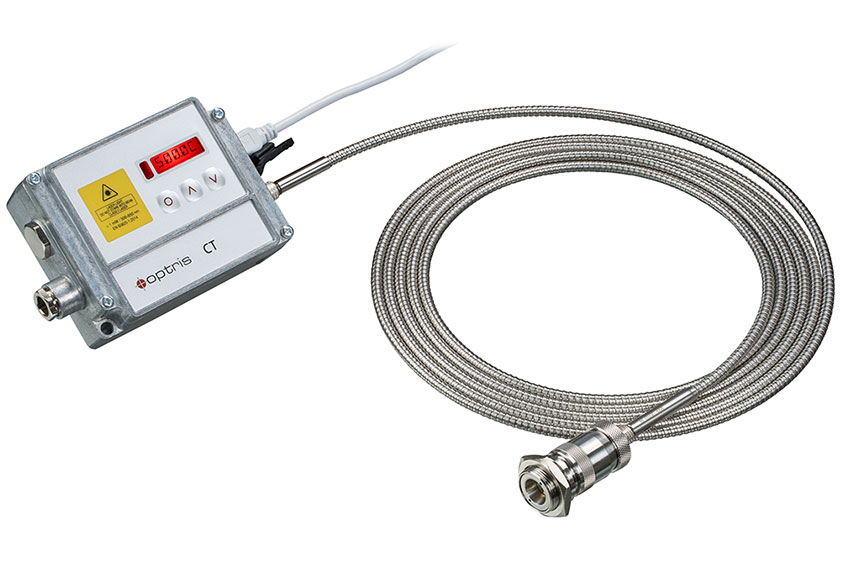
The Digital Pyrometer has revolutionized the way temperature measurements are made in modern industrial environments. Unlike conventional contact-based devices, a digital pyrometer provides highly accurate, real-time temperature readings without any physical contact, making it ideal for high-heat, hazardous, or hard-to-reach areas. This non-contact temperature sensing tool is widely used across various sectors, including metallurgy, manufacturing, and energy. It enables industries to enhance efficiency, minimize downtime, and reduce safety hazards during operations. Digital Pyrometer Explained A Digital Pyrometer is a non-contact temperature measurement instrument that uses infrared radiation emitted by an object to determine its temperature. Unlike traditional thermometers, it does not require physical contact, making it extremely useful in high-temperature or moving applications. It’s often referred to as an IR pyrometer due to its infrared detection technology. This device typically measures the thermal radiation spectrum and converts it into a readable temperature display. There are different types of pyrometer, including the total radiation pyrometer, which measures all emitted radiation, and narrow-band variants focused on specific wavelengths for higher accuracy in controlled settings. Components Of Digital Pyrometer Before delving into its real-world applications, it’s essential to understand the key components of a digital pyrometer: Optical System: Gathers the infrared radiation from the target object. Detector (Sensor): Converts IR radiation into an electrical signal. Signal Processor: Amplifies and digitizes the signal. Display Unit: Shows the calculated temperature. Emissivity Adjuster: Allows for calibration based on material surface characteristics. Targeting Tools: Such as laser pointers, aid in accurate alignment. These components collectively enable the digital pyrometer to perform precise, real-time measurements even in the most challenging industrial conditions. Applications Of Digital Pyrometer Digital Pyrometers are extensively used across industries where contact-based thermometers are inefficient or impractical. Let’s explore some of their key applications. Steel And Metal Processing Steel And Metal Processing In the metallurgical industry, maintaining consistent temperatures is vital for alloy composition and quality control. Digital pyrometers, especially radiation pyrometers, are employed to monitor the temperature of molten metal during casting and forging. Challenge: Molten metals are not only extremely hot but also in constant motion, making contact measurement impossible. Solution: The non-contact pyrometer provides instantaneous, safe temperature readings, ensuring accuracy and reducing the risk of human error. Even with contact-based temperature measurement. A potential risk to the safety and well-being of dedicated personnel persists. Infrared pyrometers measure from a distance with high accuracy and durability. Glass Manufacturing Glass Manufacturing Glass production involves precision heating and cooling at various stages. A slight temperature variation can lead to cracks or deformations. Challenge: High transparency and reflective surfaces make it difficult to measure temperature accurately. The main challenge is high-temperature exposure and radiant heat. Solution: Advanced IR pyrometers adjust for emissivity and can be fine-tuned to measure through glass or on its surface reliably, offering stable temperature monitoring for consistent quality. Food Processing Food Processing Temperature is a key variable in pasteurization, sterilization, and packaging. In such operations, hygiene and consistency are non-negotiable. Challenge: Contact-based sensors can contaminate products or give inaccurate readings on moving conveyor belts. Solution: Industrial pyrometers provide safe, hygienic, and accurate measurement without any physical touch. They ensure regulatory compliance and improve energy efficiency. Power Generation Plants Power Generation Plants In turbines, boilers, and reactors, real-time temperature monitoring is essential to ensure optimal efficiency and avoid damage. Challenge: Harsh environmental conditions and fluctuating emissivity make conventional thermometers ineffective. Solution: Digital pyrometers are designed to withstand high radiation, vibrations, and pressure. With emissivity settings and long-distance sensing, they ensure accurate monitoring, preventing costly breakdowns. Advantages of Digital Pyrometer Before choosing a temperature measurement system for your operation, it’s crucial to evaluate its performance, adaptability, and ROI. Here are the key advantages that make a Digital Pyrometer superior to traditional methods: Non-Contact Measurement One of the biggest advantages of a non-contact pyrometer is its ability to measure temperature without physical contact. This is essential in environments where the object is moving, extremely hot, or hazardous to reach. It ensures operator safety and reduces wear and tear on equipment. High Accuracy and Speed Digital pyrometers deliver instant temperature readings with minimal lag. Models such as Optris pyrometers are calibrated to handle complex industrial environments with high precision, making them ideal for real-time process control. Wide Temperature Range From sub-zero conditions to thousands of degrees Celsius, these pyrometers cover a broad spectrum. Specialized variants like the radiation pyrometer can handle extreme heat, making them suitable for steel, glass, and other high-temperature processes. Adjustable Emissivity Settings Unlike basic thermometers, digital pyrometers come with emissivity adjustments, allowing accurate readings across a variety of surfaces — from shiny metals to rough industrial materials. This adaptability enhances reliability across diverse types of pyrometer applications. Data Logging and Integration Modern digital pyrometers can store data, connect to PLC systems, and integrate into smart factory networks. These features support predictive maintenance, remote monitoring, and analytics-driven decision-making, elevating overall plant efficiency. Conclusion In today’s fast-paced industrial ecosystem, the digital pyrometer stands out as a vital tool for ensuring precision, safety, and efficiency. By leveraging infrared technology, it delivers reliable temperature data in conditions where traditional devices fall short. As industries continue to automate and evolve, non-contact temperature monitoring becomes indispensable. Companies like Manglam Electricals are driving this evolution with state-of-the-art digital pyrometers tailored to specific industrial needs. Their devices support multi-range emissivity, are easy to calibrate, and offer robust construction, making them a valuable asset in demanding applications from metal casting to food processing. Buy Pyrometers

Applications of Infrared IR Camera in Blast Furnaces
Using an Infrared IR Camera in blast furnaces has significantly improved the ability to monitor extreme heat and process conditions. These cameras are essential in detecting thermal anomalies, preventing failures, and optimizing efficiency in high-temperature environments like steel and metal production. Accurate and timely thermal data is crucial in industries dealing with intense heat. Integrating advanced infrared imaging technology ensures safer, more precise operations, minimizing downtime, and enhancing productivity in furnace-related processes. What is an Infrared (IR) Camera? An infrared IR camera is a non-contact temperature measurement device that captures thermal radiation emitted by objects. It translates this radiation into visual images, making it easier to assess heat distribution and detect abnormalities. Unlike conventional cameras, infrared cameras are sensitive to wavelengths beyond visible light. They are widely used in industries for predictive maintenance, quality control, and safety applications, offering a reliable method to visualize invisible heat signatures. Components of an Infrared IR Camera Modern infrared IR cameras are composed of several crucial components: Lens: The lens focuses infrared radiation onto the detector. It is specially made from materials like germanium that allow IR radiation to pass through. Infrared Detector: This sensor captures thermal radiation and converts it into electrical signals. Its sensitivity defines the camera’s resolution and thermal accuracy. Signal Processing Unit: Converts the electrical signals into a thermal image. It includes algorithms that enhance image clarity and accuracy. Display and Interface: Shows real-time thermal images and provides user interaction through touchscreens or external connections for monitoring systems. Applications of Infrared IR Camera in Blast Furnaces Infrared IR cameras play a pivotal role in maintaining safety and efficiency in blast furnace operations. Here’s how they’re applied: Furnace Shell Temperature Monitoring One of the biggest challenges in blast furnace management is monitoring the shell’s external temperature. Excessive heat on the shell can indicate refractory damage or cooling system failure. IR cameras detect these hotspots early. With real-time alerts, maintenance teams can take preventive action, reducing the risk of unplanned shutdowns or catastrophic damage. Tuyere Inspection The tuyere zone is subject to extreme thermal stress and is crucial in hot blast delivery. Operators can use an infrared IR camera to monitor temperature variations around the tuyeres. This helps detect hot spots, ensuring stable operations and extended lifespan. Tap Hole Monitoring: Tap holes are critical for the controlled release of molten iron. Monitoring their temperature is essential for operational safety. An infrared IR camera continuously tracks the temperature around tap holes, identifying potential overheating or refractory wear. This prevents accidents and improves tapping consistency. Molten Metal Temperature at Runner: Continuous monitoring of the molten metal at the runner, to improve the production and quality of the molten metal. By using IR camera, measure multiple point temperatures to eliminate the slag temperature also. Refractory Lining Evaluation Over time, the refractory lining inside a blast furnace wears out. Thermal cameras can detect early signs of wear by capturing uneven heat patterns. Scheduled inspections using infrared imaging allow timely maintenance, reducing the risk of expensive refractory failures. Conclusion Infrared IR cameras have transformed how blast furnace operations are monitored and maintained. Their ability to offer precise, real-time thermal data allows for proactive maintenance, ensuring safer working conditions and improved efficiency across the furnace lifecycle. Manglam Electricals provides high-performance IR cameras tailored for harsh industrial environments. With features like high thermal sensitivity, rugged design, and advanced imaging capabilities, their infrared cameras deliver unmatched performance in the demanding conditions of blast furnaces. Their commitment to innovation and reliability makes them a trusted partner in industrial automation.

Optical Encoder Explained: Applications and More
An optical encoder is a critical device used in various industries to monitor position, velocity, and direction precisely. Using light to detect motion, an optical encoder ensures accuracy in automation, robotics, and industrial operations. It outperforms many traditional motion detection systems due to its precision. Optical encoders have become essential in metal processing plants, robotics, and aerospace systems. They help maintain consistent performance, reduce errors, and provide real-time feedback, vital for high-precision environments. What is an Optical Encoder? An optical encoder is a sensing device that uses light to convert a shaft or axle’s angular position or motion to a digital code. It is a type of rotary encoder and is known for its high resolution and accuracy. This encoder works by shining light through a rotating disc (code wheel) that has transparent and opaque sections. As the disc rotates, the light beam is interrupted in patterns read by a photodetector to generate a digital signal. Optical encoders come in two main types: absolute encoders and incremental encoders. Absolute encoders provide a unique code for each position, while incremental encoders measure relative change. They are often more reliable than mechanical encoders in harsh environments. Components of Optical Encoder An optical encoder is built with several key components that work in unison to ensure accurate readings: Light Source: A stable light source, typically an LED, emits a consistent beam of light. This light is directed toward the code wheel and is essential for precise signal detection. Photodetector: This sensor receives the interrupted light from the code wheel. It detects light and dark bands and converts these into electrical signals interpreted as motion data. Code Wheel/Disc: The rotating disc is patterned with transparent and opaque segments. As it spins, it modulates the light beam, enabling the system to detect direction and speed. How Does an Optical Encoder Work? The operation of an optical encoder involves a series of coordinated steps: Emission of LightThe process begins with the light source emitting a beam towards the code wheel. Interruption by Code WheelAs the code wheel rotates, its alternating segments block or allow the light to pass through. Detection by PhotodetectorThe photodetector captures the modulated light pattern and translates it into electrical pulses. Signal ProcessingThese pulses are processed by circuitry to determine rotation count, direction, and speed. Data OutputThe processed data is sent to a controller or monitoring system for further use in automation or measurement applications. Applications Of Optical Encoder Optical encoders are used in many industrial and high-tech settings. Here are a few critical applications: Rolling Mills In rolling mills, precise control over metal thickness and alignment is essential. Optical encoders monitor the roll positions in real-time, ensuring accuracy. The challenge is exposure to dust and vibrations. Using sealed encoders and vibration-resistant mounting helps maintain performance and reliability. Metal Processing In metal fabrication and cutting processes, exact positioning of tools is vital. Optical encoders provide feedback to CNC machines for accurate operations. Thermal distortion and debris are common challenges. These are addressed using high-resolution encoders with protective enclosures. Blast Furnace Position tracking of lifting and tilting mechanisms in blast furnaces is critical. Optical encoders ensure synchronized movements. The high-temperature environment poses a risk. This is mitigated by placing encoders in thermally shielded housings. Robotics And Automation In robotics, optical encoders track joint angles and motor positions. They provide fast and accurate feedback for real-time motion control. Electromagnetic interference can be challenging, often resolved by shielded cables and differential signaling. Cranes Optical Encoders are mounted on the Rope-Drum side of the Crane for determining Hoist Position & Switching in free-fall conditions. Conclusion Optical encoders are indispensable in industries requiring precision motion tracking and control. Their ability to provide accurate and real-time data in harsh environments has positioned them as vital components in automation, aerospace, robotics, and manufacturing. Manglam Electricals is a trusted supplier of advanced encoders, offering a range of optical encoders tailored for diverse industrial needs. Their encoders combine reliability, high resolution, and durability, making them ideal for demanding applications. Manglam Electricals ensures quality and performance across various sectors.

IR Pyrometer in Defense Industry: Applications and More
An IR Pyrometer plays a pivotal role in the modern defense industry by allowing temperature measurements of equipment, components, and systems without physical contact. These devices offer accurate thermal data, even in the most hostile and inaccessible environments, making them vital for surveillance, maintenance, and combat readiness. With growing reliance on precise thermal monitoring, IR Pyrometers enhance decision-making and operational safety. Their presence across military platforms has become indispensable, from missile systems to aircraft engines and naval equipment. What is an IR Pyrometer? An IR Pyrometer, also known as a non-contact pyrometer, is a temperature measurement device that detects infrared radiation emitted by objects. It translates this data into temperature readings without touching the surface, which is crucial in high-risk environments where contact may not be feasible. Unlike a traditional pyrometer thermometer, IR Pyrometers excel in dynamic and hazardous scenarios, making them ideal for defence applications. Variants include total radiation pyrometer types and digital versions, each suited for specific temperature ranges and precision requirements. Applications of IR Pyrometer in Defence Sector The defence sector leverages IR Pyrometers for several high-stakes tasks. These devices ensure military systems’ performance, reliability, and longevity under extreme conditions. Aircraft Engine Monitoring Monitoring aircraft engine temperatures is critical for performance and safety. Fluctuating thermal zones in jet turbines can lead to mechanical failures. The challenge lies in capturing these high-speed temperature changes without interfering with engine operations. IR Pyrometers, especially industrial pyrometers, offer a solution by providing real-time, non-intrusive thermal data that enhances predictive maintenance. Tank and Armoured Vehicle Surveillance Tank engines, turrets, and exhaust systems generate significant heat. IR pyrometers help assess thermal distribution to prevent overheating. Using a non-contact pyrometer enables crews to monitor systems without manual checks, improving operational uptime. Radar and Electronic Systems Maintenance Sensitive electronic systems within radar installations can malfunction due to overheating. The challenge is detecting early signs before system failure. With the help of an IR Pyrometer, personnel can monitor subtle thermal deviations, ensuring efficient cooling and longer operational life of these high-value assets. Naval Shipboard Machinery Defence ships operate under variable sea conditions where machinery is subjected to intense thermal stress. Manual inspection is risky and inefficient. IR Pyrometers provide fast and accurate readings of propulsion systems and boilers, allowing early detection of anomalies. This avoids mission downtime and ensures crew safety. Conclusion Integrating IR Pyrometers into defence operations reflects their unmatched utility in extreme and mission-critical environments. Their ability to deliver real-time thermal data, monitor hard-to-reach systems, and prevent failures ensures they remain a frontline tool in military technology. Manglam Electricals provides high-quality IR Pyrometer solutions tailored to the unique demands of defence applications. Known for precision and durability, their range includes options from digital to total radiation pyrometer types. With their commitment to innovation, Manglam Electricals contributes significantly to enhancing thermal intelligence and readiness for defence operations.

Utilizing Camera with Infrared in Rolling Mills
A camera with infrared has become an essential tool in the modern rolling mill industry. By detecting heat signatures in real time, it ensures precision and safety during high-temperature metal processing. This technology improves quality control, faster operations, and reduces equipment wear. Rolling mills operate in high-heat environments where human inspection is limited. A camera with infrared technology bridges this gap, offering operators valuable thermal insight. As the demand for high-performance metals grows, so does the need for accurate and responsive monitoring systems. What is a Camera with Infrared? A camera with infrared, also known as an infrared camera or thermal imaging camera, is designed to detect infrared radiation emitted by objects. This radiation is then converted into a visible image, enabling the visualization of temperature differences. These cameras are crucial in monitoring heat-critical processes. Unlike standard visual cameras, these devices are equipped with infrared thermography sensors. They identify thermal anomalies and enable real-time feedback. Used across various industries, their role in heavy-duty sectors like rolling mills is indispensable. Camera With Infrared in Rolling Mills Infrared imaging systems in rolling mills transform how metals are processed and monitored. Here are several impactful applications: Temperature Monitoring During Hot Rolling In hot rolling processes, maintaining consistent metal temperature is critical. A camera with infrared provides non-contact monitoring, capturing surface temperatures accurately. The challenge arises when temperature fluctuations cause uneven rolling. Solution: Real-time thermal camera feedback enables immediate process adjustments, maintaining product integrity and energy efficiency. Detection of Mechanical Failures High-speed machinery in rolling mills can overheat or develop faults. IR cameras can detect overheating in components like bearings, rollers, or motors before failure occurs. The challenge is that visual inspection may miss early signs. Solution: A thermal imaging camera highlights hotspots early, preventing unexpected downtime. Quality Control of Rolled Products Surface defects often stem from temperature inconsistencies. An infrared camera helps identify these defects by mapping heat distribution across metal surfaces. Manual inspection usually overlooks internal defects. Solution: Infrared thermography camera systems provide a complete heat map, revealing imperfections invisible to the naked eye. Optimizing Cooling Stages Post-rolling, metals go through rapid cooling. Controlling this process ensures the desired microstructure. A thermal camera captures cooling rates in real-time. Challenge: Uneven cooling can compromise product strength. Solution: Thermal imagery ensures uniform cooling, helping operators fine-tune water spray or air-blast systems. Automation and Feedback Control In automated rolling systems, integrating these devices improve process intelligence. IR imaging system data feeds into control algorithms. Challenge: Manual temperature checks slow down automation. Solution: Seamless integration of infrared IR cameras enables automated decision-making and consistent throughput. Maintenance of Lubrication and Cooling Systems Improper lubrication leads to excessive heat buildup in moving parts. A thermal imaging camera spots rising temperatures caused by lubrication failures. Challenge: These issues are invisible until a breakdown. Solution: Infrared thermography camera inspection ensures timely corrective measures. Conclusion Integrating a camera with infrared in rolling mills has revolutionized temperature-sensitive operations. These systems enhance safety, improve product quality, reduce downtime, and support automation. Their ability to detect subtle heat changes enables engineers to intervene early, optimizing energy use and performance. Manglam Electricals offers a comprehensive range of high-precision IR camera solutions for heavy industrial environments like rolling mills. Their thermal imaging systems are built for durability, clarity, and precision, ensuring consistent monitoring and operational excellence. Partnering with Manglam Electricals ensures long-term thermal reliability.

What is A Magnetic Encoder? Learn Everything
A magnetic encoder is a robust and highly reliable position sensor to detect angular or linear displacement in rotating machinery. Using magnetic fields rather than optical systems, it functions in dirty, wet, or extreme industrial environments where optical encoders might fail. Magnetic encoders offer exceptional durability and performance in sectors like automotive, heavy machinery, and factory automation. They’re vital to precise motion tracking, especially in conditions involving dust, vibrations, and temperature fluctuations. What is a Magnetic Encoder? A magnetic encoder contains a few essential components that work together to deliver precise feedback: Pulse Wheel: This is the rotating component clamped to the shaft. It consists of alternating magnetic poles that generate a magnetic field as it spins. Scanning Head: Usually a Hall-effect or magneto-resistive sensor that detects the changes in the magnetic field caused by the rotor’s motion. It converts magnetic variations into electrical signals. Signal Processing Circuit: This circuit interprets the signals from the sensor and transforms them into usable outputs such as digital pulses or analog voltage. Output Interface: The interface transmits the processed signal to a controller or monitoring system. It can support various protocols, including incremental and absolute formats. Components of Magnetic Encoder The working of a magnetic encoder follows a structured process: Pulse Wheel Rotation: The attached magnetized pulse wheel spins when the shaft rotates, creating a changing magnetic field pattern. Magnetic Field Detection: The embedded sensor (such as a Hall sensor) in the Scanning Head detects the varying magnetic field as the pulse wheel moves. Signal Conversion: The sensor generates raw electrical signals based on the detected magnetic field changes. Signal Processing: The processing circuit refines and digitizes these raw signals to determine position, speed, and direction. Data Output: The final signal is sent through the output interface to an external system such as a PLC, motor controller, or encoder display. Applications of a Magnetic Encoder Rolling Mills In rolling mills, continuous motion monitoring is crucial to maintain output consistency. Magnetic encoders track the rotational speed of rollers, ensuring the correct pressure and alignment. The biggest challenge here is exposure to metal shavings and lubrication fluids. Magnetic encoders perform reliably under these conditions, ensuring operational efficiency. Metal Processing Equipment Processes like cutting, bending, and pressing require precise synchronization. Shaft encoders in metal processing systems use magnetic sensing to provide feedback on motor position and tool alignment. The rugged build of magnetic encoders withstands high vibration and impact, ensuring consistent performance. Blast Furnaces Rotational encoders in blast furnaces monitor critical equipment such as skip hoist and plugging Machine. These encoders must operate in extreme temperatures and dusty conditions. Magnetic encoders provide stable readings despite the harsh environment, improving safety and reducing downtime. Automated Robotics In factory automation, magnetic encoders help track robotic joint angles and movement. Due to their compact design and resistance to electrical noise, they are preferred in confined and electrically noisy spaces. Conveyor Systems Rotary encoders are vital in conveyors for speed monitoring and synchronization. Magnetic encoders provide accurate position data, improving logistics and material flow, even in dusty or wet areas. CNC Machinery CNC machines require high-precision shaft feedback for accurate cutting. Absolute encoders and incremental encoders with magnetic sensing are ideal due to their resistance to workshop contaminants and long-lasting reliability Conclusion Magnetic encoders are powerful motion-sensing devices designed for demanding industrial environments. Their resistance to contamination, mechanical wear, and electrical noise makes them superior to optical and mechanical encoder alternatives in many applications. Manglam Electricals offers high-performance magnetic encoders built to handle rugged operations. Whether it’s a rotary encoder for CNC machines or an incremental encoder for rolling mills, Manglam’s products provide superior accuracy, durability, and integration support, helping industries achieve higher efficiency and reliability.
Infrared Pyrometer Explained: Everything You Need to Know
An infrared pyrometer is essential for non-contact temperature measurement, especially in high-temperature industrial environments. Detecting the thermal radiation emitted by an object delivers accurate readings without direct contact, making it ideal for sensitive or hazardous surfaces. With industries advancing towards automation and precision, the demand for infrared pyrometers has significantly increased. Their relevance is particularly noticeable in metal processing, glass manufacturing, and defense sectors. What is an Infrared Pyrometer? An infrared pyrometer is a device that measures temperature based on the infrared radiation emitted by an object. Unlike contact-based thermometers, this instrument can gauge heat from a distance, making it safe and efficient for extreme conditions. These pyrometers are widely used when traditional thermometers might fail or become damaged due to high heat, moving parts, or inaccessible surfaces. They provide real-time data critical for process control. The functionality of an infrared pyrometer is based on the Stefan-Boltzmann law, which relates the temperature of an object to the intensity of its emitted radiation. This scientific principle ensures high accuracy across a variety of materials and applications. Components of Infrared Pyrometer An infrared pyrometer consists of several key components that enable its precise temperature measurement capabilities: Optical System: Captures the infrared radiation emitted by the target object. It uses lenses or mirrors to focus the radiation onto a detector. Receiver: Converts the collected radiation into an electrical signal. This is often a photodetector or thermopile that responds to infrared energy. Display/Recorder: Processes the signal and presents the temperature reading. It may also store the data for later analysis or transmit it to a control system. Operating Principle of an Infrared Pyrometer The working of an infrared pyrometer follows a series of steps based on fundamental thermodynamic principles: Detection of Infrared Radiation: The pyrometer detects radiation in the infrared spectrum emitted by the target object. Focusing by Optical System: Lenses or mirrors collect and focus this radiation onto the detector. Signal Conversion: The detector converts the focused radiation into an electrical signal proportional to the intensity of radiation. Signal Processing: This signal is amplified and filtered to eliminate noise and improve accuracy. Temperature Calculation: Using calibration and emission coefficient settings, the pyrometer calculates the corresponding temperature. Display or Reflection of Final Temperature to Operator: Ultimately the calculated final temperature is displayed & its corresponding Analogue or Digital Outputs are transmitted. Applications of an Infrared Pyrometer Infrared pyrometers are indispensable in several industrial domains due to their robustness and reliability: Glass Manufacturing Monitoring the surface and internal temperatures of glass is crucial to ensure quality. The challenge is high-temperature exposure and radiant heat. Solution: Infrared pyrometers offer non-contact monitoring, while maintaining accuracy. Plastic Industries Plastic processing involves temperature-sensitive operations like extrusion and moulding. The challenge is rapid heating and cooling. Solution: Pyrometers provide real-time data that help maintain the optimal temperature range. Rolling Mills In metal rolling mills, metal sheets or slabs are processed at extremely high temperatures. The issue is moving parts and radiant heat. Solution: Pyrometers allow accurate temperature checks without halting production or risking worker safety. Steel Manufacturing Steelmaking involves molten materials that can’t be measured with contact devices. The challenge is avoiding contact with corrosive or molten surfaces, even with contact-based temperature measurement. A potential risk to the safety and well-being of dedicated personnel persists. Solution: Infrared pyrometers measure from a distance with high accuracy and durability. Safety & Critical Asset Monitoring With industries like Steel Plant or Bulk Material Handling, the threat of fire outbreaks—especially along conveyor belts or in storage zones—is a persistent concern. Solution: Using 24X7 thermal monitoring systems like pyrometers can be a useful solution to counter such threats. In Switch Yards, heavy KVA transformers and its associated bushings & current collectors & for Metal or Glass Industries various furnaces are considered as critical assets. These assets are prone to abnormal heat buildup, which can lead to structural fatigue, rupture or cracks in their outer shells, making them unsuitable for further use. Solution: A dedicated Pyrometer can be deployed for 24 X 7 monitoring of Critical asset’s outer shell monitoring. They might be programmed to trigger alarm whenever an abnormal temperature rise is happening. This proactive approach not only enhances safety but also protects assets worth crores, ensuring uninterrupted operations and peace of mind of the concerned firms. Pharma Industry Maintaining a sterile and precisely controlled environment is vital. Challenges include ensuring uniformity in batch processes. Solution: Infrared pyrometers provide consistent temperature monitoring in non-contact modes, which is ideal for pharmaceutical applications. Defence and Electronics In defence, heat management in missiles and other equipment is vital. In electronics, thermal stress monitoring is key. Solution: Industrial pyrometers ensure thermal consistency and prevent overheating in critical systems. Conclusion Infrared pyrometers are vital in modern industry due to their ability to provide non-contact, accurate, and rapid temperature readings in harsh environments. Whether in glass manufacturing or defence applications, they deliver unmatched performance and safety. Manglam Electricals offers a premium range of pyrometer thermometer systems, including radiation and digital variants. Their infrared pyrometers are tailored for industrial use, combining precision, durability, and ease of integration to meet the demands of today’s automated systems.