
Category: Infrared pyrometer

Radiation Pyrometer Working Principle Explained
Radiation pyrometers play a crucial role in modern temperature measurement systems. These devices are essential for measuring high temperatures where contact methods fail. A radiation pyrometer measures temperature based on the thermal radiation emitted by an object. It enables precise monitoring without physical contact, making it ideal for industrial environments such as furnaces, kilns, and reactors. In industries where extreme heat is present, traditional thermometers become unreliable. That’s where radiation pyrometers come in. These tools offer fast, accurate, and safe readings in harsh conditions. Understanding how they work helps engineers and technicians select the most suitable model for their specific application. Radiation Pyrometer Explained Radiation pyrometers measure the electromagnetic radiation emitted from an object to calculate its temperature. They are effective for temperatures beyond 700°C, where contact sensors are impractical or unsafe. The device does not touch the object being measured. It collects emitted radiation and processes it electronically. This contactless feature makes radiation pyrometers highly suitable for continuous monitoring in industries. Components of Radiation Pyrometer Before diving into the working principle, it is essential to understand the main components of a radiation pyrometer. Each part plays a vital role in ensuring accurate temperature readings. Optical System This part gathers the thermal radiation emitted from the object. It focuses the radiation onto the detector using lenses or mirrors. It ensures only radiation from the targeted area is measured. Detector The detector senses the focused thermal radiation. It converts the radiation into an electrical signal. The type of detector used depends on the required wavelength range and sensitivity. Signal Processor This unit processes the signal from the detector. It amplifies, filters, and calibrates the signal to produce a usable output. Signal processing enhances accuracy and reduces noise. Display The processed signal is shown on the display as a temperature value. It allows the user to read or record the data easily. Many models also support digital output for automation. Working Principle of a Radiation Pyrometer Understanding the radiation pyrometer working principle reveals how it achieves such precise measurements. The process occurs in four major steps. Step 1: Radiation Emission All objects above absolute zero emit thermal radiation. The higher the temperature, the more radiation they emit. This radiation falls within the infrared spectrum. A pyrometer thermometer targets this radiation to determine temperature. The type of radiation depends on the material’s emissivity. Emissivity is the ability of an object to emit infrared energy. A perfect blackbody has an emissivity of 1, while reflective materials have lower values. The total radiation pyrometer measures radiation across a broad spectrum. This helps it calculate temperature based on Stefan-Boltzmann’s law. This law states that total radiant energy is proportional to the fourth power of absolute temperature. Step 2: Collection & Focusing The optical system gathers the emitted radiation. Lenses or mirrors direct the radiation onto a detector. The focus must be sharp to ensure accuracy. The optical pyrometer uses a visible light range for lower temperatures. However, infrared pyrometers or IR pyrometers capture radiation in the infrared range. This makes them ideal for high-temperature or moving objects. Modern models like the Optris pyrometer offer adjustable optics. They allow users to target small areas from a distance. The precision of the optical system determines how well the pyrometer captures radiation from the intended source. Step 3: Detection & Conversion Once the radiation reaches the detector, it is converted into an electrical signal. Common detectors include thermopiles, InGaAs, or Si. Each type responds to a specific radiation range. For example, an infrared IR pyrometer uses an IR-sensitive detector. The detector generates a voltage in response to thermal radiation intensity. The generated voltage correlates directly with the temperature of the object. This conversion must be fast and accurate. It ensures that sudden temperature changes are captured immediately. This is especially important in industries like metal processing and glass manufacturing. Step 4: Signal Processing & Display The electrical signal now undergoes signal processing. The signal processor filters out unwanted noise. It applies calibration algorithms to ensure the output is reliable. Advanced models include digital signal processors. They enhance response time, reduce errors, and support connectivity. The processed signal is then shown on a screen or exported for data logging. The final temperature reading appears on the display in real time. The user can adjust settings like emissivity and distance to improve accuracy. Features like alarms and programmable limits make modern pyrometer thermometers user-friendly and efficient. Factors Affecting Accuracy of Radiation Pyrometer Even the best radiation pyrometer can give incorrect readings if certain factors are not considered. Here are three key influencers: Emissivity Different materials emit radiation differently. Low-emissivity surfaces reflect more and emit less radiation. Incorrect emissivity settings can lead to inaccurate temperature readings. Always adjust your device based on the target material. Distance to Target The farther the pyrometer is from the object, the more it collects background radiation. Ensure the distance-to-spot ratio matches the application. A higher ratio allows accurate targeting from farther distances. Environmental Conditions Smoke, dust, and steam can interfere with infrared radiation. Ensure a clear line of sight between the pyrometer and the target. In harsh environments, use protective windows and regular maintenance to maintain accuracy. Summary Radiation pyrometers provide an essential solution for non-contact temperature measurement. They are reliable, accurate, and suitable for extreme environments. The radiation pyrometer working principle involves collecting infrared radiation, converting it to a signal, and displaying the result. Devices like the infrared pyrometer, IR pyrometer, and Optris pyrometer have advanced this technology further. Selecting the right pyrometer involves understanding factors like emissivity, optics, and signal processing. With proper calibration and setup, they offer unmatched performance in temperature-critical operations. Why Choose Manglam Electricals? At Manglam Electricals, we specialize in supplying high-quality radiation pyrometers for every industrial need. Whether you’re looking for a total radiation pyrometer, optical pyrometer, or advanced infrared IR pyrometer, we have the right solution. Our product range includes reliable models from trusted brands like Optris Pyrometer. We ensure that each pyrometer thermometer we offer meets the highest

Types of Pyrometer Explained
Understanding the different types of pyrometer is crucial for industries that rely on accurate high-temperature measurements. Pyrometers are non-contact devices used to measure temperatures in harsh, hot, or hazardous environments. They are widely applied in sectors like steel, glass, ceramics, and power generation, where traditional thermometers are either unsafe or ineffective. This article explores the main types of pyrometer, their working principles, and their ideal applications. In many manufacturing and industrial settings, precise temperature monitoring can significantly improve efficiency and product quality. Since different processes demand different temperature ranges and environmental handling, selecting the right type of pyrometer is essential. In the following sections, we’ll break down what a pyrometer is and explore three key categories of pyrometers, each suited to specific industrial needs. What’s a Pyrometer? A pyrometer is an instrument that measures the temperature of a surface or material without coming into physical contact with it. This is achieved by detecting and analyzing the thermal radiation emitted by the object. Pyrometers are often used in places where direct measurement is impossible due to high temperatures, movement, or risk to operators. These devices are fast, accurate, and reliable. A standard pyrometer thermometer consists of several components. These include an optical system to collect radiation, a detector to convert that radiation into electrical signals, and a processor to interpret the signals into temperature values. The temperature is then displayed either on an analog or digital screen. Some advanced models also include laser sights for aiming and data logging features. The types of pyrometer available vary depending on how they capture and process radiation. Some rely on visible light comparison, others on total infrared emission, and some compare emissions at multiple wavelengths. Each type has distinct advantages depending on the application and environment. In the sections below, we will look into Radiation, Optical, and Ratio Pyrometers in more detail. Types of Pyrometer Radiation Pyrometer The radiation pyrometer measures temperature by detecting the total thermal radiation emitted from a surface. Based on Planck’s Law, it converts this radiation into electrical signals, which are processed into temperature readings. These pyrometers are suitable for objects that are too hot, moving, or located in dangerous areas. Radiation pyrometers are common in steel plants, glass furnaces, and chemical processing units. Since they detect radiation without contact, they serve as effective non-contact thermometer solutions. The measurements are fast and can handle temperatures above 3000°C with high accuracy. However, proper calibration and adjustments for emissivity are necessary to ensure precision. Optical Pyrometer The optical pyrometer works by visually comparing the brightness of a filament with the brightness of a heated object. This technique follows Wien’s Displacement Law, which relates the wavelength of emitted radiation to temperature. It’s typically used for objects emitting visible light, such as molten metal or heated glass. Optical pyrometers are particularly effective in foundries, forging facilities, and power plants. These instruments allow users to observe the target through a viewfinder while adjusting the filament until it visually disappears. Because it measures brightness, it doesn’t require contact and is thus another form of infrared pyrometer. Optical pyrometers are known for their reliability in extremely high-temperature applications. Ratio Pyrometer The ratio pyrometer, also known as a two-color pyrometer, determines temperature by comparing radiation intensity at two separate wavelengths. It operates on the pyrometric ratio principle, allowing accurate readings even if the target is partially blocked or obscured. This feature makes ratio pyrometers ideal for difficult industrial environments. Ratio pyrometers are commonly used in kilns, metal casting, and rolling mills, where smoke, dust, or scaling can interfere with single-wavelength devices. Their ability to compensate for emissivity variation and environmental obstructions makes them one of the most advanced types of pyrometer. Many modern models also come with digital outputs and connectivity options for industrial automation. Summary Selecting the right type of pyrometer is essential for maintaining product quality and operational safety in high-temperature industrial environments. Whether you’re measuring the heat of molten steel, glass, or a moving component, there is a suitable pyrometer for every application. Radiation pyrometers are ideal for general use, optical pyrometers excel in visual temperature monitoring, and ratio pyrometers provide accuracy in challenging environments. Manglam Electricals offers a wide range of high-performance industrial pyrometer solutions tailored for precision, reliability, and durability. Their advanced infrared pyrometer models and IR pyrometer systems deliver exceptional results in diverse industries. Whether you need an infrared IR pyrometer for non-contact applications or a versatile pyrometer thermometer for critical processes, Manglam Electricals provides dependable instruments that meet global standards.

Pyrometer Thermometer Applications in Electronics
The rise of compact and high-performance electronic systems demands robust temperature monitoring. A pyrometer thermometer enables accurate, non-contact temperature measurement across various electronic components and assemblies. It is critical to optimize thermal management strategies and ensure long-term device reliability. From PCB fabrication to microprocessor testing, pyrometer thermometers deliver precise infrared-based readings. These instruments are essential in environments where conventional sensors can’t operate or interfere with sensitive electronics. What is a Pyrometer Thermometer? A pyrometer thermometer is a type of infrared sensor that determines the surface temperature of an object without making physical contact with the object. It detects emitted infrared radiation from the target surface, processes it, and converts it into a temperature range. This makes it highly useful in high-speed manufacturing or fragile electronics testing environments. Unlike contact sensors like thermocouples, a pyrometer allows real-time monitoring of fast-moving components and high-temperature regions without contamination or interference. Among the types of pyrometer available, infrared, optical, and two-color pyrometers are commonly used in electronics. Applications of Pyrometer Thermometer in Electronics The electronics sector increasingly depends on thermal validation and diagnostics. Here’s how pyrometer thermometers fit into various electronic applications: Component Inspection Even a slight deviation in thermal performance can indicate a failing component in electronics. Engineers scan components like resistors, ICs, and MOSFETs during or after operation using a non-contact pyrometer. Elevated temperatures or unexpected hot zones signal short circuits, poor solder joints, or early-stage failures. This predictive capability prevents larger system breakdowns and supports stringent quality assurance. PCB Manufacturing During solder reflow or wave soldering processes, consistent thermal distribution is essential. An industrial pyrometer, particularly a compact IR pyrometer, monitors surface temperatures of PCBs in real-time. This ensures solder joints are neither overheated nor inadequately fused. Optris pyrometers are widely used due to their small sensor heads and high response rates. The result: improved soldering consistency and reduced rework rates. Electronics Design Validation Thermal management is critical during the prototyping and design phase. A pyrometer thermometer helps validate simulation models by comparing predicted versus actual surface temperatures. Engineers often use this data to fine-tune heat sinks, airflow paths, and layout strategies. It also ensures that thermal design margins are met before mass production begins. This saves cost, improves reliability, and reduces time-to-market. Identifying Critical Thermal Hotspots in PCB Over time, circuit boards can develop thermal stress zones due to poor layout, dense component placement, or high current flow. A total radiation pyrometer maps out these hotspots without disturbing the circuit. Engineers use this data to redesign thermal zones, adjust track widths, or relocate heat-generating components. This targeted insight ensures long-term operational safety. Microthermography Research on MEMS and Microprocessors MEMS sensors and advanced microprocessors require high-resolution temperature measurement. Researchers utilize a two-color pyrometer with micro-optics to capture localized temperature readings on microscopic areas. These pyrometers are immune to emissivity variations, making them ideal for materials with complex surfaces or reflective coatings. This research guides better semiconductor design and packaging methods. PCB Fault Detection Some PCB faults, shorted traces, cracked vias, or delaminations, exhibit unique thermal profiles. During testing, a pyrometer thermometer helps detect these anomalies by spotting abnormal heat zones. Unlike traditional visual inspection, IR-based fault detection is faster, safer, and can be automated. It enhances inspection efficiency and enables quicker root-cause analysis. Soldering During manual or selective soldering, it’s vital to maintain precise temperatures. An IR pyrometer allows operators to monitor solder tip and surface temperatures. This ensures optimal solder flow without damaging sensitive components or lifting pads. For lead-free soldering, where higher temperatures are required, such monitoring becomes even more essential to prevent overheating. What Are the Types of Pyrometer? Electronic environments require different types of pyrometers based on the target material, emissivity, and conditions. Below are the three most relevant types: Optical Pyrometer An optical pyrometer measures temperature based on visible light intensity. It compares the brightness of a heated target to a calibrated filament inside the device. This method works well at very high temperatures and with visibly glowing objects. However, it is not ideal for low-temperature electronics or components that do not emit visible light. It also requires manual alignment and is less common in compact electronics. Radiation Pyrometer (Infrared Pyrometer) A radiation pyrometer or total radiation pyrometer measures the infrared radiation emitted by an object across a broad spectral range. It assumes a known emissivity for accurate readings. These are widely used in electronic manufacturing where materials like PCBs, copper pads, or solder joints have consistent thermal emissivity. It delivers fast, repeatable readings and is well-suited for automation. Two-Color Pyrometer (Ratio Pyrometer) A two-color pyrometer—also known as a ratio pyrometer—compares radiation at two wavelengths. This ratio-based measurement eliminates dependency on absolute emissivity values and compensates for optical obstructions like dust or smoke. This makes it ideal for complex surfaces, miniature components, or reflective finishes in MEMS, semiconductor wafers, and high-end microprocessors. It offers higher accuracy in environments where standard pyrometers would struggle. Conclusion The pyrometer thermometer has become an essential electronic tool, offering unmatched precision, speed, and non-contact reliability. It supports process optimization, from micro-scale component testing to full-scale PCB manufacturing. As electronic systems continue to shrink and increase in power density, thermal monitoring will only become more critical. Manglam Electricals offers advanced pyrometer thermometer solutions tailored explicitly for the electronics industry. Their range includes compact industrial pyrometer systems, IR pyrometers with digital interfaces, and high-resolution thermal measurement tools. With their reliable instruments, manufacturers can improve quality assurance, reduce thermal failures, and maintain compliance with industry standards. For electronics firms looking to boost thermal diagnostics, Manglam’s expertise makes a measurable difference.
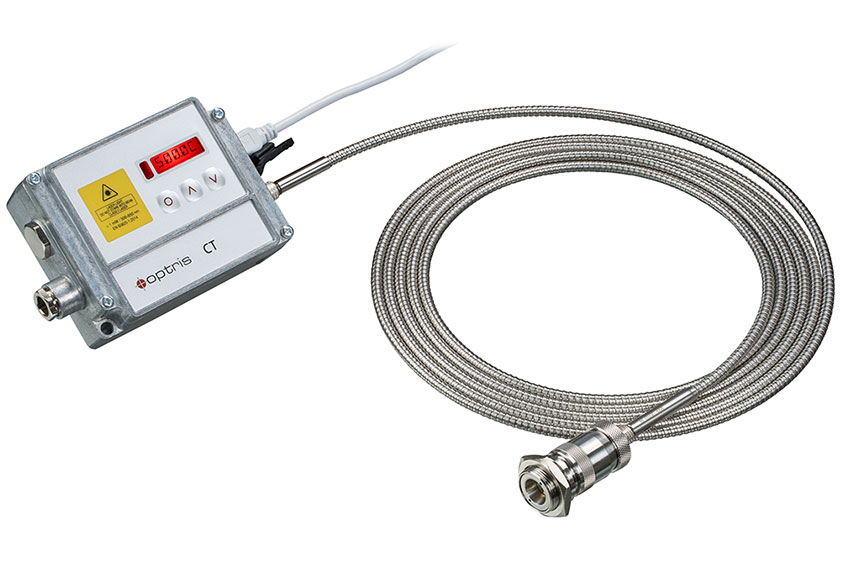
Digital Pyrometer Explained: Applications & Advantages
The Digital Pyrometer has revolutionized the way temperature measurements are made in modern industrial environments. Unlike conventional contact-based devices, a digital pyrometer provides highly accurate, real-time temperature readings without any physical contact, making it ideal for high-heat, hazardous, or hard-to-reach areas. This non-contact temperature sensing tool is widely used across various sectors, including metallurgy, manufacturing, and energy. It enables industries to enhance efficiency, minimize downtime, and reduce safety hazards during operations. Digital Pyrometer Explained A Digital Pyrometer is a non-contact temperature measurement instrument that uses infrared radiation emitted by an object to determine its temperature. Unlike traditional thermometers, it does not require physical contact, making it extremely useful in high-temperature or moving applications. It’s often referred to as an IR pyrometer due to its infrared detection technology. This device typically measures the thermal radiation spectrum and converts it into a readable temperature display. There are different types of pyrometer, including the total radiation pyrometer, which measures all emitted radiation, and narrow-band variants focused on specific wavelengths for higher accuracy in controlled settings. Components Of Digital Pyrometer Before delving into its real-world applications, it’s essential to understand the key components of a digital pyrometer: Optical System: Gathers the infrared radiation from the target object. Detector (Sensor): Converts IR radiation into an electrical signal. Signal Processor: Amplifies and digitizes the signal. Display Unit: Shows the calculated temperature. Emissivity Adjuster: Allows for calibration based on material surface characteristics. Targeting Tools: Such as laser pointers, aid in accurate alignment. These components collectively enable the digital pyrometer to perform precise, real-time measurements even in the most challenging industrial conditions. Applications Of Digital Pyrometer Digital Pyrometers are extensively used across industries where contact-based thermometers are inefficient or impractical. Let’s explore some of their key applications. Steel And Metal Processing Steel And Metal Processing In the metallurgical industry, maintaining consistent temperatures is vital for alloy composition and quality control. Digital pyrometers, especially radiation pyrometers, are employed to monitor the temperature of molten metal during casting and forging. Challenge: Molten metals are not only extremely hot but also in constant motion, making contact measurement impossible. Solution: The non-contact pyrometer provides instantaneous, safe temperature readings, ensuring accuracy and reducing the risk of human error. Even with contact-based temperature measurement. A potential risk to the safety and well-being of dedicated personnel persists. Infrared pyrometers measure from a distance with high accuracy and durability. Glass Manufacturing Glass Manufacturing Glass production involves precision heating and cooling at various stages. A slight temperature variation can lead to cracks or deformations. Challenge: High transparency and reflective surfaces make it difficult to measure temperature accurately. The main challenge is high-temperature exposure and radiant heat. Solution: Advanced IR pyrometers adjust for emissivity and can be fine-tuned to measure through glass or on its surface reliably, offering stable temperature monitoring for consistent quality. Food Processing Food Processing Temperature is a key variable in pasteurization, sterilization, and packaging. In such operations, hygiene and consistency are non-negotiable. Challenge: Contact-based sensors can contaminate products or give inaccurate readings on moving conveyor belts. Solution: Industrial pyrometers provide safe, hygienic, and accurate measurement without any physical touch. They ensure regulatory compliance and improve energy efficiency. Power Generation Plants Power Generation Plants In turbines, boilers, and reactors, real-time temperature monitoring is essential to ensure optimal efficiency and avoid damage. Challenge: Harsh environmental conditions and fluctuating emissivity make conventional thermometers ineffective. Solution: Digital pyrometers are designed to withstand high radiation, vibrations, and pressure. With emissivity settings and long-distance sensing, they ensure accurate monitoring, preventing costly breakdowns. Advantages of Digital Pyrometer Before choosing a temperature measurement system for your operation, it’s crucial to evaluate its performance, adaptability, and ROI. Here are the key advantages that make a Digital Pyrometer superior to traditional methods: Non-Contact Measurement One of the biggest advantages of a non-contact pyrometer is its ability to measure temperature without physical contact. This is essential in environments where the object is moving, extremely hot, or hazardous to reach. It ensures operator safety and reduces wear and tear on equipment. High Accuracy and Speed Digital pyrometers deliver instant temperature readings with minimal lag. Models such as Optris pyrometers are calibrated to handle complex industrial environments with high precision, making them ideal for real-time process control. Wide Temperature Range From sub-zero conditions to thousands of degrees Celsius, these pyrometers cover a broad spectrum. Specialized variants like the radiation pyrometer can handle extreme heat, making them suitable for steel, glass, and other high-temperature processes. Adjustable Emissivity Settings Unlike basic thermometers, digital pyrometers come with emissivity adjustments, allowing accurate readings across a variety of surfaces — from shiny metals to rough industrial materials. This adaptability enhances reliability across diverse types of pyrometer applications. Data Logging and Integration Modern digital pyrometers can store data, connect to PLC systems, and integrate into smart factory networks. These features support predictive maintenance, remote monitoring, and analytics-driven decision-making, elevating overall plant efficiency. Conclusion In today’s fast-paced industrial ecosystem, the digital pyrometer stands out as a vital tool for ensuring precision, safety, and efficiency. By leveraging infrared technology, it delivers reliable temperature data in conditions where traditional devices fall short. As industries continue to automate and evolve, non-contact temperature monitoring becomes indispensable. Companies like Manglam Electricals are driving this evolution with state-of-the-art digital pyrometers tailored to specific industrial needs. Their devices support multi-range emissivity, are easy to calibrate, and offer robust construction, making them a valuable asset in demanding applications from metal casting to food processing. Buy Pyrometers

IR Pyrometer in Defense Industry: Applications and More
An IR Pyrometer plays a pivotal role in the modern defense industry by allowing temperature measurements of equipment, components, and systems without physical contact. These devices offer accurate thermal data, even in the most hostile and inaccessible environments, making them vital for surveillance, maintenance, and combat readiness. With growing reliance on precise thermal monitoring, IR Pyrometers enhance decision-making and operational safety. Their presence across military platforms has become indispensable, from missile systems to aircraft engines and naval equipment. What is an IR Pyrometer? An IR Pyrometer, also known as a non-contact pyrometer, is a temperature measurement device that detects infrared radiation emitted by objects. It translates this data into temperature readings without touching the surface, which is crucial in high-risk environments where contact may not be feasible. Unlike a traditional pyrometer thermometer, IR Pyrometers excel in dynamic and hazardous scenarios, making them ideal for defence applications. Variants include total radiation pyrometer types and digital versions, each suited for specific temperature ranges and precision requirements. Applications of IR Pyrometer in Defence Sector The defence sector leverages IR Pyrometers for several high-stakes tasks. These devices ensure military systems’ performance, reliability, and longevity under extreme conditions. Aircraft Engine Monitoring Monitoring aircraft engine temperatures is critical for performance and safety. Fluctuating thermal zones in jet turbines can lead to mechanical failures. The challenge lies in capturing these high-speed temperature changes without interfering with engine operations. IR Pyrometers, especially industrial pyrometers, offer a solution by providing real-time, non-intrusive thermal data that enhances predictive maintenance. Tank and Armoured Vehicle Surveillance Tank engines, turrets, and exhaust systems generate significant heat. IR pyrometers help assess thermal distribution to prevent overheating. Using a non-contact pyrometer enables crews to monitor systems without manual checks, improving operational uptime. Radar and Electronic Systems Maintenance Sensitive electronic systems within radar installations can malfunction due to overheating. The challenge is detecting early signs before system failure. With the help of an IR Pyrometer, personnel can monitor subtle thermal deviations, ensuring efficient cooling and longer operational life of these high-value assets. Naval Shipboard Machinery Defence ships operate under variable sea conditions where machinery is subjected to intense thermal stress. Manual inspection is risky and inefficient. IR Pyrometers provide fast and accurate readings of propulsion systems and boilers, allowing early detection of anomalies. This avoids mission downtime and ensures crew safety. Conclusion Integrating IR Pyrometers into defence operations reflects their unmatched utility in extreme and mission-critical environments. Their ability to deliver real-time thermal data, monitor hard-to-reach systems, and prevent failures ensures they remain a frontline tool in military technology. Manglam Electricals provides high-quality IR Pyrometer solutions tailored to the unique demands of defence applications. Known for precision and durability, their range includes options from digital to total radiation pyrometer types. With their commitment to innovation, Manglam Electricals contributes significantly to enhancing thermal intelligence and readiness for defence operations.
Infrared Pyrometer Explained: Everything You Need to Know
An infrared pyrometer is essential for non-contact temperature measurement, especially in high-temperature industrial environments. Detecting the thermal radiation emitted by an object delivers accurate readings without direct contact, making it ideal for sensitive or hazardous surfaces. With industries advancing towards automation and precision, the demand for infrared pyrometers has significantly increased. Their relevance is particularly noticeable in metal processing, glass manufacturing, and defense sectors. What is an Infrared Pyrometer? An infrared pyrometer is a device that measures temperature based on the infrared radiation emitted by an object. Unlike contact-based thermometers, this instrument can gauge heat from a distance, making it safe and efficient for extreme conditions. These pyrometers are widely used when traditional thermometers might fail or become damaged due to high heat, moving parts, or inaccessible surfaces. They provide real-time data critical for process control. The functionality of an infrared pyrometer is based on the Stefan-Boltzmann law, which relates the temperature of an object to the intensity of its emitted radiation. This scientific principle ensures high accuracy across a variety of materials and applications. Components of Infrared Pyrometer An infrared pyrometer consists of several key components that enable its precise temperature measurement capabilities: Optical System: Captures the infrared radiation emitted by the target object. It uses lenses or mirrors to focus the radiation onto a detector. Receiver: Converts the collected radiation into an electrical signal. This is often a photodetector or thermopile that responds to infrared energy. Display/Recorder: Processes the signal and presents the temperature reading. It may also store the data for later analysis or transmit it to a control system. Operating Principle of an Infrared Pyrometer The working of an infrared pyrometer follows a series of steps based on fundamental thermodynamic principles: Detection of Infrared Radiation: The pyrometer detects radiation in the infrared spectrum emitted by the target object. Focusing by Optical System: Lenses or mirrors collect and focus this radiation onto the detector. Signal Conversion: The detector converts the focused radiation into an electrical signal proportional to the intensity of radiation. Signal Processing: This signal is amplified and filtered to eliminate noise and improve accuracy. Temperature Calculation: Using calibration and emission coefficient settings, the pyrometer calculates the corresponding temperature. Display or Reflection of Final Temperature to Operator: Ultimately the calculated final temperature is displayed & its corresponding Analogue or Digital Outputs are transmitted. Applications of an Infrared Pyrometer Infrared pyrometers are indispensable in several industrial domains due to their robustness and reliability: Glass Manufacturing Monitoring the surface and internal temperatures of glass is crucial to ensure quality. The challenge is high-temperature exposure and radiant heat. Solution: Infrared pyrometers offer non-contact monitoring, while maintaining accuracy. Plastic Industries Plastic processing involves temperature-sensitive operations like extrusion and moulding. The challenge is rapid heating and cooling. Solution: Pyrometers provide real-time data that help maintain the optimal temperature range. Rolling Mills In metal rolling mills, metal sheets or slabs are processed at extremely high temperatures. The issue is moving parts and radiant heat. Solution: Pyrometers allow accurate temperature checks without halting production or risking worker safety. Steel Manufacturing Steelmaking involves molten materials that can’t be measured with contact devices. The challenge is avoiding contact with corrosive or molten surfaces, even with contact-based temperature measurement. A potential risk to the safety and well-being of dedicated personnel persists. Solution: Infrared pyrometers measure from a distance with high accuracy and durability. Safety & Critical Asset Monitoring With industries like Steel Plant or Bulk Material Handling, the threat of fire outbreaks—especially along conveyor belts or in storage zones—is a persistent concern. Solution: Using 24X7 thermal monitoring systems like pyrometers can be a useful solution to counter such threats. In Switch Yards, heavy KVA transformers and its associated bushings & current collectors & for Metal or Glass Industries various furnaces are considered as critical assets. These assets are prone to abnormal heat buildup, which can lead to structural fatigue, rupture or cracks in their outer shells, making them unsuitable for further use. Solution: A dedicated Pyrometer can be deployed for 24 X 7 monitoring of Critical asset’s outer shell monitoring. They might be programmed to trigger alarm whenever an abnormal temperature rise is happening. This proactive approach not only enhances safety but also protects assets worth crores, ensuring uninterrupted operations and peace of mind of the concerned firms. Pharma Industry Maintaining a sterile and precisely controlled environment is vital. Challenges include ensuring uniformity in batch processes. Solution: Infrared pyrometers provide consistent temperature monitoring in non-contact modes, which is ideal for pharmaceutical applications. Defence and Electronics In defence, heat management in missiles and other equipment is vital. In electronics, thermal stress monitoring is key. Solution: Industrial pyrometers ensure thermal consistency and prevent overheating in critical systems. Conclusion Infrared pyrometers are vital in modern industry due to their ability to provide non-contact, accurate, and rapid temperature readings in harsh environments. Whether in glass manufacturing or defence applications, they deliver unmatched performance and safety. Manglam Electricals offers a premium range of pyrometer thermometer systems, including radiation and digital variants. Their infrared pyrometers are tailored for industrial use, combining precision, durability, and ease of integration to meet the demands of today’s automated systems.

Pyrometer Thermometer in Glass Manufacturing: Applications and More
Accurate temperature measurement is a non-negotiable factor in glass production. A pyrometer thermometer is crucial in this context, offering precise thermal readings without physical contact. It ensures product consistency, enhances energy efficiency, and improves quality control across the manufacturing process. The glass industry requires tools to withstand high temperatures and deliver real-time data. A pyrometer thermometer fits these criteria perfectly, helping manufacturers monitor critical zones, detect flaws early, and reduce thermal stress on equipment. What is A Pyrometer Thermometer? A pyrometer thermometer is a non-contact temperature measuring device to evaluate the heat radiating from an object’s surface. Unlike conventional thermometers, it can assess extremely high temperatures from a safe distance, making it ideal for environments like glass furnaces and kilns. It belongs to the larger family of pyrometers, including the total radiation pyrometer, IR pyrometer, and optical pyrometer. Each type uses different mechanisms — typically based on radiation or brightness — but all serve to measure thermal energy efficiently. Applications of Pyrometer Thermometer in Glass Manufacturing The pyrometer thermometer is indispensable at every stage of glass production. From melting raw materials to final quality inspection, it ensures every thermal zone is within optimal limits. Furnace Monitoring and Control Glass melting furnaces operate at temperatures above 1,500°C. Accurate thermal monitoring is essential to maintain product uniformity. Challenge: Traditional sensors degrade quickly due to prolonged exposure to heat and corrosion. Solution: Industrial pyrometers, especially non-contact pyrometers, are ideal here. They measure furnace temperatures remotely and provide consistent data without sensor deterioration. Models like Optris pyrometers are particularly effective in such environments. Forming and Molding Forming involves shaping molten glass into desired forms using molds or rollers. Temperature uniformity is critical here. Challenge: Uneven temperatures cause deformities or stress fractures in the glass product. Solution: A pyrometer thermometer ensures each mold and roller maintains a stable heat level, minimizing production errors. Infrared-based solutions like IR pyrometers allow real-time correction and adaptive control of heating systems. Annealing Process Management Annealing removes internal stress from glass by gradually cooling it down in a lehr oven. Challenge: The glass can crack or become brittle if the temperature drops too quickly or unevenly. Solution: Using a total radiation pyrometer, manufacturers can monitor the entire annealing belt. These devices detect slight temperature variations and help regulate cooling fans or heaters to ensure slow, even cooling. Quality Control and Surface Inspection Visual inspection alone is insufficient for detecting temperature-based defects like hotspots or cold zones on glass surfaces. Challenge: Small thermal inconsistencies can lead to large-scale quality failures. Solution: A pyrometer thermometer paired with infrared thermography tools can perform non-invasive, high-resolution surface scans. This allows teams to identify faults early and prevent costly product recalls. Maintenance and Energy Optimization A large portion of energy costs in glass manufacturing goes into maintaining furnace temperatures and managing reheating cycles. Challenge: Without precise data, systems tend to overheat or underheat, wasting energy. Solution: IR pyrometers and thermal profiling tools enable proactive maintenance. They signal when components deviate from normal thermal ranges, helping to avoid breakdowns and reduce overall energy consumption. Container and Flat Glass Production During container and float glass manufacturing, thin sheets or hollow forms are shaped and cooled rapidly. Challenge: Thin glass cools too quickly and is prone to warping or cracking if the temperature is not accurately controlled. Solution: Advanced non-contact pyrometers measure surface and edge temperatures even on moving sheets. These measurements help in aligning cooling jets and heating elements for precise control. Conclusion Integrating pyrometer thermometers in glass manufacturing has transformed the industry’s ability to produce flawless, high-quality products. Whether it’s furnace operation, molding, or final inspection, these devices offer unmatched precision, reliability, and durability in extreme conditions. Manglam Electricals supplies high-performance pyrometer thermometers customized for the demanding needs of the glass industry. With a portfolio including leading-edge optris pyrometers and infrared solutions, Manglam ensures accurate temperature control, reduced wastage, and enhanced process automation

Radiation Pyrometer Explained: Everything You Need to Know
A radiation pyrometer is a non-contact temperature measurement device that detects infrared radiation emitted by an object to determine its temperature. This technology is essential in industries where direct contact with hot surfaces is impractical or unsafe, such as metallurgy, glass manufacturing, and chemical processing. By capturing thermal radiation, radiation pyrometers provide accurate temperature readings from a distance, ensuring safety and efficiency in high-temperature environments. Their versatility makes them invaluable tools across various industrial applications. What is a Radiation Pyrometer? A radiation pyrometer is an instrument designed to measure the temperature of an object by detecting the thermal radiation it emits. Unlike contact thermometers, it operates remotely, making it suitable for measuring temperatures of moving objects or surfaces that are difficult to access. These devices are handy when traditional temperature sensors fail due to extreme heat, contamination, or rapid movement. By focusing on the infrared spectrum, radiation pyrometers can provide real-time temperature data without interfering with the process. The accuracy of a radiation pyrometer depends on factors like the emissivity of the target material, ambient conditions, and the quality of its optical components. Proper calibration and understanding of these factors are crucial for precise measurements. Key Components of a Radiation Pyrometer Optical System This component, comprising lenses or mirrors, collects and focuses the infrared radiation emitted by the target object onto the detector. The design ensures that only the radiation from the desired area is measured, enhancing accuracy. Receiver The focused radiation is directed onto a detector, such as a thermocouple, photodetector, or resistance thermometer. This detector converts the thermal radiation into an electrical signal proportional to the temperature. Display/Recorder The electrical signal from the receiver is processed and displayed on a screen or recorded for analysis. Modern pyrometers often feature digital displays, providing real-time temperature readings and data logging capabilities. Operating Principle of a Radiation Pyrometer Emission of Infrared Radiation All objects emit infrared radiation proportional to their temperature. The higher the temperature, the more intense the radiation. Collection of Radiation The optical system of the pyrometer collects this emitted radiation and focuses it onto the detector. Detection and Conversion The detector receives the focused radiation and converts it into an electrical signal. The magnitude of this signal correlates with the temperature of the object. Signal Processing The electrical signal is processed to compensate for emissivity and ambient temperature, ensuring accurate readings. Display of Temperature The processed signal is then displayed as a temperature reading on the device’s screen or recorded for further analysis. Applications of a Radiation Pyrometer Glass Manufacturing In glass production, maintaining precise temperatures is crucial for product quality. Radiation pyrometers monitor the temperature of molten glass and furnace walls, ensuring optimal conditions. Their non-contact nature allows for continuous monitoring without interfering with the process. Plastic Industries During plastic molding and extrusion, consistent temperature control ensures product integrity. Radiation pyrometers provide real-time temperature measurements of molds and extruders, helping maintain uniformity and prevent defects. Rolling Mills In rolling mills, metals are processed at high temperatures. Radiation pyrometers measure the temperature of metal slabs and rods during rolling, ensuring they are within the desired range for proper shaping and strength. Steel Manufacturing Steel production involves extreme temperatures. Radiation pyrometers monitor the temperature of molten steel, ladles, and furnaces. Accurate temperature readings are vital for process control and safety. Pharmaceutical Industry Specific pharmaceutical processes require precise temperature control. Radiation pyrometers monitor equipment and product temperatures, ensuring compliance with stringent quality standards without contaminating the products. Defense and Electronics In defense applications, radiation pyrometers are used to monitor equipment temperatures. In electronics manufacturing, they help monitor soldering processes and component temperatures, ensuring product reliability. Radiation Pyrometer Vs Optical Pyrometer Scope Radiation Pyrometer Optical Pyrometer Measurement Principle Radiation pyrometers measure temperature based on the total infrared radiation emitted by an object Optical pyrometers compare the brightness of the object’s visible radiation to a calibrated light source. Temperature Range Radiation pyrometers can measure a broader range of temperatures, including lower temperatures. Optical pyrometers are typically used for very high temperatures where visible radiation is significant. Accuracy and Emissivity Radiation pyrometers’ accuracy can be affected by the emissivity of the target material, requiring adjustments. Optical pyrometers are less influenced by emissivity but can be affected by the operator’s perception during brightness matching. Application Suitability Radiation pyrometers are suitable for continuous monitoring and automated systems. Optical pyrometers are often used in manual measurements where visual access is possible. Cost and Complexity Radiation pyrometers are generally more complex and may be more expensive due to their advanced detectors and processing units. Optical pyrometers are simpler in design but require manual operation. Environmental Sensitivity Radiation pyrometers can be affected by environmental factors like dust, smoke, or steam, which can interfere with infrared radiation. Optical pyrometers, relying on visible light, may be less affected in certain conditions but can struggle in low-light environments. Conclusion Radiation pyrometers are indispensable tools in industries requiring precise, non-contact temperature measurements. Their ability to provide accurate readings in challenging environments enhances process control, safety, and product quality. Manglam Electricals offers a range of high-quality radiation pyrometers tailored to various industrial needs. Their devices are known for reliability, accuracy, and durability, making them a preferred choice for businesses aiming to optimize their temperature monitoring processes. Buy Pyrometer

What are Pyrometers? Principles, Types, Advantages, and More
Ever wondered how engineers measure the heat/temperature of machines that emit high heat energy? Furnaces, molten steel, etc., emit a high level of heat that cannot be measured via normal thermometers. Hence, this is where tools, such as pyrometers, come into play. Now, you might wonder: What are pyrometers, and how do they work? This article will explain a pyrometer’s basic functionality, advantages, and principles. In addition, it will briefly discuss a few types of pyrometers. What are Pyrometers? Defined Pyrometers are non-contact devices/tools that measure the temperature of distant objects. They are generally utilized in manufacturing industries to monitor and maintain a high level of heat emission during the overall production process. These devices calculate the temperature by measuring an object’s infrared or heat radiation. Moreover, there are a few different types of these devices for specific purposes. Principle of a Pyrometer In simple words, Pyrometers work on the principle that the amount and wavelength of heat radiation are directly proportional to the Temperature of an object. Furthermore, each of these have different components, such as: Optical System: To collect and focus on thermal radiation. Detector: To measure the intensity of the radiation. Signal Processor: To convert the radiation into an electrical signal. Display: For displaying the final temperature of the object. Types of Pyrometers Since we have answered the question- What are Pyrometers?- Let us look into a few different types: Optical Pyrometer: Compares the thermal radiation of an object to a calibrated light source, which finally estimates the temperature. Infrared Pyrometer: Infrared or IR Pyrometers calculate the intensity of infrared radiation that comes out of an object, providing an estimated temperature. Radiation Pyrometer: Being well-suited for high-temperature applications, radiation pyrometer only measure the overall radiation of an object regardless of wavelength. Two-Color Pyrometer: Often referred to as ratio pyrometer, these devices calculate the temperature by comparing the emitted radiation at two different wavelengths. Advantages of a Pyrometer A pyrometer can measure the temperature of an object without contact, and hence has multiple utilities in manufacturing sectors. Let us look into some advantages of these devices: Non-Contact Temperature Measurements: With pyrometers, organizations can easily measure high-temperature appliances or heat emission without any necessity of direct contact. This allows insights into the current functionality of a machine/process. Additionally, it minimizes the risk of injuries at production plants. High-Temperature Measurement: These devices allow temperature measurements up to several degrees Celsius. Their ability to withstand such high temperatures will enable users to measure the quality of products/systems accurately. Accuracy of Temperature Measurement: Different types of pyrometers offer different utilities. However, IR and Ratio Pyrometers provide high accuracy and precision of temperature measurement results. As a result, this assists in avoiding any mishaps during the production cycle. Conclusion Pyrometers are non-contact temperature measurement devices that can measure high temperatures by measuring the amount of heat and radiation emitted by an object. Owing to different needs, these devices have various types, such as optical, infrared, radiation, and ratio pyrometers. Manglam Electricals offers a wide range of quality pyrometers that can assist organizations or manufacturers in accurately measuring temperature from a distance.
Infrared Pyrometers in Plastic Manufacturing
Precision and quality are non-negotiable in the plastic industry. The manufacturing of superior plastic components relies heavily on maintaining precise temperatures during critical processes such as molding, extrusion, and thermoforming. Even slight temperature variations can result in defects, compromised structural integrity, or inefficiencies in production. This is where advanced temperature measurement technologies like the Pyrometer and thermal imaging cameras come into light. These devices, particularly the infrared pyrometer, guarantee consistent temperature monitoring without direct contact, making them indispensable for modern plastic manufacturing. By enabling precise control and improving efficiency, non contact pyrometers and thermal imaging cameras help manufacturers achieve unparalleled quality and production standards. Here, you can explore how these sensors help in superior product quality. Importance of Infrared Pyrometers in Plastic Manufacturing Critical Role in Molding In injection molding, maintaining the correct temperature of molds and molten plastic is vital to achieve desired product dimensions and surface quality. These sensors ensure accurate temperature measurement, helping to avoid defects like warping or incomplete fills. Consistency in Extrusion Processes Extrusion processes require precise heat control to maintain uniformity in plastic flow. An infrared pyrometer enables non-contact, real-time temperature monitoring, ensuring the process runs smoothly without interruptions. While, thermal imaging camera ensures real-time imaging and video-sighting. Energy Efficiency By optimizing heating systems through precise temperature measurements, manufacturers can reduce energy wastage and operational costs, boosting overall production efficiency. Improved Product Quality Temperature consistency during production directly impacts the strength, finish, and durability of plastic components, ensuring they meet industry standards. Infrared Pyrometers in Plastic Manufacturing: The Level-Up Non-Contact Measurement for Safety and Precision A non-contact sensor eliminates the need for direct interaction with heated materials, ensuring worker safety while delivering accurate temperature readings. This is especially crucial in applications involving high temperatures or moving materials. Real-Time Monitoring Modern IR pyrometers and thermal imaging cameras provide instantaneous temperature readings, allowing manufacturers to adjust parameters in real-time. This minimizes downtime and prevents defective batches from offering seamless production cycles. Improved Emissivity Management Plastic surfaces can vary in emissivity based on type, color, and texture. Advanced pyrometers, particularly infrared pyrometers, are designed to handle emissivity variations effectively, offering consistent and reliable measurements. Optimizing Thermoforming Processes In thermoforming, where sheets of plastic are heated to a pliable forming temperature, maintaining precise heat distribution is crucial. A Pyrometer ensures uniform temperature across the sheet, preventing issues like uneven thickness or weak spots and thermal imaging cameras ensures Advantages of Using Pyrometers and Thermal Imaging Cameras in the Plastics Industry Durability and Longevity Industrial-grade pyrometers and thermal imaging cameras are built to withstand harsh production environments, offering consistent performance over extended periods. Their robust construction provides reliability even in demanding conditions. Cost Savings Preventing temperature-related defects reduces material wastage and rework costs, contributing to significant long-term savings. Both pyrometers and thermal imaging cameras improve process efficiency, optimizing resource utilization. Environmental Sustainability By optimizing heating processes and minimizing energy consumption, manufacturers can align with sustainability goals while reducing their carbon footprint. These technologies support greener manufacturing practices. Flexibility Across Applications From blow molding to extrusion and injection molding, pyrometers and thermal imaging cameras adapt to various processes, providing versatile solutions for diverse production needs. Their application scope extends across a range of temperature monitoring requirements. Selecting the Right Infrared Pyrometers or Thermal Imaging Camera for Your Needs Temperature Range Ensure the device you choose, whether a pyrometer or thermal imaging camera, covers the temperature range required for your specific applications. A broader range provides greater flexibility in diverse processes. Accuracy and Resolution High precision is critical in plastics manufacturing, so opt for a device with exceptional accuracy and resolution. Both pyrometers and thermal imaging cameras offer advanced features for detailed monitoring. Ease of Integration Choose devices that are easy to integrate into existing production lines, minimizing downtime during installation. Smooth integration improves operational efficiency. Environmental Considerations Ensure the pyrometer or thermal imaging camera is suited for the environmental conditions of your production facility, including factors like dust, humidity, and heat. Proper compatibility ensures optimal performance. Applications of Pyrometers and Thermal Imaging Cameras in Plastics Manufacturing Injection Molding Ensures mold and material temperatures are perfectly synchronized for optimal product quality. These devices enable precise control of heating parameters. Extrusion Monitors barrel and die temperatures to maintain uniform plastic flow. Consistent monitoring prevents production inconsistencies. Blow Molding Controls parison temperature to achieve uniform thickness in hollow plastic products. Thermal imaging cameras provide detailed visual feedback for improved accuracy. Thermoforming Ensures consistent heating of plastic sheets, enabling precise forming. Both technologies maintain uniform temperature distribution across sheets. Film Manufacturing Maintains uniformity in film thickness and quality by monitoring roll and material temperatures. Advanced imaging capabilities ensure superior quality control. Conclusion Temperature control is key to superior plastic component production. With the ability to deliver precise, non-contact measurements, pyrometers such as the IR pyrometer and infrared pyrometers in plastic manufacturing has revolutionized the field. They improve operational efficiency, ensure consistent product quality, and reduce waste, making them an indispensable tool for modern production lines. Mangalam Electricals is a trusted name for delivering cutting-edge temperature measurement solutions for industrial applications. With a comprehensive range of non contact pyrometers, IR pyrometers, and infrared pyrometers, we empower manufacturers to achieve excellence in quality and efficiency. Our expertise and innovative products serve diverse industry needs offering reliable performance and unmatched precision. Explore the full range of pyrometers at Manglam Electricals and discover how our solutions can transform your manufacturing processes.