
Category: Pyrometers

Types of Pyrometer Explained
Understanding the different types of pyrometer is crucial for industries that rely on accurate high-temperature measurements. Pyrometers are non-contact devices used to measure temperatures in harsh, hot, or hazardous environments. They are widely applied in sectors like steel, glass, ceramics, and power generation, where traditional thermometers are either unsafe or ineffective. This article explores the main types of pyrometer, their working principles, and their ideal applications. In many manufacturing and industrial settings, precise temperature monitoring can significantly improve efficiency and product quality. Since different processes demand different temperature ranges and environmental handling, selecting the right type of pyrometer is essential. In the following sections, we’ll break down what a pyrometer is and explore three key categories of pyrometers, each suited to specific industrial needs. What’s a Pyrometer? A pyrometer is an instrument that measures the temperature of a surface or material without coming into physical contact with it. This is achieved by detecting and analyzing the thermal radiation emitted by the object. Pyrometers are often used in places where direct measurement is impossible due to high temperatures, movement, or risk to operators. These devices are fast, accurate, and reliable. A standard pyrometer thermometer consists of several components. These include an optical system to collect radiation, a detector to convert that radiation into electrical signals, and a processor to interpret the signals into temperature values. The temperature is then displayed either on an analog or digital screen. Some advanced models also include laser sights for aiming and data logging features. The types of pyrometer available vary depending on how they capture and process radiation. Some rely on visible light comparison, others on total infrared emission, and some compare emissions at multiple wavelengths. Each type has distinct advantages depending on the application and environment. In the sections below, we will look into Radiation, Optical, and Ratio Pyrometers in more detail. Types of Pyrometer Radiation Pyrometer The radiation pyrometer measures temperature by detecting the total thermal radiation emitted from a surface. Based on Planck’s Law, it converts this radiation into electrical signals, which are processed into temperature readings. These pyrometers are suitable for objects that are too hot, moving, or located in dangerous areas. Radiation pyrometers are common in steel plants, glass furnaces, and chemical processing units. Since they detect radiation without contact, they serve as effective non-contact thermometer solutions. The measurements are fast and can handle temperatures above 3000°C with high accuracy. However, proper calibration and adjustments for emissivity are necessary to ensure precision. Optical Pyrometer The optical pyrometer works by visually comparing the brightness of a filament with the brightness of a heated object. This technique follows Wien’s Displacement Law, which relates the wavelength of emitted radiation to temperature. It’s typically used for objects emitting visible light, such as molten metal or heated glass. Optical pyrometers are particularly effective in foundries, forging facilities, and power plants. These instruments allow users to observe the target through a viewfinder while adjusting the filament until it visually disappears. Because it measures brightness, it doesn’t require contact and is thus another form of infrared pyrometer. Optical pyrometers are known for their reliability in extremely high-temperature applications. Ratio Pyrometer The ratio pyrometer, also known as a two-color pyrometer, determines temperature by comparing radiation intensity at two separate wavelengths. It operates on the pyrometric ratio principle, allowing accurate readings even if the target is partially blocked or obscured. This feature makes ratio pyrometers ideal for difficult industrial environments. Ratio pyrometers are commonly used in kilns, metal casting, and rolling mills, where smoke, dust, or scaling can interfere with single-wavelength devices. Their ability to compensate for emissivity variation and environmental obstructions makes them one of the most advanced types of pyrometer. Many modern models also come with digital outputs and connectivity options for industrial automation. Summary Selecting the right type of pyrometer is essential for maintaining product quality and operational safety in high-temperature industrial environments. Whether you’re measuring the heat of molten steel, glass, or a moving component, there is a suitable pyrometer for every application. Radiation pyrometers are ideal for general use, optical pyrometers excel in visual temperature monitoring, and ratio pyrometers provide accuracy in challenging environments. Manglam Electricals offers a wide range of high-performance industrial pyrometer solutions tailored for precision, reliability, and durability. Their advanced infrared pyrometer models and IR pyrometer systems deliver exceptional results in diverse industries. Whether you need an infrared IR pyrometer for non-contact applications or a versatile pyrometer thermometer for critical processes, Manglam Electricals provides dependable instruments that meet global standards.

Pyrometer in Pharma Industry: Applications and More
A pyrometer is an indispensable instrument in pharmaceutical manufacturing for accurate, non-invasive temperature measurement. As a precise alternative to contact probes, it measures surface temperature using infrared technology, ensuring sterile and sanitary conditions. Its role becomes vital when monitoring temperature-sensitive processes, like drying or reactor monitoring, without compromising product integrity. Pharma processes demand accuracy and compliance. A modern pyrometer thermometer provides fast readings and integrates with control systems, minimizing downtime and enhancing product quality. Industries adopt it to improve consistency, safety, and regulatory compliance, from lyophilization to tablet coating stages. Pyrometer Explained In essence, a pyrometer measures the temperature of objects by analyzing emitted infrared radiation. Unlike traditional thermometers, it doesn’t touch the surface, making it ideal for sterile or hazardous environments. This non-contact nature allows rapid response times and prevents contamination during critical pharmaceutical processes. The total radiation pyrometer captures full-spectrum emissions, while the IR pyrometer focuses on specific infrared wavelengths. Each offers distinct advantages depending on coating reflectivity, surface emissivity, and measurement range. Applications of Pyrometer in Pharma Industry Below are key applications of industrial pyrometer technology in pharmaceutical manufacturing. Each section outlines challenges and solutions for effective deployment. Detecting Sealing Defects Application: In pharmaceutical packaging, especially for liquid or injectable products, pyrometers are used to monitor the sealing process before the cap is applied. Detecting any temperature-related defects, such as improper sealing or inconsistent heating, is crucial in ensuring that the packaging is secure and the contents are not compromised. Challenge: If sealing defects are not detected before capping, they could lead to leaks, contamination, or product spoilage during storage and transportation. Solution: Pyrometers can measure the temperature of the seal area in real time, allowing operators to detect any deviations that might indicate a poor seal or insufficient heating. Benefit: Early detection of sealing defects prevents defective packaging, reduces product waste, and ensures the safety and integrity of the pharmaceutical product. Glass Syringe Manufacturing Application: Pyrometers are used in the manufacturing process of glass syringes to ensure that the temperature during the glass-forming and annealing stages is maintained within specific limits. Challenge: The precision required in syringe manufacturing is high, as uneven heating can lead to defects such as cracks, warps, or weak points in the glass. This could affect the syringe’s functionality and safety. Solution: Non-contact temperature measurement with pyrometers allows manufacturers to monitor the temperature of the glass during molding and cooling, ensuring even and precise thermal treatment. Benefit: Enhanced product integrity, reduced rejection rates, and improved reliability of syringes used for drug delivery. Temperature Control in Pharmaceutical Cold Chains Application: Pharmaceutical products, especially vaccines and biologics, often require storage and transportation in temperature-controlled environments (cold chains). Pyrometers can be used to monitor the surface temperatures of cold storage areas, refrigerated transport vehicles, or packaging materials, ensuring products remain within the required temperature range. Challenge: Failure to maintain the correct temperature can lead to the degradation of sensitive products, rendering them ineffective or unsafe for use. Solution: Infrared thermometers (pyrometers) can provide continuous, real-time temperature monitoring without the need for physical contact, which is especially useful for sensitive or fragile packaging. Benefit: Ensures that products maintain their potency and efficacy throughout the entire supply chain, improving patient safety and reducing product waste. IR Monitoring in Disinfection and Sterilization of Vaccines Application: In vaccine production, pyrometers are used to monitor the temperature during sterilization and disinfection processes to ensure that the vaccines are not exposed to excessive heat, which could damage their integrity. This is especially important in ensuring that inactivated vaccines are thoroughly sterilized while retaining their potency. Challenge: Too high a temperature can lead to the degradation of the active components of vaccines, while too low a temperature may result in inadequate sterilization. Solution: Pyrometers are used for real-time monitoring of critical temperature points in sterilization and disinfection chambers, ensuring that the conditions are optimal for both safety and efficacy. Benefit: Improved vaccine safety, potency, and efficacy, while minimizing the risks associated with thermal degradation during sterilization. Monitoring of Drying Processes Application: Drying processes are integral in the production of many pharmaceutical forms, such as tablets, powders, and granules. Pyrometers are used to monitor the drying equipment’s temperature to ensure that the drying process does not exceed the optimal thermal range for the active pharmaceutical ingredients (APIs). Challenge: Excessive heat during drying can lead to the degradation of APIs, while insufficient drying may result in poor product quality due to excess moisture. Solution: With non-contact infrared thermometers, manufacturers can continuously monitor drying temperatures, adjusting conditions as needed to prevent overheating or under-drying. Benefit: This ensures that the drying process is both efficient and safe, preserving the integrity of APIs, improving batch consistency, and reducing the risk of product defects. Tablet Coating Temperature Control Application: Pyrometers play a critical role in tablet coating processes, particularly for controlling the temperature during the application of the coating material on tablets. This is essential for achieving uniform coating thickness and consistent release profiles in controlled-release or enteric-coated tablets. Challenge: Variations in temperature during the coating process can lead to defects such as uneven coatings or delayed release, impacting drug efficacy. Solution: By monitoring the temperature of the coating pan or spray system using pyrometers, manufacturers can ensure that the coating material is applied under optimal conditions, reducing inconsistencies in coating. Benefit: Achieves uniform and high-quality tablet coatings, leading to better control of drug release and enhanced therapeutic performance. Conclusion Pharmaceutical manufacturing demands precision and sterility. A well-chosen pyrometer addresses these needs by providing non-contact pyrometer temperature readings that optimize process control and regulatory compliance. It helps manufacturers reduce batch failures, maintain quality, and meet Good Manufacturing Practice (GMP) standards. Leading suppliers like Manglam Electricals offer advanced optris pyrometers and industrial pyrometer solutions tailored for pharma environments. Their rugged sensors, flexible emissivity settings, and integration options enhance traceability and control. Implementing Manglam Electricals’ pyrometer systems ensures temperature transparency and operational excellence across pharmaceutical plants.
Digital Pyrometer Explained: Applications & Advantages
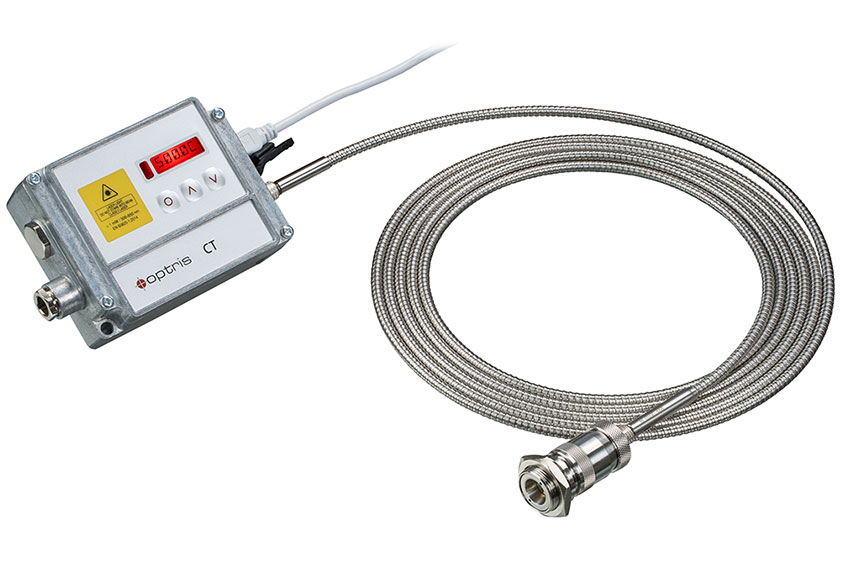
The Digital Pyrometer has revolutionized the way temperature measurements are made in modern industrial environments. Unlike conventional contact-based devices, a digital pyrometer provides highly accurate, real-time temperature readings without any physical contact, making it ideal for high-heat, hazardous, or hard-to-reach areas. This non-contact temperature sensing tool is widely used across various sectors, including metallurgy, manufacturing, and energy. It enables industries to enhance efficiency, minimize downtime, and reduce safety hazards during operations. Digital Pyrometer Explained A Digital Pyrometer is a non-contact temperature measurement instrument that uses infrared radiation emitted by an object to determine its temperature. Unlike traditional thermometers, it does not require physical contact, making it extremely useful in high-temperature or moving applications. It’s often referred to as an IR pyrometer due to its infrared detection technology. This device typically measures the thermal radiation spectrum and converts it into a readable temperature display. There are different types of pyrometer, including the total radiation pyrometer, which measures all emitted radiation, and narrow-band variants focused on specific wavelengths for higher accuracy in controlled settings. Components Of Digital Pyrometer Before delving into its real-world applications, it’s essential to understand the key components of a digital pyrometer: Optical System: Gathers the infrared radiation from the target object. Detector (Sensor): Converts IR radiation into an electrical signal. Signal Processor: Amplifies and digitizes the signal. Display Unit: Shows the calculated temperature. Emissivity Adjuster: Allows for calibration based on material surface characteristics. Targeting Tools: Such as laser pointers, aid in accurate alignment. These components collectively enable the digital pyrometer to perform precise, real-time measurements even in the most challenging industrial conditions. Applications Of Digital Pyrometer Digital Pyrometers are extensively used across industries where contact-based thermometers are inefficient or impractical. Let’s explore some of their key applications. Steel And Metal Processing Steel And Metal Processing In the metallurgical industry, maintaining consistent temperatures is vital for alloy composition and quality control. Digital pyrometers, especially radiation pyrometers, are employed to monitor the temperature of molten metal during casting and forging. Challenge: Molten metals are not only extremely hot but also in constant motion, making contact measurement impossible. Solution: The non-contact pyrometer provides instantaneous, safe temperature readings, ensuring accuracy and reducing the risk of human error. Even with contact-based temperature measurement. A potential risk to the safety and well-being of dedicated personnel persists. Infrared pyrometers measure from a distance with high accuracy and durability. Glass Manufacturing Glass Manufacturing Glass production involves precision heating and cooling at various stages. A slight temperature variation can lead to cracks or deformations. Challenge: High transparency and reflective surfaces make it difficult to measure temperature accurately. The main challenge is high-temperature exposure and radiant heat. Solution: Advanced IR pyrometers adjust for emissivity and can be fine-tuned to measure through glass or on its surface reliably, offering stable temperature monitoring for consistent quality. Food Processing Food Processing Temperature is a key variable in pasteurization, sterilization, and packaging. In such operations, hygiene and consistency are non-negotiable. Challenge: Contact-based sensors can contaminate products or give inaccurate readings on moving conveyor belts. Solution: Industrial pyrometers provide safe, hygienic, and accurate measurement without any physical touch. They ensure regulatory compliance and improve energy efficiency. Power Generation Plants Power Generation Plants In turbines, boilers, and reactors, real-time temperature monitoring is essential to ensure optimal efficiency and avoid damage. Challenge: Harsh environmental conditions and fluctuating emissivity make conventional thermometers ineffective. Solution: Digital pyrometers are designed to withstand high radiation, vibrations, and pressure. With emissivity settings and long-distance sensing, they ensure accurate monitoring, preventing costly breakdowns. Advantages of Digital Pyrometer Before choosing a temperature measurement system for your operation, it’s crucial to evaluate its performance, adaptability, and ROI. Here are the key advantages that make a Digital Pyrometer superior to traditional methods: Non-Contact Measurement One of the biggest advantages of a non-contact pyrometer is its ability to measure temperature without physical contact. This is essential in environments where the object is moving, extremely hot, or hazardous to reach. It ensures operator safety and reduces wear and tear on equipment. High Accuracy and Speed Digital pyrometers deliver instant temperature readings with minimal lag. Models such as Optris pyrometers are calibrated to handle complex industrial environments with high precision, making them ideal for real-time process control. Wide Temperature Range From sub-zero conditions to thousands of degrees Celsius, these pyrometers cover a broad spectrum. Specialized variants like the radiation pyrometer can handle extreme heat, making them suitable for steel, glass, and other high-temperature processes. Adjustable Emissivity Settings Unlike basic thermometers, digital pyrometers come with emissivity adjustments, allowing accurate readings across a variety of surfaces — from shiny metals to rough industrial materials. This adaptability enhances reliability across diverse types of pyrometer applications. Data Logging and Integration Modern digital pyrometers can store data, connect to PLC systems, and integrate into smart factory networks. These features support predictive maintenance, remote monitoring, and analytics-driven decision-making, elevating overall plant efficiency. Conclusion In today’s fast-paced industrial ecosystem, the digital pyrometer stands out as a vital tool for ensuring precision, safety, and efficiency. By leveraging infrared technology, it delivers reliable temperature data in conditions where traditional devices fall short. As industries continue to automate and evolve, non-contact temperature monitoring becomes indispensable. Companies like Manglam Electricals are driving this evolution with state-of-the-art digital pyrometers tailored to specific industrial needs. Their devices support multi-range emissivity, are easy to calibrate, and offer robust construction, making them a valuable asset in demanding applications from metal casting to food processing. Buy Pyrometers

IR Pyrometer in Defense Industry: Applications and More
An IR Pyrometer plays a pivotal role in the modern defense industry by allowing temperature measurements of equipment, components, and systems without physical contact. These devices offer accurate thermal data, even in the most hostile and inaccessible environments, making them vital for surveillance, maintenance, and combat readiness. With growing reliance on precise thermal monitoring, IR Pyrometers enhance decision-making and operational safety. Their presence across military platforms has become indispensable, from missile systems to aircraft engines and naval equipment. What is an IR Pyrometer? An IR Pyrometer, also known as a non-contact pyrometer, is a temperature measurement device that detects infrared radiation emitted by objects. It translates this data into temperature readings without touching the surface, which is crucial in high-risk environments where contact may not be feasible. Unlike a traditional pyrometer thermometer, IR Pyrometers excel in dynamic and hazardous scenarios, making them ideal for defence applications. Variants include total radiation pyrometer types and digital versions, each suited for specific temperature ranges and precision requirements. Applications of IR Pyrometer in Defence Sector The defence sector leverages IR Pyrometers for several high-stakes tasks. These devices ensure military systems’ performance, reliability, and longevity under extreme conditions. Aircraft Engine Monitoring Monitoring aircraft engine temperatures is critical for performance and safety. Fluctuating thermal zones in jet turbines can lead to mechanical failures. The challenge lies in capturing these high-speed temperature changes without interfering with engine operations. IR Pyrometers, especially industrial pyrometers, offer a solution by providing real-time, non-intrusive thermal data that enhances predictive maintenance. Tank and Armoured Vehicle Surveillance Tank engines, turrets, and exhaust systems generate significant heat. IR pyrometers help assess thermal distribution to prevent overheating. Using a non-contact pyrometer enables crews to monitor systems without manual checks, improving operational uptime. Radar and Electronic Systems Maintenance Sensitive electronic systems within radar installations can malfunction due to overheating. The challenge is detecting early signs before system failure. With the help of an IR Pyrometer, personnel can monitor subtle thermal deviations, ensuring efficient cooling and longer operational life of these high-value assets. Naval Shipboard Machinery Defence ships operate under variable sea conditions where machinery is subjected to intense thermal stress. Manual inspection is risky and inefficient. IR Pyrometers provide fast and accurate readings of propulsion systems and boilers, allowing early detection of anomalies. This avoids mission downtime and ensures crew safety. Conclusion Integrating IR Pyrometers into defence operations reflects their unmatched utility in extreme and mission-critical environments. Their ability to deliver real-time thermal data, monitor hard-to-reach systems, and prevent failures ensures they remain a frontline tool in military technology. Manglam Electricals provides high-quality IR Pyrometer solutions tailored to the unique demands of defence applications. Known for precision and durability, their range includes options from digital to total radiation pyrometer types. With their commitment to innovation, Manglam Electricals contributes significantly to enhancing thermal intelligence and readiness for defence operations.
Infrared Pyrometer Explained: Everything You Need to Know
An infrared pyrometer is essential for non-contact temperature measurement, especially in high-temperature industrial environments. Detecting the thermal radiation emitted by an object delivers accurate readings without direct contact, making it ideal for sensitive or hazardous surfaces. With industries advancing towards automation and precision, the demand for infrared pyrometers has significantly increased. Their relevance is particularly noticeable in metal processing, glass manufacturing, and defense sectors. What is an Infrared Pyrometer? An infrared pyrometer is a device that measures temperature based on the infrared radiation emitted by an object. Unlike contact-based thermometers, this instrument can gauge heat from a distance, making it safe and efficient for extreme conditions. These pyrometers are widely used when traditional thermometers might fail or become damaged due to high heat, moving parts, or inaccessible surfaces. They provide real-time data critical for process control. The functionality of an infrared pyrometer is based on the Stefan-Boltzmann law, which relates the temperature of an object to the intensity of its emitted radiation. This scientific principle ensures high accuracy across a variety of materials and applications. Components of Infrared Pyrometer An infrared pyrometer consists of several key components that enable its precise temperature measurement capabilities: Optical System: Captures the infrared radiation emitted by the target object. It uses lenses or mirrors to focus the radiation onto a detector. Receiver: Converts the collected radiation into an electrical signal. This is often a photodetector or thermopile that responds to infrared energy. Display/Recorder: Processes the signal and presents the temperature reading. It may also store the data for later analysis or transmit it to a control system. Operating Principle of an Infrared Pyrometer The working of an infrared pyrometer follows a series of steps based on fundamental thermodynamic principles: Detection of Infrared Radiation: The pyrometer detects radiation in the infrared spectrum emitted by the target object. Focusing by Optical System: Lenses or mirrors collect and focus this radiation onto the detector. Signal Conversion: The detector converts the focused radiation into an electrical signal proportional to the intensity of radiation. Signal Processing: This signal is amplified and filtered to eliminate noise and improve accuracy. Temperature Calculation: Using calibration and emission coefficient settings, the pyrometer calculates the corresponding temperature. Display or Reflection of Final Temperature to Operator: Ultimately the calculated final temperature is displayed & its corresponding Analogue or Digital Outputs are transmitted. Applications of an Infrared Pyrometer Infrared pyrometers are indispensable in several industrial domains due to their robustness and reliability: Glass Manufacturing Monitoring the surface and internal temperatures of glass is crucial to ensure quality. The challenge is high-temperature exposure and radiant heat. Solution: Infrared pyrometers offer non-contact monitoring, while maintaining accuracy. Plastic Industries Plastic processing involves temperature-sensitive operations like extrusion and moulding. The challenge is rapid heating and cooling. Solution: Pyrometers provide real-time data that help maintain the optimal temperature range. Rolling Mills In metal rolling mills, metal sheets or slabs are processed at extremely high temperatures. The issue is moving parts and radiant heat. Solution: Pyrometers allow accurate temperature checks without halting production or risking worker safety. Steel Manufacturing Steelmaking involves molten materials that can’t be measured with contact devices. The challenge is avoiding contact with corrosive or molten surfaces, even with contact-based temperature measurement. A potential risk to the safety and well-being of dedicated personnel persists. Solution: Infrared pyrometers measure from a distance with high accuracy and durability. Safety & Critical Asset Monitoring With industries like Steel Plant or Bulk Material Handling, the threat of fire outbreaks—especially along conveyor belts or in storage zones—is a persistent concern. Solution: Using 24X7 thermal monitoring systems like pyrometers can be a useful solution to counter such threats. In Switch Yards, heavy KVA transformers and its associated bushings & current collectors & for Metal or Glass Industries various furnaces are considered as critical assets. These assets are prone to abnormal heat buildup, which can lead to structural fatigue, rupture or cracks in their outer shells, making them unsuitable for further use. Solution: A dedicated Pyrometer can be deployed for 24 X 7 monitoring of Critical asset’s outer shell monitoring. They might be programmed to trigger alarm whenever an abnormal temperature rise is happening. This proactive approach not only enhances safety but also protects assets worth crores, ensuring uninterrupted operations and peace of mind of the concerned firms. Pharma Industry Maintaining a sterile and precisely controlled environment is vital. Challenges include ensuring uniformity in batch processes. Solution: Infrared pyrometers provide consistent temperature monitoring in non-contact modes, which is ideal for pharmaceutical applications. Defence and Electronics In defence, heat management in missiles and other equipment is vital. In electronics, thermal stress monitoring is key. Solution: Industrial pyrometers ensure thermal consistency and prevent overheating in critical systems. Conclusion Infrared pyrometers are vital in modern industry due to their ability to provide non-contact, accurate, and rapid temperature readings in harsh environments. Whether in glass manufacturing or defence applications, they deliver unmatched performance and safety. Manglam Electricals offers a premium range of pyrometer thermometer systems, including radiation and digital variants. Their infrared pyrometers are tailored for industrial use, combining precision, durability, and ease of integration to meet the demands of today’s automated systems.

Optical Pyrometer Explained: Everything You Need to Know
An optical pyrometer is a non-contact device that measures high temperatures by analyzing visible radiation emitted by hot objects. This tool is critical in industrial environments where direct contact with heated materials is impossible or unsafe, offering precision and convenience in temperature monitoring. By leveraging the principle of incandescence, the optical pyrometer identifies the temperature by the brightness of glowing objects. This makes it ideal for metallurgy, glass, and steel manufacturing applications. Unlike contact thermometers, it ensures accurate temperature readings in extreme conditions, thus making it a preferred choice in many high-heat industrial processes. What is an Optical Pyrometer? An optical pyrometer is a temperature-measuring instrument designed to evaluate the thermal state of objects by comparing the brightness of a filament within the device to the brightness of the target object. It is often used in cases where the temperature exceeds the range of standard contact thermometers. This tool works on the basic principle of matching visual radiation. The filament inside the device disappears when its brightness equals the object’s brightness, thus allowing an accurate temperature measurement. Components of Optical Pyrometer Eyepiece/Lens The eyepiece enables the user to observe the filament and target object. It allows for precise filament alignment to the target, enhancing measurement accuracy. The lens is often adjustable to improve visibility and focus. Battery The battery powers internal electronics like the filament and the measurement circuit. It ensures portability and allows the device to function even in field operations. A reliable power supply is essential for accurate and stable readings. Millivoltmeter This component measures the voltage drop caused by the filament’s resistance change. The value shown corresponds to the target temperature. It provides the final temperature reading, usually calibrated in degrees Celsius or Fahrenheit. Rheostat A rheostat adjusts the current flowing through the filament. By modifying the brightness of the filament, users can match it to the target object. This component is crucial for obtaining the correct temperature match. Temperature Bulb It serves as a protective covering and helps stabilize the internal temperature sensors. It ensures a consistent internal environment for accurate readings. The bulb may also offer insulation against environmental fluctuations. Absorption Screen This screen reduces the intensity of radiation entering the device. It prevents glare and makes it easier to match filament brightness to the object. It’s advantageous when measuring extremely bright objects. Objective Lens The objective lens gathers light from the hot object and directs it onto the filament. It focuses on radiation to enhance clarity and measurement accuracy. A high-quality lens improves performance in low-light environments. Red Filter This filter only allows red wavelengths of light to pass through, minimizing errors due to varying spectral radiation. It enhances measurement consistency across different materials. The red filter is essential for precision in high-temperature observations. Filament Positioned at the center of the field of view, the filament is electrically heated and acts as the comparison point for the target object. When its brightness matches the object, the temperature is determined. It’s the core of the pyrometer’s functioning system. Operating Principle of Optical Pyrometers Target Selection: The user selects a visible, incandescent object to measure, ensuring a clear line of sight to avoid reflection errors or obstruction. Viewing Through Eyepiece: Looking through the eyepiece, the user sees the object and a calibrated filament placed centrally in the field of view. Filament Heating: The filament is heated using a rheostat, increasing its brightness gradually while being visually compared to the target object. Brightness Matching: As the filament’s brightness approaches that of the target, it visually “disappears,” indicating that both are at the same brightness temperature. Reading Stabilization: Once the filament disappears against the background, the user stops adjusting the rheostat and waits a few seconds for the reading to stabilize. Temperature Display: The voltage corresponding to the filament current is measured by the millivoltmeter and converted into a temperature reading. Cross-Verification: In some high-precision tasks, the user may repeat the process to verify measurement consistency, especially in fluctuating environments. Recording and Application: Finally, the recorded temperature is noted and used for further processing or quality checks, which are critical in manufacturing workflows. Applications of an Optical Pyrometer Glass Manufacturing In the glass industry, precise temperature control is essential to maintain consistency in texture and transparency. Optical pyrometers monitor furnace temperatures, helping prevent overheating or underheating. Their non-contact nature ensures accurate readings without risking equipment damage. Steel and Rolling Mills In steel production, the optical pyrometer measures the temperature of billets and slabs during rolling. This tool offers a reliable solution since direct contact is impractical in molten metal scenarios. Real-time readings help optimize process parameters and enhance product strength and quality. Plastics and Polymer Industries During the extrusion or molding process, plastic materials require specific heat thresholds. Using an ir pyrometer or optical pyrometer ensures these conditions are met without deforming the product. The device plays a vital role in temperature validation during high-speed production. Electronics and Semiconductors Semiconductor manufacturing involves sensitive thermal conditions where even a slight deviation can ruin entire batches. A pyro optical pyrometer enables precise control of wafer temperatures during fabrication. This improves yield rates and ensures defect-free chip production. Pharmaceutical Manufacturing Sterilization and high-temperature processes in the pharma sector demand exact thermal measurement. Optical pyrometers help monitor autoclaves and reactors without interfering with internal conditions. Their usage enhances safety and regulatory compliance. Defense and Aerospace In defense applications, components undergo extreme thermal tests. An optical pyrometer measures the temperature of engines, exhausts, and missile systems. It delivers real-time data critical for performance analysis and failure prevention in high-stakes environments. Advantages of Using Optical Pyrometers Non-Contact Measurement: Optical pyrometers do not need to touch the object, making them ideal for hazardous or extremely hot environments. This prevents wear and tear on the instrument and avoids contaminating the object. High Temperature Range: These devices can measure temperatures up to 3000°C. This makes them suitable for industries like steel and glass, where temperatures far exceed conventional thermometer limits. Quick Response Time: With almost

What are Pyrometers? Principles, Types, Advantages, and More
Ever wondered how engineers measure the heat/temperature of machines that emit high heat energy? Furnaces, molten steel, etc., emit a high level of heat that cannot be measured via normal thermometers. Hence, this is where tools, such as pyrometers, come into play. Now, you might wonder: What are pyrometers, and how do they work? This article will explain a pyrometer’s basic functionality, advantages, and principles. In addition, it will briefly discuss a few types of pyrometers. What are Pyrometers? Defined Pyrometers are non-contact devices/tools that measure the temperature of distant objects. They are generally utilized in manufacturing industries to monitor and maintain a high level of heat emission during the overall production process. These devices calculate the temperature by measuring an object’s infrared or heat radiation. Moreover, there are a few different types of these devices for specific purposes. Principle of a Pyrometer In simple words, Pyrometers work on the principle that the amount and wavelength of heat radiation are directly proportional to the Temperature of an object. Furthermore, each of these have different components, such as: Optical System: To collect and focus on thermal radiation. Detector: To measure the intensity of the radiation. Signal Processor: To convert the radiation into an electrical signal. Display: For displaying the final temperature of the object. Types of Pyrometers Since we have answered the question- What are Pyrometers?- Let us look into a few different types: Optical Pyrometer: Compares the thermal radiation of an object to a calibrated light source, which finally estimates the temperature. Infrared Pyrometer: Infrared or IR Pyrometers calculate the intensity of infrared radiation that comes out of an object, providing an estimated temperature. Radiation Pyrometer: Being well-suited for high-temperature applications, radiation pyrometer only measure the overall radiation of an object regardless of wavelength. Two-Color Pyrometer: Often referred to as ratio pyrometer, these devices calculate the temperature by comparing the emitted radiation at two different wavelengths. Advantages of a Pyrometer A pyrometer can measure the temperature of an object without contact, and hence has multiple utilities in manufacturing sectors. Let us look into some advantages of these devices: Non-Contact Temperature Measurements: With pyrometers, organizations can easily measure high-temperature appliances or heat emission without any necessity of direct contact. This allows insights into the current functionality of a machine/process. Additionally, it minimizes the risk of injuries at production plants. High-Temperature Measurement: These devices allow temperature measurements up to several degrees Celsius. Their ability to withstand such high temperatures will enable users to measure the quality of products/systems accurately. Accuracy of Temperature Measurement: Different types of pyrometers offer different utilities. However, IR and Ratio Pyrometers provide high accuracy and precision of temperature measurement results. As a result, this assists in avoiding any mishaps during the production cycle. Conclusion Pyrometers are non-contact temperature measurement devices that can measure high temperatures by measuring the amount of heat and radiation emitted by an object. Owing to different needs, these devices have various types, such as optical, infrared, radiation, and ratio pyrometers. Manglam Electricals offers a wide range of quality pyrometers that can assist organizations or manufacturers in accurately measuring temperature from a distance.
Ensuring Steel Industry Safety with Pyrometers: A Comprehensive Guide
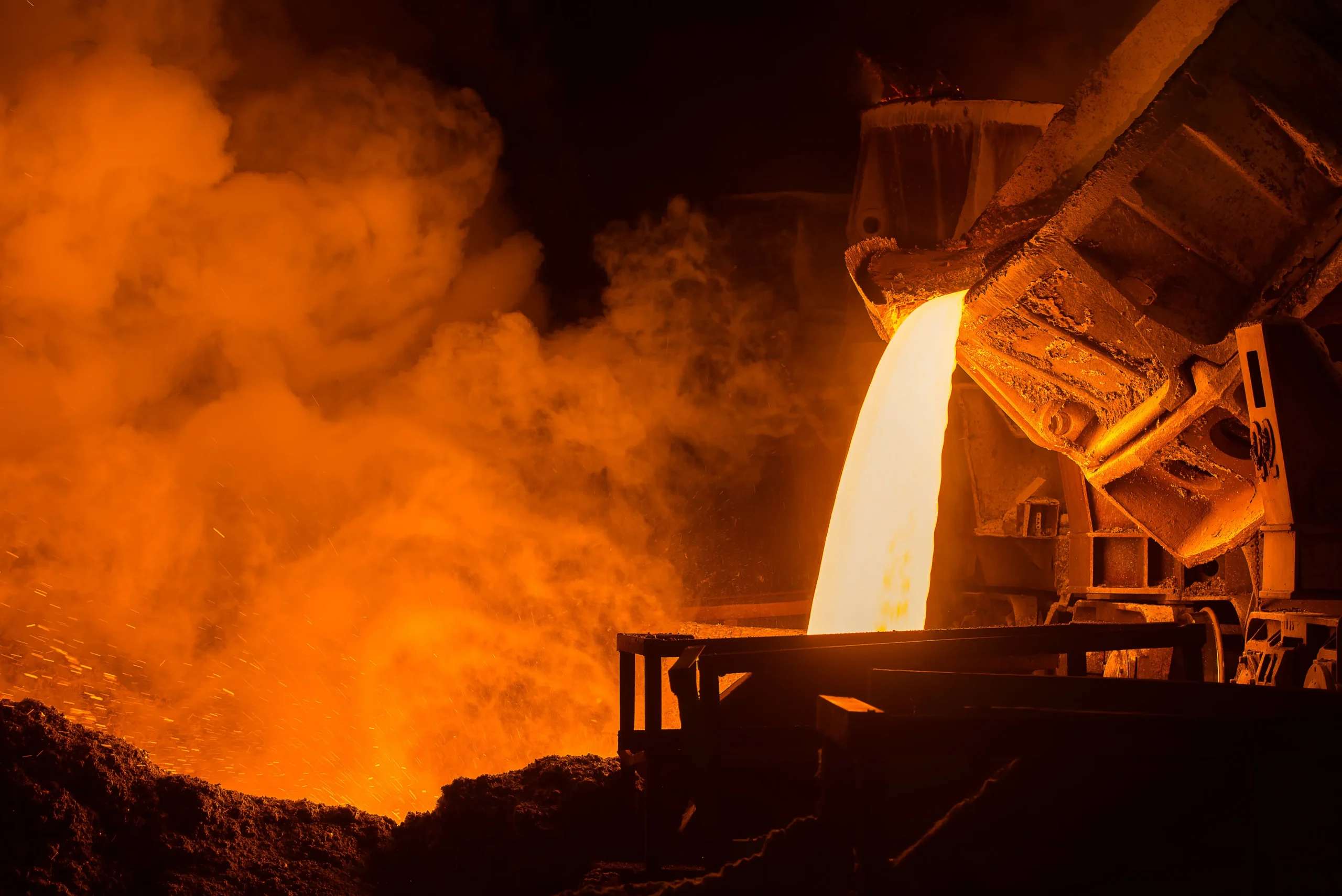
Safety and efficiency are paramount in the steel industry due to the extreme temperatures and complex processes involved. Accurate temperature measurement is important for ensuring that steel production operates smoothly and safely. Traditional methods of temperature monitoring often fall short in providing the precision and reliability needed. This is where pyrometers enter. These advanced instruments offer non-contact temperature measurement, which is essential for managing the high temperatures typical in steel manufacturing. Here, you will explore how pyrometers increase safety in the steel industry and various other aspects. What Are Pyrometers? Pyrometers are devices used to measure the temperature of an object without any physical contact. They operate by detecting the infrared radiation that an object emits and converting it into a temperature reading. This is especially useful in industries like steel manufacturing, where direct contact with extremely hot materials can be dangerous and impractical. The two main types of pyrometers used in the industry are infrared pyrometers and ratio pyrometers. Each type serves specific requirements based on the temperature range and material characteristics. IR pyrometers are designed to measure temperatures from a distance by detecting infrared radiation from the material’s surface. They are especially beneficial in environments where it is unsafe or impossible to take direct measurements. On the other hand, ratio pyrometers use dual-wavelength measurement to improve accuracy, especially in environments with varying emissivity or where the material’s surface characteristics change. Why is Temperature Control Important in Steel Production? Precise Process Management Accurate temperature control is essential for managing various stages of steel production, including melting, casting, and rolling. Each stage requires specific temperature ranges to ensure proper material properties and prevent defects. Maintaining precise temperatures also ensures the efficiency of energy consumption in the process. Safety Risks Inaccurate temperature readings can lead to overheating, which poses significant safety risks, including potential equipment failures and hazardous conditions for workers. Proper temperature control helps mitigate these risks, creating a safer working environment. Product Quality Maintaining the correct temperature ensures that the steel solidifies properly and maintains its structural integrity, avoiding defects and ensuring high-quality end products. Consistent temperature control is essential for meeting industry standards and customer specifications. Operational Efficiency Proper temperature management reduces wastage and rework, contributing to more efficient production processes and lower operational costs. Effective temperature control also helps in optimizing the use of raw materials and reducing energy consumption. How Pyrometers Improve Steel Industrial Safety? Non-Contact Measurement Non-contact pyrometers provide precise temperature readings without physical contact that ultimately reduces the risk of exposure to extreme heat for workers. This feature is particularly useful in monitoring processes where direct measurement is impractical or unsafe. Real-Time Monitoring Pyrometers offer real-time data on temperature, allowing for immediate detection of anomalies and enabling quick corrective actions to prevent potential safety hazards. Real-time monitoring helps in maintaining continuous oversight of critical temperature points. Preventing Overheating By monitoring temperatures continuously, pyrometers help prevent overheating of equipment, reducing the risk of malfunctions and extending the lifespan of machinery. This proactive approach helps in avoiding unexpected downtime and costly repairs. Improved Worker Safety Using infrared pyrometers minimizes the need for workers to interact directly with high-temperature processes, improving overall workplace safety. This reduces the likelihood of heat-related injuries and improves overall working conditions. Additional Benefits of Using Pyrometers in Steel Manufacturing Increased Efficiency Pyrometers facilitate continuous temperature monitoring, leading to improved control over production processes and higher efficiency in operations. Efficient temperature management also helps in streamlining production workflows. Cost Savings Accurate temperature measurements help prevent equipment damage and reduce maintenance costs, resulting in significant cost savings over time. These savings can be reinvested in other areas of the production process to further enhance efficiency. Better Quality Control Consistent temperature readings ensure that the steel produced meets quality standards, reducing defects and ensuring uniform product quality. This also helps maintain customer satisfaction and compliance with industry regulations. Reduced Downtime Early detection of potential issues allows for timely interventions, minimizing production downtime and improving overall operational uptime. This contributes to a more reliable production schedule and better resource utilization. Selecting the Right Pyrometer for Steel Industry Applications Temperature Range Choose a high temperature pyrometer that matches the temperature ranges specific to your steel production processes. For extreme temperatures, ensure the pyrometer can handle the required ranges. Spectral Range and Accuracy Depending on the material being measured, select a ratio pyrometer or two color pyrometer with appropriate spectral ranges and accuracy. This ensures precise measurements even in challenging environments. Design and Features Consider the design of the pyrometer, such as compact models for tight spaces or those with advanced features like laser sighting and video capabilities. Application Suitability Match the pyrometer’s capabilities to your specific application needs, whether for casting, rolling or other steel manufacturing processes. Ensure that the pyrometer’s specifications align with your facility’s operational requirements. In the steel industry, ensuring safety and efficiency through precise temperature measurement is critical. Pyrometers provide a reliable solution for monitoring high temperatures without direct contact, thereby improving safety and operational efficiency. By investing in high-quality infrared pyrometers, steel manufacturers can significantly improve their production processes and reduce risks associated with temperature management. For those seeking advanced pyrometers, Mangalam Electricals offers a range of cutting-edge solutions designed to meet the demanding needs of the steel industry. Mangalam Electricals’ non-contact pyrometers are built to provide accurate and reliable temperature measurements, which is important for maintaining safe and efficient operations in steel manufacturing. Our expertise in sensor technology ensures that you have access to the most advanced solutions for your temperature measurement needs. Contact Manglam Electricals today to find a suitable pyrometer for your steel industry!

Types of Pyrometers in the Steel Industry
The steel industry is one of the most heat-intensive manufacturing sectors, with processes such as smelting, forging, and rolling requiring precise temperature control to ensure product quality and operational efficiency. Given the extreme temperatures involved, traditional contact thermometers are not suitable for these environments. This is where pyrometers—devices that measure temperature from a distance without making physical contact—play a critical role. Pyrometers are essential for monitoring the temperatures of molten metal, furnaces, and other hot surfaces, enabling manufacturers to achieve optimal results. Understanding the different types of pyrometers in the steel industry, here is a list that highlights the applications and benefits as well. 1. High-Temperature Pyrometers High-temperature pyrometers are essential in the steel industry due to the extreme heat levels involved in processes like smelting, casting, and rolling. These pyrometers can measure temperatures exceeding 1,500°C, making them ideal for monitoring the molten steel in furnaces and ladles. By providing accurate temperature readings in these high-temperature environments, these pyrometers ensure that the steel’s properties are maintained, resulting in improved product quality and reduced wastage. Their ability to function in such extreme heat makes them an indispensable tool in steel production. 2. Infrared Pyrometers The steel industry makes extensive use of infrared (IR) pyrometers for non-contact temperature measurements. These pyrometers sense the infrared radiation released by heated objects and translate it into a temperature measurement. IR pyrometers are particularly useful for measuring the surface temperature of steel slabs, billets, and rods as they move through the production line. With infrared pyrometers, the steel industry benefits from real-time temperature monitoring, which is crucial for maintaining consistent production quality. The infrared pyrometer price varies depending on features like temperature range and accuracy, making it a flexible option for different steel processes. 3. Ratio Pyrometers Ratio pyrometers, also known as two-color pyrometers, are ideal for environments where the measurement object is partially obscured by dust, smoke, or steam—common conditions in steel production plants. These pyrometers measure temperature by comparing the radiation emitted at two different wavelengths. This method is less sensitive to changes in emissivity and obstructions, providing accurate temperature readings even in challenging conditions. These types of pyrometer are particularly useful for monitoring the temperature of molten steel, ensuring that the production process remains stable despite environmental interferences. 4. Two-Color Pyrometers Two-color pyrometers are a specialized type of ratio pyrometer that offers increased accuracy and reliability, particularly for moving targets in the steel industry. These pyrometers measure temperature based on the ratio of light intensities at two wavelengths, making them effective in measuring temperatures of steel during rapid motion, such as in rolling mills. Two-color pyrometers are crucial for detecting surface temperature changes in steel billets and rods as they undergo cooling and rolling processes, ensuring uniform product quality across the production line. 5. Portable Pyrometers Portable pyrometers offer flexibility for on-the-go temperature measurements in various stages of steel production. These hand-held devices are ideal for spot-checking temperatures in furnaces, molds, or heat treatment chambers. Whether monitoring the temperature of steel slabs as they cool or ensuring that ladles are preheated to the correct temperature before molten steel is transferred, portable pyrometers provide a convenient and accurate solution. Their ease of use makes them a valuable tool for quality control teams in steel plants. 6. Fixed-Mount Pyrometers Fixed-mount pyrometers are designed to be permanently installed in a specific location within the steel production line, providing continuous and automated temperature monitoring. Since maintaining a constant temperature is essential to guaranteeing the quality of molten steel, these pyrometers are especially useful for monitoring furnaces. Fixed-mount pyrometers offer real-time data, allowing operators to make quick adjustments when necessary, reducing the risk of temperature fluctuations that could affect the steel’s properties. 7. Laser Pyrometers Laser pyrometers, a type of infrared pyrometer, use a laser pointer to accurately target the specific area where the temperature needs to be measured. This feature is particularly useful in steel plants where precision is crucial, such as in measuring the surface temperature of steel slabs or coils during the cooling process. Laser pyrometers ensure uniform cooling of steel, which is crucial for upholding the mechanical properties and structural integrity of the final product. In the steel industry, precise temperature control is essential for ensuring product quality, operational efficiency, and safety. Pyrometers, with their non-contact measurement capabilities, provide the accuracy and reliability needed to monitor high-temperature environments. Every type of pyrometer, from ratio pyrometers designed for harsh environments to high-temperature pyrometers used in furnaces, has a specific role in preserving the accuracy and productivity of steel production. By choosing the right pyrometer, whether it’s an IR pyrometer, two-color pyrometer, or portable pyrometer, steel manufacturers can ensure optimal temperature control, resulting in superior product quality and reduced downtime. As technology advances, pyrometers will continue to be a vital tool in the steel industry, contributing to more efficient and cost-effective production processes. Offering top-quality IR pyrometers, Manglam Electricals ensures that a comprehensive range of high-quality pyrometers are accessible and thoughtfully engineered to meet the needs of the steel industry. Our high-performance devices offer unmatched accuracy, durability, and versatility, ensuring optimal temperature control in even the most demanding environments. From smelting and casting to rolling and heat treatment, our pyrometers deliver precise measurements for critical processes. Enhance your steel production with Manglam Electricals’ precision pyrometers. Contact us today to learn more about how our pyrometers can improve the functional efficiency of processes in the steel industry.

Pyrometers for Blast Furnace Metallurgy
The blast furnace is a high-temperature system where diverse production processes converge to produce molten iron. To maximize production, precise temperature control in specific areas is essential. Temperature is a critical factor that directly impacts productivity, product quality, and safety. Accurate, remote temperature measurement, made possible by pyrometer technology, is now an essential necessity within successful blast furnace operations. To gain a detailed understanding of pyrometer applications in blast furnace efficiency, please read the following sections. Understanding Pyrometer Function An IR pyrometer or thermal camera for furnace operates on the principle of radiation thermometry, detecting and quantifying the thermal radiation emitted by a hot body. This non-contact measurement technique offers several advantages over traditional contact methods, including enhanced safety, durability, and response time. The core components include: Sensing Element: This component converts radiant energy into a measurable electrical signal. Common types include thermocouples, thermistors, and bolometers, each with its specific characteristics and operating range. Optical System: The optical system focuses the target’s radiation onto the sensing element. Its design determines the pyrometer’s field of view, spectral response, and emissivity correction capabilities. Signal Processing Unit: This unit amplifies, filters, and converts the electrical signal into a temperature reading. Advanced pyrometers incorporate digital signal processing for top of the market accuracy and data analysis. Role of Non Contact Pyrometers for Blast Furnace Metallurgy A blast furnace is a massive industrial structure used to convert iron ore into molten iron. Raw materials, such as iron ore, coke, and limestone, are fed into the top of the furnace while hot air is injected at the bottom. As these materials move downward, complex chemical reactions take place, transforming the iron ore into liquid iron. Maintaining the correct temperature throughout the furnace is crucial for efficient and effective operation. Too high or too low a temperature can negatively impact the quality of the iron produced, as well as the overall efficiency of the process. A high temperature pyrometer takes accurate measurements from a remote distance providing a safe and efficient window for monitoring and controlling the desired production environments. Application of Pyrometers for Blast Furnace The blast furnace presents a harsh environment characterized by extreme temperatures, dust, and vibrations. Pyrometers, with their rugged design and precise measurement capabilities, are ideally suited for this demanding application. Key areas of pyrometer deployment include: Stove Temperature Monitoring: Precise temperature control of Cowper stoves is essential for efficient heat recovery and blast preheating. Pyrometers strategically placed within the stove structure provide real-time data on checker brick temperature, enabling optimization of the heating and cooling cycles. Hot Metal Temperature Measurement: Accurate determination of hot metal temperature is crucial for subsequent steelmaking processes. Submerged pyrometers, equipped with water-cooled protection tubes, are employed to measure the temperature of the molten iron as it taps from the furnace. Refractory Temperature Monitoring: The condition of furnace refractories directly impacts operational efficiency and safety. A two color pyrometer can be used to monitor refractory temperatures, providing early warning signs of potential hot spots or erosion. Tuyere Temperature Measurement: Tuyere overheating can lead to coke build-up and operational disruptions. Pyrometers installed in close proximity to the tuyere can detect temperature anomalies, allowing for timely intervention. Challenges Without Pyrometer Technology The absence of pyrometer technology in blast furnace operations presents substantial operational and economic challenges. Inefficient Thermal Management: Reliance on manual temperature assessment methods results in significant temperature gradients, thermal shock, and heat loss, compromising overall thermal efficiency. Accelerated Equipment Degradation: Without real-time monitoring of critical hot spots, equipment components such as refractories and tuyeres experience accelerated degradation due to thermal stress and erosion. Diminished Production Metrics: Suboptimal temperature control leads to reduced throughput, increased cycle times, and lower overall equipment effectiveness (OEE). Deteriorated Product Consistency: Temperature fluctuations induce variations in carbon pickup, silicon content, and other metallurgical parameters, resulting in inconsistent product quality and increased scrap rates. Heightened Occupational Hazards: Manual temperature measurement necessitates proximity to high-temperature zones, exposing personnel to thermal burns, radiation hazards, and the risk of accidents. Mangalam’s Pyrometer Solutions: Precision in the Heart of Your Blast Furnace Mangalam offers cutting-edge pyrometer solutions specifically engineered for the demanding conditions of blast furnace operations. Our products are designed to deliver exceptional performance, ensuring optimal efficiency and product quality Core Features and Benefits Auto HOT SPOT Tracker: Pinpointing the hottest area within your blast furnace is crucial for efficient operation. Our Auto HOT SPOT Tracker does just that, continuously monitoring and identifying the maximum process temperature. Even through the build-up of scale, this tracker provides accurate temperature readings, ensuring your furnace operates at peak performance. Water-Cooled Protection: Blast furnaces are incredibly hot environments. Our ratio pyrometer is equipped with a water-cooled jacket to withstand temperatures up to 315°C, ensuring they can handle the intense heat without compromising performance. High-Speed Imaging: Rapidly changing conditions inside a blast furnace demand a quick response. Our short measurement wavelength camera captures temperature data at an impressive rate of up to 1,000 frames per second. This non contact pyrometer acts like a high-speed camera that allows you to catch every critical moment. Advanced Imaging Technology: Equipped with a high-resolution CMOS detector and intelligent auto hot spot tracking, our cameras eliminate the need for manual adjustments. Our cameras can handle a wide temperature range, from 842°F to 3272°F, making them versatile for various furnace conditions. Real-Time Insights: Mangalam’s pyrometers deliver continuous temperature data, enabling precise real-time adjustments to furnace controls. This capability acts as an on-demand advisor for optimizing furnace efficiency and minimizing energy consumption. The pyrometers’ 1 kHz line-scanning function provides comprehensive and detailed temperature mapping of the furnace environment, offering an in-depth analysis for enhanced process control. Advanced Software: Our comprehensive software package and SDK provide the tools you need to analyze data, integrate with your existing systems, and get the most out of your pyrometer investment. Enhance Blast Furnace Efficiency with Manglam’s Pyrometers Blast Furnaces need precise temperature control to produce accurate outcomes in metallurgy processes. Implementing pyrometer technology in blast furnaces yields substantial economic benefits. Equipped with features