
Sensor Technology: position & angle
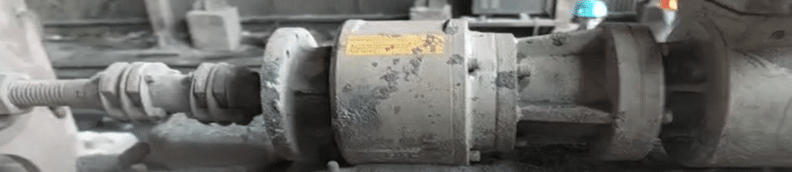
Accurate Position Measurement during Raw Material Handling at Wagon Tippler
Fundamentally improve the operating reliability and positioning accuracy of the ladle crane hoist used in steel production. Installation of the modular universal encoder system U-ONE, which offers the following special characteristics • Basic unit mounted directly at the hoist drum by using a double joint coupling on a tailor-made base plate construction • Signal transmission via fiber optic cable prevents EMC problems Home Case Studies Hoist /Drum: Improved operating reliability and positioning accuracy at the ladle crane Accurate Position Measurement during Raw Material Handling at Wagon Tippler Home Case Studies Pilger mill in tube rolling mills – hot and cold pipe detection Pilger mill in tube rolling mills – hot and cold pipe detection Accurate Position Measurement during Raw Material Handling at Wagon Tippler using Electronic Position Switch – Accurate | Modular | Easy to Set High position accuracy Multiple switching positions Challenges Customers inclinometer failed to give accurate position Obtaining initial position of tripler i.e., zero degree was key challenge when using the inclinometer Additionally customer needed 5 switching positions Solution Electronic position switch offering monitors position ranges Modular, easy to set Calibration via preset; Intuitive configuration Replacement solution for mechanical rotary cam limit switches Real-time position data Specifications Supply voltage: 15-27 VDC Temperature range: -25 °C to +70 °C Degree of protection: IP66 Resolution: Multiturn 15 bit; Single turn 13 bit Maximum rotation Solid shaft: up to 2800 rpm Solid shaft: Ø 14 mm with feather key Interface: None (switching relay only) Accessories: Pillow block, spacer flange and adapter shaft Products and Accessories Encoder Adapter Shaft Spacer Flange Pillow Block Case Study Number TP3 Challenge The increasing flexibility of production lines requires a high adaptability of sensors. Continually changing object geometries, different temperatures and very high radiation or surrounding temperatures are no rarity. In a pilger mill those rough conditions can be found, among others in the production of seemless steel pipes. The raw steel blocks, each weighing a few tons are heated up first in a round oven at a temperature of 1300 °C. After descaling of the surface, the steel block is prepunched in a hole press with a strength from a converted 2000 t. In the next sloping rolling mill the growing pipe rotates between two rollers that are positioned at an angle to each other. The punching is widened to the size of the mandrel diameter. Previous solution / Competitor product N/A Solution The sensor that was installed at this application is the HMD OKA 2038.38 G with tube OL 19. The signal of the infrared sensors controls the movement of centering device and abutment. The point of view is restricted by the tube and prevents disturbances by steam in the cooling phase. An optimum adaptation to the operating conditions is given due to the adjustable response temperature. The HMD with self-learning response temperature (Auto-Teach function) is suited to continually changing conditions. The compact sensor with a stainless steel housing can withstand surrounding temperatures of up to 75° C. The use of a cooling jacket raises this up to 200° C. Alternatively sensors with fibre optic cables are available which permit an application at ambient temperatures up to 600° C without cooling. Customer Benefits Maintenance-free High temperature stability Recognition of hot objects at big distances Self adjustment with Auto-Teach or step switch for the response temperature Product Part number OKA 2038.38 G Brand Proxitron Accessories Piros swivel stand HM2 Tube OL 19 Pilot light unit (for alignment) DAK 308 + OL 26 Different cable lengths (e.g. 15 m) Customer Testimonial compared to previous solution or competition Case Studies Other Solutions in Mining & Material Handling Sample case study title lorem ipsum here Short description of the problem solved, maybe include the client name. READ MORE Sample case study title lorem ipsum here Short description of the problem solved, maybe include the client name. READ MORE Sample case study title lorem ipsum here Short description of the problem solved, maybe include the client name. READ MORE View All
Transfer Car Detection using Proximity
Compact IR thermal imaging camera was installed to provide a temperature map of the bottom shell. The cameral scans the full bottom of the shell giving options to define multiple areas /ROI to get 4-20mA output. Software automatically finds hot spots enable timely preventative maintenance. Home Case Studies Special looper encoders withstand the most extreme operating conditions in hot roll stands Transfer Car Detection using Proximity Home Case Studies Pilger mill in tube rolling mills – hot and cold pipe detection Pilger mill in tube rolling mills – hot and cold pipe detection Process reliability with proximity Safe supply and discharge of gas Assurance of correct electrode position Proximity installed in steel melt shop Challenges Continuous and reliable management of high temperature is required. Earlier proximity was sensitive to magnetic field and failure in high temperature. Solution Color detecting sensors support positioning of electrodes in electric arc furnace. Proximity is insensitive to magnetic fields. Specifications Sn: 140 mm IP 67 Temp: -25 to +70 °C Supply voltage: 20-260 V AC/DC Cable length: 2,5,10,15,20 m Cable MOC: Silicone cable No. of wires: 3-wire Housing (Ǿ): 110x110x43 Cable conduit protection available (Pg X) Proximity Case Study Number TP3 Challenge The increasing flexibility of production lines requires a high adaptability of sensors. Continually changing object geometries, different temperatures and very high radiation or surrounding temperatures are no rarity. In a pilger mill those rough conditions can be found, among others in the production of seemless steel pipes. The raw steel blocks, each weighing a few tons are heated up first in a round oven at a temperature of 1300 °C. After descaling of the surface, the steel block is prepunched in a hole press with a strength from a converted 2000 t. In the next sloping rolling mill the growing pipe rotates between two rollers that are positioned at an angle to each other. The punching is widened to the size of the mandrel diameter. Previous solution / Competitor product N/A Solution The sensor that was installed at this application is the HMD OKA 2038.38 G with tube OL 19. The signal of the infrared sensors controls the movement of centering device and abutment. The point of view is restricted by the tube and prevents disturbances by steam in the cooling phase. An optimum adaptation to the operating conditions is given due to the adjustable response temperature. The HMD with self-learning response temperature (Auto-Teach function) is suited to continually changing conditions. The compact sensor with a stainless steel housing can withstand surrounding temperatures of up to 75° C. The use of a cooling jacket raises this up to 200° C. Alternatively sensors with fibre optic cables are available which permit an application at ambient temperatures up to 600° C without cooling. Customer Benefits Maintenance-free High temperature stability Recognition of hot objects at big distances Self adjustment with Auto-Teach or step switch for the response temperature Product Part number OKA 2038.38 G Brand Proxitron Accessories Piros swivel stand HM2 Tube OL 19 Pilot light unit (for alignment) DAK 308 + OL 26 Different cable lengths (e.g. 15 m) Customer Testimonial compared to previous solution or competition Case Studies Other applications in Steel Making Sample case study title lorem ipsum here Short description of the problem solved, maybe include the client name. READ MORE Sample case study title lorem ipsum here Short description of the problem solved, maybe include the client name. READ MORE Sample case study title lorem ipsum here Short description of the problem solved, maybe include the client name. READ MORE View All
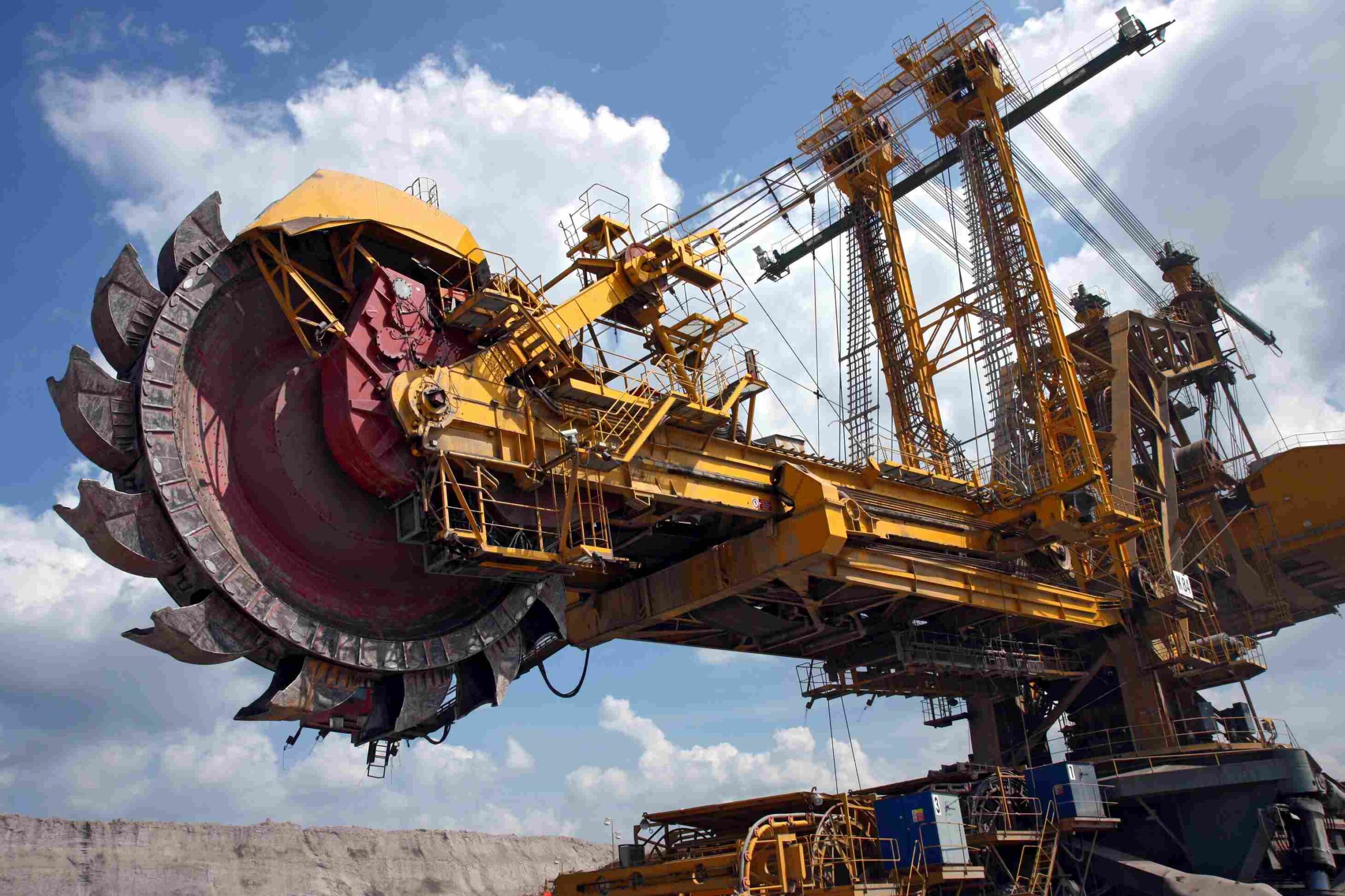
FGH 40 supplies 1 million pulses per rotation for stone recognition at the bucket wheel excavator
The skip-car control mechanism utilised to date included two mechanical, geared cam limit switches that are time consuming to program. Upgrading to meet modern demands required suitable components for measuring actual values that are not only characterized by their high accuracy and functional reliability, but are also easy to program. Hübner Giessen replaced one of the geared cam limit switches with a series FG 4 K incremental encoder and an AMS 4 K type absolute encoder with integrated SSI interface. Home Case Studies FGH 40 supplies 1 million pulses per rotation for stone recognition at the bucket wheel excavator FGH 40 supplies 1 million pulses per rotation for stone recognition at the bucket wheel excavator Home Case Studies Pilger mill in tube rolling mills – hot and cold pipe detection Pilger mill in tube rolling mills – hot and cold pipe detection High-resolution encoder improves safety for excavator personnel Rapid detection of the smallest changes to rotation speed when excavating stone Avoids mechanical damage to the power train Robust design features high resistance to shock and vibration The operator cabin of the bucket wheel excavator is located at the end of the boom. Challenges A seam of lignite can be as deep as 100 m below the surface of the earth. In the majority of cases bucket wheel excavators are used to recover the lignite. The so-called stone excavation masks a high risk. The bucket wheel can become blocked if a tooth of a bucket comes up against a pocket of firmly entrenched stone. The increased load moment can result in the rotation speed of the bucket wheel dropping within a very short period of time. The blockage simultaneously causes the bucket wheel boom to lower. The entire construction of the bucket wheel excavator performs a dipping motion in the opposite direction to the rotary movement of the bucket wheel. This results in a further drop in the rotary speed of the bucket wheel. Personnel could be exposed to a hazardous situation if the tooth of the bucket wheel slips from the stone and causes the bucket wheel boom to swing upwards. The high-resolution encoder FGH 40 detects even the smallest changes of rotation speed very rapidly. Solution The high-resolution incremental encoder FGH 40 is equipped with a pulse disk and optical scanning technology to provide up to 1 million pulses per rotation. Utilising this encoder ensures it is possible to stop the bucket wheel within a rotational movement of less than 2° should the speed of the bucket wheel drop by just 0.5 rpm – before damage can occur to the power train. As is the case with all Hübner devices the FGH 40 is designed for use in heavy duty applications. Suitable for temperatures ranging from -25 °C to +85 °C it is also highly resistant to shock and vibration. Standard degrees of protection to IP66 and IP67 ensure they can be used in both wet and dust-laden environments. Above all, the safety of excavator personnel is significantly improved by the new FGH 40 encoder and the considerably faster reaction time for stone recognition. Products and Accessories Speed feedback for main drives Tether Heavy duty programmable overspeed switch Case Study Number TP3 Challenge The increasing flexibility of production lines requires a high adaptability of sensors. Continually changing object geometries, different temperatures and very high radiation or surrounding temperatures are no rarity. In a pilger mill those rough conditions can be found, among others in the production of seemless steel pipes. The raw steel blocks, each weighing a few tons are heated up first in a round oven at a temperature of 1300 °C. After descaling of the surface, the steel block is prepunched in a hole press with a strength from a converted 2000 t. In the next sloping rolling mill the growing pipe rotates between two rollers that are positioned at an angle to each other. The punching is widened to the size of the mandrel diameter. Previous solution / Competitor product N/A Solution The sensor that was installed at this application is the HMD OKA 2038.38 G with tube OL 19. The signal of the infrared sensors controls the movement of centering device and abutment. The point of view is restricted by the tube and prevents disturbances by steam in the cooling phase. An optimum adaptation to the operating conditions is given due to the adjustable response temperature. The HMD with self-learning response temperature (Auto-Teach function) is suited to continually changing conditions. The compact sensor with a stainless steel housing can withstand surrounding temperatures of up to 75° C. The use of a cooling jacket raises this up to 200° C. Alternatively sensors with fibre optic cables are available which permit an application at ambient temperatures up to 600° C without cooling. Customer Benefits Maintenance-free High temperature stability Recognition of hot objects at big distances Self adjustment with Auto-Teach or step switch for the response temperature Product Part number OKA 2038.38 G Brand Proxitron Accessories Piros swivel stand HM2 Tube OL 19 Pilot light unit (for alignment) DAK 308 + OL 26 Different cable lengths (e.g. 15 m) Customer Testimonial compared to previous solution or competition Case Studies Other Solutions in Hot Rolling Mills Sample case study title lorem ipsum here Short description of the problem solved, maybe include the client name. READ MORE Sample case study title lorem ipsum here Short description of the problem solved, maybe include the client name. READ MORE Sample case study title lorem ipsum here Short description of the problem solved, maybe include the client name. READ MORE View All
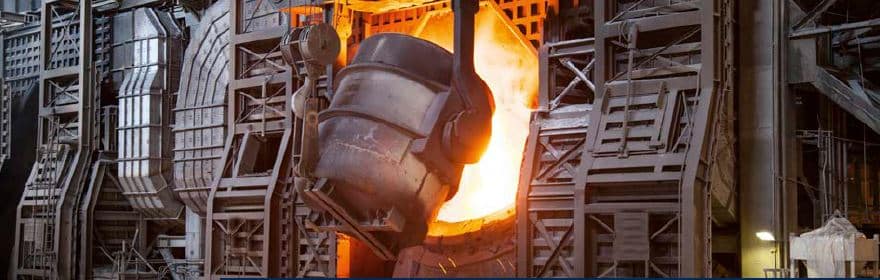
Hoist / Drum: Improved operating reliability and positioning accuracy at the ladle crane
Fundamentally improve the operating reliability and positioning accuracy of the ladle crane hoist used in steel production. Installation of the modular universal encoder system U-ONE, which offers the following special characteristics • Basic unit mounted directly at the hoist drum by using a double joint coupling on a tailor-made base plate construction • Signal transmission via fiber optic cable prevents EMC problems Home Case Studies Hoist /Drum: Improved operating reliability and positioning accuracy at the ladle crane Hoist / Drum: Improved operating reliability and positioning accuracy at the ladle crane Home Case Studies Pilger mill in tube rolling mills – hot and cold pipe detection Pilger mill in tube rolling mills – hot and cold pipe detection Reliable braking when overspeed is detected Precise switching of hoist positions Configure parameters quickly and easily Preset shortens downtimes after rope change Before: Hoist drum with mechanical rotary cam limit switch, but without overspeed detection. Bottom right, the new holding brake. Task Fundamentally improve the operating reliability and positioningaccuracy of the ladle crane hoist used in steel production byimplementing the following measures: • Replacement of the existing mechanical cam limitswitch with an electronic position switch that ensures significantly higher accuracy • Additional implementation of an electronic overspeed switch to realize overspeed detection as well as an emergency break After: Hoist drum with U-ONE basic unit and holding brake. The photo right shows the U-ONE electronic modules in the switchboard Solution Installation of the modular universal encoder system U-ONE, which offers the following special characteristics:• Basic unit mounted directly at the hoist drum by using a double joint coupling on a tailor-made base plate construction• Signal transmission via fiber optic cable prevents EMC problems• The following electronic modules were installed, well-protected in the switchboard: • FOC decoder • Electronic position switch (ERC) with 6 relay outputs and preset input to facilitate plant adjustments • Electronic overspeed switch (EGS) with 2 relay outputs and integrated system check function Products and Accessories Universal Encoder Heavy duty absolute encoder Heavy duty programmable overspeed switch Case Study Number TP3 Challenge The increasing flexibility of production lines requires a high adaptability of sensors. Continually changing object geometries, different temperatures and very high radiation or surrounding temperatures are no rarity. In a pilger mill those rough conditions can be found, among others in the production of seemless steel pipes. The raw steel blocks, each weighing a few tons are heated up first in a round oven at a temperature of 1300 °C. After descaling of the surface, the steel block is prepunched in a hole press with a strength from a converted 2000 t. In the next sloping rolling mill the growing pipe rotates between two rollers that are positioned at an angle to each other. The punching is widened to the size of the mandrel diameter. Previous solution / Competitor product N/A Solution The sensor that was installed at this application is the HMD OKA 2038.38 G with tube OL 19. The signal of the infrared sensors controls the movement of centering device and abutment. The point of view is restricted by the tube and prevents disturbances by steam in the cooling phase. An optimum adaptation to the operating conditions is given due to the adjustable response temperature. The HMD with self-learning response temperature (Auto-Teach function) is suited to continually changing conditions. The compact sensor with a stainless steel housing can withstand surrounding temperatures of up to 75° C. The use of a cooling jacket raises this up to 200° C. Alternatively sensors with fibre optic cables are available which permit an application at ambient temperatures up to 600° C without cooling. Customer Benefits Maintenance-free High temperature stability Recognition of hot objects at big distances Self adjustment with Auto-Teach or step switch for the response temperature Product Part number OKA 2038.38 G Brand Proxitron Accessories Piros swivel stand HM2 Tube OL 19 Pilot light unit (for alignment) DAK 308 + OL 26 Different cable lengths (e.g. 15 m) Customer Testimonial compared to previous solution or competition Case Studies Other Solutions in Mining & Material Handling Sample case study title lorem ipsum here Short description of the problem solved, maybe include the client name. READ MORE Sample case study title lorem ipsum here Short description of the problem solved, maybe include the client name. READ MORE Sample case study title lorem ipsum here Short description of the problem solved, maybe include the client name. READ MORE View All

Hoist / Drum: U-ONE ensures higher positioning accuracy and less maintenance time and costs for the RTG
Fundamentally improve the operating reliability and positioning accuracy of the ladle crane hoist used in steel production. Installation of the modular universal encoder system U-ONE, which offers the following special characteristics • Basic unit mounted directly at the hoist drum by using a double joint coupling on a tailor-made base plate construction • Signal transmission via fiber optic cable prevents EMC problems Home Case Studies Hoist /Drum: Improved operating reliability and positioning accuracy at the ladle crane Hoist / Drum: U-ONE ensures higher positioning accuracy and less maintenance time and costs for the RTG Home Case Studies Pilger mill in tube rolling mills – hot and cold pipe detection Pilger mill in tube rolling mills – hot and cold pipe detection Universal encoder system U-ONE replaces inaccurate mechanical cam limit switches EMC safe signal transmission via fiber optic cable Time-saving preset function to make adjustments after replacing the wire rope Easy to extend with additional speed measurement and monitoring functionality Mechanical cam limit switch for position monitoring at the hoist of a RTG crane. Task PSA EXOLGAN TERMINAL BUENOS AIRESMechanical cam limit switches were installed on the drum sideof the SISU RTG. Resetting these mechanical cam limit switches,for example after replacing the rope, was extremely time-consuming.Moreover, the switching points no longer fulfilled theaccuracy requirements demanded in today’s world. Then therewas the customer’s wish to install overspeed protection on thedrum side as well as the option to acquire speed data. The universal encoder system U-ONE reduces maintenance timestogether with an increase of position accuracy. Solution The U-ONE® universal encoder system fulfils all of the customer’srequirements. It is possible to carry out minor mechanical modificationson-site to ensure installing the basic unit presents nodifficulty. Evaluation electronics in the switchboard provide thedesired switching points, overspeed protection as well as speeddata. And, thanks to the software included in the scope of supply,switching points and operating ranges are user programmable.Signals between the basic unit and the electronics are transmittedEMC safe via fiber optic cable. Products and Accessories Universal Encoder Heavy duty absolute encoder Heavy duty programmable overspeed switch Case Study Number TP3 Challenge The increasing flexibility of production lines requires a high adaptability of sensors. Continually changing object geometries, different temperatures and very high radiation or surrounding temperatures are no rarity. In a pilger mill those rough conditions can be found, among others in the production of seemless steel pipes. The raw steel blocks, each weighing a few tons are heated up first in a round oven at a temperature of 1300 °C. After descaling of the surface, the steel block is prepunched in a hole press with a strength from a converted 2000 t. In the next sloping rolling mill the growing pipe rotates between two rollers that are positioned at an angle to each other. The punching is widened to the size of the mandrel diameter. Previous solution / Competitor product N/A Solution The sensor that was installed at this application is the HMD OKA 2038.38 G with tube OL 19. The signal of the infrared sensors controls the movement of centering device and abutment. The point of view is restricted by the tube and prevents disturbances by steam in the cooling phase. An optimum adaptation to the operating conditions is given due to the adjustable response temperature. The HMD with self-learning response temperature (Auto-Teach function) is suited to continually changing conditions. The compact sensor with a stainless steel housing can withstand surrounding temperatures of up to 75° C. The use of a cooling jacket raises this up to 200° C. Alternatively sensors with fibre optic cables are available which permit an application at ambient temperatures up to 600° C without cooling. Customer Benefits Maintenance-free High temperature stability Recognition of hot objects at big distances Self adjustment with Auto-Teach or step switch for the response temperature Product Part number OKA 2038.38 G Brand Proxitron Accessories Piros swivel stand HM2 Tube OL 19 Pilot light unit (for alignment) DAK 308 + OL 26 Different cable lengths (e.g. 15 m) Customer Testimonial compared to previous solution or competition Case Studies Other Solutions in Mining & Material Handling Sample case study title lorem ipsum here Short description of the problem solved, maybe include the client name. READ MORE Sample case study title lorem ipsum here Short description of the problem solved, maybe include the client name. READ MORE Sample case study title lorem ipsum here Short description of the problem solved, maybe include the client name. READ MORE View All
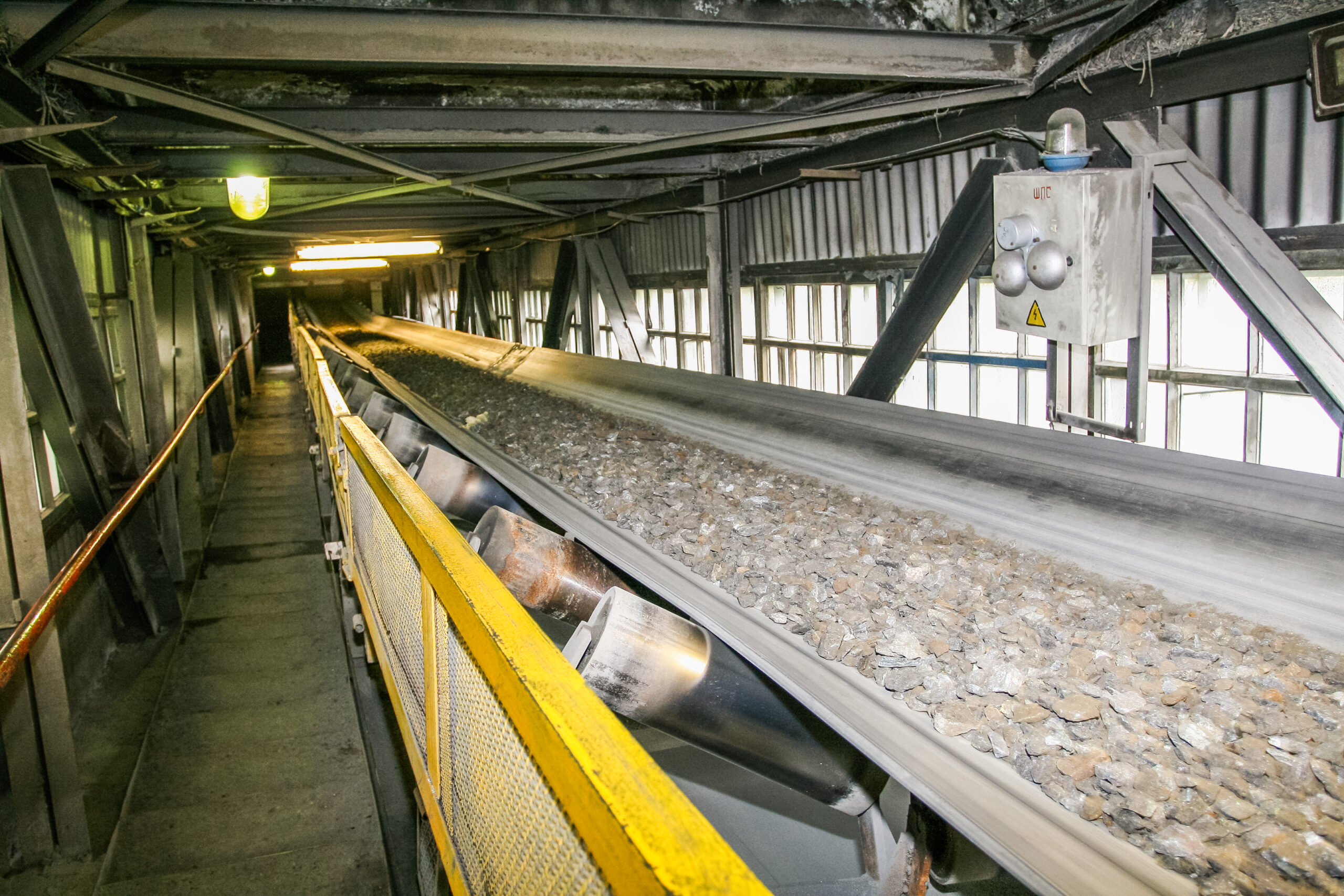
Incremental heavy-duty encoders defy the most adverse conditions in mining operations to ensure reliable speed control
Home Case Studies Incremental heavy-duty encoders defy the most adverse conditions in mining operations to ensure reliable speed control The skip-car control mechanism utilised to date included two mechanical, geared cam limit switches that are time consuming to program. Upgrading to meet modern demands required suitable components for measuring actual values that are not only characterized by their high accuracy and functional reliability, but are also easy to program. Hübner Giessen replaced one of the geared cam limit switches with a series FG 4 K incremental encoder and an AMS 4 K type absolute encoder with integrated SSI interface. Incremental heavy-duty encoders defy the most adverse conditions in mining operations to ensure reliable speed control Home Case Studies Pilger mill in tube rolling mills – hot and cold pipe detection Pilger mill in tube rolling mills – hot and cold pipe detection Direct hollow shaft attachment to the motor shaft Optimum compensation for oscillation and shock loads Insulated attachment with hybrid bearings and customized torque bracket Effectively avoid destructive shaft currents Conveyor drive station in open cast mining. Challenges Conveyor belt components in particular must be able to permanently withstand the powerful effects of oscillation and vibration. These not only result from the length of the conveyor system or the material being transported. Other causes can be traced back to the design of the drive station, the drive solutions, transfer points, the condition of the belts and similar reasons. The inverter-controlled drives can cause shaft currents that place a heavy strain on the bearings of the encoder system and even destroy them over time. Then there are external factors such as dust, dirt and moisture as well as extreme temperature fluctuations depending on the time of day, and extreme cold or heat depending on the region where the conveyor system is installed. Incremental encoder FGHJ 5 with special hybrid bearings in a heavy duty housing. Solution To ensure optimum compensation for the extreme oscillation and vibration loads we recommended fitting hollow-shaft encoders in conjunction with torque brackets. The heavy duty encoder FGHJ 5 has hybrid bearings; when fitted in combination with the insulated torque bracket and, if required, an insulated adapter shaft they can effectively prevent the negative influence of shaft currents on the service life of the encoders. In line with requirements it is possible to augment the incremental encoders with an overspeed switch integrated in the second terminal box to guarantee additional protection against overspeeds and underspeeds and safeguard special safety-related functions. Products and Accessories Speed feedback for main drives Tether Heavy duty programmable overspeed switch Case Study Number TP3 Challenge The increasing flexibility of production lines requires a high adaptability of sensors. Continually changing object geometries, different temperatures and very high radiation or surrounding temperatures are no rarity. In a pilger mill those rough conditions can be found, among others in the production of seemless steel pipes. The raw steel blocks, each weighing a few tons are heated up first in a round oven at a temperature of 1300 °C. After descaling of the surface, the steel block is prepunched in a hole press with a strength from a converted 2000 t. In the next sloping rolling mill the growing pipe rotates between two rollers that are positioned at an angle to each other. The punching is widened to the size of the mandrel diameter. Previous solution / Competitor product N/A Solution The sensor that was installed at this application is the HMD OKA 2038.38 G with tube OL 19. The signal of the infrared sensors controls the movement of centering device and abutment. The point of view is restricted by the tube and prevents disturbances by steam in the cooling phase. An optimum adaptation to the operating conditions is given due to the adjustable response temperature. The HMD with self-learning response temperature (Auto-Teach function) is suited to continually changing conditions. The compact sensor with a stainless steel housing can withstand surrounding temperatures of up to 75° C. The use of a cooling jacket raises this up to 200° C. Alternatively sensors with fibre optic cables are available which permit an application at ambient temperatures up to 600° C without cooling. Customer Benefits Maintenance-free High temperature stability Recognition of hot objects at big distances Self adjustment with Auto-Teach or step switch for the response temperature Product Part number OKA 2038.38 G Brand Proxitron Accessories Piros swivel stand HM2 Tube OL 19 Pilot light unit (for alignment) DAK 308 + OL 26 Different cable lengths (e.g. 15 m) Customer Testimonial compared to previous solution or competition Case Studies Other Solutions in Hot Rolling Mills Sample case study title lorem ipsum here Short description of the problem solved, maybe include the client name. READ MORE Sample case study title lorem ipsum here Short description of the problem solved, maybe include the client name. READ MORE Sample case study title lorem ipsum here Short description of the problem solved, maybe include the client name. READ MORE View All
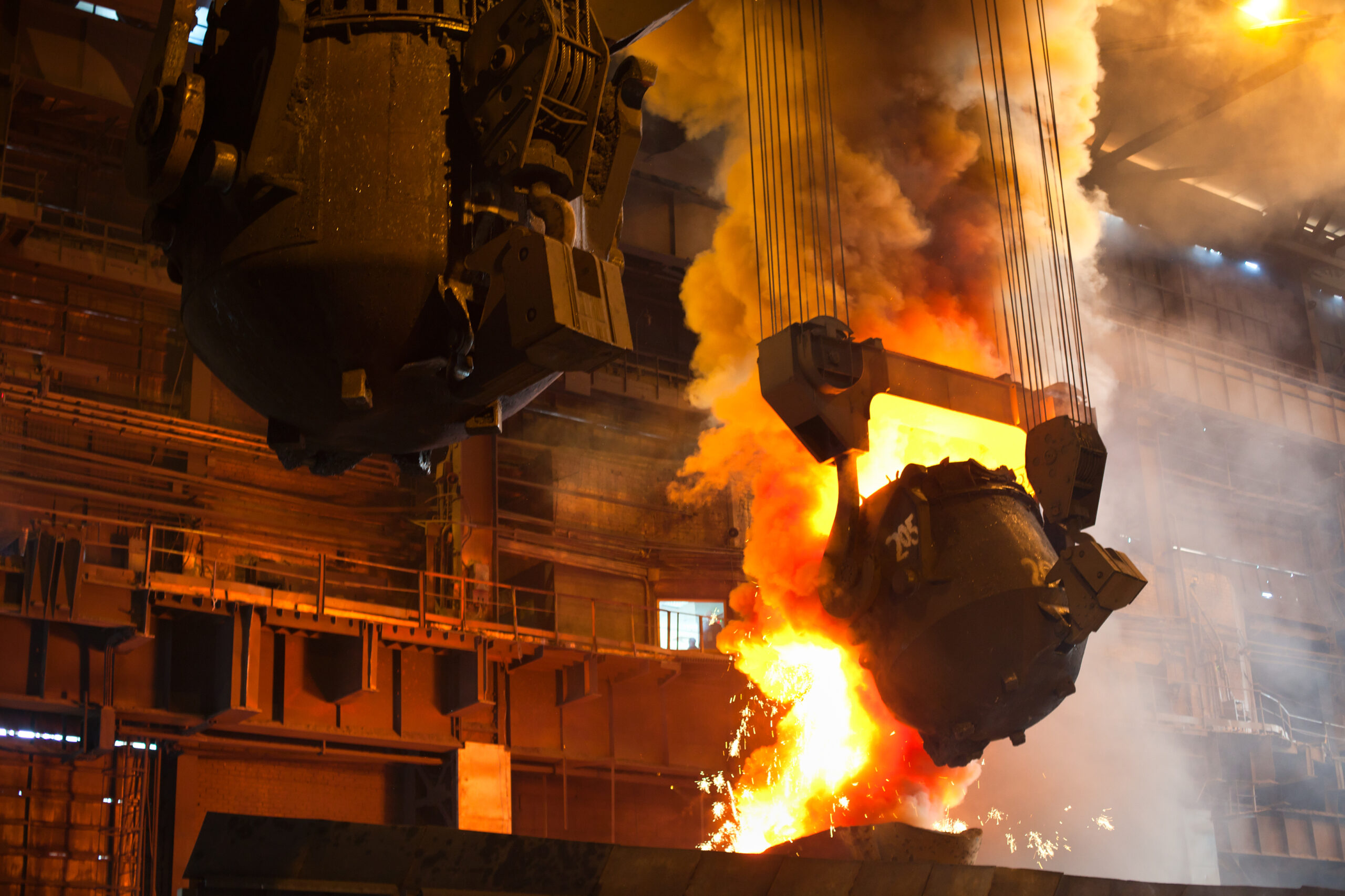
MAG with large split pulse wheel for improved control accuracy
The skip-car control mechanism utilised to date included two mechanical, geared cam limit switches that are time consuming to program. Upgrading to meet modern demands required suitable components for measuring actual values that are not only characterized by their high accuracy and functional reliability, but are also easy to program. Hübner Giessen replaced one of the geared cam limit switches with a series FG 4 K incremental encoder and an AMS 4 K type absolute encoder with integrated SSI interface. Home Case Studies MAG with large split pulse wheel for improved control accuracy MAG with large split pulse wheel for improved control accuracy Home Case Studies Pilger mill in tube rolling mills – hot and cold pipe detection Pilger mill in tube rolling mills – hot and cold pipe detection Custom-made attachment solution with pulse wheel diameter of 1300 mm Easy retrofit solution thanks to split pulse wheel and adapter ring Significantly higher resolution in comparison with original tooth wheel scanning solution Optimized sensor systems compensate eccentricity to ensure the drive pulley runs true Before: The resolution of the existing inductive tooth wheel scanning solution is no longer sufficient for high-precision speed control. Challenges The objective is to improve the accuracy of the closed-loop speed control system on a Koepe winder with an integrated motor. The resolution of the existing inductive tooth wheel scanning solution no longer meets customer requirements, so that a new sensor system is needed. The Koepe principle utilizing an integrated motor sees a drive pulley rotate around a fixed axle. Consequently, the magnetic scale of the speed measuring sensor cannot be attached to a rotating shaft. The task was made even more difficult by the fact that the drive pulley runs out of true (eccentricity) by several millimetres, which is something the measuring system must compensate. After: The tailor-made magnetic encoder system MAG 1300 provides 2460 square pulses per revolution. Solution An encoder system was developed to meet the exact requirements of the application. This consists of a pulse wheel with a diameter of 1300 mm and a magnetic scale. The pulse wheel has a split design consisting of two halves to considerably simplify installation. Both pulse wheel halves are precisely bolted to an equally split adapter ring fastened to the drive pulley. The sensor system is well-protected in a scanning head, which is fastened to a fixed part of the Koepe winder with a special bracket. Optimized at the maximum gap between the pulse wheel and scanning head the measuring system supplies 2460 square wave pulses per revolution. Products and Accessories Magnetic Encoder Heavy duty absolute encoder Heavy duty programmable overspeed switch Case Study Number TP3 Challenge The increasing flexibility of production lines requires a high adaptability of sensors. Continually changing object geometries, different temperatures and very high radiation or surrounding temperatures are no rarity. In a pilger mill those rough conditions can be found, among others in the production of seemless steel pipes. The raw steel blocks, each weighing a few tons are heated up first in a round oven at a temperature of 1300 °C. After descaling of the surface, the steel block is prepunched in a hole press with a strength from a converted 2000 t. In the next sloping rolling mill the growing pipe rotates between two rollers that are positioned at an angle to each other. The punching is widened to the size of the mandrel diameter. Previous solution / Competitor product N/A Solution The sensor that was installed at this application is the HMD OKA 2038.38 G with tube OL 19. The signal of the infrared sensors controls the movement of centering device and abutment. The point of view is restricted by the tube and prevents disturbances by steam in the cooling phase. An optimum adaptation to the operating conditions is given due to the adjustable response temperature. The HMD with self-learning response temperature (Auto-Teach function) is suited to continually changing conditions. The compact sensor with a stainless steel housing can withstand surrounding temperatures of up to 75° C. The use of a cooling jacket raises this up to 200° C. Alternatively sensors with fibre optic cables are available which permit an application at ambient temperatures up to 600° C without cooling. Customer Benefits Maintenance-free High temperature stability Recognition of hot objects at big distances Self adjustment with Auto-Teach or step switch for the response temperature Product Part number OKA 2038.38 G Brand Proxitron Accessories Piros swivel stand HM2 Tube OL 19 Pilot light unit (for alignment) DAK 308 + OL 26 Different cable lengths (e.g. 15 m) Customer Testimonial compared to previous solution or competition Case Studies Other Solutions in Hot Rolling Mills Sample case study title lorem ipsum here Short description of the problem solved, maybe include the client name. READ MORE Sample case study title lorem ipsum here Short description of the problem solved, maybe include the client name. READ MORE Sample case study title lorem ipsum here Short description of the problem solved, maybe include the client name. READ MORE View All

AMPN 41 provides safe position monitoring at slewing gear of a bucket wheel excavator
Electronic position switch ERC 40 enclosed in robust housing for use in extreme ambient conditions. The new solution offers customers the following benefits: Higher switching accuracy when approaching end position limits, Less downtimes, User-friendly calibration via preset input, Save and import parameter data sets, Time-saving safety check (switch test function), Additional real-time position data (4 – 20 mA output), Reduced type variety and costs for backup devices, Integrated status monitoring (temperature, speed, voltage, system limits and so on) with active signal output for time-saving identification in the event of a fault condition Home Case Studies AMPN 41 provides safe position monitoring at slewing gear of a bucket wheel excavator AMPN 41 provides safe position monitoring at slewing gear of a bucket wheel excavator Home Case Studies Pilger mill in tube rolling mills – hot and cold pipe detection Pilger mill in tube rolling mills – hot and cold pipe detection Highly precise replacement solution for inaccurate mechanical cam limit switches PROFIsafe via PROFINET for direct connection to the safety PLC Certified safety ensures uncomplicated acceptance test High levels of availability even in mining operations subject to extreme environmental conditions Before: Frame construction for the slewing gear between the superstructure and substructure of the excavator with several mechanical cam limit switches for position monitoring. Challenges It is planned to equip a bucket wheel excavator with the latest automation and safety technologies as part of a complete modernisation project. To achieve the required safety categories identified by a risk assessment, safe position values are required for both slewing gear mechanisms between the superstructure and substructure of the excavator as well as between the discharging boom and the substructure of the excavator. By contrast standard position values are sufficient to determine the position of the crawler tracks. After: The safety certified absolute encoder AMPN 41 provides safe position actual values to the safety plc. The Hübner Giessen solution Equipped with a safe PROFINET interface that uses the PROFIsafe protocol the AMPN 41 multiturn absolute encoders to be installed at the slewing gear mechanisms are certified for applications up to Safety Integrity Level (SIL) CL3 to EN 61508 and PL e to EN ISO13849. That saves the user having to provide separate verification of the functional safety of the position sensors. Absolute encoders AMP 40 equipped with a standard PROFIBUS interface will be installed at the crawler tracks. Robust, form-locked process coupling and the dedicated constructional design of the encoders for use in mining operations subject to extreme environmental conditions ensure position data is reliably made available at the safety level required for the respective application. Products and Accessories Electronic position switch Coupling Heavy duty programmable overspeed switch Case Study Number TP3 Challenge The increasing flexibility of production lines requires a high adaptability of sensors. Continually changing object geometries, different temperatures and very high radiation or surrounding temperatures are no rarity. In a pilger mill those rough conditions can be found, among others in the production of seemless steel pipes. The raw steel blocks, each weighing a few tons are heated up first in a round oven at a temperature of 1300 °C. After descaling of the surface, the steel block is prepunched in a hole press with a strength from a converted 2000 t. In the next sloping rolling mill the growing pipe rotates between two rollers that are positioned at an angle to each other. The punching is widened to the size of the mandrel diameter. Previous solution / Competitor product N/A Solution The sensor that was installed at this application is the HMD OKA 2038.38 G with tube OL 19. The signal of the infrared sensors controls the movement of centering device and abutment. The point of view is restricted by the tube and prevents disturbances by steam in the cooling phase. An optimum adaptation to the operating conditions is given due to the adjustable response temperature. The HMD with self-learning response temperature (Auto-Teach function) is suited to continually changing conditions. The compact sensor with a stainless steel housing can withstand surrounding temperatures of up to 75° C. The use of a cooling jacket raises this up to 200° C. Alternatively sensors with fibre optic cables are available which permit an application at ambient temperatures up to 600° C without cooling. Customer Benefits Maintenance-free High temperature stability Recognition of hot objects at big distances Self adjustment with Auto-Teach or step switch for the response temperature Product Part number OKA 2038.38 G Brand Proxitron Accessories Piros swivel stand HM2 Tube OL 19 Pilot light unit (for alignment) DAK 308 + OL 26 Different cable lengths (e.g. 15 m) Customer Testimonial compared to previous solution or competition Case Studies Other Solutions in Mining & Material Handling Sample case study title lorem ipsum here Short description of the problem solved, maybe include the client name. READ MORE Sample case study title lorem ipsum here Short description of the problem solved, maybe include the client name. READ MORE Sample case study title lorem ipsum here Short description of the problem solved, maybe include the client name. READ MORE View All
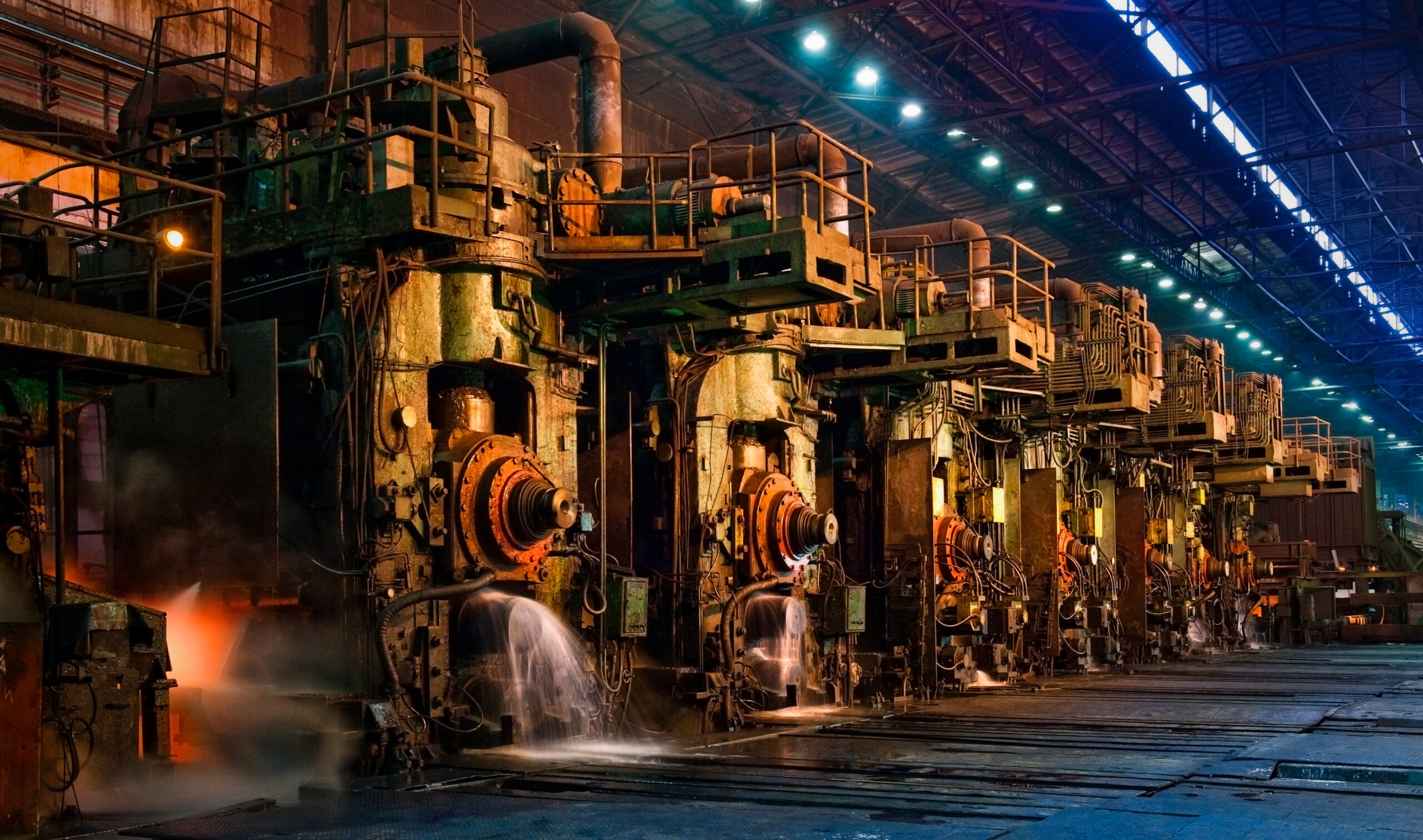
Special looper encoders withstand the most extreme operating conditions in hot roll stands
Compact IR thermal imaging camera was installed to provide a temperature map of the bottom shell. The cameral scans the full bottom of the shell giving options to define multiple areas /ROI to get 4-20mA output. Software automatically finds hot spots enable timely preventative maintenance. Home Case Studies Special looper encoders withstand the most extreme operating conditions in hot roll stands Special looper encoders withstand the most extreme operating conditions in hot roll stands Home Case Studies Pilger mill in tube rolling mills – hot and cold pipe detection Pilger mill in tube rolling mills – hot and cold pipe detection Subject to high loads from shock, temperature and cooling emulsions Heavy-duty ball bearings with special lubrication Increased lifetime Reduced downtime Loopers in hot rolling mills are working under extremely rough conditions. Challenges Loopers are normally used to control the tension of the metal strip between roll stands. The rotational angle of the looper is measured by a feedback encoder that is exposed to special demands. The setting angle up to only about 45° results in a partial load on the encoder bearings in conjunction with insufficient bearing lubrication. The encoder is subject to high levels of shock and temperature loads as well as oil / cooling emulsions / water at the place of installation. Formerly used standard encoders have not reached the required lifetime. Looper encoder with heavy-duty ball bearings and special lubrication for long lifetime. Solution For this application Johannes Hübner Giessen developed a special looper encoder, which boasts a considerably longer lifetime thanks to especially designed-in features. These contain oversized bearings with the dynamic load rating increased by 40 % as well as a special radial shaft sealing ring with an additional protective lip. To guarantee the best signal quality the bearings are not primarily designed for high speeds, but rather for high shock loads up to 450 g. The min. degree of protection is IP66 / IP67 with an operating temperature up to 100 °C. Products and Accessories Looper Encoder Coupling Connector Case Study Number TP3 Challenge The increasing flexibility of production lines requires a high adaptability of sensors. Continually changing object geometries, different temperatures and very high radiation or surrounding temperatures are no rarity. In a pilger mill those rough conditions can be found, among others in the production of seemless steel pipes. The raw steel blocks, each weighing a few tons are heated up first in a round oven at a temperature of 1300 °C. After descaling of the surface, the steel block is prepunched in a hole press with a strength from a converted 2000 t. In the next sloping rolling mill the growing pipe rotates between two rollers that are positioned at an angle to each other. The punching is widened to the size of the mandrel diameter. Previous solution / Competitor product N/A Solution The sensor that was installed at this application is the HMD OKA 2038.38 G with tube OL 19. The signal of the infrared sensors controls the movement of centering device and abutment. The point of view is restricted by the tube and prevents disturbances by steam in the cooling phase. An optimum adaptation to the operating conditions is given due to the adjustable response temperature. The HMD with self-learning response temperature (Auto-Teach function) is suited to continually changing conditions. The compact sensor with a stainless steel housing can withstand surrounding temperatures of up to 75° C. The use of a cooling jacket raises this up to 200° C. Alternatively sensors with fibre optic cables are available which permit an application at ambient temperatures up to 600° C without cooling. Customer Benefits Maintenance-free High temperature stability Recognition of hot objects at big distances Self adjustment with Auto-Teach or step switch for the response temperature Product Part number OKA 2038.38 G Brand Proxitron Accessories Piros swivel stand HM2 Tube OL 19 Pilot light unit (for alignment) DAK 308 + OL 26 Different cable lengths (e.g. 15 m) Customer Testimonial compared to previous solution or competition Case Studies Other applications in Steel Making Sample case study title lorem ipsum here Short description of the problem solved, maybe include the client name. READ MORE Sample case study title lorem ipsum here Short description of the problem solved, maybe include the client name. READ MORE Sample case study title lorem ipsum here Short description of the problem solved, maybe include the client name. READ MORE View All
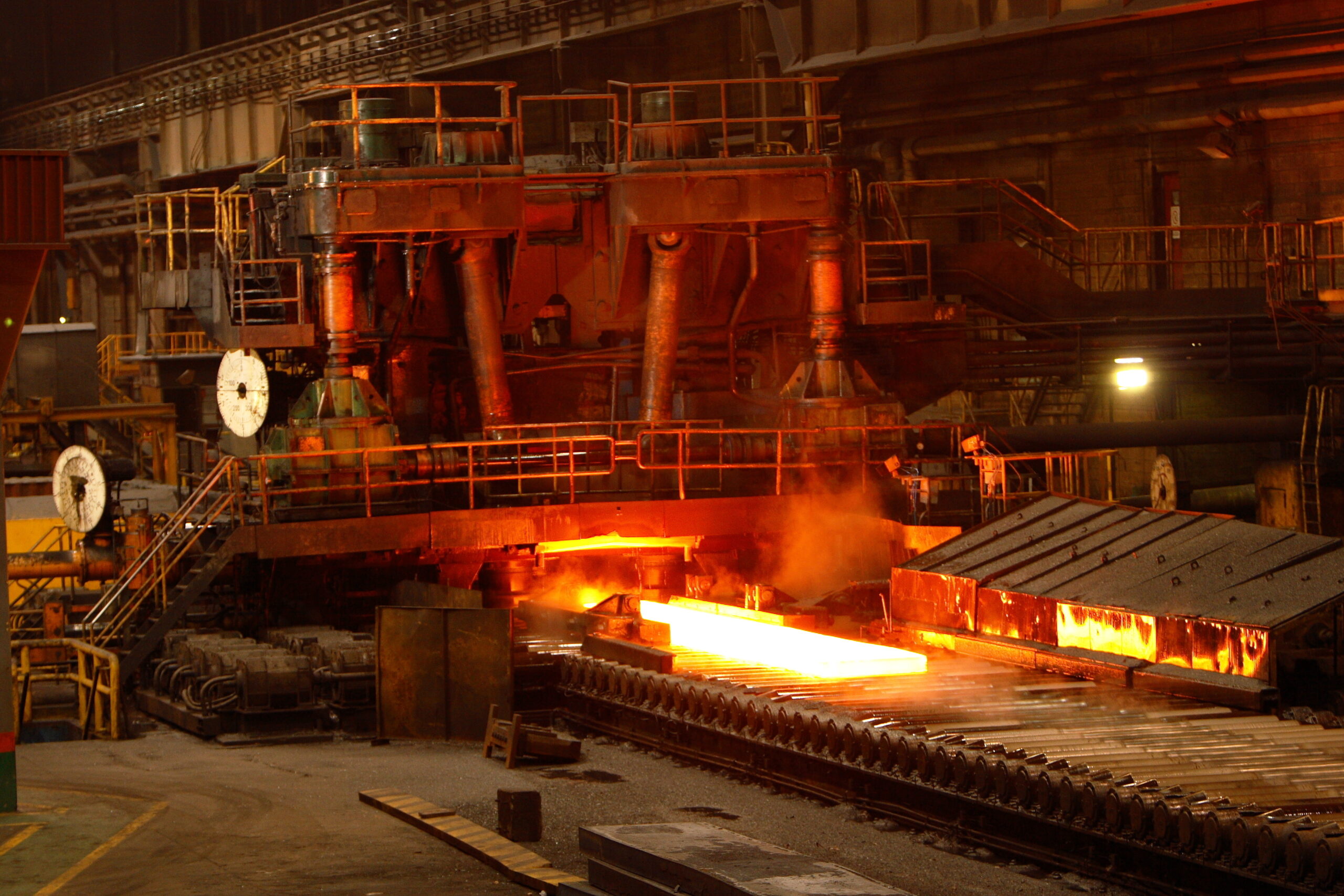
Higher control accuracy in hot rolling mill due to direct encoder attachment
Home Case Studies Higher control accuracy in hot rolling mill due to direct encoder attachment The blast furnace skip hoist is protected against overspeed on the motor side by a mechanical overspeed switch with integrated speed increasing gear. The universal encoder system U-ONE® is to replace the outdated sensor systems on both the motor and drum sides. Thanks to its modular design it is possible to adapt the system to meet all of the customer requirements. Direct attachment of the basic unit eliminates mechanical inaccuracies resulting from gearbox backlash and supports improved control response. Higher control accuracy in hot rolling mill due to direct encoder attachment Home Case Studies Pilger mill in tube rolling mills – hot and cold pipe detection Pilger mill in tube rolling mills – hot and cold pipe detection No mechanical play because solution requires no transfer gearbox or additional couplings Directly attachable compact U-ONE basic unit EMI safe signal transmission via fiber optic cable Improved material quality due to higher control accuracy Before: The assembly of encoder and mechanical cam limit switches with transfer gearbox and additional couplings produces control inaccuracies cause of mechanical play. Challenges Side guides are used to centre the metal strips upstream of the roll stands. In some cases, mechanical cam limit switches and / or absolute encoders are still used for position detection and control. Attachment to the available shaft end of the drive is a widespread solution. To improve control accuracy and, as a consequence, the quality of the material the customer desires a directly mounted, compact solution without a downstream transfer gearbox (gear backlash). The same demands apply to adjusting the screw downs for thickness control. Modular U-ONE-System with directly attachable basic unit creates greater control accuracy. Solution The advantage of the modular U-ONE® system from Johannes Hübner Giessen is that just the universal basic device is mounted to the side-guide, while the functional modules are housed externally in the switchboard. A fiber optic cable is used to achieve the EMI safe connection, a solution that offers considerable savings with regard to cabling time and costs. The system is programmed via a central USB interface. The system is easily extended with the series (side-by-side) plug-in function modules in conjunction with the low-cost of spare parts. Products and Accessories Universal Encoder Case Study Number TP3 Challenge The increasing flexibility of production lines requires a high adaptability of sensors. Continually changing object geometries, different temperatures and very high radiation or surrounding temperatures are no rarity. In a pilger mill those rough conditions can be found, among others in the production of seemless steel pipes. The raw steel blocks, each weighing a few tons are heated up first in a round oven at a temperature of 1300 °C. After descaling of the surface, the steel block is prepunched in a hole press with a strength from a converted 2000 t. In the next sloping rolling mill the growing pipe rotates between two rollers that are positioned at an angle to each other. The punching is widened to the size of the mandrel diameter. Previous solution / Competitor product N/A Solution The sensor that was installed at this application is the HMD OKA 2038.38 G with tube OL 19. The signal of the infrared sensors controls the movement of centering device and abutment. The point of view is restricted by the tube and prevents disturbances by steam in the cooling phase. An optimum adaptation to the operating conditions is given due to the adjustable response temperature. The HMD with self-learning response temperature (Auto-Teach function) is suited to continually changing conditions. The compact sensor with a stainless steel housing can withstand surrounding temperatures of up to 75° C. The use of a cooling jacket raises this up to 200° C. Alternatively sensors with fibre optic cables are available which permit an application at ambient temperatures up to 600° C without cooling. Customer Benefits Maintenance-free High temperature stability Recognition of hot objects at big distances Self adjustment with Auto-Teach or step switch for the response temperature Product Part number OKA 2038.38 G Brand Proxitron Accessories Piros swivel stand HM2 Tube OL 19 Pilot light unit (for alignment) DAK 308 + OL 26 Different cable lengths (e.g. 15 m) Customer Testimonial compared to previous solution or competition Case Studies Other Solutions in Hot Rolling Mills Sample case study title lorem ipsum here Short description of the problem solved, maybe include the client name. READ MORE Sample case study title lorem ipsum here Short description of the problem solved, maybe include the client name. READ MORE Sample case study title lorem ipsum here Short description of the problem solved, maybe include the client name. READ MORE View All