
Found 139 Results
Page 3 of 14
Page 3 of 14
Page 3 of 14
442 Ultra Precise Molten Metal level sensing using Radar Technology
Ultra Precise Molten Metal level sensing using Radar Technology even with smoke, heat, dust & vibrations. Radar Sensor Challenges Extreme heat (≈1600°C) –> early sensor failure. Harsh ambient conditions –> inaccurate level monitoring Cooling-dependent systems –> high maintenance & downtime. Solution Heavy-duty radar sensor operates reliably in extreme heat without active cooling. Delivers high-precision level measurement (300 µm at 300 Hz) with minimal maintenance needs. Key USP’s Micrometer precision Real-time measuring rate Profinet interface Very narrow opening angle Wide measuring range Attractive & practical UI Molten steel or aluminium level measurement in the crucible with radar sensors – schematic representation. Suggested Products Radar Sensor Related Case Studies Slab Detection on Transfer Table Uninterrupted sensor performance on hot / cold slab in high ambient temperature upto 290°C at charging transfer table without any water cooling. Width Confirmation / Camber Detection Precise laser distance sensor with 0.5mm accuracy working on both hot (upto 1300°C) and cold (black with scale) surface rated for high ambient temperature 60°C. Air/ water cooling options available. Temperature-Sensitive Slab Width Measurement: The Role of IR Cameras in Accurate Data Collection Combined software and IR camera data to provide temperature-compensated width measurements. Both width and temperature can be measured simultaneously Get In Touch 9818400356 enquiry@manglamelectricals.com Tower C, 12, Yamuna Marg, Civil Lines, Delhi – 110054 Get In Touch Mobile Number Email Message/Requirements (optional) Page URL Company Name Thank You …

March 26, 2026
409 Overcoming Temperature Overshooting in Tapping with Advanced Temperature Monitoring Solution
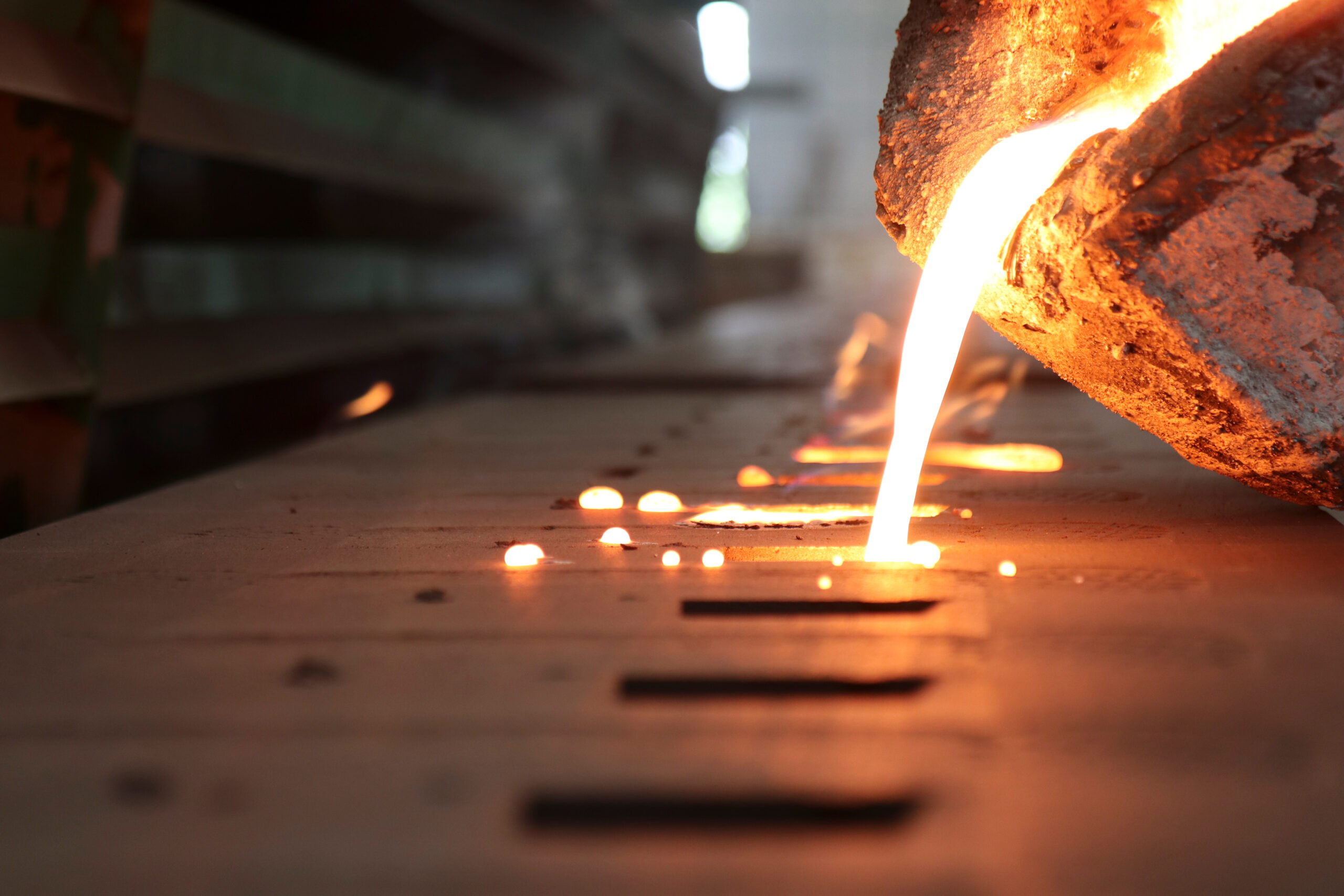
Overcoming Temperature Overshooting in Tapping with Advanced Temperature Monitoring Solution Pyrometer – CT Laser Challenges Precise, real-time, non-contact temperature measurements. Ensured optimal pouring conditions Reduces the power loss Improving process consistency and reducing waste Solution Precise, real-time, non-contact temperature measurements. Ensured optimal pouring conditions Reduces the power loss Improving process consistency and reducing waste Specifications Wide temperature range: 1000 °C to 2000 °C Spectral range: 0.525 µm Analog output: 0-20 mA/4-20 mA/0-5 V/0-10 V/t/c (K/J) Suggested Products Pyrometer-CT Laser Related case Studies Slab Detection on Transfer Table Uninterrupted sensor performance on hot / cold slab in high ambient temperature upto 290°C at charging transfer table without any water cooling. Width Confirmation / Camber Detection Precise laser distance sensor with 0.5mm accuracy working on both hot (upto 1300°C) and cold (black with scale) surface rated for high ambient temperature 60°C. Air/ water cooling options available. Temperature-Sensitive Slab Width Measurement: The Role of IR Cameras in Accurate Data Collection Combined software and IR camera data to provide temperature-compensated width measurements. Both width and temperature can be measured simultaneously Get In Touch 9818400356 enquiry@manglamelectricals.com Tower C, 12, Yamuna Marg, Civil Lines, Delhi – 110054 Get In Touch Mobile Number Email Message/Requirements (optional) Page URL Company Name Thank You …
Tags: Foundry
447 Precision Off-line Bar Counting On Conveyor Lines Made Easy with Computo EVO- An Artificial Vision System
Precision Off-line Bar Counting On Conveyor Lines Made Easy with Computo EVO- An Artificial Vision System Bundle Profile Counting System About Computo EVO The radar system is based on an artificial vision system which integrates custom built led lighting system for optimal bars identification. Computo system is easily installed and requires no modification of the mill arrangement in most cases. Integration with plant automation is easy and could be made by Ethernet communication of Profibus DP too. HOW COMPUTO WORKS OFF-LINE Computo system can count the number of bars in bundles by taking pictures of the ends of the bars in the bundle Key USP’s Micrometer precision Real-time measuring rate Profinet interface Very narrow opening angle Wide measuring range Attractive & practical UI Computo Bundle HMI Computo Bundle Suggested Products Computo Evo – Counting Solution Related Case Studies Slab Detection on Transfer Table Uninterrupted sensor performance on hot / cold slab in high ambient temperature upto 290°C at charging transfer table without any water cooling. Width Confirmation / Camber Detection Precise laser distance sensor with 0.5mm accuracy working on both hot (upto 1300°C) and cold (black with scale) surface rated for high ambient temperature 60°C. Air/ water cooling options available. Temperature-Sensitive Slab Width Measurement: The Role of IR Cameras in Accurate Data Collection Combined software and IR camera data to provide temperature-compensated width measurements. Both width and temperature can be measured simultaneously Get In Touch 9818400356 enquiry@manglamelectricals.com Tower C, 12, Yamuna Marg, Civil Lines, Delhi – 110054 Get In Touch Mobile Number Email Message/Requirements (optional) Page URL Company Name Thank You …
Tags: Rolling Mill
391 Smart Sensing for Non-Linear Motion in Side Arm Chargers
Smart Sensing for Non-Linear Motion in Side Arm Chargers Tilt Angle Transmitter/ Inclination Sensor Challenges Misalignment in a lever arm mechanism caused LVDT signal errors. Unprotected LVDTs also corroded and jammed in harsh condition. Solution Sensor deflected via oil-dampened pendulum, no extra alignment needed IP66 protection; vibration-resistant up to 4g (0–100 Hz) Easy programming via membrane keypad Specifications Angle of inclination → -175⁰ … 0⁰ … +175⁰ Angle accuracy → ±0.2⁰ Supply → 18-36V DC Output → 4-20mA Housing → Aluminium Suggested Products Tilt Angle Transmitter/ Inclination Sensor Related Case Studies Slab Detection on Transfer Table Uninterrupted sensor performance on hot / cold slab in high ambient temperature upto 290°C at charging transfer table without any water cooling. Width Confirmation / Camber Detection Precise laser distance sensor with 0.5mm accuracy working on both hot (upto 1300°C) and cold (black with scale) surface rated for high ambient temperature 60°C. Air/ water cooling options available. Temperature-Sensitive Slab Width Measurement: The Role of IR Cameras in Accurate Data Collection Combined software and IR camera data to provide temperature-compensated width measurements. Both width and temperature can be measured simultaneously Get In Touch 9818400356 enquiry@manglamelectricals.com Tower C, 12, Yamuna Marg, Civil Lines, Delhi – 110054 Get In Touch Mobile Number Email Message/Requirements (optional) Page URL Company Name Thank You …
32 Roll Change Detection: High temperature proximity for wet areas with heat radiation
Roll Change Detection: High Temperature Proximity for Wet Areas with Heat Radiation Proximity Sensor Challenges Delays/interruptions in roll change as the feedback from proximity was not reliable Detection in harsh operating environment continuous water from spray headers; high ambient heat from the strips. Cable damage due to flying chips / scale PVC cable crackling from temp. cycling Solution Improvised field proven proximity used by SMS-Siemag | Primetals High temperature electronics PBT housing designed to reduce impact of temperature cycling Silicone cable withstand 180°C Reduce damage from mechanical play by higher sensing 15|20|25mm Integrated cable protection Higher IP rating Cable Protection System SA: Basic mechanical and intermittent radiant heat protection (1000C) AF: For high mechanical loads and impacts, radiant heat protection (1450C) and protection against emulsion / aggressive fluids (Teflon coating externally) ML: For EMF shielding, high mechanical loads and impacts with stainless braiding on outside and galvanized core inside (3000C) HT: For high temperature protection (2600C/8000C) with molten splashes Best Solution for Roll Change Proximity Under Most Aggressive Environment Reduction in roll change time to maximize production/ equipment availability High ambient temperature electronics (1000C and 1200C) Cable protection system to protect from flying scales, sparks PBT housing material prevent corrosion of the housing easy to replace during shutdown Integrated Cable Conduit System Withstanding Continuous Water Spray/ Steam. IP67/68/69 K Protection Withstand High Radiant Heat Suggested Products Proximity Sensor Related case Studies Slab Detection on Transfer Table Uninterrupted sensor performance on hot / cold slab in high ambient temperature upto 290°C at charging transfer table without any water cooling. Width Confirmation / Camber Detection Precise laser distance sensor with 0.5mm accuracy working on both hot (upto 1300°C) and cold (black with scale) surface rated for high ambient temperature 60°C. Air/ water cooling options available. Temperature-Sensitive Slab Width Measurement: The Role of IR Cameras in Accurate Data Collection Combined software and IR camera data to provide temperature-compensated width measurements. Both width and temperature can be measured simultaneously Get In Touch 9818400356 enquiry@manglamelectricals.com Tower C, 12, Yamuna Marg, Civil Lines, Delhi – 110054 Get In Touch Mobile Number Email Message/Requirements (optional) Page URL Company Name Thank You …
Uncategorized
Tags: Roughing Mills
March 25, 2026
414 One Switch. Four Solutions. Precision Positioning Across Every Crane Motion.
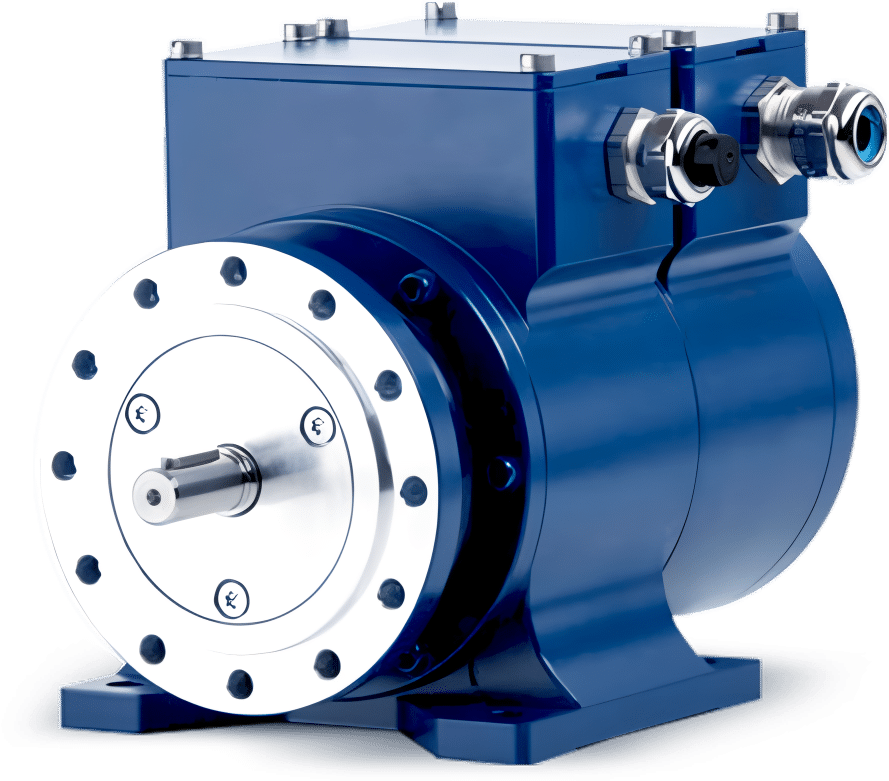
One Switch. Four Solutions. Precision Positioning Across Every Crane Motion. Electronic Position Switch Challenges Conventional RJLS/cam limit switches in hot metal cranes caused inaccurate positioning, corrosion issues, and frequent maintenance Application Scope By replacing the mechanical switches with electronic position switches, a 1:1 retrofit was achieved. Electronic Position Switch Offers Greater accuracy 0.044 ° ( 360 °/ 8192) Multiple positions switch (up to 15) in one compact device Switching contact, and 4-20 mA output taken in single unit. Reduced breakdown and maintenance time Suggested Products Electronic Position Switch Related Case Studies Slab Detection on Transfer Table Uninterrupted sensor performance on hot / cold slab in high ambient temperature upto 290°C at charging transfer table without any water cooling. Width Confirmation / Camber Detection Precise laser distance sensor with 0.5mm accuracy working on both hot (upto 1300°C) and cold (black with scale) surface rated for high ambient temperature 60°C. Air/ water cooling options available. Temperature-Sensitive Slab Width Measurement: The Role of IR Cameras in Accurate Data Collection Combined software and IR camera data to provide temperature-compensated width measurements. Both width and temperature can be measured simultaneously Get In Touch 9818400356 enquiry@manglamelectricals.com Tower C, 12, Yamuna Marg, Civil Lines, Delhi – 110054 Get In Touch Mobile Number Email Message/Requirements (optional) Page URL Company Name Thank You …
472 Smart Radar Sensor for width measurement Hot Rolling Mills
Smart Radar Sensor for Width Measurement Hot Rolling Mills Radar Sensor Challenges Achieving precise width measurement of hot steel slabs in harsh rolling mill conditions. Existing methods are costly, unsafe, and maintenance-heavy. Solution The high accuracy distance sensor with radar system- Contactless, inline measurement of slabs, strips, and plates (up to 1600 °C). Accuracy up to ±300 µm even in harsh environments Independent of alloy or metal type. Eliminates radiation hazards and reduces cost. Key USP’s Micrometer precision Real-time measuring rate Profinet interface Very narrow opening angle Wide measuring range Attractive & practical UI Suggested Products Radar Sensor Related Case Studies Slab Detection on Transfer Table Uninterrupted sensor performance on hot / cold slab in high ambient temperature upto 290°C at charging transfer table without any water cooling. Width Confirmation / Camber Detection Precise laser distance sensor with 0.5mm accuracy working on both hot (upto 1300°C) and cold (black with scale) surface rated for high ambient temperature 60°C. Air/ water cooling options available. Temperature-Sensitive Slab Width Measurement: The Role of IR Cameras in Accurate Data Collection Combined software and IR camera data to provide temperature-compensated width measurements. Both width and temperature can be measured simultaneously Get In Touch 9818400356 enquiry@manglamelectricals.com Tower C, 12, Yamuna Marg, Civil Lines, Delhi – 110054 Get In Touch Mobile Number Email Message/Requirements (optional) Page URL Company Name Thank You …
Tags: Rolling Mills
March 21, 2026
Rolling Mills / Screw Downs: Replacing Mechanical Cam Limit Switches at the Screw Downs (Rolling Mill) Increases Precision and Lowers Costs
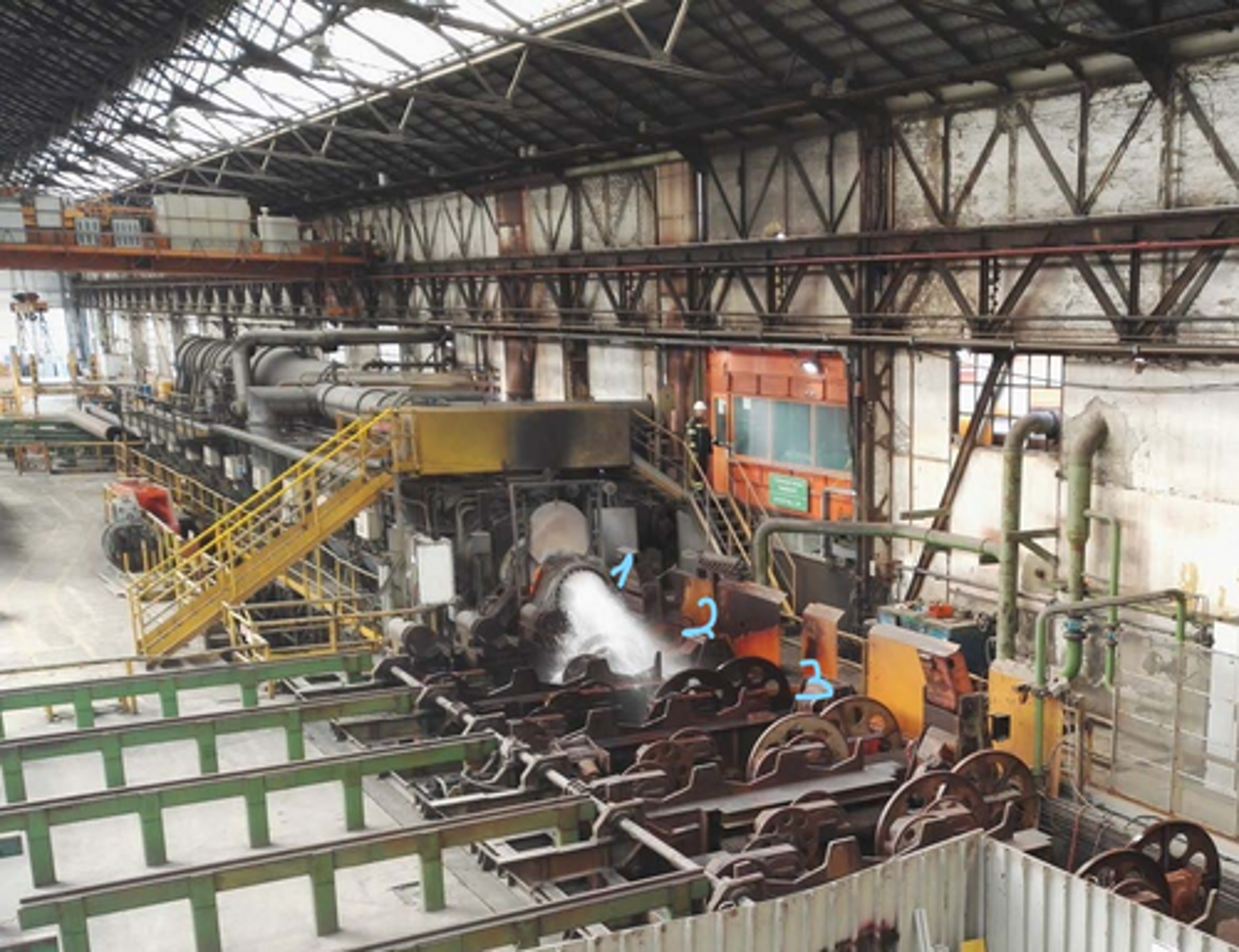
For precise speed control in rolling mills the main drives of the roll stands and the coilers need to be equipped with an encoder. In addition, it is often necessary to provide increased protection for personnel during special operating modes, such as: For this application Johannes Hübner Giessen has been working with Motor OEMs for many decades to provide complete solution ie. Electrical and mechanical components. Home Case Studies Rolling Mill / Rolling Mills / Screw Downs: Replacing Mechanical Cam Limit Switches at the Screw Downs (Rolling Mill) Increases Precision and Lowers Costs Rolling Mills / Screw Downs: Replacing Mechanical Cam Limit Switches at the Screw Downs (Rolling Mill) Increases Precision and Lowers Costs Home Case Studies Pilger mill in tube rolling mills – hot and cold pipe detection Pilger mill in tube rolling mills – hot and cold pipe detection Simple programming & presetting Additional real-time position data (4 – 20 mA) Direct attachment without distribution gears Before: Distribution gears and mechanical position switch Challenges The customer wanted a 1:1 replacement of the existing mechanical solution. There were several reasons behind this: Higher precision required Spare parts no longer available Reduce costs by stocking less spare parts Additional current output for real-time position data After: Directly attached electronic position switch ERC 40 with an additional current output for up-to-date position monitoring. Solution Setting the switching points was difficult with the obsolete mechanical solution. This is much simpler with the ERC 40. It enables the customer to move the screw downs to the desired position for a switching point – and then transmit the information to the software by drag & drop. As the data is stored in the ERC 40 and can be stored on the PC the customer is able to simply copy previously set switching points as required to further devices. Storing the reference position and preset configuration makes it possible to reference the ERC 40 along with the application, for instance after changing rolls. Eliminating the need for distribution gears combined with the higher precision of the ERC 40 has significantly increased the accuracy of the whole system. The current output (4 – 20 mA) of the ERC 40 also supplies additional real-time position data. Products and Accessories 1:1 Replacement for Mechanical Cam Limit Switch Couplings Adapter Shaft Heavy duty programmable overspeed switch Speed feedback for main drives Case Study Number TP3 Challenge The increasing flexibility of production lines requires a high adaptability of sensors. Continually changing object geometries, different temperatures and very high radiation or surrounding temperatures are no rarity. In a pilger mill those rough conditions can be found, among others in the production of seemless steel pipes. The raw steel blocks, each weighing a few tons are heated up first in a round oven at a temperature of 1300 °C. After descaling of the surface, the steel block is prepunched in a hole press with a strength from a converted 2000 t. In the next sloping rolling mill the growing pipe rotates between two rollers that are positioned at an angle to each other. The punching is widened to the size of the mandrel diameter. Previous solution / Competitor product N/A Solution The sensor that was installed at this application is the HMD OKA 2038.38 G with tube OL 19. The signal of the infrared sensors controls the movement of centering device and abutment. The point of view is restricted by the tube and prevents disturbances by steam in the cooling phase. An optimum adaptation to the operating conditions is given due to the adjustable response temperature. The HMD with self-learning response temperature (Auto-Teach function) is suited to continually changing conditions. The compact sensor with a stainless steel housing can withstand surrounding temperatures of up to 75° C. The use of a cooling jacket raises this up to 200° C. Alternatively sensors with fibre optic cables are available which permit an application at ambient temperatures up to 600° C without cooling. Customer Benefits Maintenance-free High temperature stability Recognition of hot objects at big distances Self adjustment with Auto-Teach or step switch for the response temperature Product Part number OKA 2038.38 G Brand Proxitron Accessories Piros swivel stand HM2 Tube OL 19 Pilot light unit (for alignment) DAK 308 + OL 26 Different cable lengths (e.g. 15 m) Customer Testimonial compared to previous solution or competition Case Studies Other Solutions in Hot Rolling Mills – Roughing Mills View All

Tags: Rolling Mills
May 16, 2024
Accurate Temperature measurement in Induction Heating using Ratio Pyrometer
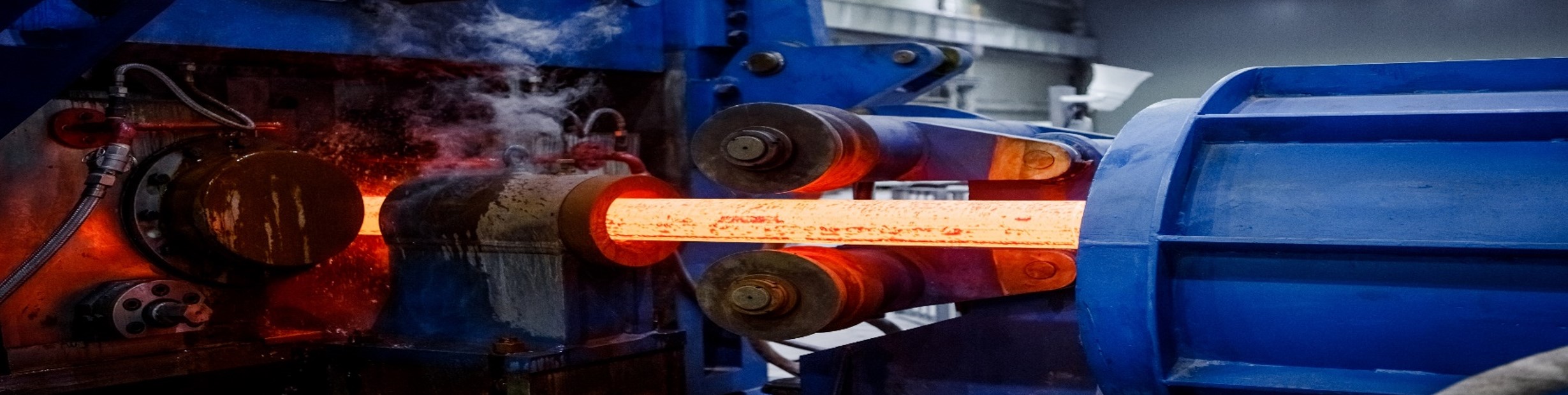
High rejection rate due to inaccurate temperature. Due to moving process difficult define measuring point, where the temperature has to measured. Thermal camera provides multiple ROIs (areas) for full profile measurement. Auto HOT SPOT tracker for max process temperature. Home Case Studies Accurate Temperature measurement in Induction Heating using Ratio Pyrometer Accurate Temperature measurement in Induction Heating using Ratio Pyrometer Home Case Studies Pilger mill in tube rolling mills – hot and cold pipe detection Pilger mill in tube rolling mills – hot and cold pipe detection Next generation Ratio pyrometer for accurate temperature measurement Accurate temperature even at recycled/oxidized billet No EMC effect, hence minimized measurement errors Compact size and Easy to install: No need of cooling arrangement High temperature ( 315°C) sensing head with Fiber optics cable Ratio pyrometer installed for accurate temperature measurement Challenges Scales get formed on the surface of billet when hot metal comes in contact with air due to oxidation. Presence of scales leads to inaccurate temperature measurement. Previous pyrometer faced frequent problems due to the EMC effect. High rejection rate due to inaccurate billet temperature. Billet coming out of furnace Solution Ratio Pyrometer was installed for accurate temperature measurement even at 5% object visibility. It comes with focusable optics and high temperature ( 315°C) sensing head with Fiber optics cable. It comprises of green laser for alignment on red hot metal, because it is easily visible on the burning red-hot metal Hot Billet entering on the conveyor Key Specifications Temperature range: 1-channel : 450-3000°C; 2-channel: 525-3000°C Output: 2x 0/4-20 mA Power supply: 8 – 30 V DC Optical resolution: 100:1 Spectral range: 0.8 – 1.1 µm Response time: 1 ms – 10 s Products and Accessories Ratio Pyrometer Case Study Number TP3 Challenge The increasing flexibility of production lines requires a high adaptability of sensors. Continually changing object geometries, different temperatures and very high radiation or surrounding temperatures are no rarity. In a pilger mill those rough conditions can be found, among others in the production of seemless steel pipes. The raw steel blocks, each weighing a few tons are heated up first in a round oven at a temperature of 1300 °C. After descaling of the surface, the steel block is prepunched in a hole press with a strength from a converted 2000 t. In the next sloping rolling mill the growing pipe rotates between two rollers that are positioned at an angle to each other. The punching is widened to the size of the mandrel diameter. Previous solution / Competitor product N/A Solution The sensor that was installed at this application is the HMD OKA 2038.38 G with tube OL 19. The signal of the infrared sensors controls the movement of centering device and abutment. The point of view is restricted by the tube and prevents disturbances by steam in the cooling phase. An optimum adaptation to the operating conditions is given due to the adjustable response temperature. The HMD with self-learning response temperature (Auto-Teach function) is suited to continually changing conditions. The compact sensor with a stainless steel housing can withstand surrounding temperatures of up to 75° C. The use of a cooling jacket raises this up to 200° C. Alternatively sensors with fibre optic cables are available which permit an application at ambient temperatures up to 600° C without cooling. Customer Benefits Maintenance-free High temperature stability Recognition of hot objects at big distances Self adjustment with Auto-Teach or step switch for the response temperature Product Part number OKA 2038.38 G Brand Proxitron Accessories Piros swivel stand HM2 Tube OL 19 Pilot light unit (for alignment) DAK 308 + OL 26 Different cable lengths (e.g. 15 m) Customer Testimonial compared to previous solution or competition Case Studies Other Solutions in Casting and Forging Sample case study title lorem ipsum here Short description of the problem solved, maybe include the client name. READ MORE Sample case study title lorem ipsum here Short description of the problem solved, maybe include the client name. READ MORE Sample case study title lorem ipsum here Short description of the problem solved, maybe include the client name. READ MORE View All
Tags: Foundry
March 20, 2024
Workpiece Control in Drop Forging using IR Pyrometers
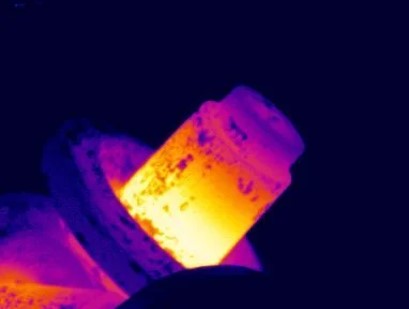
Thermal imaging camera offers wide temperature range of 900 to 2400 °C, temperature measurement of molten metal. It reduces errors and there is minimal impact of emissivity. It offers data logging functionality and reduces cost. Home Case Studies Tapping Temperature Measurement in Cast Iron Foundry Workpiece Control in Drop Forging using IR pyrometers Home Case Studies Pilger mill in tube rolling mills – hot and cold pipe detection Pilger mill in tube rolling mills – hot and cold pipe detection Monitoring of Surface Temperature using non contact infrared sensors In die forging the semi-finished products need to reach a particular forging temperature before forming. To get the best possible production results the surface temperature of the material is monitored accordingly. The same goes for the forging after forming or before storing Process temperature:700 °C to 1,250 Thermal Camera or Infrared thermometers are used to accurately monitor the surface temperature to optimize work piece control Products and Accessories High Performance IR Thermometer Short wavelength infrared camera Case Study Number TP3 Challenge The increasing flexibility of production lines requires a high adaptability of sensors. Continually changing object geometries, different temperatures and very high radiation or surrounding temperatures are no rarity. In a pilger mill those rough conditions can be found, among others in the production of seemless steel pipes. The raw steel blocks, each weighing a few tons are heated up first in a round oven at a temperature of 1300 °C. After descaling of the surface, the steel block is prepunched in a hole press with a strength from a converted 2000 t. In the next sloping rolling mill the growing pipe rotates between two rollers that are positioned at an angle to each other. The punching is widened to the size of the mandrel diameter. Previous solution / Competitor product N/A Solution The sensor that was installed at this application is the HMD OKA 2038.38 G with tube OL 19. The signal of the infrared sensors controls the movement of centering device and abutment. The point of view is restricted by the tube and prevents disturbances by steam in the cooling phase. An optimum adaptation to the operating conditions is given due to the adjustable response temperature. The HMD with self-learning response temperature (Auto-Teach function) is suited to continually changing conditions. The compact sensor with a stainless steel housing can withstand surrounding temperatures of up to 75° C. The use of a cooling jacket raises this up to 200° C. Alternatively sensors with fibre optic cables are available which permit an application at ambient temperatures up to 600° C without cooling. Customer Benefits Maintenance-free High temperature stability Recognition of hot objects at big distances Self adjustment with Auto-Teach or step switch for the response temperature Product Part number OKA 2038.38 G Brand Proxitron Accessories Piros swivel stand HM2 Tube OL 19 Pilot light unit (for alignment) DAK 308 + OL 26 Different cable lengths (e.g. 15 m) Customer Testimonial compared to previous solution or competition Case Studies Accurate Temperature Measurement in Open Die Forging Object Detection at various stages of the hot forging process Sample case study title lorem ipsum here Short description of the problem solved, maybe include the client name. READ MORE Sample case study title lorem ipsum here Short description of the problem solved, maybe include the client name. READ MORE Sample case study title lorem ipsum here Short description of the problem solved, maybe include the client name. READ MORE View All
Tags: Casting and Forging, Foundry
March 14, 2024
Page 3 of 14
Case Studies


Found 139 Results
Page 3 of 14
Page 3 of 14
Page 3 of 14
442 Ultra Precise Molten Metal level sensing using Radar Technology
Ultra Precise Molten Metal level sensing using Radar Technology even with smoke, heat, dust & vibrations. Radar Sensor Challenges Extreme heat (≈1600°C) –> early sensor failure. Harsh ambient conditions –> inaccurate level monitoring Cooling-dependent systems –> high maintenance & downtime. Solution Heavy-duty radar sensor operates reliably in extreme heat without active cooling. Delivers high-precision level measurement (300 µm at 300 Hz) with minimal maintenance needs. Key USP’s Micrometer precision Real-time measuring rate Profinet interface Very narrow opening angle Wide measuring range Attractive & practical UI Molten steel or aluminium level measurement in the crucible with radar sensors – schematic representation. Suggested Products Radar Sensor Related Case Studies Slab Detection on Transfer Table Uninterrupted sensor performance on hot / cold slab in high ambient temperature upto 290°C at charging transfer table without any water cooling. Width Confirmation / Camber Detection Precise laser distance sensor with 0.5mm accuracy working on both hot (upto 1300°C) and cold (black with scale) surface rated for high ambient temperature 60°C. Air/ water cooling options available. Temperature-Sensitive Slab Width Measurement: The Role of IR Cameras in Accurate Data Collection Combined software and IR camera data to provide temperature-compensated width measurements. Both width and temperature can be measured simultaneously Get In Touch 9818400356 enquiry@manglamelectricals.com Tower C, 12, Yamuna Marg, Civil Lines, Delhi – 110054 Get In Touch Mobile Number Email Message/Requirements (optional) Page URL Company Name Thank You …
March 26, 2026
409 Overcoming Temperature Overshooting in Tapping with Advanced Temperature Monitoring Solution
Overcoming Temperature Overshooting in Tapping with Advanced Temperature Monitoring Solution Pyrometer – CT Laser Challenges Precise, real-time, non-contact temperature measurements. Ensured optimal pouring conditions Reduces the power loss Improving process consistency and reducing waste Solution Precise, real-time, non-contact temperature measurements. Ensured optimal pouring conditions Reduces the power loss Improving process consistency and reducing waste Specifications Wide temperature range: 1000 °C to 2000 °C Spectral range: 0.525 µm Analog output: 0-20 mA/4-20 mA/0-5 V/0-10 V/t/c (K/J) Suggested Products Pyrometer-CT Laser Related case Studies Slab Detection on Transfer Table Uninterrupted sensor performance on hot / cold slab in high ambient temperature upto 290°C at charging transfer table without any water cooling. Width Confirmation / Camber Detection Precise laser distance sensor with 0.5mm accuracy working on both hot (upto 1300°C) and cold (black with scale) surface rated for high ambient temperature 60°C. Air/ water cooling options available. Temperature-Sensitive Slab Width Measurement: The Role of IR Cameras in Accurate Data Collection Combined software and IR camera data to provide temperature-compensated width measurements. Both width and temperature can be measured simultaneously Get In Touch 9818400356 enquiry@manglamelectricals.com Tower C, 12, Yamuna Marg, Civil Lines, Delhi – 110054 Get In Touch Mobile Number Email Message/Requirements (optional) Page URL Company Name Thank You …
Tags: Foundry
447 Precision Off-line Bar Counting On Conveyor Lines Made Easy with Computo EVO- An Artificial Vision System
Precision Off-line Bar Counting On Conveyor Lines Made Easy with Computo EVO- An Artificial Vision System Bundle Profile Counting System About Computo EVO The radar system is based on an artificial vision system which integrates custom built led lighting system for optimal bars identification. Computo system is easily installed and requires no modification of the mill arrangement in most cases. Integration with plant automation is easy and could be made by Ethernet communication of Profibus DP too. HOW COMPUTO WORKS OFF-LINE Computo system can count the number of bars in bundles by taking pictures of the ends of the bars in the bundle Key USP’s Micrometer precision Real-time measuring rate Profinet interface Very narrow opening angle Wide measuring range Attractive & practical UI Computo Bundle HMI Computo Bundle Suggested Products Computo Evo – Counting Solution Related Case Studies Slab Detection on Transfer Table Uninterrupted sensor performance on hot / cold slab in high ambient temperature upto 290°C at charging transfer table without any water cooling. Width Confirmation / Camber Detection Precise laser distance sensor with 0.5mm accuracy working on both hot (upto 1300°C) and cold (black with scale) surface rated for high ambient temperature 60°C. Air/ water cooling options available. Temperature-Sensitive Slab Width Measurement: The Role of IR Cameras in Accurate Data Collection Combined software and IR camera data to provide temperature-compensated width measurements. Both width and temperature can be measured simultaneously Get In Touch 9818400356 enquiry@manglamelectricals.com Tower C, 12, Yamuna Marg, Civil Lines, Delhi – 110054 Get In Touch Mobile Number Email Message/Requirements (optional) Page URL Company Name Thank You …
Tags: Rolling Mill
391 Smart Sensing for Non-Linear Motion in Side Arm Chargers
Smart Sensing for Non-Linear Motion in Side Arm Chargers Tilt Angle Transmitter/ Inclination Sensor Challenges Misalignment in a lever arm mechanism caused LVDT signal errors. Unprotected LVDTs also corroded and jammed in harsh condition. Solution Sensor deflected via oil-dampened pendulum, no extra alignment needed IP66 protection; vibration-resistant up to 4g (0–100 Hz) Easy programming via membrane keypad Specifications Angle of inclination → -175⁰ … 0⁰ … +175⁰ Angle accuracy → ±0.2⁰ Supply → 18-36V DC Output → 4-20mA Housing → Aluminium Suggested Products Tilt Angle Transmitter/ Inclination Sensor Related Case Studies Slab Detection on Transfer Table Uninterrupted sensor performance on hot / cold slab in high ambient temperature upto 290°C at charging transfer table without any water cooling. Width Confirmation / Camber Detection Precise laser distance sensor with 0.5mm accuracy working on both hot (upto 1300°C) and cold (black with scale) surface rated for high ambient temperature 60°C. Air/ water cooling options available. Temperature-Sensitive Slab Width Measurement: The Role of IR Cameras in Accurate Data Collection Combined software and IR camera data to provide temperature-compensated width measurements. Both width and temperature can be measured simultaneously Get In Touch 9818400356 enquiry@manglamelectricals.com Tower C, 12, Yamuna Marg, Civil Lines, Delhi – 110054 Get In Touch Mobile Number Email Message/Requirements (optional) Page URL Company Name Thank You …
32 Roll Change Detection: High temperature proximity for wet areas with heat radiation
Roll Change Detection: High Temperature Proximity for Wet Areas with Heat Radiation Proximity Sensor Challenges Delays/interruptions in roll change as the feedback from proximity was not reliable Detection in harsh operating environment continuous water from spray headers; high ambient heat from the strips. Cable damage due to flying chips / scale PVC cable crackling from temp. cycling Solution Improvised field proven proximity used by SMS-Siemag | Primetals High temperature electronics PBT housing designed to reduce impact of temperature cycling Silicone cable withstand 180°C Reduce damage from mechanical play by higher sensing 15|20|25mm Integrated cable protection Higher IP rating Cable Protection System SA: Basic mechanical and intermittent radiant heat protection (1000C) AF: For high mechanical loads and impacts, radiant heat protection (1450C) and protection against emulsion / aggressive fluids (Teflon coating externally) ML: For EMF shielding, high mechanical loads and impacts with stainless braiding on outside and galvanized core inside (3000C) HT: For high temperature protection (2600C/8000C) with molten splashes Best Solution for Roll Change Proximity Under Most Aggressive Environment Reduction in roll change time to maximize production/ equipment availability High ambient temperature electronics (1000C and 1200C) Cable protection system to protect from flying scales, sparks PBT housing material prevent corrosion of the housing easy to replace during shutdown Integrated Cable Conduit System Withstanding Continuous Water Spray/ Steam. IP67/68/69 K Protection Withstand High Radiant Heat Suggested Products Proximity Sensor Related case Studies Slab Detection on Transfer Table Uninterrupted sensor performance on hot / cold slab in high ambient temperature upto 290°C at charging transfer table without any water cooling. Width Confirmation / Camber Detection Precise laser distance sensor with 0.5mm accuracy working on both hot (upto 1300°C) and cold (black with scale) surface rated for high ambient temperature 60°C. Air/ water cooling options available. Temperature-Sensitive Slab Width Measurement: The Role of IR Cameras in Accurate Data Collection Combined software and IR camera data to provide temperature-compensated width measurements. Both width and temperature can be measured simultaneously Get In Touch 9818400356 enquiry@manglamelectricals.com Tower C, 12, Yamuna Marg, Civil Lines, Delhi – 110054 Get In Touch Mobile Number Email Message/Requirements (optional) Page URL Company Name Thank You …
Uncategorized
Tags: Roughing Mills
March 25, 2026
414 One Switch. Four Solutions. Precision Positioning Across Every Crane Motion.
One Switch. Four Solutions. Precision Positioning Across Every Crane Motion. Electronic Position Switch Challenges Conventional RJLS/cam limit switches in hot metal cranes caused inaccurate positioning, corrosion issues, and frequent maintenance Application Scope By replacing the mechanical switches with electronic position switches, a 1:1 retrofit was achieved. Electronic Position Switch Offers Greater accuracy 0.044 ° ( 360 °/ 8192) Multiple positions switch (up to 15) in one compact device Switching contact, and 4-20 mA output taken in single unit. Reduced breakdown and maintenance time Suggested Products Electronic Position Switch Related Case Studies Slab Detection on Transfer Table Uninterrupted sensor performance on hot / cold slab in high ambient temperature upto 290°C at charging transfer table without any water cooling. Width Confirmation / Camber Detection Precise laser distance sensor with 0.5mm accuracy working on both hot (upto 1300°C) and cold (black with scale) surface rated for high ambient temperature 60°C. Air/ water cooling options available. Temperature-Sensitive Slab Width Measurement: The Role of IR Cameras in Accurate Data Collection Combined software and IR camera data to provide temperature-compensated width measurements. Both width and temperature can be measured simultaneously Get In Touch 9818400356 enquiry@manglamelectricals.com Tower C, 12, Yamuna Marg, Civil Lines, Delhi – 110054 Get In Touch Mobile Number Email Message/Requirements (optional) Page URL Company Name Thank You …
472 Smart Radar Sensor for width measurement Hot Rolling Mills
Smart Radar Sensor for Width Measurement Hot Rolling Mills Radar Sensor Challenges Achieving precise width measurement of hot steel slabs in harsh rolling mill conditions. Existing methods are costly, unsafe, and maintenance-heavy. Solution The high accuracy distance sensor with radar system- Contactless, inline measurement of slabs, strips, and plates (up to 1600 °C). Accuracy up to ±300 µm even in harsh environments Independent of alloy or metal type. Eliminates radiation hazards and reduces cost. Key USP’s Micrometer precision Real-time measuring rate Profinet interface Very narrow opening angle Wide measuring range Attractive & practical UI Suggested Products Radar Sensor Related Case Studies Slab Detection on Transfer Table Uninterrupted sensor performance on hot / cold slab in high ambient temperature upto 290°C at charging transfer table without any water cooling. Width Confirmation / Camber Detection Precise laser distance sensor with 0.5mm accuracy working on both hot (upto 1300°C) and cold (black with scale) surface rated for high ambient temperature 60°C. Air/ water cooling options available. Temperature-Sensitive Slab Width Measurement: The Role of IR Cameras in Accurate Data Collection Combined software and IR camera data to provide temperature-compensated width measurements. Both width and temperature can be measured simultaneously Get In Touch 9818400356 enquiry@manglamelectricals.com Tower C, 12, Yamuna Marg, Civil Lines, Delhi – 110054 Get In Touch Mobile Number Email Message/Requirements (optional) Page URL Company Name Thank You …
Tags: Rolling Mills
March 21, 2026
Rolling Mills / Screw Downs: Replacing Mechanical Cam Limit Switches at the Screw Downs (Rolling Mill) Increases Precision and Lowers Costs
For precise speed control in rolling mills the main drives of the roll stands and the coilers need to be equipped with an encoder. In addition, it is often necessary to provide increased protection for personnel during special operating modes, such as: For this application Johannes Hübner Giessen has been working with Motor OEMs for many decades to provide complete solution ie. Electrical and mechanical components. Home Case Studies Rolling Mill / Rolling Mills / Screw Downs: Replacing Mechanical Cam Limit Switches at the Screw Downs (Rolling Mill) Increases Precision and Lowers Costs Rolling Mills / Screw Downs: Replacing Mechanical Cam Limit Switches at the Screw Downs (Rolling Mill) Increases Precision and Lowers Costs Home Case Studies Pilger mill in tube rolling mills – hot and cold pipe detection Pilger mill in tube rolling mills – hot and cold pipe detection Simple programming & presetting Additional real-time position data (4 – 20 mA) Direct attachment without distribution gears Before: Distribution gears and mechanical position switch Challenges The customer wanted a 1:1 replacement of the existing mechanical solution. There were several reasons behind this: Higher precision required Spare parts no longer available Reduce costs by stocking less spare parts Additional current output for real-time position data After: Directly attached electronic position switch ERC 40 with an additional current output for up-to-date position monitoring. Solution Setting the switching points was difficult with the obsolete mechanical solution. This is much simpler with the ERC 40. It enables the customer to move the screw downs to the desired position for a switching point – and then transmit the information to the software by drag & drop. As the data is stored in the ERC 40 and can be stored on the PC the customer is able to simply copy previously set switching points as required to further devices. Storing the reference position and preset configuration makes it possible to reference the ERC 40 along with the application, for instance after changing rolls. Eliminating the need for distribution gears combined with the higher precision of the ERC 40 has significantly increased the accuracy of the whole system. The current output (4 – 20 mA) of the ERC 40 also supplies additional real-time position data. Products and Accessories 1:1 Replacement for Mechanical Cam Limit Switch Couplings Adapter Shaft Heavy duty programmable overspeed switch Speed feedback for main drives Case Study Number TP3 Challenge The increasing flexibility of production lines requires a high adaptability of sensors. Continually changing object geometries, different temperatures and very high radiation or surrounding temperatures are no rarity. In a pilger mill those rough conditions can be found, among others in the production of seemless steel pipes. The raw steel blocks, each weighing a few tons are heated up first in a round oven at a temperature of 1300 °C. After descaling of the surface, the steel block is prepunched in a hole press with a strength from a converted 2000 t. In the next sloping rolling mill the growing pipe rotates between two rollers that are positioned at an angle to each other. The punching is widened to the size of the mandrel diameter. Previous solution / Competitor product N/A Solution The sensor that was installed at this application is the HMD OKA 2038.38 G with tube OL 19. The signal of the infrared sensors controls the movement of centering device and abutment. The point of view is restricted by the tube and prevents disturbances by steam in the cooling phase. An optimum adaptation to the operating conditions is given due to the adjustable response temperature. The HMD with self-learning response temperature (Auto-Teach function) is suited to continually changing conditions. The compact sensor with a stainless steel housing can withstand surrounding temperatures of up to 75° C. The use of a cooling jacket raises this up to 200° C. Alternatively sensors with fibre optic cables are available which permit an application at ambient temperatures up to 600° C without cooling. Customer Benefits Maintenance-free High temperature stability Recognition of hot objects at big distances Self adjustment with Auto-Teach or step switch for the response temperature Product Part number OKA 2038.38 G Brand Proxitron Accessories Piros swivel stand HM2 Tube OL 19 Pilot light unit (for alignment) DAK 308 + OL 26 Different cable lengths (e.g. 15 m) Customer Testimonial compared to previous solution or competition Case Studies Other Solutions in Hot Rolling Mills – Roughing Mills View All
Tags: Rolling Mills
May 16, 2024
Accurate Temperature measurement in Induction Heating using Ratio Pyrometer
High rejection rate due to inaccurate temperature. Due to moving process difficult define measuring point, where the temperature has to measured. Thermal camera provides multiple ROIs (areas) for full profile measurement. Auto HOT SPOT tracker for max process temperature. Home Case Studies Accurate Temperature measurement in Induction Heating using Ratio Pyrometer Accurate Temperature measurement in Induction Heating using Ratio Pyrometer Home Case Studies Pilger mill in tube rolling mills – hot and cold pipe detection Pilger mill in tube rolling mills – hot and cold pipe detection Next generation Ratio pyrometer for accurate temperature measurement Accurate temperature even at recycled/oxidized billet No EMC effect, hence minimized measurement errors Compact size and Easy to install: No need of cooling arrangement High temperature ( 315°C) sensing head with Fiber optics cable Ratio pyrometer installed for accurate temperature measurement Challenges Scales get formed on the surface of billet when hot metal comes in contact with air due to oxidation. Presence of scales leads to inaccurate temperature measurement. Previous pyrometer faced frequent problems due to the EMC effect. High rejection rate due to inaccurate billet temperature. Billet coming out of furnace Solution Ratio Pyrometer was installed for accurate temperature measurement even at 5% object visibility. It comes with focusable optics and high temperature ( 315°C) sensing head with Fiber optics cable. It comprises of green laser for alignment on red hot metal, because it is easily visible on the burning red-hot metal Hot Billet entering on the conveyor Key Specifications Temperature range: 1-channel : 450-3000°C; 2-channel: 525-3000°C Output: 2x 0/4-20 mA Power supply: 8 – 30 V DC Optical resolution: 100:1 Spectral range: 0.8 – 1.1 µm Response time: 1 ms – 10 s Products and Accessories Ratio Pyrometer Case Study Number TP3 Challenge The increasing flexibility of production lines requires a high adaptability of sensors. Continually changing object geometries, different temperatures and very high radiation or surrounding temperatures are no rarity. In a pilger mill those rough conditions can be found, among others in the production of seemless steel pipes. The raw steel blocks, each weighing a few tons are heated up first in a round oven at a temperature of 1300 °C. After descaling of the surface, the steel block is prepunched in a hole press with a strength from a converted 2000 t. In the next sloping rolling mill the growing pipe rotates between two rollers that are positioned at an angle to each other. The punching is widened to the size of the mandrel diameter. Previous solution / Competitor product N/A Solution The sensor that was installed at this application is the HMD OKA 2038.38 G with tube OL 19. The signal of the infrared sensors controls the movement of centering device and abutment. The point of view is restricted by the tube and prevents disturbances by steam in the cooling phase. An optimum adaptation to the operating conditions is given due to the adjustable response temperature. The HMD with self-learning response temperature (Auto-Teach function) is suited to continually changing conditions. The compact sensor with a stainless steel housing can withstand surrounding temperatures of up to 75° C. The use of a cooling jacket raises this up to 200° C. Alternatively sensors with fibre optic cables are available which permit an application at ambient temperatures up to 600° C without cooling. Customer Benefits Maintenance-free High temperature stability Recognition of hot objects at big distances Self adjustment with Auto-Teach or step switch for the response temperature Product Part number OKA 2038.38 G Brand Proxitron Accessories Piros swivel stand HM2 Tube OL 19 Pilot light unit (for alignment) DAK 308 + OL 26 Different cable lengths (e.g. 15 m) Customer Testimonial compared to previous solution or competition Case Studies Other Solutions in Casting and Forging Sample case study title lorem ipsum here Short description of the problem solved, maybe include the client name. READ MORE Sample case study title lorem ipsum here Short description of the problem solved, maybe include the client name. READ MORE Sample case study title lorem ipsum here Short description of the problem solved, maybe include the client name. READ MORE View All
Tags: Foundry
March 20, 2024
Workpiece Control in Drop Forging using IR Pyrometers
Thermal imaging camera offers wide temperature range of 900 to 2400 °C, temperature measurement of molten metal. It reduces errors and there is minimal impact of emissivity. It offers data logging functionality and reduces cost. Home Case Studies Tapping Temperature Measurement in Cast Iron Foundry Workpiece Control in Drop Forging using IR pyrometers Home Case Studies Pilger mill in tube rolling mills – hot and cold pipe detection Pilger mill in tube rolling mills – hot and cold pipe detection Monitoring of Surface Temperature using non contact infrared sensors In die forging the semi-finished products need to reach a particular forging temperature before forming. To get the best possible production results the surface temperature of the material is monitored accordingly. The same goes for the forging after forming or before storing Process temperature:700 °C to 1,250 Thermal Camera or Infrared thermometers are used to accurately monitor the surface temperature to optimize work piece control Products and Accessories High Performance IR Thermometer Short wavelength infrared camera Case Study Number TP3 Challenge The increasing flexibility of production lines requires a high adaptability of sensors. Continually changing object geometries, different temperatures and very high radiation or surrounding temperatures are no rarity. In a pilger mill those rough conditions can be found, among others in the production of seemless steel pipes. The raw steel blocks, each weighing a few tons are heated up first in a round oven at a temperature of 1300 °C. After descaling of the surface, the steel block is prepunched in a hole press with a strength from a converted 2000 t. In the next sloping rolling mill the growing pipe rotates between two rollers that are positioned at an angle to each other. The punching is widened to the size of the mandrel diameter. Previous solution / Competitor product N/A Solution The sensor that was installed at this application is the HMD OKA 2038.38 G with tube OL 19. The signal of the infrared sensors controls the movement of centering device and abutment. The point of view is restricted by the tube and prevents disturbances by steam in the cooling phase. An optimum adaptation to the operating conditions is given due to the adjustable response temperature. The HMD with self-learning response temperature (Auto-Teach function) is suited to continually changing conditions. The compact sensor with a stainless steel housing can withstand surrounding temperatures of up to 75° C. The use of a cooling jacket raises this up to 200° C. Alternatively sensors with fibre optic cables are available which permit an application at ambient temperatures up to 600° C without cooling. Customer Benefits Maintenance-free High temperature stability Recognition of hot objects at big distances Self adjustment with Auto-Teach or step switch for the response temperature Product Part number OKA 2038.38 G Brand Proxitron Accessories Piros swivel stand HM2 Tube OL 19 Pilot light unit (for alignment) DAK 308 + OL 26 Different cable lengths (e.g. 15 m) Customer Testimonial compared to previous solution or competition Case Studies Accurate Temperature Measurement in Open Die Forging Object Detection at various stages of the hot forging process Sample case study title lorem ipsum here Short description of the problem solved, maybe include the client name. READ MORE Sample case study title lorem ipsum here Short description of the problem solved, maybe include the client name. READ MORE Sample case study title lorem ipsum here Short description of the problem solved, maybe include the client name. READ MORE View All
Tags: Casting and Forging, Foundry
March 14, 2024
Page 3 of 14