Shopping Cart

close

No products in the cart.

Return to shop

Explore Our Solutions

Explore our solutions

Accurate Non-Contact Temperature Measurement during injection molding, extrusion and blow molding

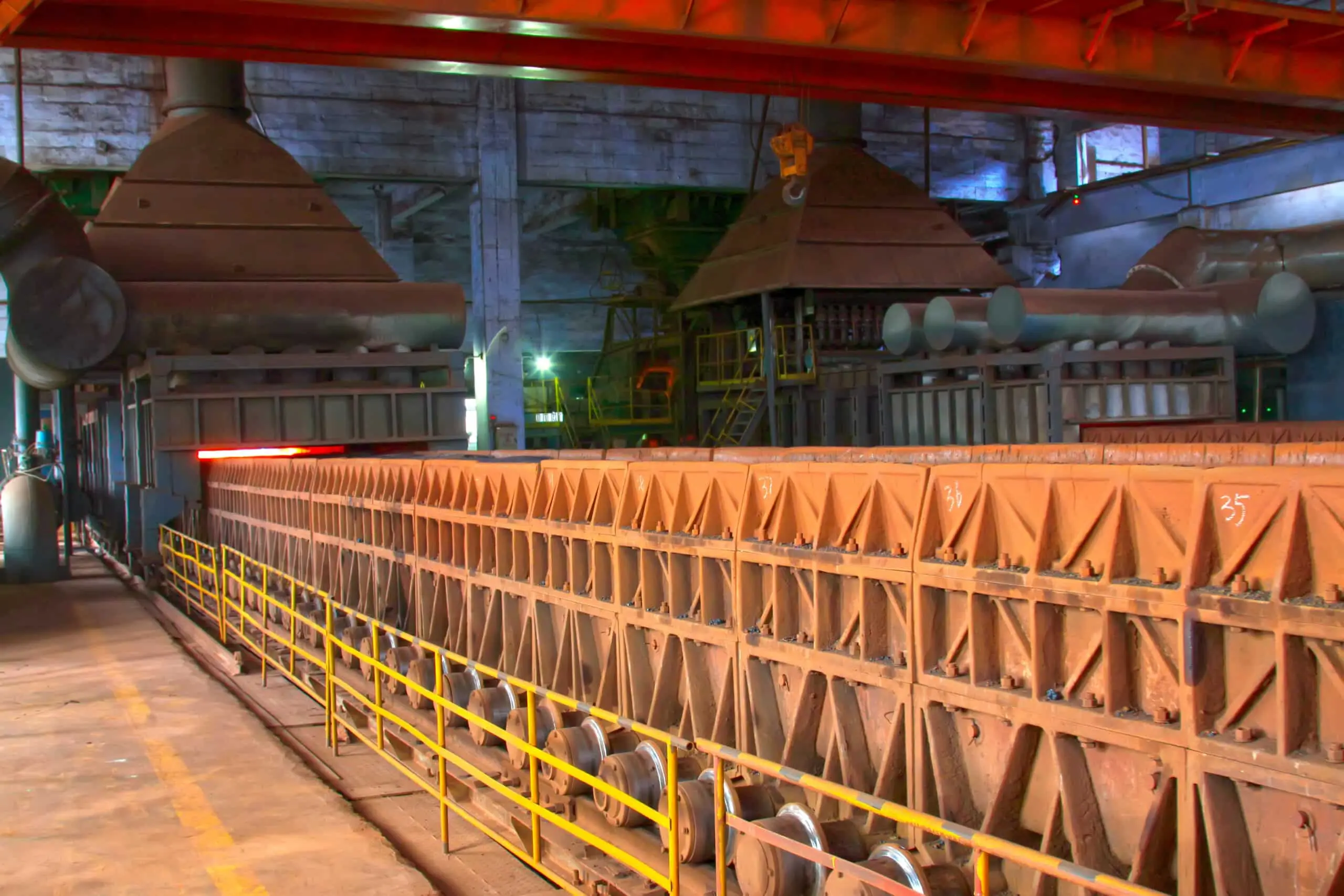
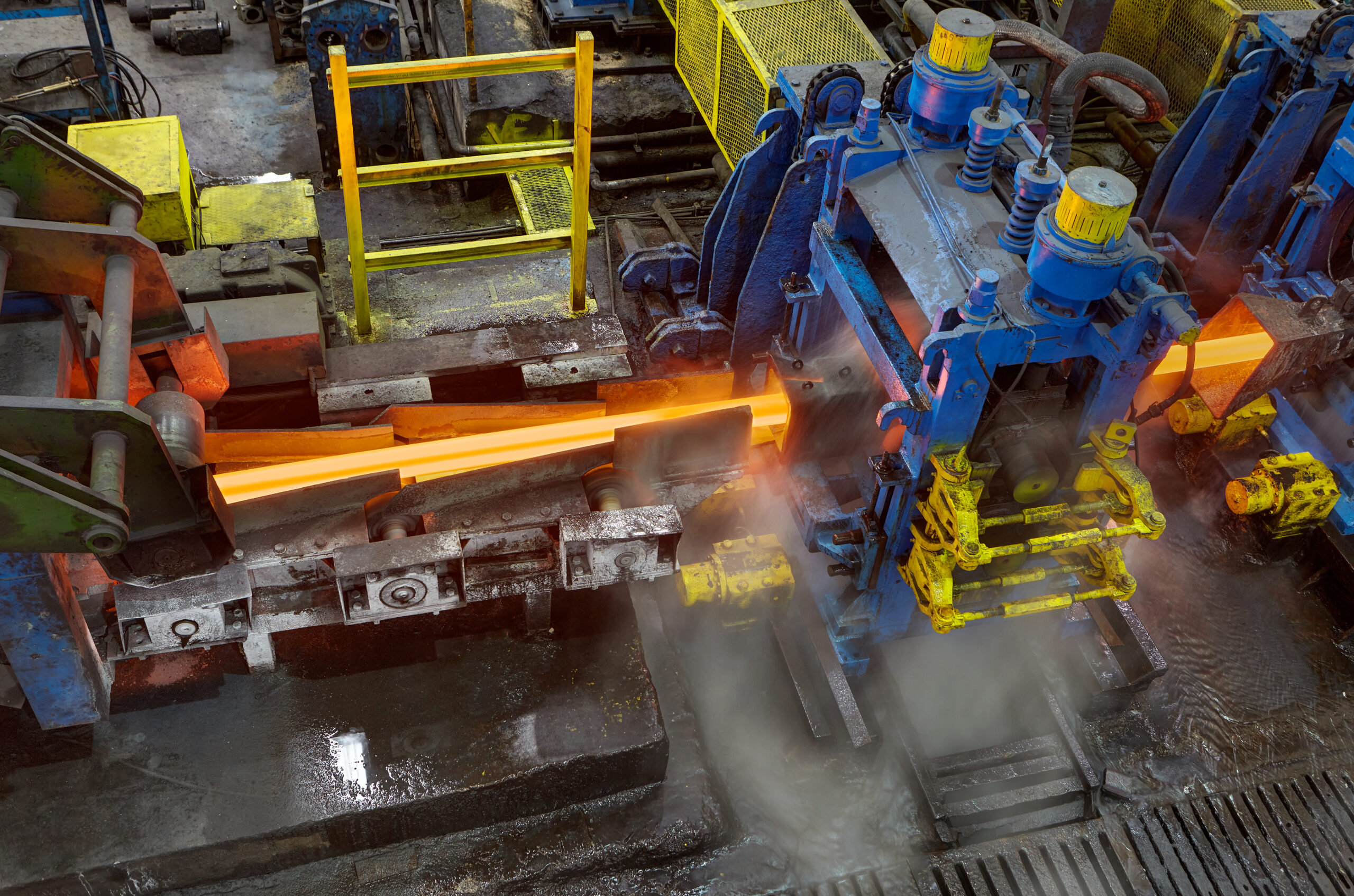
Home  Case Studies Accurate Non-Contact Temperature Measurement during injection molding extrusion and blow molding Accurate Non-Contact Temperature Measurement during injection molding, extrusion and blow molding Accurate temperature measurement ensures homogenous wall thickness Minimizes risk of expensive ‘injection tool damage’ Provides object actual temperature Challenge Overheating/ underheating results in undesired shrinkage and white-spots Solution Accurate temperature measurement ensures homogenous wall thickness and mold cooling efficiency Solves problem of double shot Provides object actual temperature Minimizes risk of expensive ‘injection tool damage System features include Optical resolution options: 80×80 pixels or 382×288 pixels Temperature range of -20°C to 900°C Products and Accessories Thermal imaging camera for plastics applications Case Study Number TP3 Challenge The increasing flexibility of production lines requires a high adaptability of sensors. Continually changing object geometries, different temperatures and very high radiation or surrounding temperatures are no rarity. In a pilger mill those rough conditions can be found, among others in the production of seemless steel pipes. The raw steel blocks, each weighing a few tons are heated up first in a round oven at a temperature of 1300 °C. After descaling of the surface, the steel block is prepunched in a hole press with a strength from a converted 2000 t. In the next sloping rolling mill the growing pipe rotates between two rollers that are positioned at an angle to each other. The punching is widened to the size of the mandrel diameter. Previous solution / Competitor product N/A Solution The sensor that was installed at this application is the HMD OKA 2038.38 G with tube OL 19. The signal of the infrared sensors controls the movement of centering device and abutment. The point of view is restricted by the tube and prevents disturbances by steam in the cooling phase. An optimum adaptation to the operating conditions is given due to the adjustable response temperature. The HMD with self-learning response temperature (Auto-Teach function) is suited to continually changing conditions. The compact sensor with a stainless steel housing can withstand surrounding temperatures of up to 75° C. The use of a cooling jacket raises this up to 200° C. Alternatively sensors with fibre optic cables are available which permit an application at ambient temperatures up to 600° C without cooling. Customer Benefits Maintenance-free High temperature stability Recognition of hot objects at big distances Self adjustment with Auto-Teach or step switch for the response temperature Product Part number OKA 2038.38 G Brand Proxitron Accessories Piros swivel stand HM2 Tube OL 19 Pilot light unit (for alignment) DAK 308 + OL 26 Different cable lengths (e.g. 15 m) Customer Testimonial compared to previous solution or competition Case Studies Other Solutions in Plastics industry Sample case study title lorem ipsum here Short description of the problem solved, maybe include the client name. READ MORE Sample case study title lorem ipsum here Short description of the problem solved, maybe include the client name. READ MORE Sample case study title lorem ipsum here Short description of the problem solved, maybe include the client name. READ MORE View All


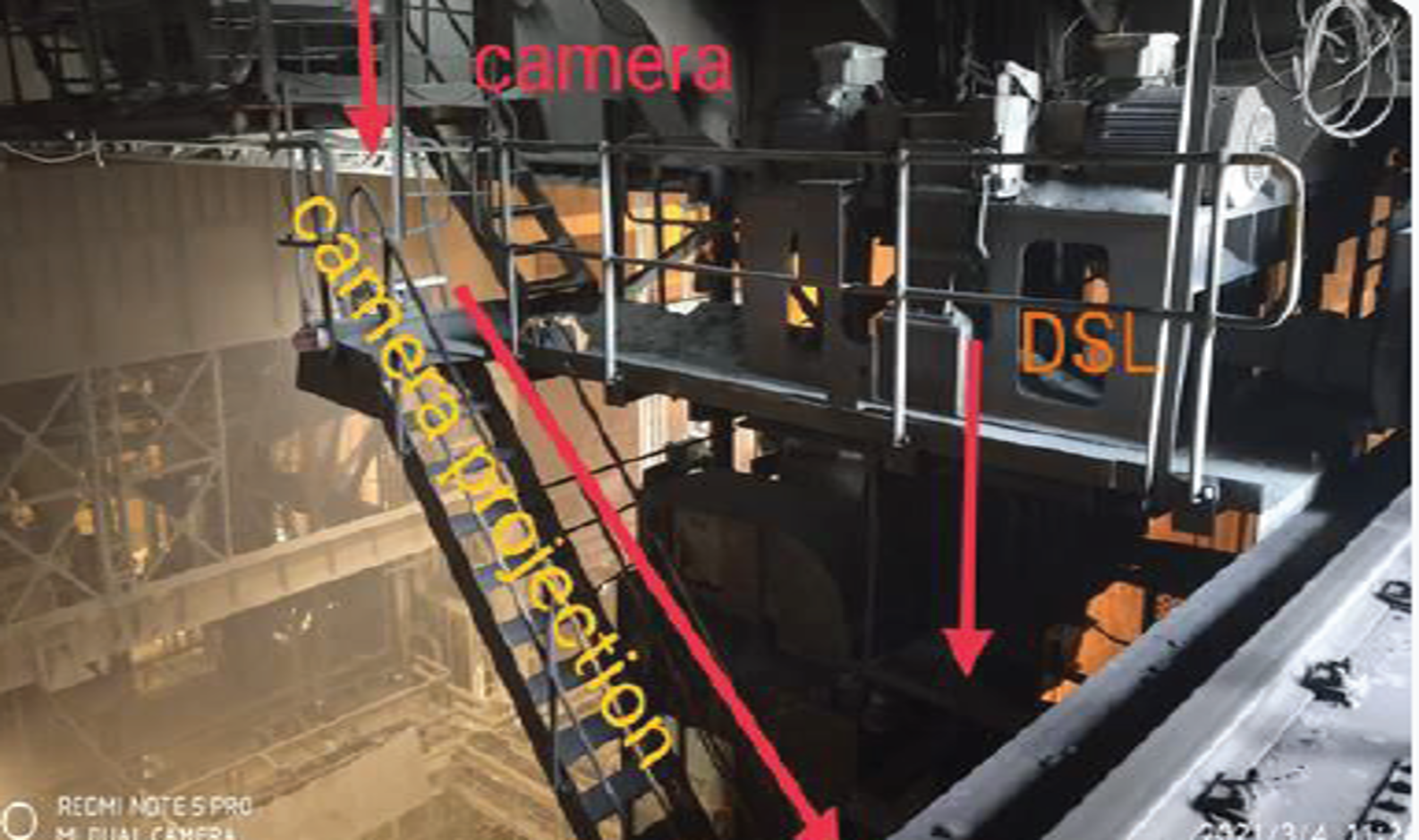
Hoist / Drum: Improved operating reliability and positioning accuracy at the ladle crane

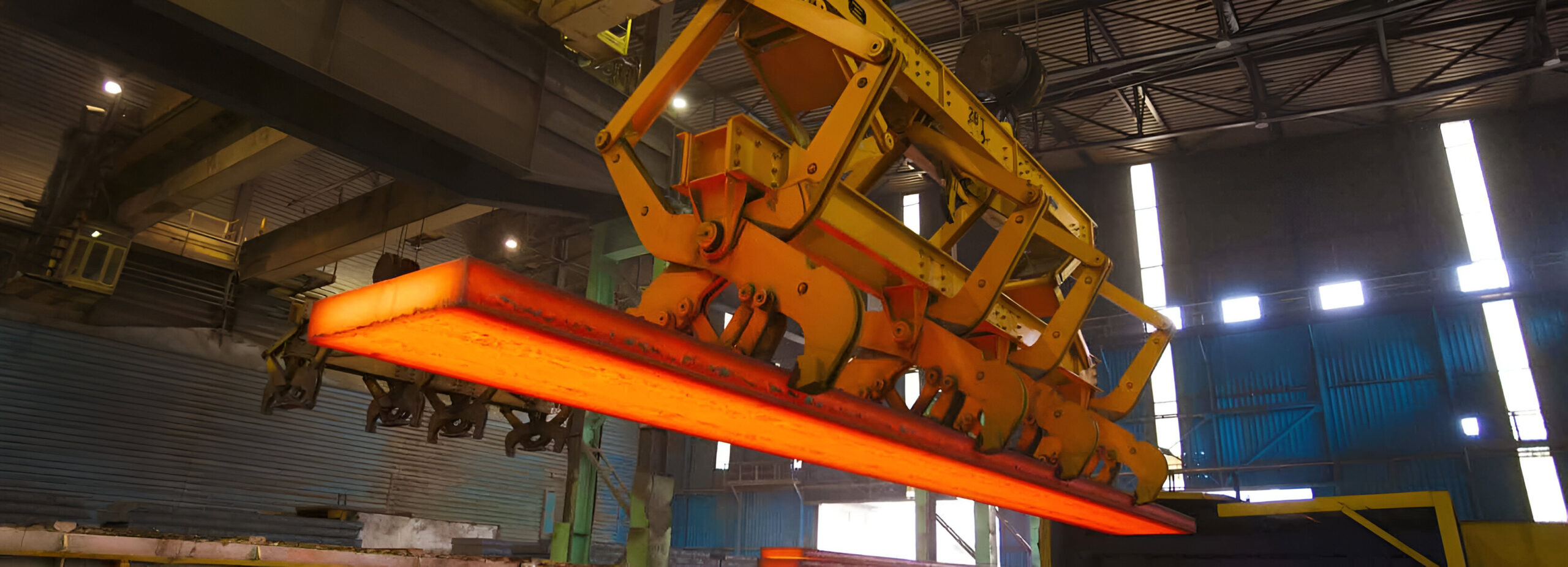
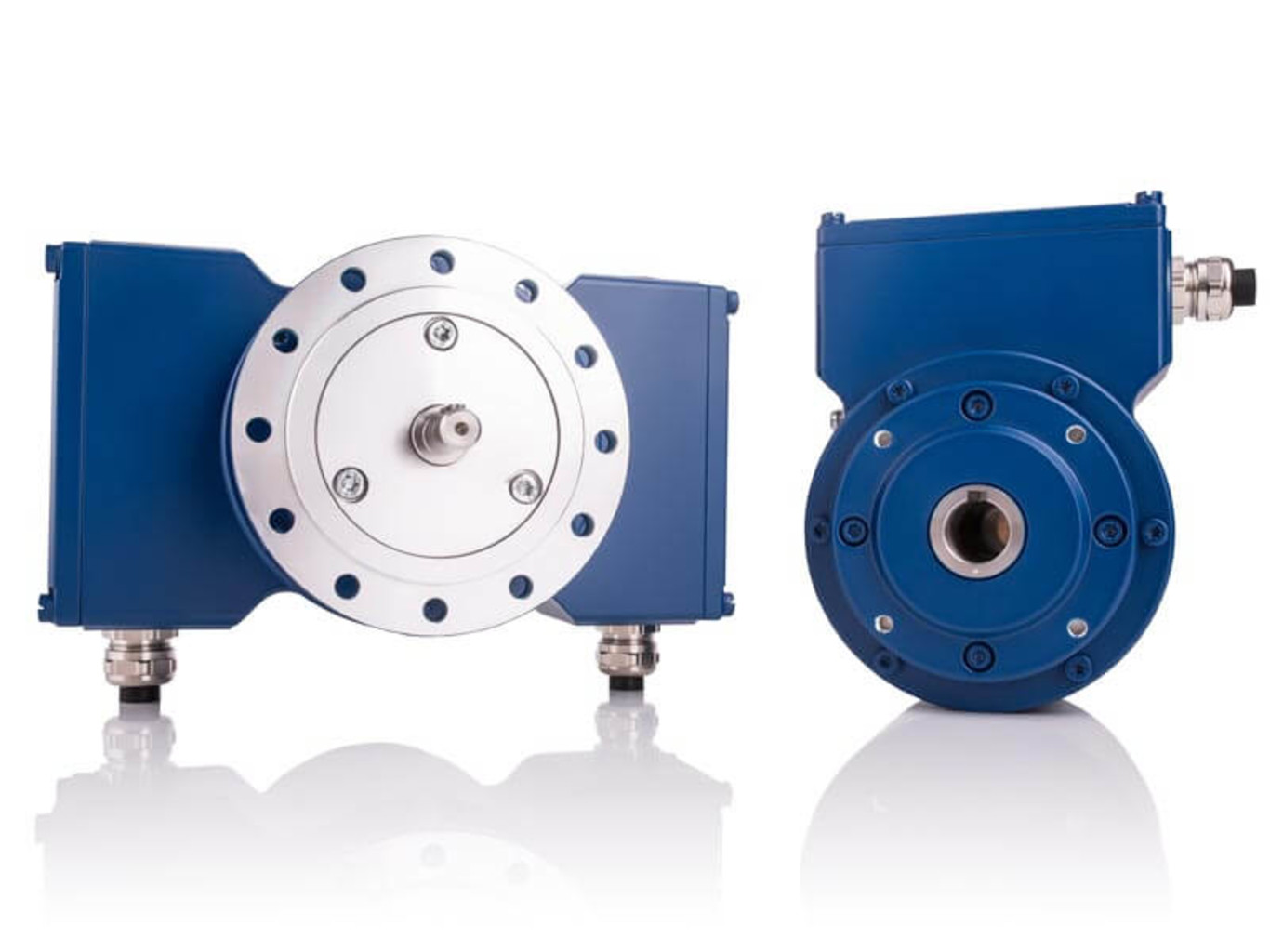
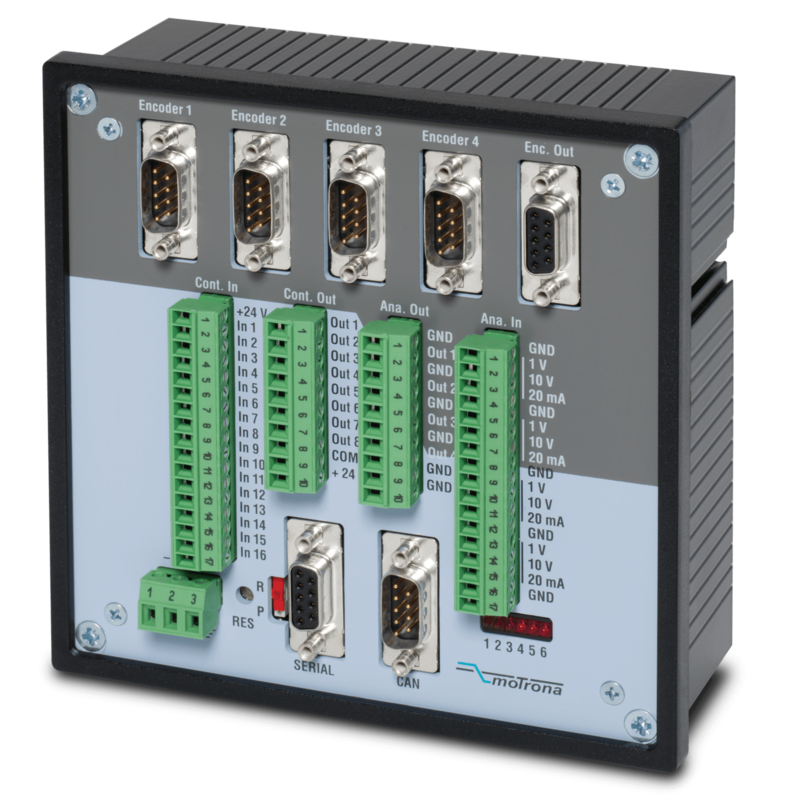
Fundamentally improve the operating reliability and positioning accuracy of the ladle crane hoist used in steel production. Installation of the modular universal encoder system U-ONE, which offers the following special characteristics • Basic unit mounted directly at the hoist drum by using a double joint coupling on a tailor-made base plate construction • Signal transmission via fiber optic cable prevents EMC problems Home  Case Studies Hoist /Drum: Improved operating reliability and positioning accuracy at the ladle crane Hoist / Drum: Improved operating reliability and positioning accuracy at the ladle crane Home    Case Studies    Pilger mill in tube rolling mills – hot and cold pipe detection Pilger mill in tube rolling mills – hot and cold pipe detection Reliable braking when overspeed is detected Precise switching of hoist positions Configure parameters quickly and easily Preset shortens downtimes after rope change Before: Hoist drum with mechanical rotary cam limit switch, but without overspeed detection. Bottom right, the new holding brake. Task Fundamentally improve the operating reliability and positioningaccuracy of the ladle crane hoist used in steel production byimplementing the following measures:      • Replacement of the existing mechanical cam limitswitch with an electronic                      position switch that ensures significantly higher accuracy      • Additional implementation of an electronic overspeed switch to realize overspeed            detection as well as an emergency break After: Hoist drum with U-ONE basic unit and holding brake. The photo right shows the U-ONE electronic modules in the switchboard Solution Installation of the modular universal encoder system U-ONE, which offers the following special characteristics:• Basic unit mounted directly at the hoist drum by using a double joint coupling on a tailor-made base plate construction• Signal transmission via fiber optic cable prevents EMC problems• The following electronic modules were installed, well-protected in the switchboard:   • FOC decoder   • Electronic position switch (ERC) with 6 relay outputs and preset input to facilitate             plant adjustments   • Electronic overspeed switch (EGS) with 2 relay outputs and     integrated system check function Products and Accessories Universal Encoder Heavy duty absolute encoder Heavy duty programmable overspeed switch Case Study Number TP3 Challenge The increasing flexibility of production lines requires a high adaptability of sensors. Continually changing object geometries, different temperatures and very high radiation or surrounding temperatures are no rarity. In a pilger mill those rough conditions can be found, among others in the production of seemless steel pipes. The raw steel blocks, each weighing a few tons are heated up first in a round oven at a temperature of 1300 °C. After descaling of the surface, the steel block is prepunched in a hole press with a strength from a converted 2000 t. In the next sloping rolling mill the growing pipe rotates between two rollers that are positioned at an angle to each other. The punching is widened to the size of the mandrel diameter. Previous solution / Competitor product N/A Solution The sensor that was installed at this application is the HMD OKA 2038.38 G with tube OL 19. The signal of the infrared sensors controls the movement of centering device and abutment. The point of view is restricted by the tube and prevents disturbances by steam in the cooling phase. An optimum adaptation to the operating conditions is given due to the adjustable response temperature. The HMD with self-learning response temperature (Auto-Teach function) is suited to continually changing conditions. The compact sensor with a stainless steel housing can withstand surrounding temperatures of up to 75° C. The use of a cooling jacket raises this up to 200° C. Alternatively sensors with fibre optic cables are available which permit an application at ambient temperatures up to 600° C without cooling. Customer Benefits Maintenance-free High temperature stability Recognition of hot objects at big distances Self adjustment with Auto-Teach or step switch for the response temperature Product Part number OKA 2038.38 G Brand Proxitron Accessories Piros swivel stand HM2 Tube OL 19 Pilot light unit (for alignment) DAK 308 + OL 26 Different cable lengths (e.g. 15 m) Customer Testimonial compared to previous solution or competition Case Studies Other Solutions in Mining & Material Handling Sample case study title lorem ipsum here Short description of the problem solved, maybe include the client name. READ MORE Sample case study title lorem ipsum here Short description of the problem solved, maybe include the client name. READ MORE Sample case study title lorem ipsum here Short description of the problem solved, maybe include the client name. READ MORE View All
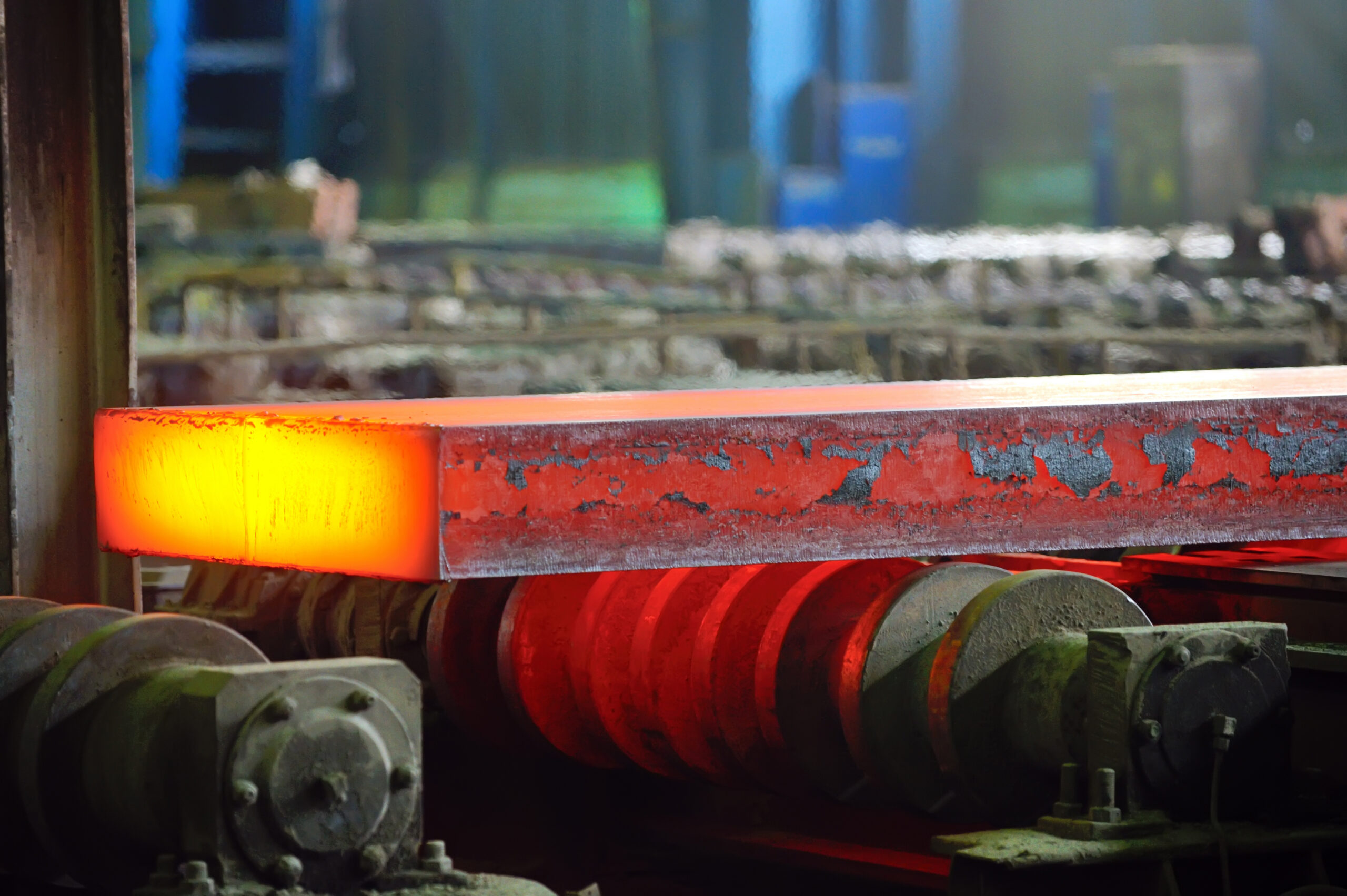
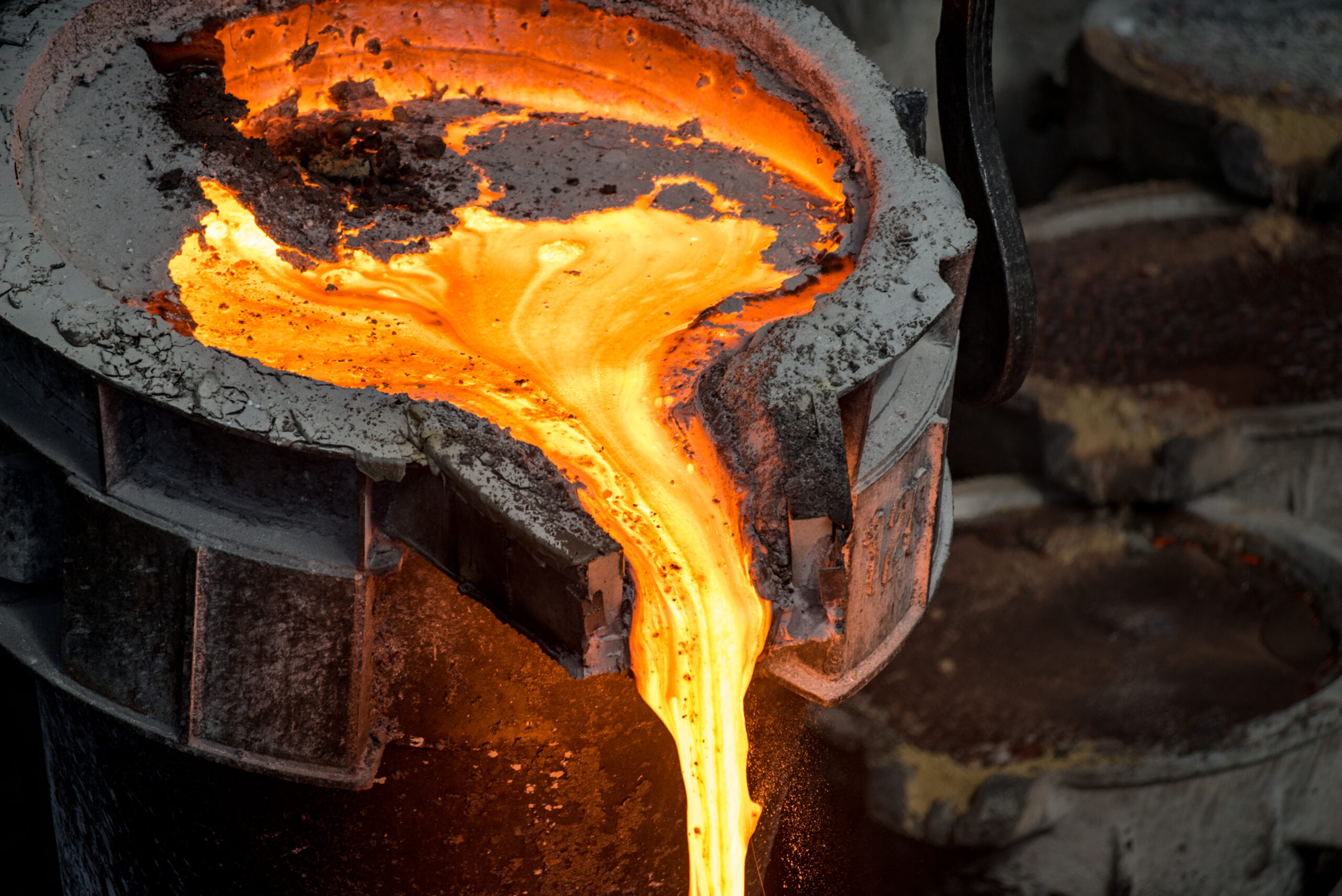
Benefits of using a thermal imaging camera in a cast iron foundry

Home  Case Studies Benefits of using a thermal imaging camera in a cast iron foundry Benefits of using a thermal imaging camera in a cast iron foundry Continuous temperature monitoring Optimum process control achieved resulting in reduced electricity wastage Reduces safety hazard for operator One time investment with no recurring costs Challenges Accurate temperature monitoring is critical to ensure high quality and efficiency of the casting process as the quality of casting is highly dependent on the temperature of the molten metal. Low temperatures result in poor quality of casting whereas too high temperatures results in energy wastage and may cause damage to the ladle refractory. Mostly commonly thermocouples are used to measure temperature by dipping it in the molten metal in the ladle. Although thermocouples can be used to measure the final tapping temperatures after the liquid has been poured into moulds, they cannot measure temperature of the pouring stream. By the dipping approach, the operator needs to manually take the measurement and requires him to be in close proximity. Thermocouples only give temperature readings at specific time points (when dipped). Furthermore, tips need to be continually replaced resulting in ongoing consumables cost.   Solution Thermal imaging cameras provide a more accurate alternative to thermocouples by measuring the temperature of the liquid tapping stream as it is being poured into the mould to make the final product. The solution has the following benefits – No alignment issue: Hot spot detector automatically differentiates between slag and hot metal Increases productivity: Non-contact measurement does not interrupt tapping / casting process Provide traceability: Each melt temperature is recorded with image Improved product quality: with precise temperature control No recurring consumable cost: One time investment, with payback in few months. Products and Accessories Thermal Imaging Protective Housing Cooling Jacket Laminar Air purge Case Study Number TP3 Challenge The increasing flexibility of production lines requires a high adaptability of sensors. Continually changing object geometries, different temperatures and very high radiation or surrounding temperatures are no rarity. In a pilger mill those rough conditions can be found, among others in the production of seemless steel pipes. The raw steel blocks, each weighing a few tons are heated up first in a round oven at a temperature of 1300 °C. After descaling of the surface, the steel block is prepunched in a hole press with a strength from a converted 2000 t. In the next sloping rolling mill the growing pipe rotates between two rollers that are positioned at an angle to each other. The punching is widened to the size of the mandrel diameter. Previous solution / Competitor product N/A Solution The sensor that was installed at this application is the HMD OKA 2038.38 G with tube OL 19. The signal of the infrared sensors controls the movement of centering device and abutment. The point of view is restricted by the tube and prevents disturbances by steam in the cooling phase. An optimum adaptation to the operating conditions is given due to the adjustable response temperature. The HMD with self-learning response temperature (Auto-Teach function) is suited to continually changing conditions. The compact sensor with a stainless steel housing can withstand surrounding temperatures of up to 75° C. The use of a cooling jacket raises this up to 200° C. Alternatively sensors with fibre optic cables are available which permit an application at ambient temperatures up to 600° C without cooling. Customer Benefits Maintenance-free High temperature stability Recognition of hot objects at big distances Self adjustment with Auto-Teach or step switch for the response temperature Product Part number OKA 2038.38 G Brand Proxitron Accessories Piros swivel stand HM2 Tube OL 19 Pilot light unit (for alignment) DAK 308 + OL 26 Different cable lengths (e.g. 15 m) Customer Testimonial compared to previous solution or competition Case Studies Other Solutions in Hot Rolling Mills Sample case study title lorem ipsum here Short description of the problem solved, maybe include the client name. READ MORE Sample case study title lorem ipsum here Short description of the problem solved, maybe include the client name. READ MORE Sample case study title lorem ipsum here Short description of the problem solved, maybe include the client name. READ MORE View All

We are a trusted automation solution partner for Integrated Steel Plants.

How do we help you to find the right solution?

We work with you to create a customised solution which meets your requirements and solves your problem in the most cost-effective way. Get in touch to get started.
Know which product you need?

Business Partners

Get In Touch

Get In Touch

Contact Information

Retail & Distribution

(For Electro-Electric Components)

sales@manglamelectricals.com

+91-1142740081

1826/II/23 New Amar Nath Building, Bhagirath Palace, Chandni Chowk, Delhi – 110006, India

Sensors and Solutions

(For Sensor Technology)

enquiry@manglamelectricals.com

+91-9818400356

Registered Office:

Tower C, 12 Jamuna Road, Civil Lines, Delhi-110054, India

Corporate Office:

1826/II/23 New Amar Nath Building, Bhagirath Palace, Chandni Chowk, Delhi – 110 006, India

Latest News

Sample case study title lorem ipsum here

Short description of the problem solved, maybe include the client name.

READ MORE

Sample case study title lorem ipsum here

Short description of the problem solved, maybe include the client name.

READ MORE

Sample case study title lorem ipsum here

Short description of the problem solved, maybe include the client name.

READ MORE
GET IN TOUCH