
Tag: IR pyrometers

The Role of Ratio Pyrometers in Metal Processing and Heat Treatment
In the world of metal processing and heat treatment, precision and efficiency are paramount. Accurate temperature measurement is critical to ensuring product quality, optimizing processes, and maintaining safety standards. This is where the importance of ratio pyrometers comes into play. These advanced instruments are revolutionizing the way industries manage thermal processes, offering unmatched accuracy even in the most challenging environments. At the core of this technology lies the infrared pyrometer, also known as an IR pyrometer. Designed for non-contact temperature measurement, pyrometers have become indispensable tools in industries where high temperatures and harsh conditions prevail. This article delves into the critical role of ratio pyrometers in metal processing and heat treatment, highlighting their benefits, applications, and technological advancements. Understanding Pyrometers and Their Evolution A pyrometer is an instrument used to measure high temperatures without direct contact with the object. Traditional contact-based thermometers are not suitable for extreme environments where temperatures can soar beyond the limits of conventional sensors. This is where the non-contact pyrometer excels, leveraging infrared technology to detect thermal radiation emitted by hot surfaces. Over time, pyrometers have evolved from basic optical devices to sophisticated infrared systems. Among these, the ratio pyrometer stands out for its ability to provide accurate readings even in dynamic industrial conditions, such as fluctuating emissivity, dust, and vapor interference. What is a Ratio Pyrometer? A ratio pyrometer, often referred to as a two-color pyrometer, measures temperature based on the ratio of infrared radiation at two different wavelengths. Unlike traditional single-wavelength pyrometers, which can be affected by emissivity variations or partial obstructions, ratio pyrometers maintain accuracy under challenging conditions. Key Features of Ratio Pyrometers: Non-Contact Measurement: Eliminates the need for direct contact, making it ideal for high-temperature environments. High Accuracy: Provides precise readings despite dust, smoke, or changes in surface emissivity. Versatile Applications: Suitable for metals, glass, ceramics, and other materials with fluctuating emissivity. This makes ratio pyrometers particularly valuable in metal processing, where accurate temperature control is critical for product quality and process efficiency. The Role of Ratio Pyrometers in Metal Processing Metal processing involves operations like forging, rolling, casting, and annealing—all of which require precise temperature management. Inconsistent temperature can lead to defects such as cracks, warping, or compromised material properties. Ratio pyrometers play a pivotal role in mitigating these risks. High-Temperature Measurement In metal processing, temperatures often exceed 1000°C, beyond the capability of standard thermocouples. A IR pyrometer can measure these extreme temperatures without degradation, ensuring consistent monitoring throughout the process. Real-Time Monitoring Continuous temperature monitoring is vital during processes like hot rolling and extrusion. Non-contact pyrometers enable real-time feedback, allowing operators to make immediate adjustments to maintain process stability. Emissivity Compensation Metal surfaces can vary in emissivity due to oxidation, surface finish, or contamination. Ratio pyrometers automatically compensate for these variations, delivering reliable data even when surface conditions change. Enhancing Heat Treatment Processes with Ratio Pyrometers Heat treatment processes such as hardening, tempering, annealing, and quenching are highly sensitive to temperature fluctuations. The success of these treatments directly impacts material hardness, strength, and durability. Precise Temperature Control Maintaining precise temperature thresholds is crucial for achieving desired material properties. A pyrometer ensures tight control, reducing the risk of overheating or underheating during treatment cycles. Non-Intrusive Monitoring Unlike thermocouples that require insertion into the material, non-contact pyrometers monitor temperatures externally, eliminating contamination risks and minimizing process disruption. Energy Efficiency Accurate temperature measurement helps optimize furnace operations, reducing energy consumption and operational costs. This is particularly important in large-scale heat treatment facilities where energy efficiency is a key performance metric. Advantages of Using Ratio Pyrometers Ratio pyrometers offer several distinct advantages over traditional temperature measurement methods: Accuracy in Harsh Conditions: Maintains precision despite dust, smoke, or partial obstructions. Flexible Mounting Options: Can be installed in challenging locations where contact sensors are impractical. Wide Temperature Range: Suitable for extreme temperatures common in metal processing. Low Maintenance: Non-contact operation reduces wear and tear, ensuring long-term reliability. These benefits make ratio pyrometers a preferred choice in industries where precision and durability are non-negotiable. Applications Beyond Metal Processing While metal processing and heat treatment are primary applications, ratio pyrometers are versatile instruments used across various industries: Glass Manufacturing: Monitoring furnace temperatures to ensure product uniformity. Ceramics Production: Controlling kiln environments for consistent firing results. Semiconductor Industry: Managing delicate thermal processes in chip fabrication. Power Plants: Monitoring boiler and turbine temperatures for efficiency and safety. Choosing the Right Pyrometer for Your Needs Selecting the appropriate IR pyrometer depends on several factors: Temperature Range: Ensure the device covers the required range for your application. Environmental Conditions: Consider factors like dust, vibration, and ambient temperature. Target Material: Different materials have unique emissivity characteristics that influence measurement accuracy. Response Time: Fast response is critical in dynamic processes where temperatures change rapidly. For businesses looking to invest in advanced temperature measurement solutions, Mangalam offers a wide range of cutting-edge pyrometers designed to meet diverse industrial needs. Explore their offerings here. The role of ratio pyrometers in metal processing and heat treatment cannot be overstated. Their ability to deliver precise, real-time temperature data under challenging conditions makes them invaluable for ensuring product quality, process efficiency, and operational safety. By investing in advanced non-contact pyrometers, industries can enhance their thermal management strategies, reduce operational costs, and maintain a competitive edge in today’s demanding market. For reliable, high-performance pyrometers, Manglam Electricals stands as a trusted partner, offering innovative solutions tailored to your industrial requirements.
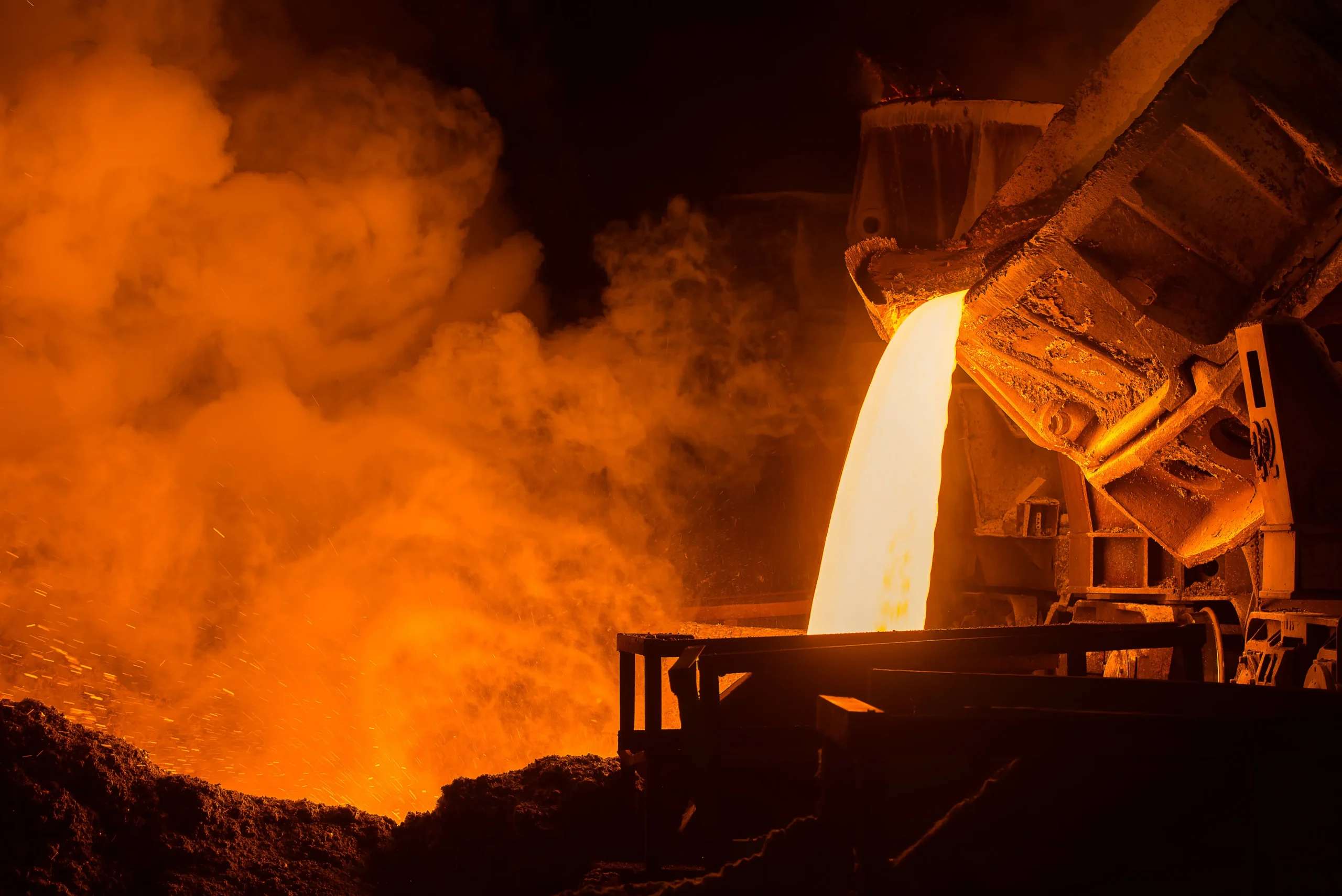
Ensuring Steel Industry Safety with Pyrometers: A Comprehensive Guide
Safety and efficiency are paramount in the steel industry due to the extreme temperatures and complex processes involved. Accurate temperature measurement is important for ensuring that steel production operates smoothly and safely. Traditional methods of temperature monitoring often fall short in providing the precision and reliability needed. This is where pyrometers enter. These advanced instruments offer non-contact temperature measurement, which is essential for managing the high temperatures typical in steel manufacturing. Here, you will explore how pyrometers increase safety in the steel industry and various other aspects. What Are Pyrometers? Pyrometers are devices used to measure the temperature of an object without any physical contact. They operate by detecting the infrared radiation that an object emits and converting it into a temperature reading. This is especially useful in industries like steel manufacturing, where direct contact with extremely hot materials can be dangerous and impractical. The two main types of pyrometers used in the industry are infrared pyrometers and ratio pyrometers. Each type serves specific requirements based on the temperature range and material characteristics. IR pyrometers are designed to measure temperatures from a distance by detecting infrared radiation from the material’s surface. They are especially beneficial in environments where it is unsafe or impossible to take direct measurements. On the other hand, ratio pyrometers use dual-wavelength measurement to improve accuracy, especially in environments with varying emissivity or where the material’s surface characteristics change. Why is Temperature Control Important in Steel Production? Precise Process Management Accurate temperature control is essential for managing various stages of steel production, including melting, casting, and rolling. Each stage requires specific temperature ranges to ensure proper material properties and prevent defects. Maintaining precise temperatures also ensures the efficiency of energy consumption in the process. Safety Risks Inaccurate temperature readings can lead to overheating, which poses significant safety risks, including potential equipment failures and hazardous conditions for workers. Proper temperature control helps mitigate these risks, creating a safer working environment. Product Quality Maintaining the correct temperature ensures that the steel solidifies properly and maintains its structural integrity, avoiding defects and ensuring high-quality end products. Consistent temperature control is essential for meeting industry standards and customer specifications. Operational Efficiency Proper temperature management reduces wastage and rework, contributing to more efficient production processes and lower operational costs. Effective temperature control also helps in optimizing the use of raw materials and reducing energy consumption. How Pyrometers Improve Steel Industrial Safety? Non-Contact Measurement Non-contact pyrometers provide precise temperature readings without physical contact that ultimately reduces the risk of exposure to extreme heat for workers. This feature is particularly useful in monitoring processes where direct measurement is impractical or unsafe. Real-Time Monitoring Pyrometers offer real-time data on temperature, allowing for immediate detection of anomalies and enabling quick corrective actions to prevent potential safety hazards. Real-time monitoring helps in maintaining continuous oversight of critical temperature points. Preventing Overheating By monitoring temperatures continuously, pyrometers help prevent overheating of equipment, reducing the risk of malfunctions and extending the lifespan of machinery. This proactive approach helps in avoiding unexpected downtime and costly repairs. Improved Worker Safety Using infrared pyrometers minimizes the need for workers to interact directly with high-temperature processes, improving overall workplace safety. This reduces the likelihood of heat-related injuries and improves overall working conditions. Additional Benefits of Using Pyrometers in Steel Manufacturing Increased Efficiency Pyrometers facilitate continuous temperature monitoring, leading to improved control over production processes and higher efficiency in operations. Efficient temperature management also helps in streamlining production workflows. Cost Savings Accurate temperature measurements help prevent equipment damage and reduce maintenance costs, resulting in significant cost savings over time. These savings can be reinvested in other areas of the production process to further enhance efficiency. Better Quality Control Consistent temperature readings ensure that the steel produced meets quality standards, reducing defects and ensuring uniform product quality. This also helps maintain customer satisfaction and compliance with industry regulations. Reduced Downtime Early detection of potential issues allows for timely interventions, minimizing production downtime and improving overall operational uptime. This contributes to a more reliable production schedule and better resource utilization. Selecting the Right Pyrometer for Steel Industry Applications Temperature Range Choose a high temperature pyrometer that matches the temperature ranges specific to your steel production processes. For extreme temperatures, ensure the pyrometer can handle the required ranges. Spectral Range and Accuracy Depending on the material being measured, select a ratio pyrometer or two color pyrometer with appropriate spectral ranges and accuracy. This ensures precise measurements even in challenging environments. Design and Features Consider the design of the pyrometer, such as compact models for tight spaces or those with advanced features like laser sighting and video capabilities. Application Suitability Match the pyrometer’s capabilities to your specific application needs, whether for casting, rolling or other steel manufacturing processes. Ensure that the pyrometer’s specifications align with your facility’s operational requirements. In the steel industry, ensuring safety and efficiency through precise temperature measurement is critical. Pyrometers provide a reliable solution for monitoring high temperatures without direct contact, thereby improving safety and operational efficiency. By investing in high-quality infrared pyrometers, steel manufacturers can significantly improve their production processes and reduce risks associated with temperature management. For those seeking advanced pyrometers, Mangalam Electricals offers a range of cutting-edge solutions designed to meet the demanding needs of the steel industry. Mangalam Electricals’ non-contact pyrometers are built to provide accurate and reliable temperature measurements, which is important for maintaining safe and efficient operations in steel manufacturing. Our expertise in sensor technology ensures that you have access to the most advanced solutions for your temperature measurement needs. Contact Manglam Electricals today to find a suitable pyrometer for your steel industry!

Types of Pyrometers in the Steel Industry
The steel industry is one of the most heat-intensive manufacturing sectors, with processes such as smelting, forging, and rolling requiring precise temperature control to ensure product quality and operational efficiency. Given the extreme temperatures involved, traditional contact thermometers are not suitable for these environments. This is where pyrometers—devices that measure temperature from a distance without making physical contact—play a critical role. Pyrometers are essential for monitoring the temperatures of molten metal, furnaces, and other hot surfaces, enabling manufacturers to achieve optimal results. Understanding the different types of pyrometers in the steel industry, here is a list that highlights the applications and benefits as well. 1. High-Temperature Pyrometers High-temperature pyrometers are essential in the steel industry due to the extreme heat levels involved in processes like smelting, casting, and rolling. These pyrometers can measure temperatures exceeding 1,500°C, making them ideal for monitoring the molten steel in furnaces and ladles. By providing accurate temperature readings in these high-temperature environments, these pyrometers ensure that the steel’s properties are maintained, resulting in improved product quality and reduced wastage. Their ability to function in such extreme heat makes them an indispensable tool in steel production. 2. Infrared Pyrometers The steel industry makes extensive use of infrared (IR) pyrometers for non-contact temperature measurements. These pyrometers sense the infrared radiation released by heated objects and translate it into a temperature measurement. IR pyrometers are particularly useful for measuring the surface temperature of steel slabs, billets, and rods as they move through the production line. With infrared pyrometers, the steel industry benefits from real-time temperature monitoring, which is crucial for maintaining consistent production quality. The infrared pyrometer price varies depending on features like temperature range and accuracy, making it a flexible option for different steel processes. 3. Ratio Pyrometers Ratio pyrometers, also known as two-color pyrometers, are ideal for environments where the measurement object is partially obscured by dust, smoke, or steam—common conditions in steel production plants. These pyrometers measure temperature by comparing the radiation emitted at two different wavelengths. This method is less sensitive to changes in emissivity and obstructions, providing accurate temperature readings even in challenging conditions. These types of pyrometer are particularly useful for monitoring the temperature of molten steel, ensuring that the production process remains stable despite environmental interferences. 4. Two-Color Pyrometers Two-color pyrometers are a specialized type of ratio pyrometer that offers increased accuracy and reliability, particularly for moving targets in the steel industry. These pyrometers measure temperature based on the ratio of light intensities at two wavelengths, making them effective in measuring temperatures of steel during rapid motion, such as in rolling mills. Two-color pyrometers are crucial for detecting surface temperature changes in steel billets and rods as they undergo cooling and rolling processes, ensuring uniform product quality across the production line. 5. Portable Pyrometers Portable pyrometers offer flexibility for on-the-go temperature measurements in various stages of steel production. These hand-held devices are ideal for spot-checking temperatures in furnaces, molds, or heat treatment chambers. Whether monitoring the temperature of steel slabs as they cool or ensuring that ladles are preheated to the correct temperature before molten steel is transferred, portable pyrometers provide a convenient and accurate solution. Their ease of use makes them a valuable tool for quality control teams in steel plants. 6. Fixed-Mount Pyrometers Fixed-mount pyrometers are designed to be permanently installed in a specific location within the steel production line, providing continuous and automated temperature monitoring. Since maintaining a constant temperature is essential to guaranteeing the quality of molten steel, these pyrometers are especially useful for monitoring furnaces. Fixed-mount pyrometers offer real-time data, allowing operators to make quick adjustments when necessary, reducing the risk of temperature fluctuations that could affect the steel’s properties. 7. Laser Pyrometers Laser pyrometers, a type of infrared pyrometer, use a laser pointer to accurately target the specific area where the temperature needs to be measured. This feature is particularly useful in steel plants where precision is crucial, such as in measuring the surface temperature of steel slabs or coils during the cooling process. Laser pyrometers ensure uniform cooling of steel, which is crucial for upholding the mechanical properties and structural integrity of the final product. In the steel industry, precise temperature control is essential for ensuring product quality, operational efficiency, and safety. Pyrometers, with their non-contact measurement capabilities, provide the accuracy and reliability needed to monitor high-temperature environments. Every type of pyrometer, from ratio pyrometers designed for harsh environments to high-temperature pyrometers used in furnaces, has a specific role in preserving the accuracy and productivity of steel production. By choosing the right pyrometer, whether it’s an IR pyrometer, two-color pyrometer, or portable pyrometer, steel manufacturers can ensure optimal temperature control, resulting in superior product quality and reduced downtime. As technology advances, pyrometers will continue to be a vital tool in the steel industry, contributing to more efficient and cost-effective production processes. Offering top-quality IR pyrometers, Manglam Electricals ensures that a comprehensive range of high-quality pyrometers are accessible and thoughtfully engineered to meet the needs of the steel industry. Our high-performance devices offer unmatched accuracy, durability, and versatility, ensuring optimal temperature control in even the most demanding environments. From smelting and casting to rolling and heat treatment, our pyrometers deliver precise measurements for critical processes. Enhance your steel production with Manglam Electricals’ precision pyrometers. Contact us today to learn more about how our pyrometers can improve the functional efficiency of processes in the steel industry.