Shopping Cart

close

No products in the cart.

Return to shop
Home Products    Sensor Technology  Speed   Incremental Encoders

Incremental Encoders

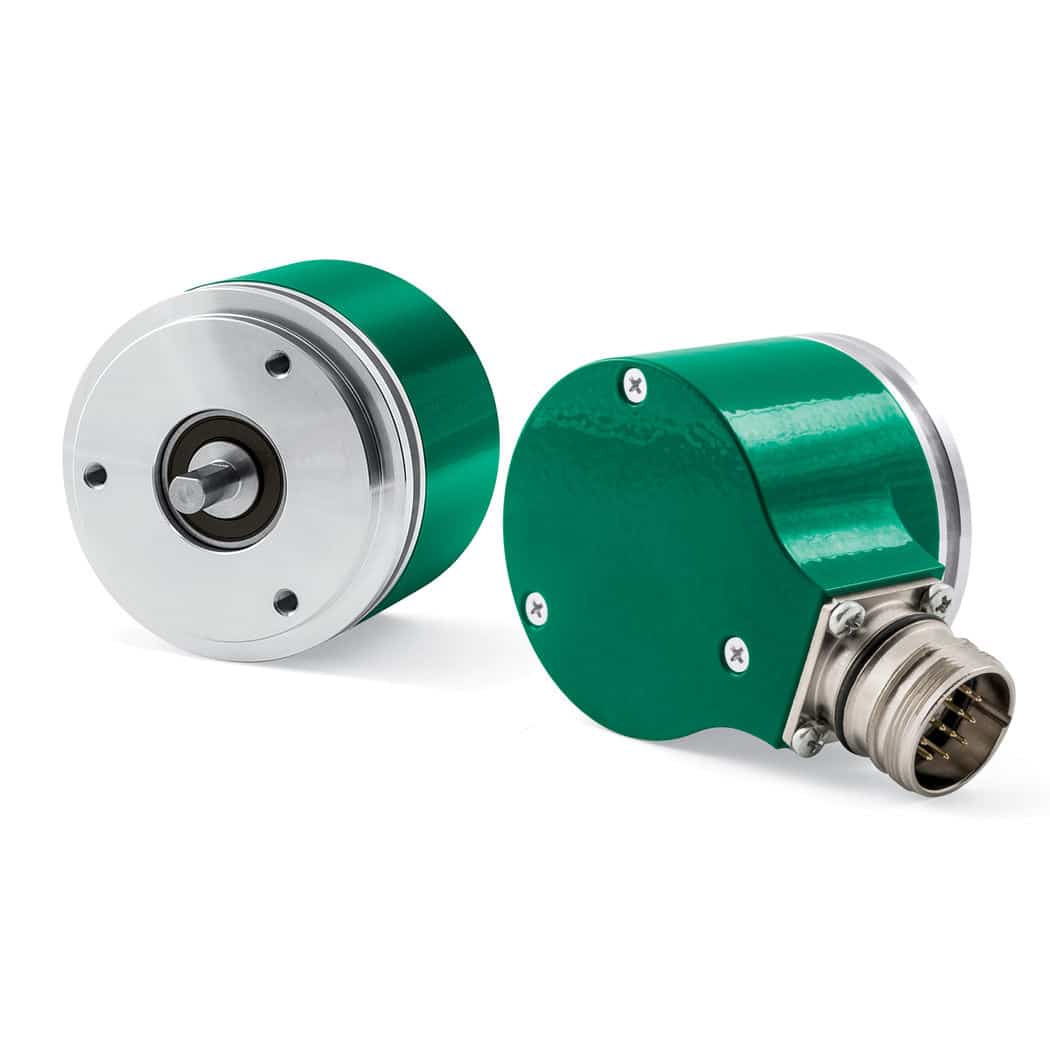
The incremental encoders can be deployed in a wide variety of applications to measure the speed of main drives, auxiliary and secondary drives in steel and rolling mills, in mining operations as well as in ports and crane systems.
Find The Best Incremental Encoder for Your Application

Specifications

Pulse per rotation: Up to 1 million (HTL/TTL)
Vibration / Shock resistance: 20 g / 150 g
Operating Temperature range:  -40°C +85°C
Solid shaft: Ø 11, 14 mm
Hollow shaft:Ø 16, 17, 20, 25, 50mm special
Signal Output
0°, 90°, N, Status (& inverted signal)

Specifications

Solid shaft: max 14 mm with and without foot

Hollow shaft: 12mm,16mm & 17mm Conical.
Pulse per rotation: 1- 1 million
Temperature range: -25°C to 85°C

Signal Output

0°, 90°, N, Status (& inverted signal)

Specifications

Shaft diameter: Ø 6, 8, 9.52, 10, 12 mm
Hollow shaft diameter: Ø 14, 15 mm.
Pulse per rotation: 1- 1 million
Temperature range: -40°C +100°C
Supply voltage: 5-30 VDC

Signal Output
PPR Pulse per Revolution

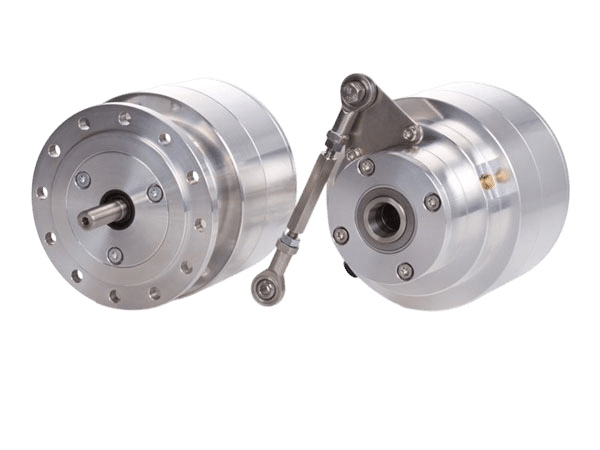
Specifications

Solid shaft: up to 7000 rpm / 200 kHz

Hollow shaft: up to 6000 rpm / 200 kHz

Device Temperature Range: -40 °C to +100 °C

Shock Resistance: Up to 200 g

Supply Voltage: 12-30 VDC
Output Signals:
A (0°), B (90°), Z (marker pulse), status and inverted signals

Get In Touch

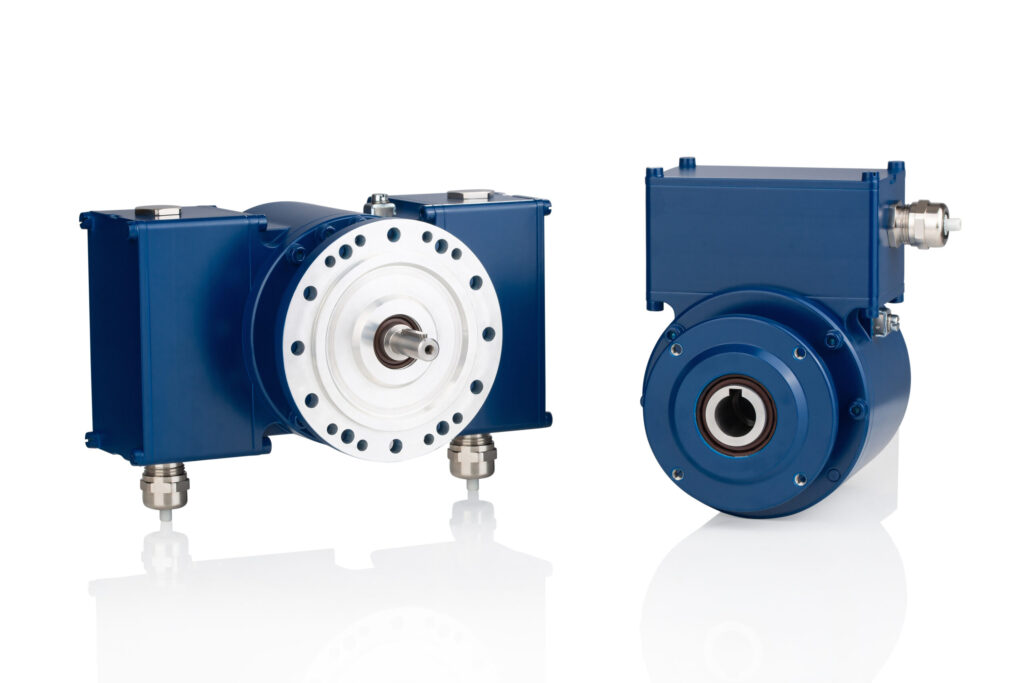
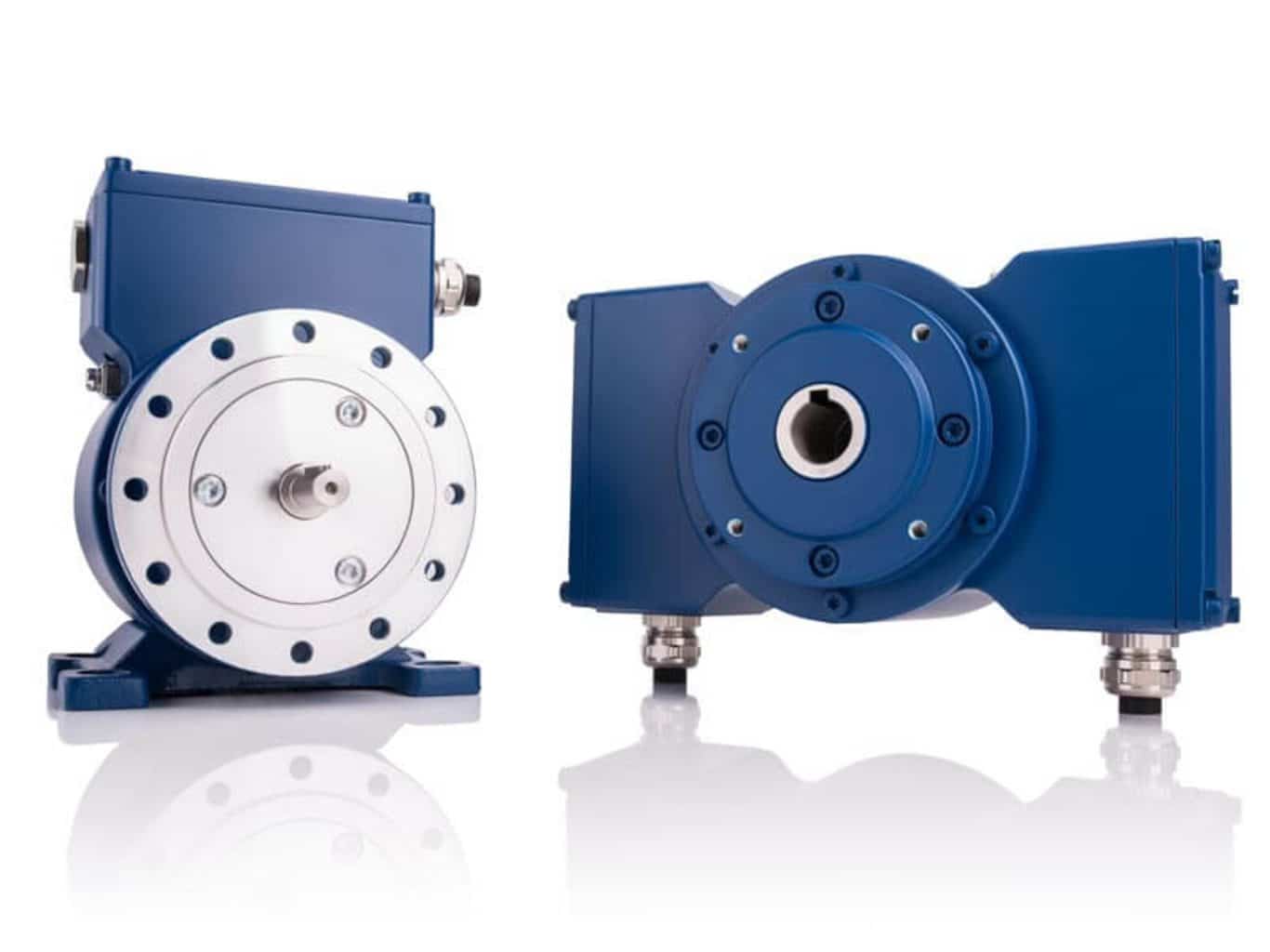
Rotary Heavy-duty Encoders

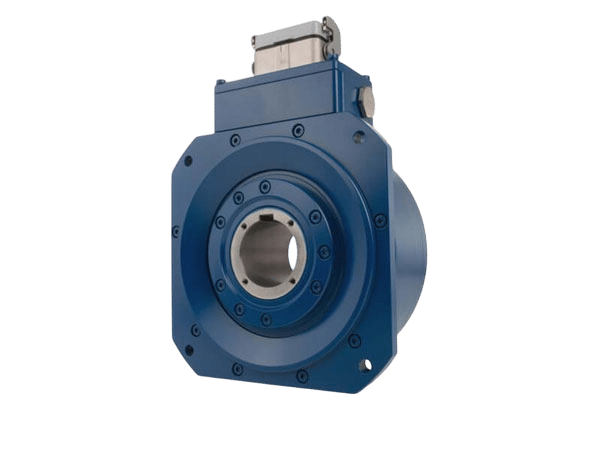
 Specifications

Shaft diameter: Ø 11 ,  14 mm with feather key
Hollow shaft diameter: Ø 16 , 19 , 20 with keyway
Pulse per rotation: up to 1 million (HTL/TTL)
Temperature range: -40°C +85°C
Supply voltage: 12-30 VDC

Signal Output
0°, 90°, N, status and inverted signals

Incremental Encoders :All Rounder Speed Measurement

An incremental encoder is a motion-sensing device used to convert rotary or linear movement into electrical signals for position and speed tracking. Common types include the incremental rotary encoder, which measures angular displacement, and the incremental shaft encoder, which is mounted directly on motor shafts for precise feedback.

These encoders are widely used in industrial automation and motion control systems where real-time data is essential. Unlike an absolute angle encoder, which provides a fixed position value, incremental encoders track relative motion from a starting point.

Also known as an incr encoder, this sensor generates quadrature output signals and offers high-resolution position feedback and speed measurement. Its performance, typically defined in PPR (pulses per revolution), makes it ideal for applications requiring accurate rotary motion sensing and control.

Applications of Incremental Encoder

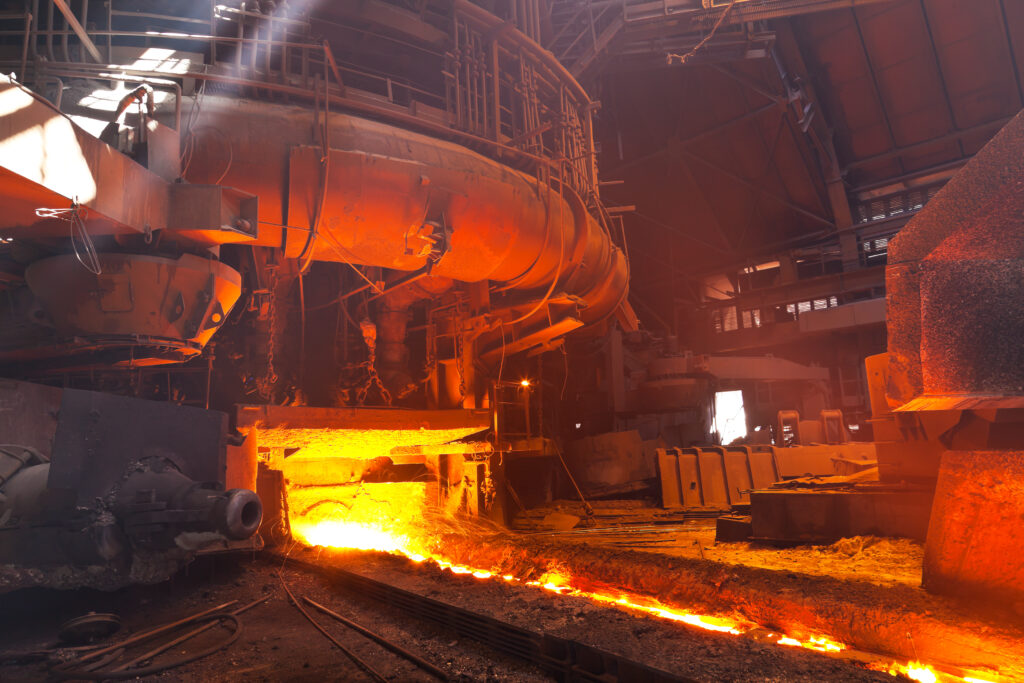
In blast furnaces, incremental encoders play a crucial role in monitoring and automating material handling processes. They are typically installed on skip car drives, charging systems, and rotating equipment to provide accurate position and speed feedback. This ensures that raw materials like iron ore, coke, and limestone are charged into the furnace in precise quantities and timing. Reliable encoder signals help maintain consistent process flow, reduce mechanical stress, and improve safety in the harsh, high-temperature environment of blast furnace operations.

Steel manufacturing involves multiple stages—casting, rolling, shearing, and coiling—all of which demand high-precision motion control. Incremental encoders are mounted on drive motors, rollers, and coilers to provide real-time feedback on rotation and linear speed. This helps ensure uniform thickness, straightness, and finish quality of the steel products. In fast-paced operations like hot or cold rolling mills, encoders enable synchronization between different processing units, minimizing material waste and improving overall production efficiency.

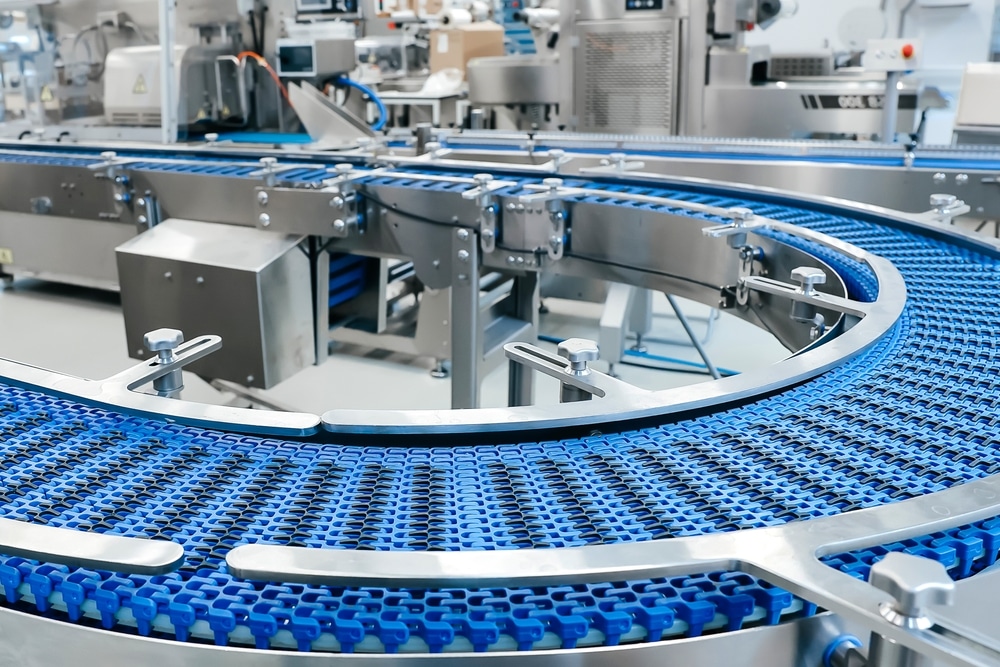
In conveyor systems used in metal processing plants, incremental encoders monitor belt speed, direction, and position. This is essential for the precise transportation of metal sheets, coils, and finished parts between various processing stations. Encoders enable automation systems to coordinate cutting, stamping, and forming operations by delivering real-time movement data. Their high reliability in dusty, vibration-heavy environments makes them a preferred choice for ensuring accuracy and productivity in continuous metal processing workflows.


Steel Manufacturing

In steel manufacturing, incremental encoders are essential for precise motion control across various stages of production—from casting and rolling to cutting and packaging. They are commonly used to monitor the rotation and speed of motors driving conveyor belts, roller tables, shears, and coilers. This real-time feedback ensures accurate positioning and synchronization of equipment, which is critical for maintaining dimensional accuracy and surface quality of steel products. Whether it’s measuring the speed of slabs moving through a continuous caster or coordinating the timing of automatic cutters, incremental encoders help optimize production efficiency, reduce waste, and support consistent quality in high-volume steel manufacturing environments.

Conveyor Belt Systems

In conveyor systems used in metal processing plants, incremental encoders monitor belt speed, direction, and position. This is essential for the precise transportation of metal sheets, coils, and finished parts between various processing stations. Encoders enable automation systems to coordinate cutting, stamping, and forming operations by delivering real-time movement data. Their high reliability in dusty, vibration-heavy environments makes them a preferred choice for ensuring accuracy and productivity in continuous metal processing workflows.

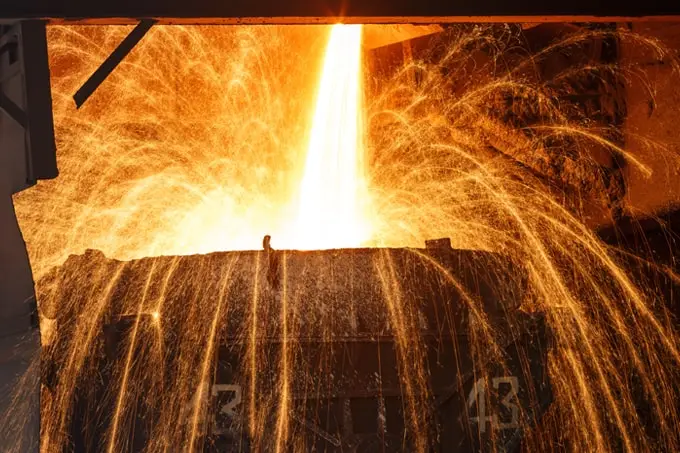
Blast Furnace

In blast furnaces, incremental encoders are used to monitor and control the operation of various mechanical systems such as charging conveyors, tilting mechanisms, and gas flow control valves. These encoders provide precise position and speed feedback for motors and actuators, ensuring accurate material handling and process timing. For example, during the charging process, incremental encoders help regulate the movement of skip cars and conveyor belts that transport raw materials like iron ore, coke, and limestone into the furnace. Their real-time feedback is critical for maintaining consistency in feed rates and ensuring smooth, safe furnace operation under high-temperature, high-load conditions.

Metal Processing

In metal processing industries, incremental encoders are widely used to ensure precise control over machinery involved in cutting, bending, forming, and transporting metal sheets or components. These encoders provide accurate feedback on the position and speed of motor-driven equipment such as presses, feeders, and rollers. This allows for synchronized movements and consistent material handling, which is crucial for maintaining tight tolerances and product quality. Whether in stamping operations, coil handling systems, or automated welding lines, incremental encoders enhance efficiency, reduce downtime, and support high-speed, high-accuracy production in demanding metalworking environments.

Applications and Benefits of Pyrometers in Metal Processing

Frequently Asked Questions (FAQs) On Incremental Encoder

Absolute Encoders give an absolute position, incremental encoders measure the changes in the position.

Encoders come in linear, rotary, and angle versions for different environments, applications, and budgets.

 
An incremental encoder provides a specified amount of pulses in one rotation of the encoder. 

Example devices include the balls in mechanical computer mice and trackballs, control knobs in electronic equipment, and rotating shafts in radar antennas.

Incremental encoders are widely used in various applications where motion or position needs to be tracked and controlled. 

GET IN TOUCH